


Sahara Exhibition and Conference is a massive, stimulating and scientific event that has been held regularly for 37years
28 September, 2025
Port Sudan (Sudanow) ---
The Sahara Exhibition and Conference is an annual scientific event held in the Arab Republic of Egypt, where papers are presented by scientists specialized in various fields of agricultural production. The exhibition is generally interested in agricultural activity but focuses on a specific agricultural issue each year.
Regarding this annual scientific event, Sudanow met with economic expert Dr. Adel Abdelaziz Al-Faki, who represented Sudan at this session. He said: Sudan has great and favorable opportunities to cover Egypt's needs for wheat, soybeans, and sunflowers, in addition to other goods. This can be done by farming in the upper terraces of the River Nile and Northern states on areas exceeding 4 million feddans irrigated from the Nubian Sandstone Aquifer System using pivot irrigation and solar energy technologies and employing artificial intelligence. We saw at this year's Sahara Exhibition that these technologies have reached a very advanced stage.
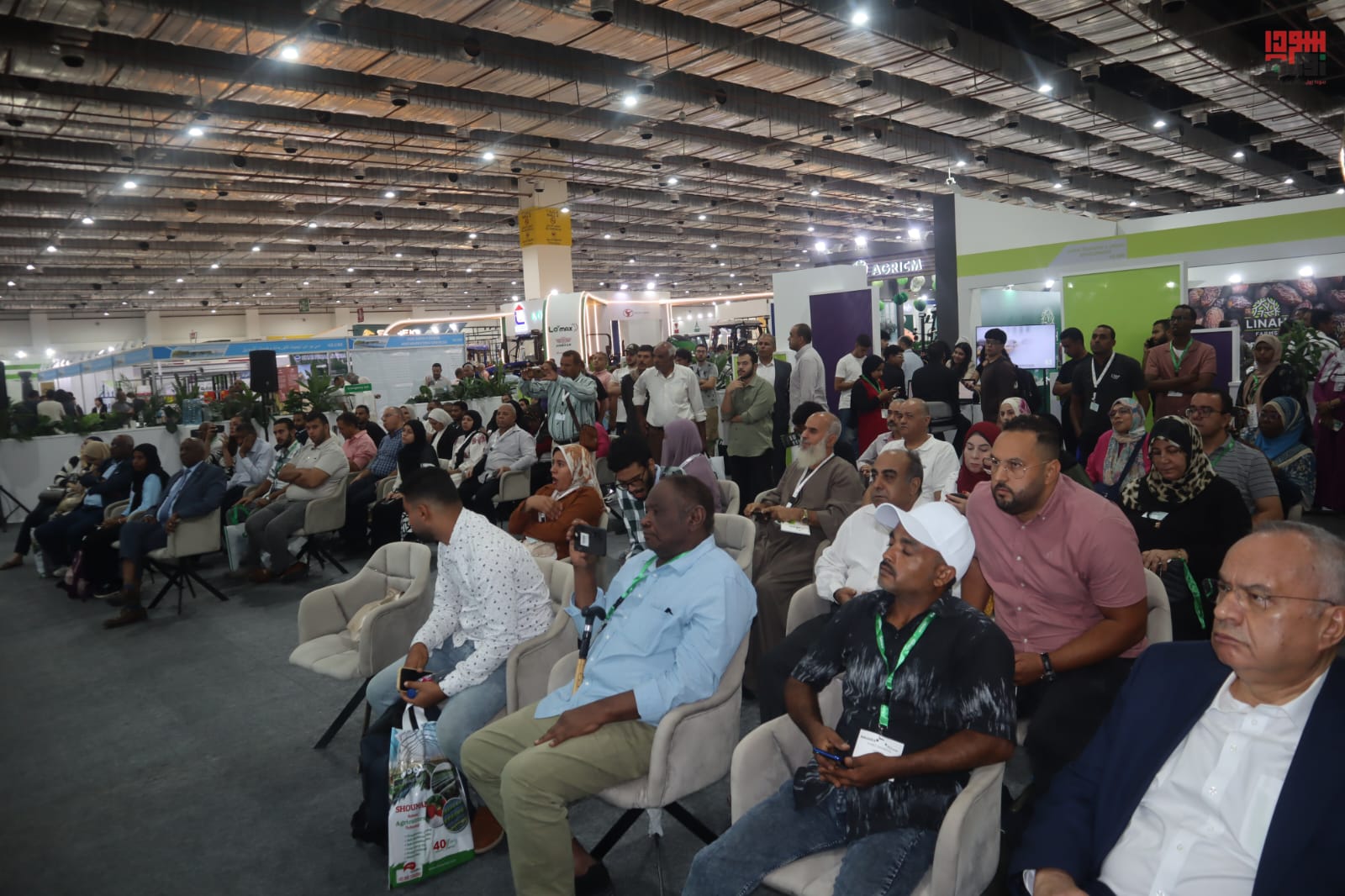
Dr. Adel stated that during his presentation at the Sahara Conference and Exhibition, which was held on September 15th at the Cairo International Convention Center in the 10th District of Nasr City, in Cairo, he highlighted that the upper terraces in Sudan are characterized by their light to medium sandy-clay soil, which is well-aerated and drained but often suffers from a lack of organic matter and requires good agricultural management. He also noted that the Nubian Sandstone Aquifer System is one of the largest groundwater reservoirs in the world, covering large parts of the Northern and River Nile states, and that its water is fresh and relatively deep, with stable agriculture. He added that solar energy is a reliable source for pumping water all year round. Solar pumping systems without batteries can be used in daytime irrigation systems (sprinkler/drip), which reduces operational costs. Drip or pivot sprinkler irrigation systems are preferred to increase water use efficiency in this arid, high-evaporation environment.
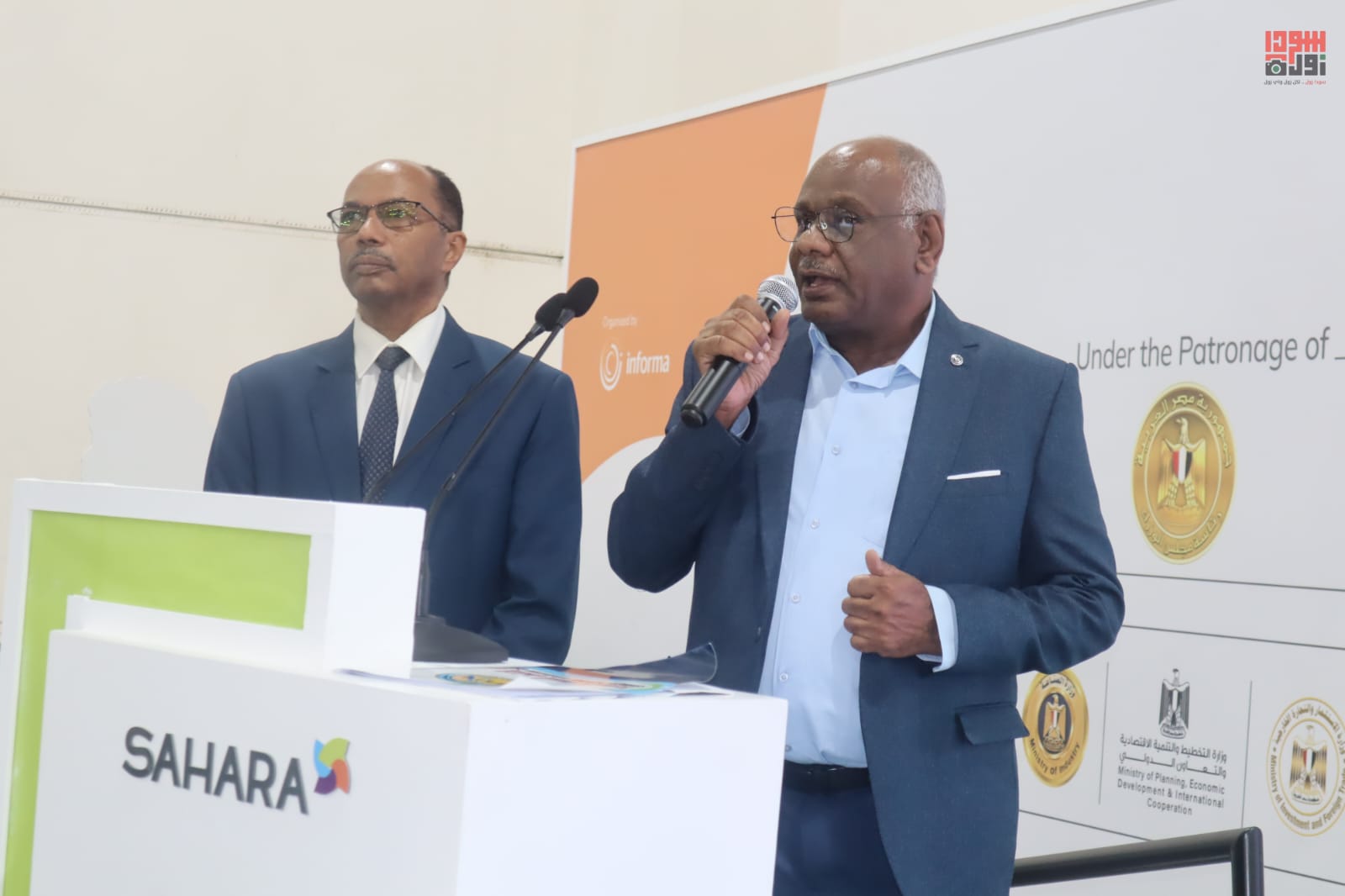
Dr. Adel pointed out in his paper presented at the conference that cash and export crops that can be grown in the upper terraces include: wheat, alfalfa, sesame, long-staple cotton, soybeans, and sunflowers, all of which are crops that Egypt desperately needs. This makes it possible to establish agricultural and animal industries alongside agricultural activity to benefit from Egypt's technology and industrial development, achieve added value for these projects, and direct the exports of the associated agricultural manufacturing to the COMESA market (586 million people) and the Greater Arab Free Trade Area (GAFTA) market (485 million people).
It may be appropriate for the senior leadership in both Sudan and Egypt to place the issue of agricultural integration between the two countries at the top of their priorities because it achieves the goals of economic development and food security for both countries.
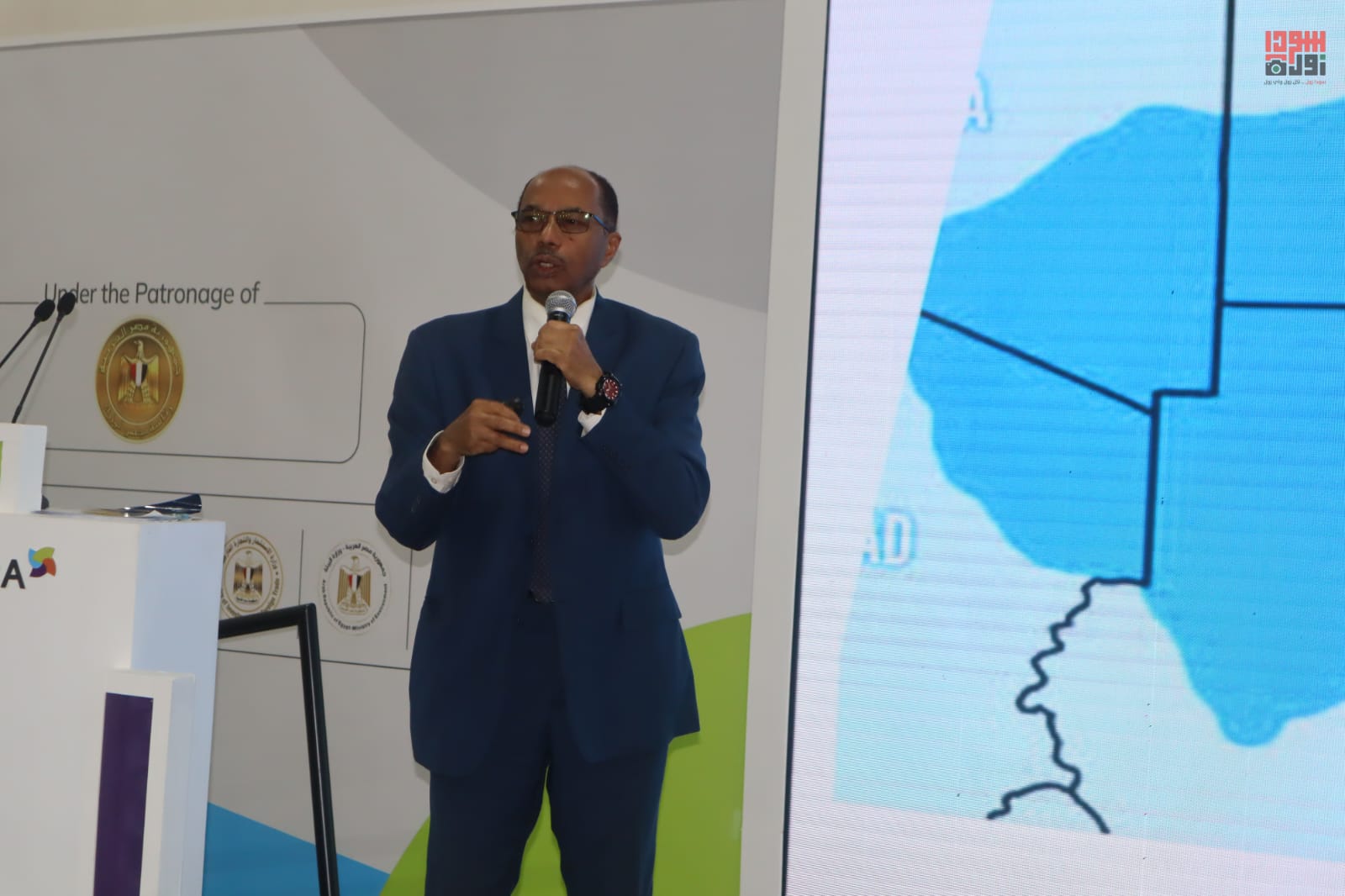
In his review of the Sahara Conference and Exhibition activities, Dr. Adel said that the exhibition and conference are based on three main activities:
First: An exhibition for companies working in the agricultural sector, where they display the latest products in agricultural equipment and technologies, irrigation systems, fertilizers and pesticides, and animal and poultry farm equipment.
Second: A scientific conference where research and working papers are presented by specialized scientists in various fields of agricultural production.
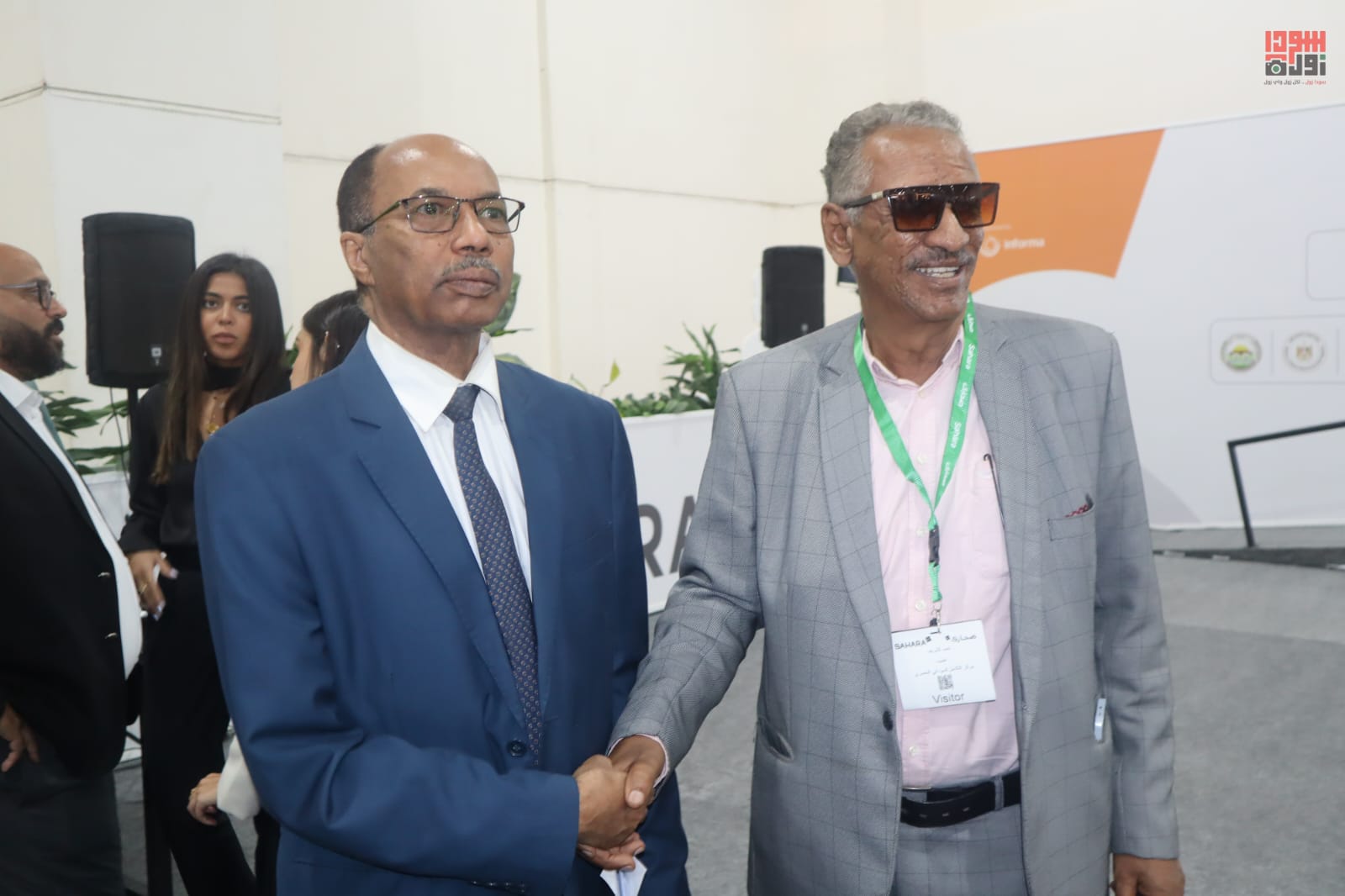
Third: Arranging meetings for businesspeople and investing companies with entities that present specific investment opportunities.
Over the past years, the Sudanese-Egyptian Integration Center has participated on behalf of Sudan in the Sahara Exhibition and Forum with scientific papers aimed at drawing attention to the massive agricultural potential that Sudan enjoys.
This year, the Sudanese-Egyptian Integration Center's participation on behalf of Sudan aims to clarify the available opportunities for agriculture in the upper terraces of the Northern and River Nile states using solar energy technologies for irrigation.
Post your comments
Photo of the Week

PortSudan(Sudanow)- Sudan lost a fundamental pillar and one of the pillars of art last Tuesday. It lost a cornerstone on which the concept of musical diversity and richness relied. The music icon the singer, Dr. Abdel Gader Salim, passed away after a struggle with illness at his home in Omdurman. The singer of heritage departed, and a voice carrying the scent of the plains...
More-

30 November, 2025
Chronicles from the Battlefield Babanusa: The Resilient Heart of Kordofan… A City on the Line of Fire and the Memory of
Port Sudan, (Sudanow) — The systematic destruction practiced by the rebel militia and its mercenaries against public and private property has spared no one. It has impacted agricultural, industrial, and pastoral projects in both rural and urban areas. Even cities and neighborhoods have been struck by this devastation, turning into ghost towns. The city of Babanusa stands as a model of the destruction that has befallen these cities...

Contact Us

Address: Sudan News Agency (SUNA) Building, Jamhoria Street, Khartoum - Sudan
Mobile:+249 909220011 / +249 912307547