


Sidr Trees: A Religious and Cultural Symbol, and Their Fruits are of Nutritional and Therapeutic Value
23 November, 2025
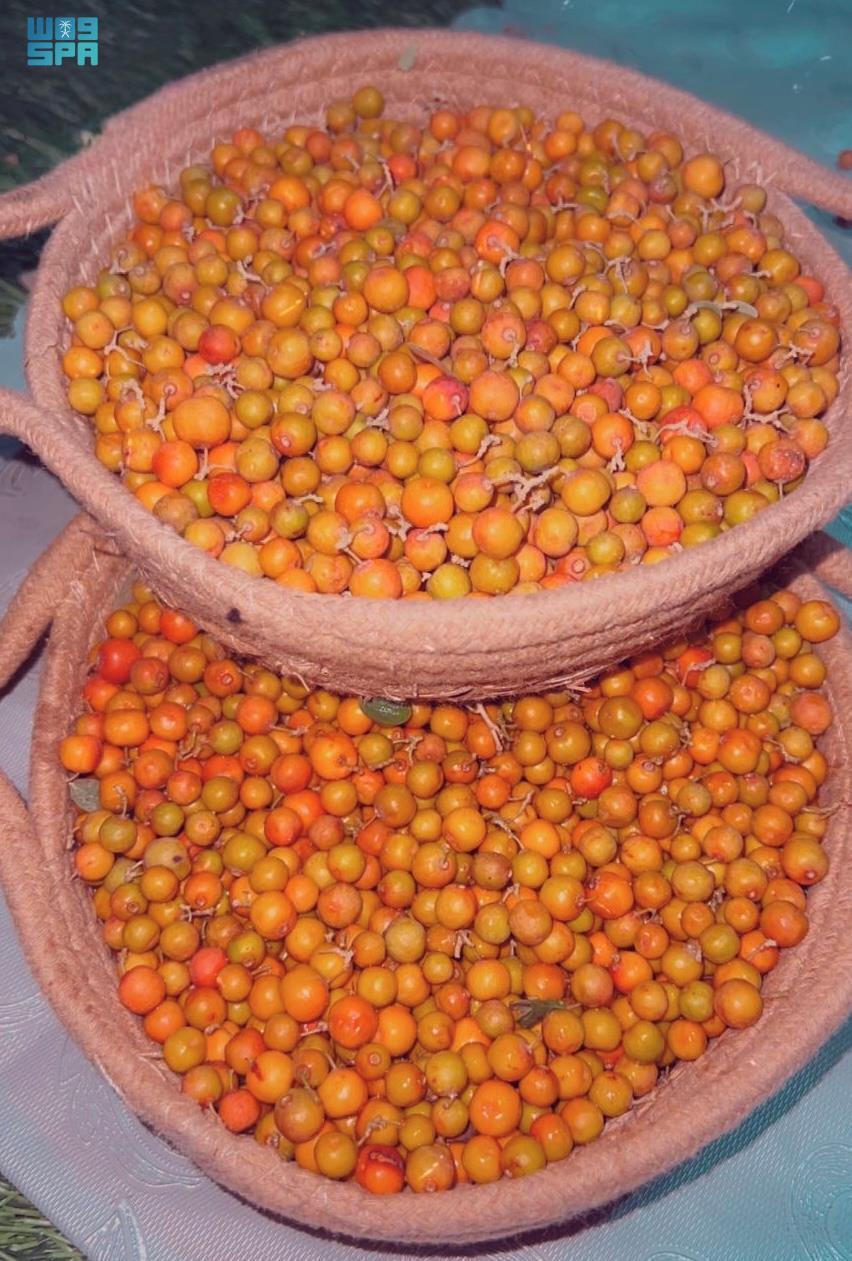
Port Sudan (Sudanow) – Nabq is the fruit of the blessed Sidr tree, mentioned in the Holy Qur’an in four verses, and described as one of the pure trees of the highest heaven. The Prophet Muhammad (peace be upon him) also mentioned it during the washing of the dead, saying: “Wash him with water and Sidr, and shroud him in two garments.”
Its purifying and disinfecting qualities were further confirmed when remains of Sidr were found in the ancient tombs of Sudanese kings—evidence of its role in life and funerary rituals thousands of years ago.
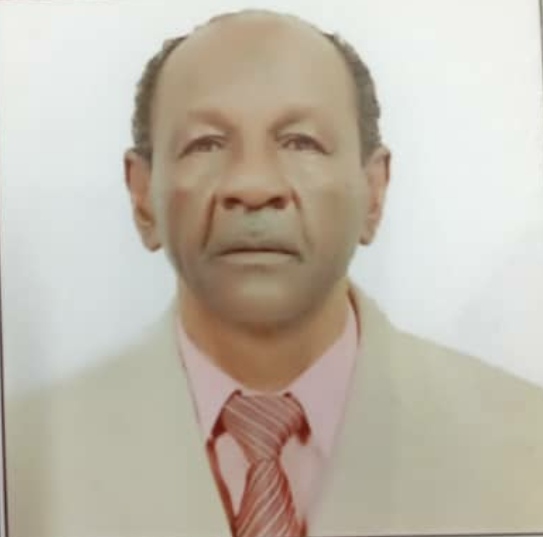
Dr. Mohamed Osman Meisara, Consultant in Community Medicine and public health , expert in Alternative Medicine, Founder of the Traditional Medicine Schools at the Ministry of Health, and member of the Permanent Committee for Medicinal and Aromatic Plants in Khartoum State, spoke to Sudanow about the nutritional and therapeutic benefits of this remarkable fruit.
He explained that Nabq—also known as jujube in some regions—originates from Asia, yet its cultivation is widespread across all states of Sudan. It thrives especially in dry, rocky soil and along riverbanks. It is a dry, autumnal fruit that blossoms in the rainy season, and is considered a treasure among the Creator’s gifts due to its rich compounds, powerful antioxidants, mineral salts, and vitamins.
The fruit contains zinc, calcium, phosphorus, potassium, copper, selenium, Omega-3, Omega-9, Vitamin A, Vitamin C, and B vitamins.
Dr. Meisara emphasized that all parts of the Sidr tree have significant uses, and that no harmful effects or toxicities have been documented in scientific research regarding the tree or its fruit. Nabq is consumed fresh, dried, powdered, brewed as tea or soup, turned into juice, or mixed with salads—making it a key component of therapeutic nutrition.
He added that Sidr fruit plays a major role in prevention, treatment, and rehabilitation in alternative medicine, including:
• Restoring fingerprint clarity for individuals whose fingerprints become faint due to autoimmune diseases—an issue that affects passport offices, courts, and documentation centers.
• Supporting the rehabilitation of individuals recovering from drug addiction to minimize relapse.
Regarding cancer prevention, Sidr contains Betulinic Acid, for which the tree is considered the world's second-largest natural source. This compound activates what he referred to as “C P4 and C P8 cells”—mechanisms responsible for monitoring and inhibiting the development of cancerous cells, helping the body prevent the spread of cancer at its earliest stages.
On the hormonal level, Sidr contains Saponin, which helps protect the hormone testosterone, raises its levels, and enhances sperm quality in terms of count, activity, and strength—thus supporting fertility.
The flowers of the Sidr tree are a preferred source of nectar for bees, producing some of the finest local and wild honey, which is both highly nutritious and economically valuable.
The stems and bark of the tree are used in traditional crafts such as furniture, wooden tools, prayer beads, and incense burners due to their fragrant aroma. Sidr wood is also used to produce high-quality charcoal and is utilized in paper production.
The roots, once cleaned and ground, have a long-standing role in folk medicine. They cleanse the digestive tract, remove worms, bacteria, and fungi, and treat skin diseases such as scabies and hygiene-related conditions.
Dr. Meisara continued with what he described as a “prescription of benefits,” noting that Sidr trees are a great natural wealth, especially when included in dietary culture.
In alternative medicine, the leaves and fruits contribute to:
• Improving memory and supporting elderly patients with Alzheimer’s, restoring cognitive function and inducing relaxation when consumed as tea.
• Enhancing sleep quality when used in powdered form.
• Protecting eyesight due to their high lev
Post your comments
Photo of the Week

Dinder – SUNA – SUDANOW As part of international cooperation programs in wildlife conservation and the implementation of international conventions governing wildlife protection in Sudan, the Federal Dinder National Park authorities received a Nile crocodile on the banks of the Dinder River this morning. The crocodile was transported from Jordan to Sudan as part of jo...
More-

30 August, 2026
Stories from the Heart of the Battlefield From a University of Khartoum Professor to a Vegetable Seller in Cairo
Cairo (Sudanow) In one of Cairo’s neighborhoods, where the stories of passersby intersect with the details of everyday life, the story began with a quiet-faced Sudanese man standing behind a small vegetable stall. He carefully arranged tomatoes and greens, selling them with a smile. Few of those passing by knew that the man they addressed so simply had spent years of his life in lecture halls and scientific research labor...

Contact Us

Address: Sudan News Agency (SUNA) Building, Jamhoria Street, Khartoum - Sudan
Mobile:+249 909220011 / +249 912307547