


The Original "Awlad al-Burai": Their Role in Enriching Artistic and Spiritual Culture
11 January, 2026
Khartoum, (Sudanow) – The literature of Madeeh Nabawi
(Prophetic praise) in Sudan is considered one of the most prominent arts reflecting the manifestations of the religious and artistic spirit in local culture. It is an instructional chanting art and an educational tool used to bring the Prophetic biography and Islamic values closer to the masses through simple language and familiar rhythms.
In Sudan, Prophetic praise has been closely linked to the groups of Awlad Haj al-Mahi, Abukasawi, and the "Original Awlad al-Burai," who carried this heritage across generations with their distinctive voices. They formed an artistic and spiritual school that merged Sudanese folk poetry with religious chanting, becoming a landmark in the history of the country's devotional arts.
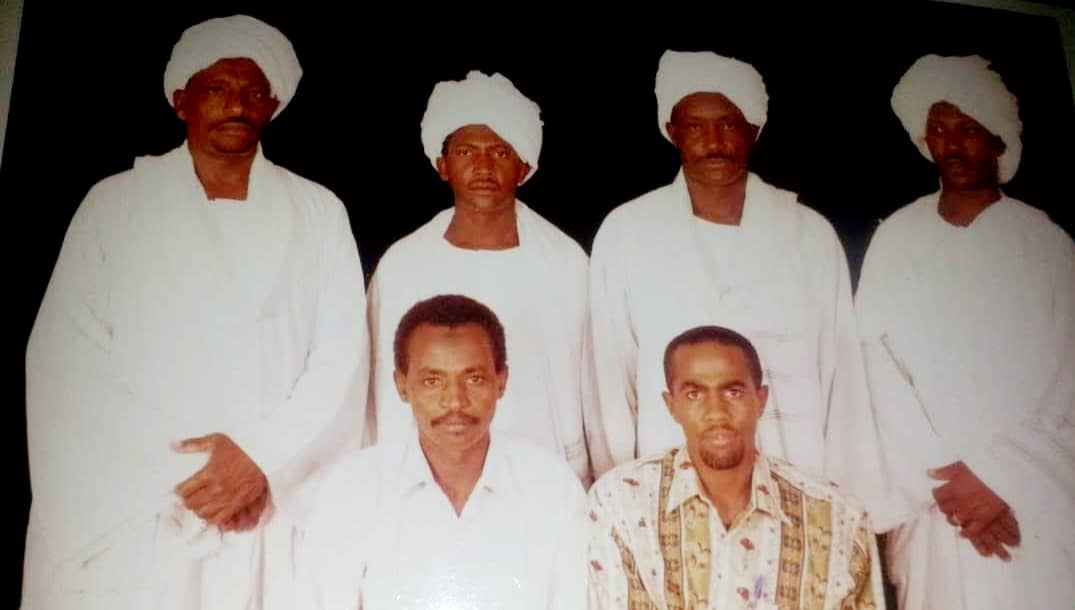
To introduce these chanters and discuss their role in enriching the Sudanese library, Sudanow met with Sheikh Abdelrahim Haj Ahmed, grandson of Sheikh al-Burai and founder of the Al-Asbat Center for Media Production. He stated that Sheikh Abdelrahim al-Burai of Sudan (1923–2005), born in the village of Al-Zariba in North Kordofan, he is one of the most important poets of Prophetic praise in the modern era. He named himself "Al-Burai" after the Yemeni poet Abdelrahim al-Burai al-Yamani. The Sudanese Al-Burai’s poems reached far and wide; some were included in the Sudanese educational curriculum for their profound meanings, and many were translated into English, Swahili, and other languages.
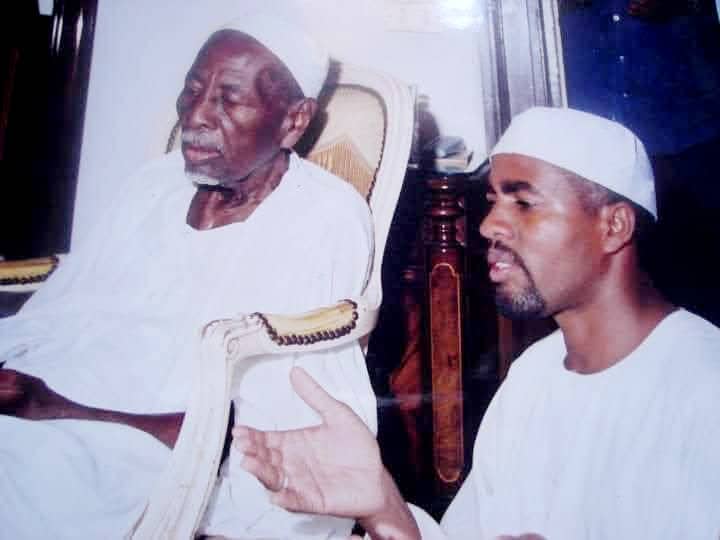
The Sheikh’s grandson added that the "Original Awlad al-Burai" group were the primary medium that brought these praises to the people, attracting a vast base of devotees.
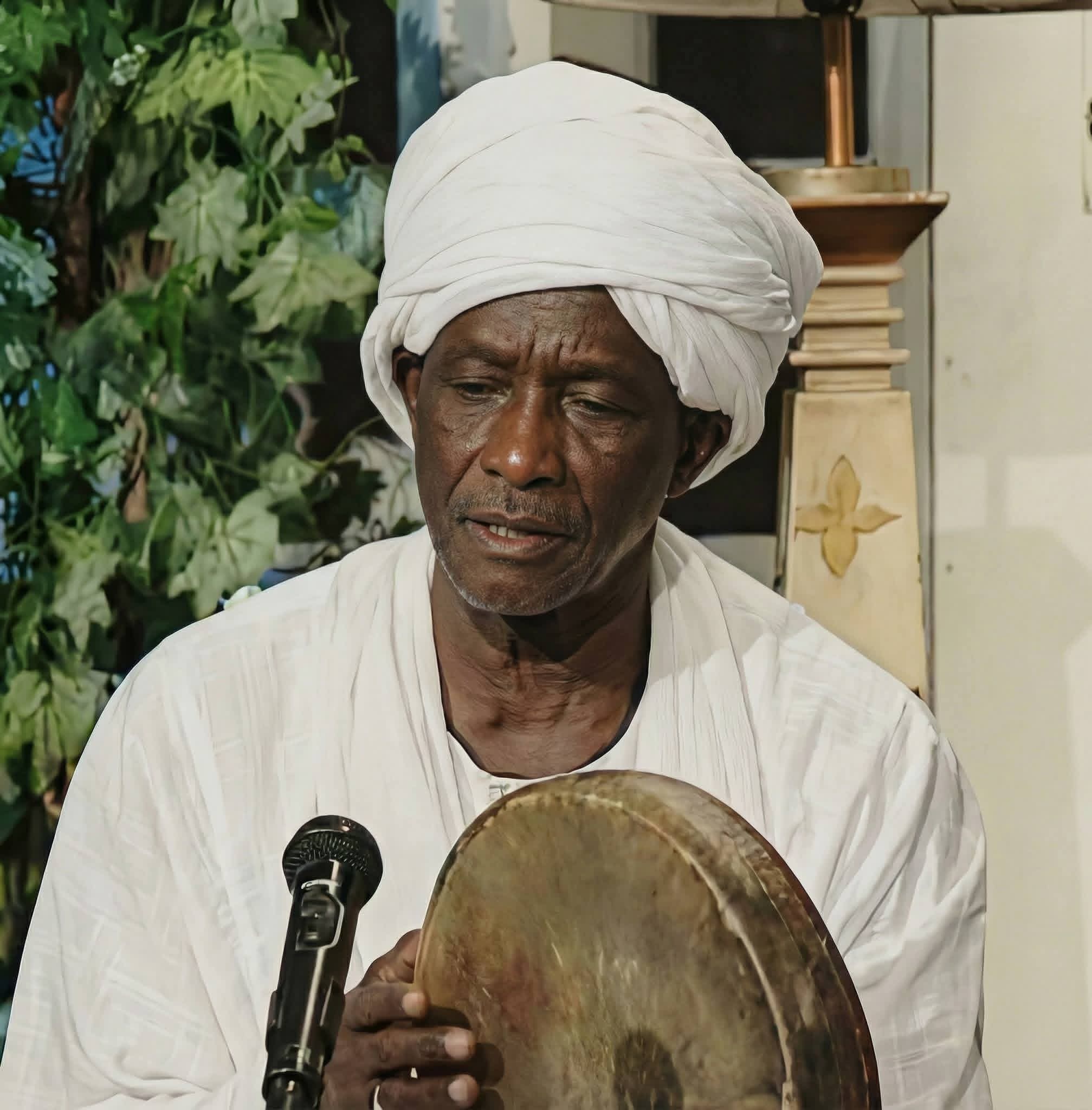
Defining the group members, he began with the lead chanter, Abdalla Dahwi Abdulrahman, a man of quiet dignity whose voice is filled with purity. His most famous performances include "Al-Boxi" (The Pickup Truck), "Ya Taiba Doub Liki" (Deep Longing for Medina), and "Bureek Tibbak" (I Show You Your Cure). Al-Dahwi was born in 1945 and studied in the Khalwas (religious schools) of Al-Zariba. He learned the art of praise at age ten and performed various rhythms like the Murabba, Banati, Ma’ashar, Makhbut, and Harbi.
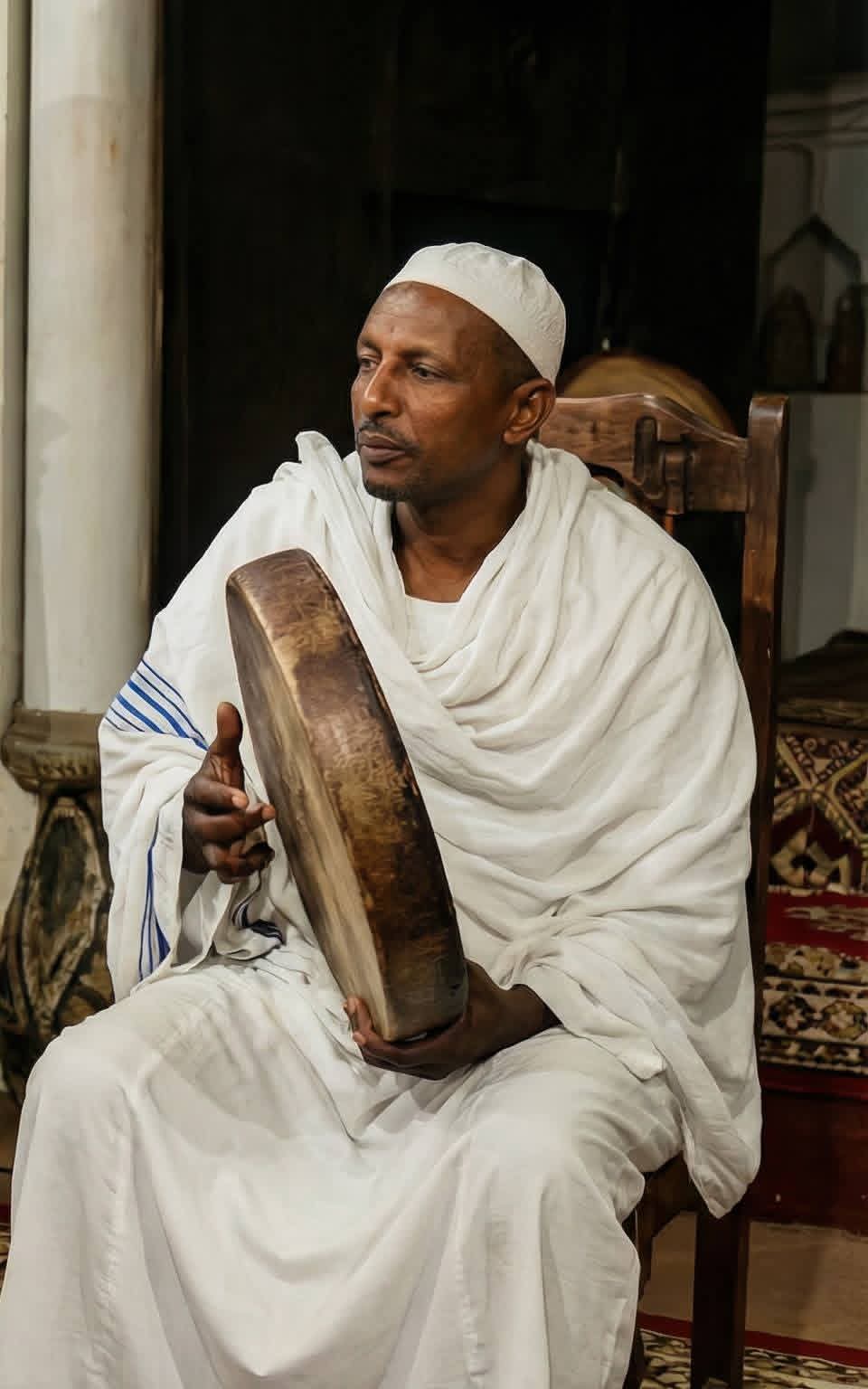
Regarding the chanter Al-Tijani, Sheikh Abdelrahim confirmed he possessed a powerful, rare vocal energy. Born in 1951 in the village of Umm Sharouba, Al-Tijani joined the group to master the art of the Tar (traditional frame drum). Among his most famous works is the poem "Misr al-Muamana" (Insured Egypt), which gained immense popularity inside and outside Sudan. Al-Tijani explained that they were called "The Originals" because they were the first to be known by the name "Awlad al-Burai" in the media and the first to record cassettes for the market in the 1980s. He noted that they received the poems directly from the Sheikh, who would memorize them with the group to ensure correct pronunciation, often dedicating specific poems to specific voices.
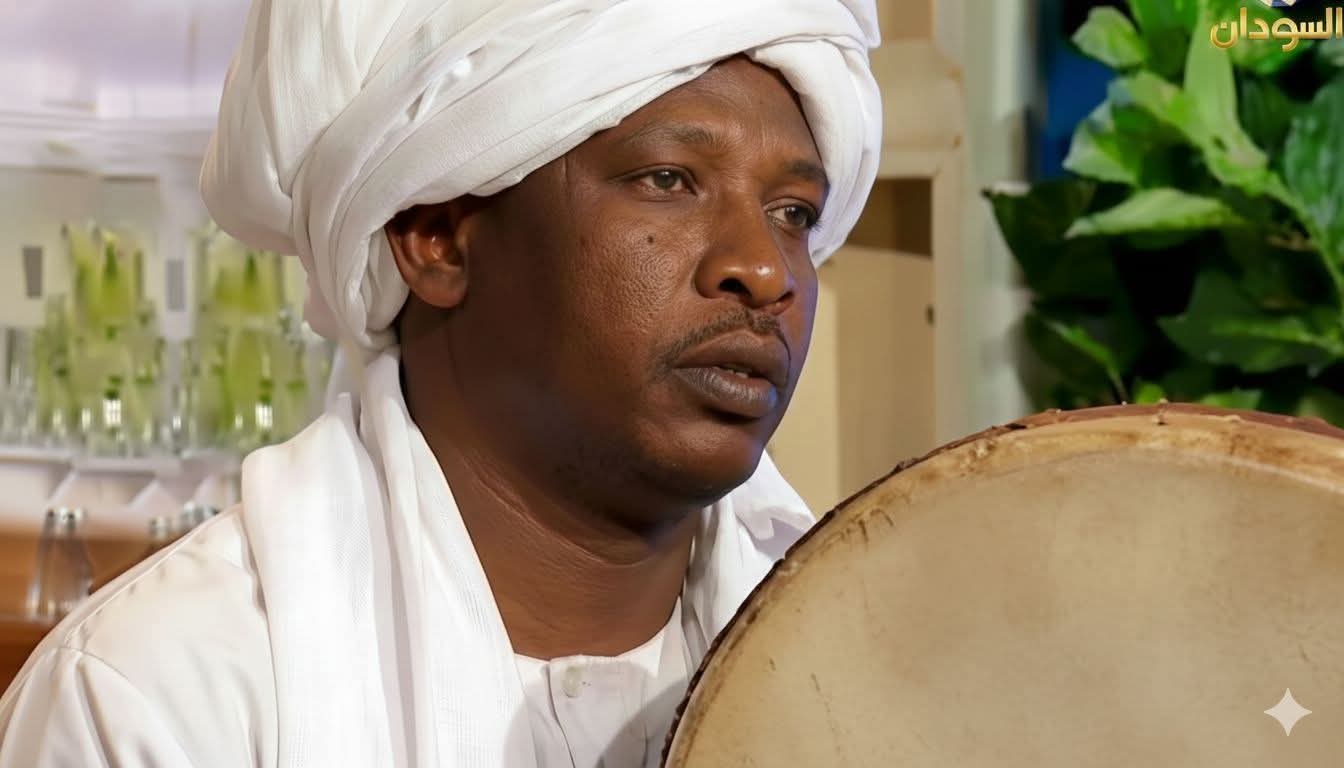
The third member, Ahmed Jad al-Sayyid, was born in Al-Zariba in 1954. His father was a student of Sheikh Muhammad Waqi’ Allah (the father of Sheikh al-Burai). Ahmed was raised under the guardianship of Sheikh al-Burai, who cared for him until he memorized the Quran. Ahmed excelled in chanting in both colloquial and classical Arabic. He was influenced by the school of Sharif Zain al-Abidin and others, but the "Original Awlad al-Burai" managed to create a unique blend of the "River" style and the "Kordofanian" tone. Ahmed Jad al-Sayyid passed away last Thursday, following his brothers Al-Tijani and Dahwi, marking the end of the final chapter of this historic group.
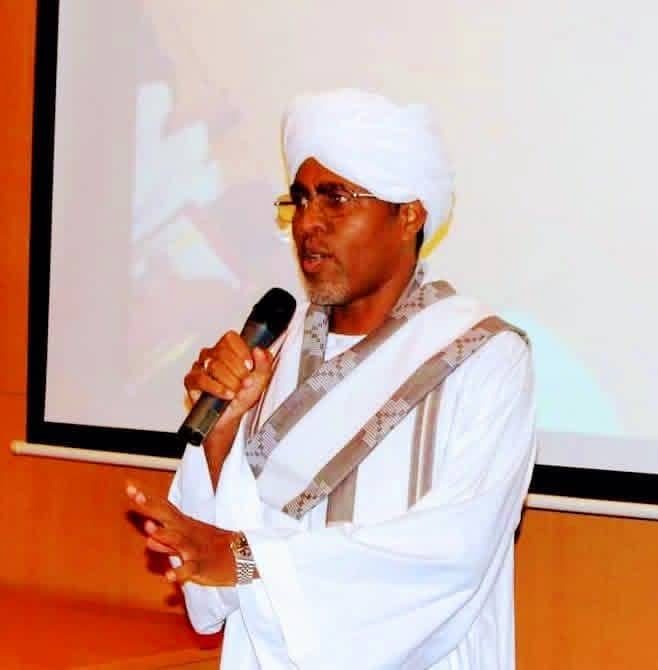
Observers note that Al-Burai’s poems are rich with Quranic verses, Hadiths, and linguistic eloquence. Professor Omar al-Hibr, a lecturer at the University of Khartoum, spoke of the poem "Iblli al-Musharafat" (My Honored Camels), performed by Abdullah Dahwi, saying that if the masters of symbolic Arabic poetry saw it, they would find it superior in both art and blessing. This poem uses the "Camel"—a beloved symbol for the Bedouins of Kordofan—to represent the chapters of the Quran, encouraging people to memorize them.
The opening of the poem says:
"My honored camels bear a brand of pride,
Their milk shall serve me on the Other Side.
They are no vanity, but glories they keep,
Loading the massive ships upon the deep."
Sheikh Abdelrahim concluded by saying that Al-Burai’s poems had a massive impact on the Sudanese soul through their moral guidance. Harmony was restored between many a father and son simply by hearing the poem "Bureek Tibbak," which says:
"Milk your kindness for your father; give your gold and wealth to your mother.
Seek blessing at her feet; honor your parents, and your son shall honor you."
The Sheikh’s poems remain unique for their ability to keep pace with daily events and address social phenomena. The grandson of Al-Burai advises new chanters to return to the printed books to avoid errors in pronunciation and performance, preserving the authenticity of this spiritual art.
Post your comments
Photo of the Week

Dinder – SUNA – SUDANOW As part of international cooperation programs in wildlife conservation and the implementation of international conventions governing wildlife protection in Sudan, the Federal Dinder National Park authorities received a Nile crocodile on the banks of the Dinder River this morning. The crocodile was transported from Jordan to Sudan as part of jo...
More-

30 August, 2026
Stories from the Heart of the Battlefield From a University of Khartoum Professor to a Vegetable Seller in Cairo
Cairo (Sudanow) In one of Cairo’s neighborhoods, where the stories of passersby intersect with the details of everyday life, the story began with a quiet-faced Sudanese man standing behind a small vegetable stall. He carefully arranged tomatoes and greens, selling them with a smile. Few of those passing by knew that the man they addressed so simply had spent years of his life in lecture halls and scientific research labor...

Contact Us

Address: Sudan News Agency (SUNA) Building, Jamhoria Street, Khartoum - Sudan
Mobile:+249 909220011 / +249 912307547