


Sesame: A Nutritional and Therapeutic Treasure for Adults and Children
05 April, 2026
Khartoum (Sudanow— Sesame (also known as gingelly) is a plant-based seed rich in nutritional value and considered a true dietary treasure due to its content of more than 60 chemical compounds. To explore its nutritional and therapeutic benefits, Sudanao interviewed Dr. Mohammed Osman Maysara, a consultant in community medicine and public health, expert in alternative medicine and therapeutic nutrition, member of the Permanent Committee for Medicinal and Aromatic Plants, and head of the founding committee for alternative and integrative medicine schools at the Ministry of Health in Khartoum State.

Dr. Maysara explained that sesame is one of the richest plant sources of natural fats. It is also packed with vitamins, proteins, minerals, and both soluble and insoluble fiber. Soluble fiber nourishes beneficial gut bacteria, while insoluble fiber supports digestive health. Sesame seeds have even been found in ancient Kushite pyramids dating back over 7,000 years. They were widely discussed by Ibn Sina (Avicenna), and it is reported that the Prophet Muhammad (peace be upon him) used them medicinally.
Sesame is widely cultivated in Sudan, particularly in Gedaref State—famous for its production and celebrated in songs—as well as in Gezira, Sennar, River Nile, Northern State, Kordofan, and Darfur, primarily through rain-fed agriculture. It is also one of Sudan’s four major export crops alongside gum arabic, cotton, and hibiscus.

Nutritional Value and Health Benefits
According to Dr. Maysara, black sesame is considered the most beneficial among the three main types (black, white, and red), although white sesame is the most commonly used. Sesame plays a major role in traditional medicine and is regarded as a “superfood” that enhances overall health.
It is recommended to lightly roast sesame over low heat and consume about 20–30 grams daily (roughly three tablespoons, preferably unhulled) to maximize its benefits.
For women, sesame is particularly beneficial due to its content of lignans and sesamin, which help regulate hormones—especially estrogen—during menopause. It may improve fertility, support treatment of polycystic ovary syndrome (PCOS), regulate menstruation, and enhance thyroid function. It also promotes glowing skin, healthy hair, improved mood, hydration, and has antibacterial and antifungal properties. Additionally, it acts as an antioxidant and may help reduce the risk of cancers such as breast, uterine, and ovarian cancers.

Digestive and Systemic Benefits
For the digestive system, sesame helps strengthen gums, eliminate bacteria and fungi, reduce bad breath, and maintain oral health. It relieves constipation, combats harmful bacteria, and may ease symptoms of irritable bowel syndrome (IBS).
Recent studies suggest sesame may help lower blood sugar levels and high blood pressure, prevent fat accumulation, boost immunity, and improve vision. It is essential for bone health, increasing bone density and preventing osteoporosis. It also strengthens heart muscles, prevents arterial stiffness, and improves cholesterol balance by lowering harmful LDL and raising beneficial HDL.
Sesame may also protect blood vessels, reduce the risk of multiple sclerosis, and help combat aging-related conditions such as Alzheimer’s by enhancing memory and reducing forgetfulness. It may reduce wrinkles, alleviate depression, and is particularly beneficial for smokers by supporting nerve health due to its rich content of vitamins B1, B2, B3, magnesium, and antioxidants that protect cells from oxidative damage.
For men, sesame supports muscle growth, improves blood circulation, and may increase testosterone levels, thereby enhancing sexual health. It may also help prevent benign prostate enlargement and reduce inflammation. It acts as a natural pain reliever for joint pain.
Consuming sesame in the evening may help relax muscles and improve sleep quality for both adults and children. For increased energy, it is recommended to take it on an empty stomach. It is also beneficial for patients with Crohn’s disease.
Cautions
Sesame should be consumed in moderation, especially for individuals with kidney disease, as its high potassium content may worsen their condition. Excessive intake may also lead to weight gain or trigger allergic reactions in some individuals.
Uses
Dr. Maysara added that sesame is widely used in pharmaceutical preparations, especially in pain relievers, moisturizers, creams, and ointments for skin and respiratory conditions. It also contributes to some antibiotic formulations.
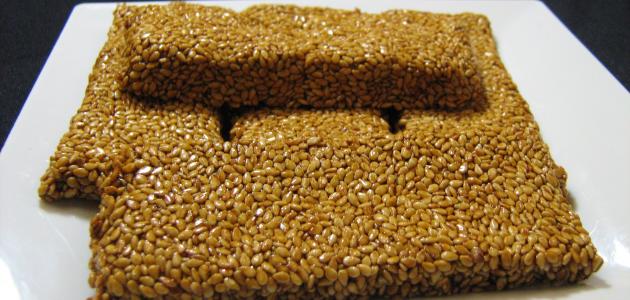
Culinarily, sesame is used in tahini, baked goods, and sweets—especially traditional confections prepared during the Mawlid (Prophet’s birthday). It is also added to various dishes, salads, beverages, and consumed as a nut-like snack.
Post your comments
Photo of the Week

Khartoum (Sudanow) — In just three days, the war in Sudan will complete its third year since it erupted on April 15, 2023. The conflict pits the Sudanese Armed Forces, supported by allied forces, against the rebel militia and its backers at both regional and international levels. Experts believe this war is no longer purely an internal affair; rather, it has evolved into...
More-

13 April, 2026
Stories from the Heart of the Battlefield War and the Growing Suffering of People with Disabilities
Khartoum (Sudanow) — As the war in Sudan enters its fourth year, and destruction has affected everyone, the suffering of people with disabilities has doubled. This vulnerable group faces severe risks due to war, displacement, and the difficulty of accessing medical and humanitarian aid, in addition to the near-total collapse of educational, medical, and rehabilitation services. To understand the scale of suffering and t...

Contact Us

Address: Sudan News Agency (SUNA) Building, Jamhoria Street, Khartoum - Sudan
Mobile:+249 909220011 / +249 912307547