


Stories from the Heart of the Battlefield War and the Growing Suffering of People with Disabilities
13 April, 2026
Khartoum (Sudanow) — As the war in Sudan enters its fourth year, and destruction has affected everyone, the suffering of people with disabilities has doubled. This vulnerable group faces severe risks due to war, displacement, and the difficulty of accessing medical and humanitarian aid, in addition to the near-total collapse of educational, medical, and rehabilitation services.
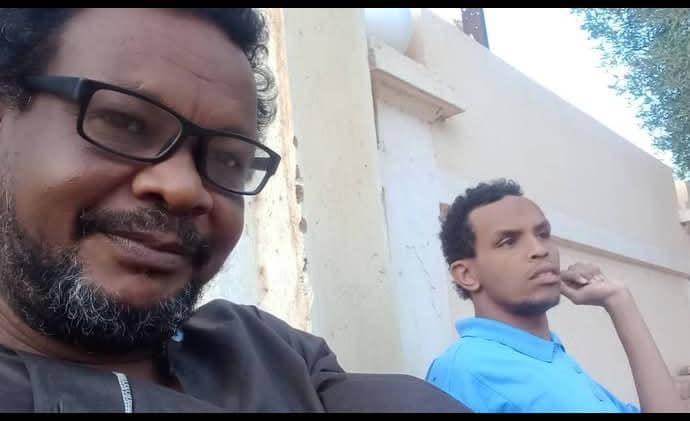
To understand the scale of suffering and the challenges faced, Sudanow interviewed Mr. Mujtaba Bushra Idris, Acting Secretary-General of the Intellectual Disability Union, who stated:
“The task was extremely difficult due to the loss of data during the war. However, we found sympathy, support, and care from Mr. Siddiq Hassan Farini, Minister of Social Welfare in Khartoum State, and Mr. Yasser Mohammed Al-Amin, Secretary of the Council for Persons with Disabilities at the Ministry. This greatly facilitated the process of data collection and the distribution of in-kind and cash assistance.”
“By the grace of God, we formed committees across the seven localities to expand our geographical reach within the state. This helped us reach many individuals with disabilities and re-conduct registration and data collection. We are working around the clock to reach every person with intellectual disabilities in Khartoum State.”
He added:
“We also received strong engagement and support from all segments of society, including organizations, businesspeople, and official entities. Together with some parents, we worked on identifying individuals with intellectual disabilities and activating the role of the Intellectual Disability Union in Khartoum State as a body that unites us and advocates for our urgent issues—such as treatment, rehabilitation, education, and food assistance.”
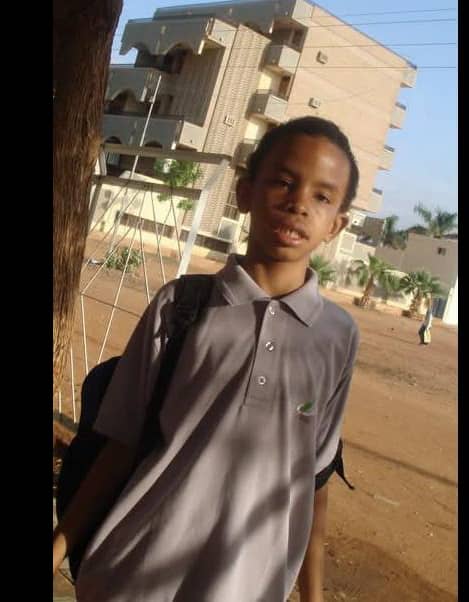
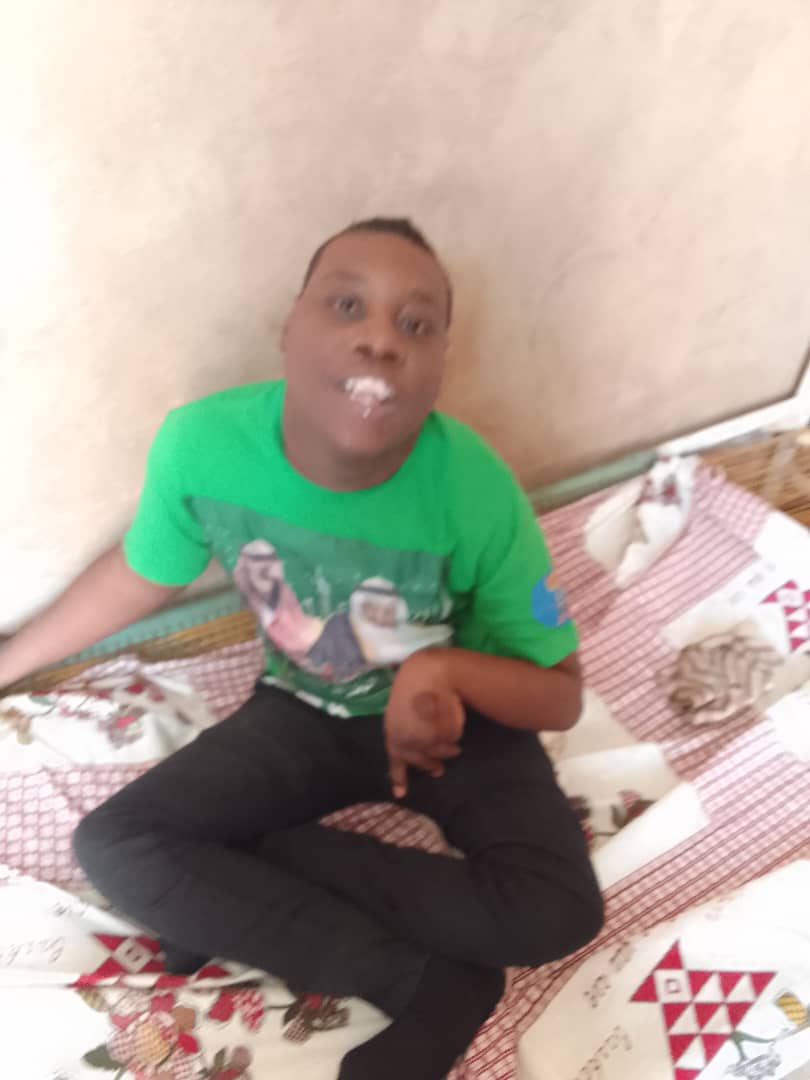
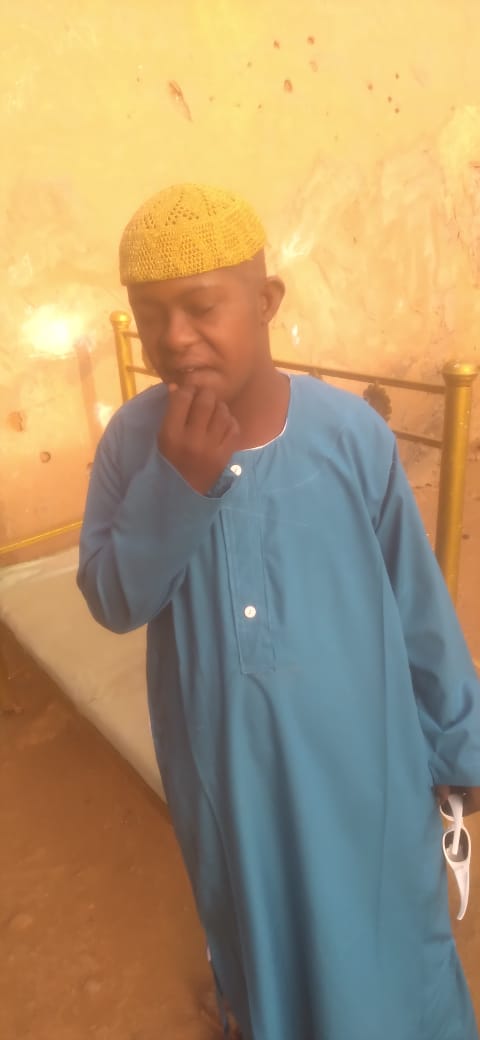
Mr. Mujtaba himself is the father of two children with intellectual disabilities: Mohammed Al-Mundhir and Bushra. Mohammed Al-Mundhir passed away as a martyr in May 2025—may God accept him.
He continued:
“At the outbreak of the war, I was Secretary of Activities, while Mr. Awad Khidr Al-Mahdi was the Secretary-General of the Union. I was detained by the rebel militia in Bahri but was released shortly after. My family and I were then displaced to Omdurman.”
“As for Mr. Awad, he remained in Bahri for a long period, during which one of his sons—who had both intellectual and physical disabilities—passed away. His home was looted and burned, forcing him to flee to the Northern State in a very difficult displacement journey.”

“In August 2025, I was assigned to lead the Union. The Union’s headquarters—a small apartment in a building affiliated with Bahri locality—was looted and damaged by militia members.”
He added:
“I have witnessed this war from the beginning and never left Khartoum State. I joined the armed forces at the end of 2023 and continue to serve. We fought in several battles in Omdurman and Bahri and were among the first to enter Old Bahri. By God’s grace, we achieved victory.”
“It became essential for us to work toward restoring security in the state, preparing for return, and reuniting families—especially those of individuals with intellectual disabilities. I am one of them and live their reality. This ordeal has had a doubled impact on people with disabilities.”
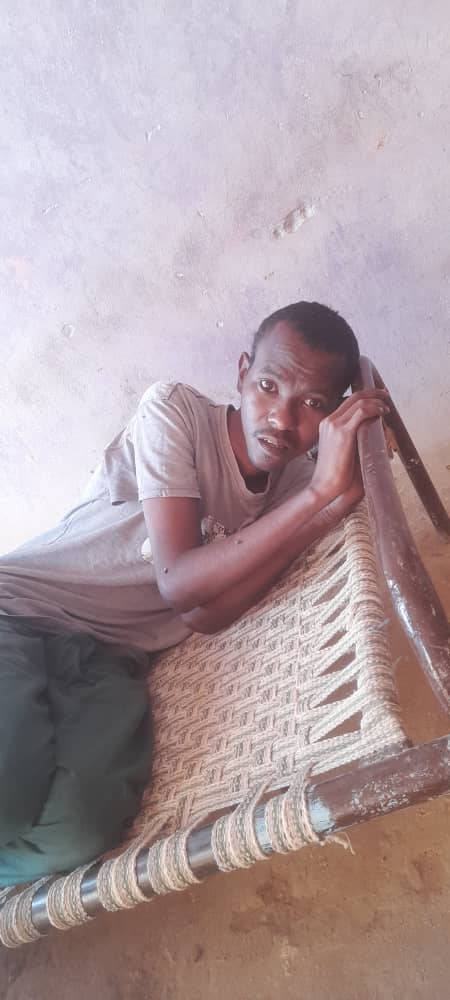
In conclusion, Mr. Mujtaba highlighted the Union’s urgent priorities:
1. Education and Rehabilitation
There are 11 government schools for individuals with intellectual disabilities in Khartoum State. Seven are currently out of service, while the rest suffer from a shortage of staff, educational tools, rehabilitation equipment, and measurement devices. Additionally, many buildings are damaged and in urgent need of maintenance and rehabilitation.
2. Medical and Assistive Needs
“There are major challenges in providing essential medications, assistive devices, and rehabilitation equipment, all of which are costly and place a heavy burden on families. We call on the government, organizations, and all concerned parties to extend support to people with intellectual disabilities so they can live in dignity.”

He concluded:
“These individuals must be given an appropriate environment that allows them to develop their unique abilities, integrate into society as active members, and contribute to national development.”

To address these crises, there is an urgent need for intervention from both international and national organizations to support this group by providing food, medicine, mobility aids, rehabilitation equipment, and all resources related to education.
Post your comments
Photo of the Week

Khartoum (Sudanow) — In just three days, the war in Sudan will complete its third year since it erupted on April 15, 2023. The conflict pits the Sudanese Armed Forces, supported by allied forces, against the rebel militia and its backers at both regional and international levels. Experts believe this war is no longer purely an internal affair; rather, it has evolved into...
More-
13 April, 2026
Stories from the Heart of the Battlefield War and the Growing Suffering of People with Disabilities
Khartoum (Sudanow) — As the war in Sudan enters its fourth year, and destruction has affected everyone, the suffering of people with disabilities has doubled. This vulnerable group faces severe risks due to war, displacement, and the difficulty of accessing medical and humanitarian aid, in addition to the near-total collapse of educational, medical, and rehabilitation services. To understand the scale of suffering and t...

Contact Us

Address: Sudan News Agency (SUNA) Building, Jamhoria Street, Khartoum - Sudan
Mobile:+249 909220011 / +249 912307547