



Education in Sudan Between the Rubble of War and Hopes for Recovery: Educational Visions for Reconstruction
19 April, 2026
Khartoum (Sudanow) – In light of the widespread destruction caused by the war in Sudan, the voices of education experts and teachers are growing louder, warning of the severe consequences of the collapse of the education sector, while emphasizing the urgent need to act to salvage what remains.
Sudanow examined the scale of the damage affecting the education sector and conducted a survey among teachers, educators, and experts. The starting point was with Mr. Ahmed Abdelbagi Adam Al-Jilani (Mathematics/Physics specialist), Director of Basic Resources Schools in Omdurman (primary and intermediate levels), who stated that the greatest challenge lies not only in rebuilding schools, but in “rebuilding the human being.” He stressed the importance of integrating psychosocial support into the educational process and training teachers to effectively support students affected by war.
Ms. Aisha Mohammed Adam, who has over twenty years of experience in public schools in Khartoum and currently works as a supervisor in private schools, emphasized that “the return of education does not simply mean reopening schools, but ensuring a safe and stable environment.” She called for a clear national reconstruction plan that prioritizes the most affected areas and guarantees the provision of textbooks and learning materials.
Mr. Abu Bakr Mohammed Ali, an English language teacher in Khartoum with more than twenty years of experience, argued that the current phase requires “a reconsideration of curricula in line with the new reality.” He highlighted the importance of integrating life skills, modern technologies, and e-learning as essential components of the education system to better prepare for future crises.
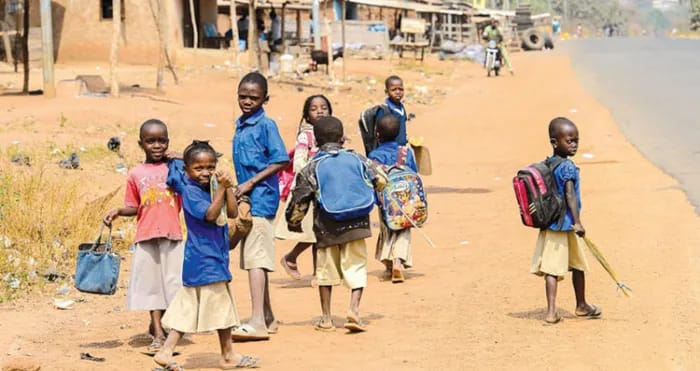
The education sector in Sudan has witnessed unprecedented destruction since the outbreak of war led by rebel militias in 2023. Educational estimates and field reports indicate that more than 70% of schools in conflict areas have been partially or completely damaged, while around 40% of educational institutions are entirely out of service due to vandalism or their use as shelters or military bases.
Thousands of classrooms have been damaged, and large quantities of laboratories and educational materials have been lost, leading to a near-total collapse of educational infrastructure in some states. It is estimated that more than 17 million students have been directly or indirectly affected by the disruption of education. Meanwhile, hundreds of thousands of teachers have been displaced or forced to temporarily leave the profession, exacerbating the shortage of qualified personnel and weakening the continuity of the educational process.
Estimates also suggest that learning loss has exceeded two academic years for a large segment of students, posing a significant challenge to any reconstruction efforts.
The impact of the war has not been limited to material damage; it has extended to psychological and social dimensions. A large number of students are suffering from trauma as a result of exposure to violence, displacement, and instability. This necessitates specialized interventions to rehabilitate them psychologically before reintegrating them into the learning environment.
Despite this bleak reality, both official and community efforts have emerged to salvage what can be saved. Hundreds of schools have begun undergoing partial rehabilitation, alongside the launch of programs to address learning loss. Initiatives for alternative education and distance learning have been activated in relatively safe areas, in addition to organizing urgent training programs for teachers to adapt to the new circumstances.
Educators agree that reviving education in Sudan requires a comprehensive and integrated approach that begins with securing educational institutions, moves through reconstruction and teacher rehabilitation, and extends to curriculum reform. It must also ensure educational equity and access for all children, particularly in displacement and refugee settings.
The report concludes that rebuilding Sudan’s education sector is not merely a technical task, but a comprehensive national project requiring the combined efforts of government, communities, and international partners to restore education’s role in shaping individuals and achieving development and stability.
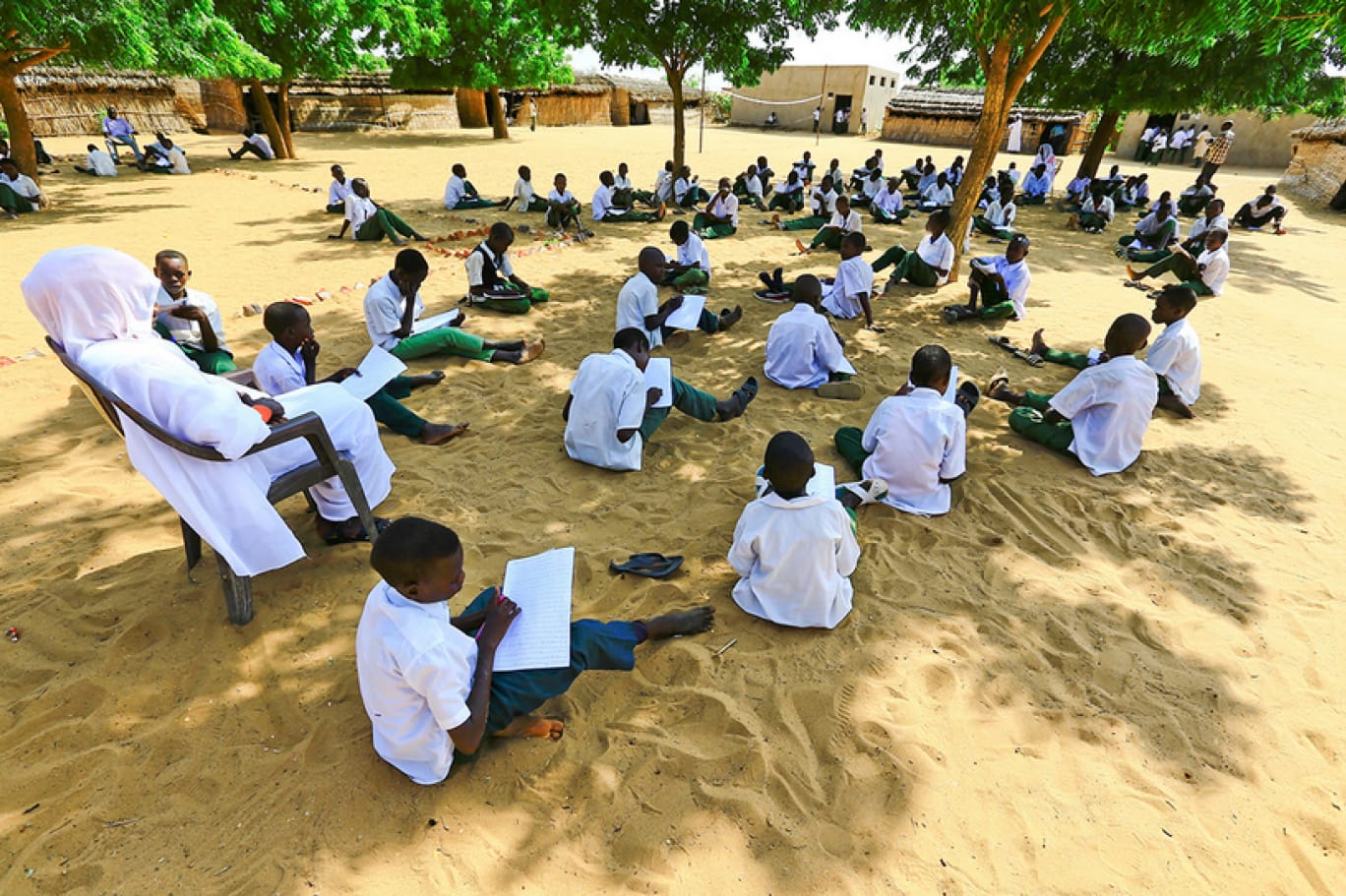
Educational stakeholders are therefore appealing to the international community and organizations working in the field of education to recognize the scale of destruction inflicted on this vital sector and to provide urgent support to help overcome the crisis and rebuild the system on stronger and more sustainable foundations.
An urgent call has been issued for immediate and effective action to save this vital sector from total collapse. The scale of the disaster exceeds the capacity of both the state and local communities. Educational infrastructure has been devastated, while teachers and education personnel face extremely difficult conditions. The continuation of this situation threatens the loss of an entire generation and risks deepening future social, economic, and security crises.
Experts specifically urge international organizations—particularly UNESCO, UNICEF, and the World Bank—alongside global partners, to:
Intervene urgently to rehabilitate and rebuild damaged schools and provide safe, enabling learning environments, especially in displacement and refugee areas.
Support educational recovery programs and address learning loss.
Provide psychosocial support for students and teachers affected by the war.
Invest in training and empowering teachers to cope with current challenges.
Support alternative education and e-learning initiatives to ensure continuity during crises.
Ensure the provision of textbooks and essential learning materials.
Saving education in Sudan is not merely an emergency humanitarian response—it is an investment in the future of an entire nation and a fundamental step toward achieving stability and sustainable development.
Today, a pressing call is made: do not leave Sudan’s children as victims of war and neglect. Education is a right, and its loss is a catastrophe that cannot be undone.
Post your comments
Photo of the Week
From Medical Research to the Advancement of Specialized Healthcare: A Scientific Career Bridging Knowledge and Community Service Gedaref – Sudanow Professor Saeed Mohamed Omar has achieved a notable scientific milestone by being included among the world’s top 2% of scientists for 2025–2026 in Clinical Medicine, under the General and Internal Medicine subfield,...
More-

11 October, 2026
Stories from the Heart of the Battlefield On World Teachers’ Day: The Sudanese Teacher — Achievements Against All Odds
Teachers carried their chalk through the rubble and kept working — Resilience War closed schools, but examinations continued — A Mission Low salaries and mounting hardships — The Price of the Profession Khartoum (Sudanow) — Teachers around the world are marking World Teachers’ Day this week, an occasion that carries messages of appreciation and gratitude for those who carry the torch of knowledge...

Contact Us

Address: Sudan News Agency (SUNA) Building, Jamhoria Street, Khartoum - Sudan
Mobile:+249 909220011 / +249 912307547