


Sudan’s Economy: Recovery Opportunities and a Rapid Growth Model
19 April, 2026
Khartoum (Sudanow) — As Sudan’s war enters its fourth year, it has left behind widespread destruction affecting all state institutions and civilian infrastructure, disrupting life across nearly every sector—especially agriculture and livestock, the backbone of the Sudanese economy. The agricultural season has been severely disrupted, production has declined, and major agricultural and veterinary research centers have been destroyed.
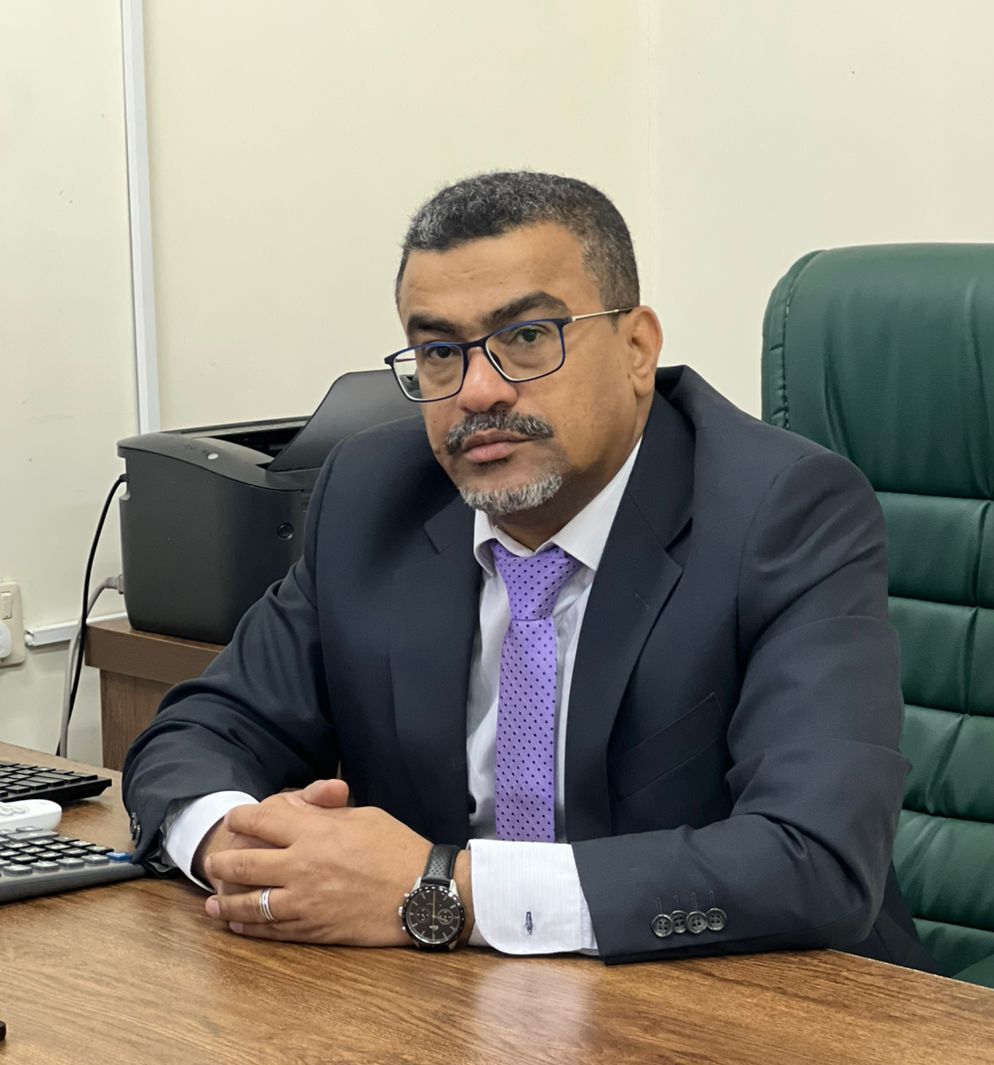
To assess the scale of the damage and explore reconstruction steps, Sudanow interviewed economist Dr. Haitham Mohamed Fathi, who stated:
“The agricultural and livestock sectors are among the most critical pillars of Sudan’s economy, yet they have suffered massive losses due to the war—estimated at around $3 billion. These losses stem from disrupted farming seasons, damage to vast areas of land, and the loss of large livestock herds. Mass displacement of farmers and pastoralists from production areas, along with armed clashes in fields and grazing zones, has further undermined food security and increased poverty rates.”

In Al Jazira State alone, livestock losses are estimated at approximately $1.5 billion, following the looting and destruction of more than 60% of animal assets. Military operations in Darfur and Kordofan have also led to the death of thousands of livestock, in addition to disrupted migration routes and mass die-offs due to water scarcity and lack of safe grazing land. Exports of livestock and animal products have nearly come to a halt, causing direct losses to herders and exporters and depriving the country of a key source of foreign currency.
Statistics indicate that total losses in the agricultural sector—both plant and animal—have exceeded $5 billion, including both immediate and long-term damages.
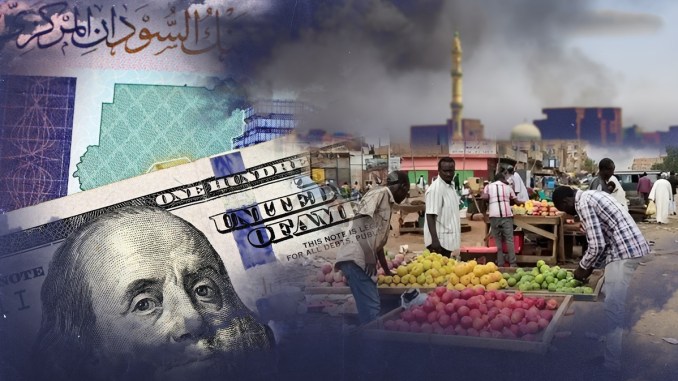
Dr. Haitham added that the war has also deeply impacted other sectors of the Sudanese economy. Over the past three years, bridges, power stations, and water facilities have been damaged or destroyed. Oil refineries and airports have been severely affected, while looting has targeted museums and markets. The healthcare system has nearly collapsed, alongside the destruction of major industrial facilities, universities, schools, hospitals, and government institutions, as well as private homes, businesses, and personal property.
These conditions have led to a sharp rise in poverty levels, reaching approximately 70% nationwide, and exceeding 75% in regions such as Darfur and Kordofan.
Sudan’s oil revenues have declined by more than 50%, with severe damage to key facilities, including the Al-Jaili refinery—one of the country’s most productive. Meanwhile, the Sudanese pound has depreciated dramatically, with the exchange rate rising from 600 SDG per USD before the war to around 4,100 SDG in April 2026.
Dr. Haitham noted that Sudan’s economy has historically been only loosely integrated into the global economy. Becoming part of the global economic system will require time, resources, and phased planning. As a result, Sudan has typically been less affected by global economic crises—but its internal crisis remains far more severe. However, global economic shifts could present an opportunity for Sudan to achieve rapid growth.
He emphasized that the transitional government must adopt ambitious reconstruction plans and prioritize attracting domestic investment before foreign capital, aiming to rebuild what the war has destroyed. Sudan remains a largely untapped and promising investment destination, particularly if accompanied by transparent and accountable economic reforms, and by granting the local private sector a genuine partnership role rather than relegating it to a subordinate position.
He also stressed the importance of updating laws and institutions, including revising the Investment Law to reflect current realities, establishing a one-stop licensing system, ensuring transparency and oversight in agricultural and mining contracts, and combating administrative corruption.
“Investing in an environment of high taxes and a collapsing currency is a high-risk, potentially self-destructive endeavor,” he warned, unless the government intervenes with exceptional tax exemptions for affected investors and links taxation to actual production rather than arbitrary estimates that burden producers.
“The current phase requires the government to shift from a revenue collector to an economic enabler.”
He further called for the development of industrial cities equipped with reliable electricity and services, and for the localization of processing industries to add value to Sudan’s raw materials—such as gum arabic, cotton, and oilseeds—through partial manufacturing.
Finally, he noted that returning Sudanese investors require stable electricity, access to financing, and fair taxation—issues he considers matters of national security. Sudan lost an estimated $6.4 billion from its GDP in 2023 alone.
Post your comments
Photo of the Week

Sudanese Student Wins International Research Award and Presents Digital Nursing Project at Royal College of Nursing Conference in Britain Khartoum – Sudanow In a country where the healthcare sector is facing mounting crises and war has placed hospitals, healthcare workers, and patients under immense pressure, a Sudanese nursing student has chosen to begin with a question ...
More-

11 October, 2026
Stories from the Heart of the Battlefield On World Teachers’ Day: The Sudanese Teacher — Achievements Against All Odds
Teachers carried their chalk through the rubble and kept working — Resilience War closed schools, but examinations continued — A Mission Low salaries and mounting hardships — The Price of the Profession Khartoum (Sudanow) — Teachers around the world are marking World Teachers’ Day this week, an occasion that carries messages of appreciation and gratitude for those who carry the torch of knowledge...

Contact Us

Address: Sudan News Agency (SUNA) Building, Jamhoria Street, Khartoum - Sudan
Mobile:+249 909220011 / +249 912307547