


Analytical Report: The Situation of Women and Children in Sudan During the War (2023–2026)
19 April, 2026
Khartoum (Sudanow)
Since the outbreak of war in Sudan in April 2023, the humanitarian landscape has spiraled into one of the most complex and severe crises in the world. More than 33 million people—nearly two-thirds of the population—are now in need of humanitarian assistance, according to international reports. Amid this collapse, women and children bear the heaviest burden, as violence escalates and protection systems and essential services continue to erode.
Field Testimony: A View from Within
Providing a direct account from within state institutions, Amira Azhari, Director General of the Federal Unit for Combating Violence Against Women and Children, stated in an interview with Sudanow:
“The data and reports at our disposal reflect an extremely harsh reality faced by women and children in Sudan since the outbreak of the war in April 2023. We are confronting one of the largest humanitarian crises globally. Approximately 10.7 million people have been forcibly displaced, while nearly 25 million require urgent humanitarian assistance, amid a near-total collapse of basic services—particularly in the health and protection sectors.”
Amira emphasizes that women and girls have been disproportionately affected, due to pre-existing inequalities compounded by rising risks of gender-based violence, exploitation, and various forms of abuse—including early and forced marriage, as well as violence associated with displacement and conditions inside shelters.
In El Fasher, the unit documented alarming developments following its invasion in October 2025. Approximately 300 women were reported killed, with strong indications of systematic executions targeting activists, community leaders, and female volunteers based on pre-prepared lists—an apparent effort to dismantle the civil social structure.
Widespread violations were also recorded, including physical assaults and sexual violence, coinciding with the forced displacement of thousands of families under catastrophic humanitarian and health conditions, particularly during attempts by civilians to flee conflict zones.
Amira notes that conflict-related sexual violence has become a defining feature of the war. More than 2,200 cases have been documented—representing only a small fraction of the true scale due to stigma, fear of retaliation, and weak safe-reporting mechanisms. Data indicates that the vast majority of these incidents occurred during raids by rebel militia forces, involving gang rape, abduction, arbitrary detention, sexual slavery, exploitation, trafficking, and forced marriage under coercion.
These violations are systematically used as tools of intimidation and control to force communities into displacement, leaving deep and lasting impacts on the social fabric.
Access to Services: A System in Collapse
Women and girls face severe barriers in accessing basic care, as most health facilities in affected areas have ceased functioning. There is a critical shortage in sexual and reproductive health services, as well as in psychosocial support and legal assistance for survivors—further increasing vulnerability and limiting their ability to seek help.
The consequences are profound:
Health-wise: Limited access to life-saving care following sexual violence, particularly during the critical early hours, alongside severe shortages in medical supplies.
Psychologically: Survivors endure long-term trauma amid scarce mental health services.
Socially: Stigma and marginalization intensify, community protection mechanisms deteriorate, and some families resort to harmful coping strategies such as child marriage.
Systemic Challenges
The challenges are multifaceted, including:
Collapse of protection systems
Restricted humanitarian access
Weak coordination among stakeholders
Ongoing impunity
Severe underfunding of protection and gender-based violence programs
Accordingly, urgent action is required. Priorities include expanding life-saving protection and healthcare services—particularly for managing sexual violence cases—strengthening protection systems through safe shelters and confidential reporting mechanisms, ensuring accountability through investigations and prosecutions, and investing in mental health and psychosocial support.
Amira also underscores the importance of supporting local women-led organizations operating on the frontlines, increasing flexible and sustainable funding, and prioritizing protection and gender-based violence programs.
Documenting these violations is a critical step toward justice—but it requires genuine political will to ensure accountability and provide real protection for women and girls in Sudan.
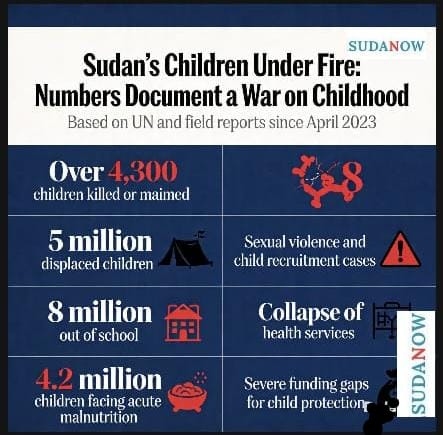
Children… Targets in a Changing War
Figures from UNICEF paint a deeply alarming picture:
More than 4,300 children killed or maimed
Over 5,700 grave violations documented
A 50% increase in casualties in 2026
More critically:
5 million children displaced
8 million children out of school
6,400 schools closed
In this war, children are no longer incidental victims—they have become direct targets.
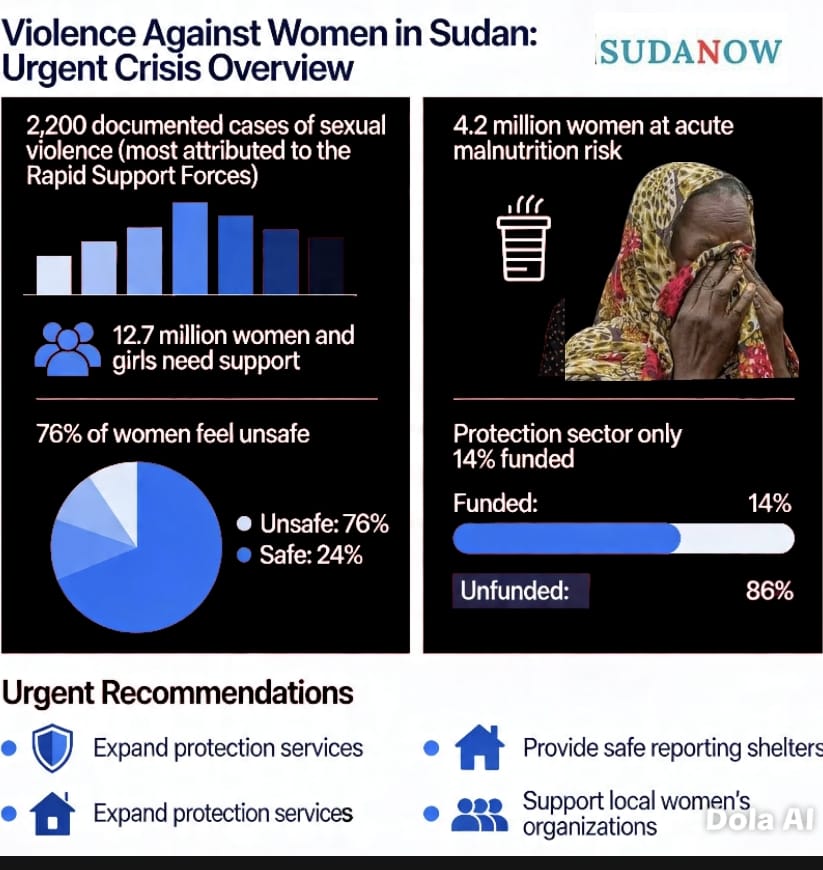
Women… When the Body Becomes a Battlefield
According to UN Women:
2,200 documented cases of sexual violence (only a fraction of reality)
97% attributed to rebel militia forces
12.7 million women and girls in need of assistance
Additionally:
76% of women report feeling unsafe
Thousands of cases of forced and child marriage
Increasing instances of survival sex
This war does not merely kill—it reshapes society through violence.
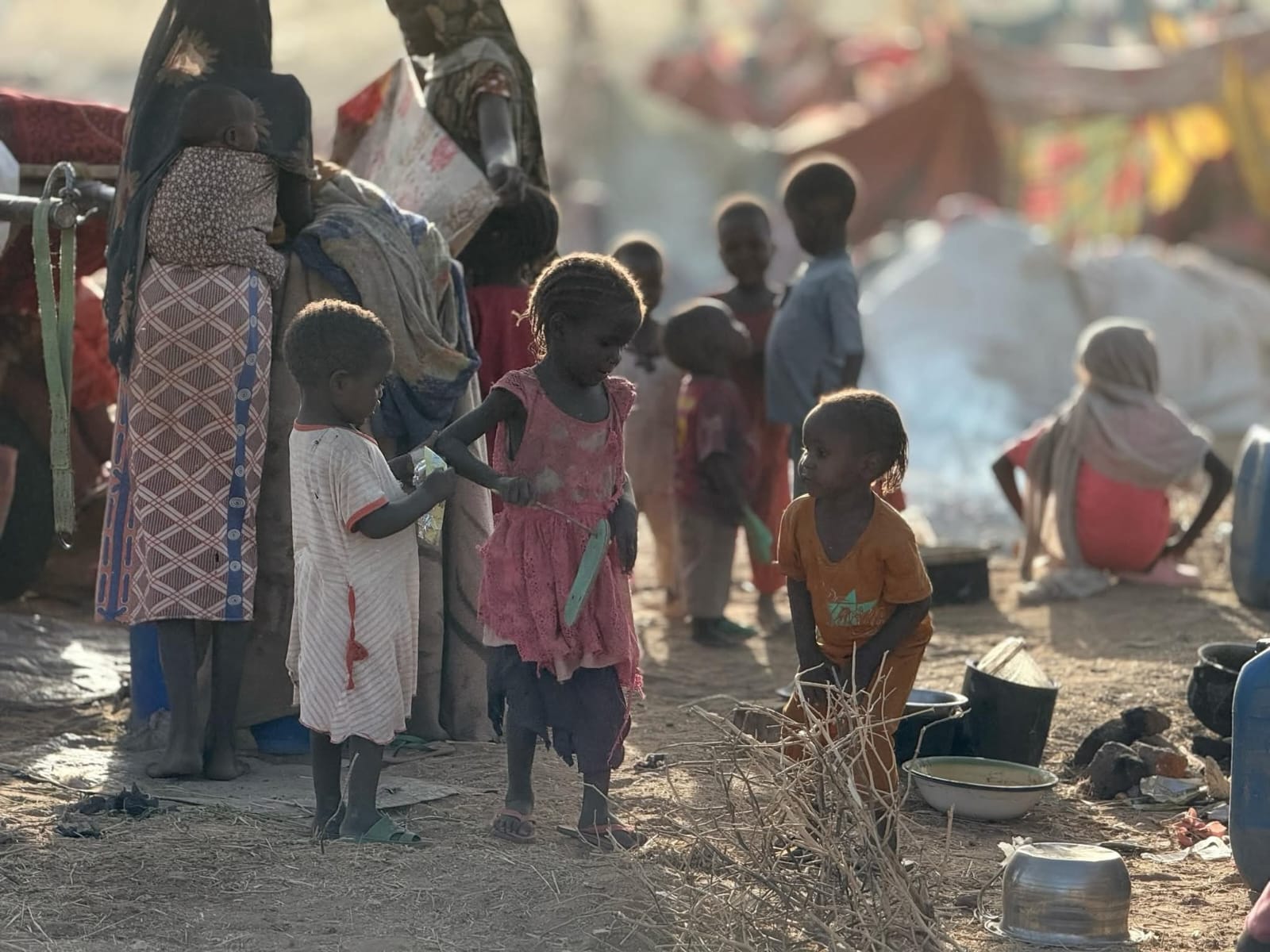
Hunger… The Silent Face of War
Beyond the sound of gunfire, hunger advances quietly:
4.2 million women and children suffer from acute malnutrition
More than 825,000 children are at immediate risk
19 million people face hunger
In parts of Darfur, malnutrition rates exceed 53%—a clear famine warning
Endless Displacement
According to UNHCR:
Approximately 14 million displaced persons
58,000 unaccompanied children
Women and girls make up half of the displaced population
In displacement camps, suffering does not end—it simply takes new forms.
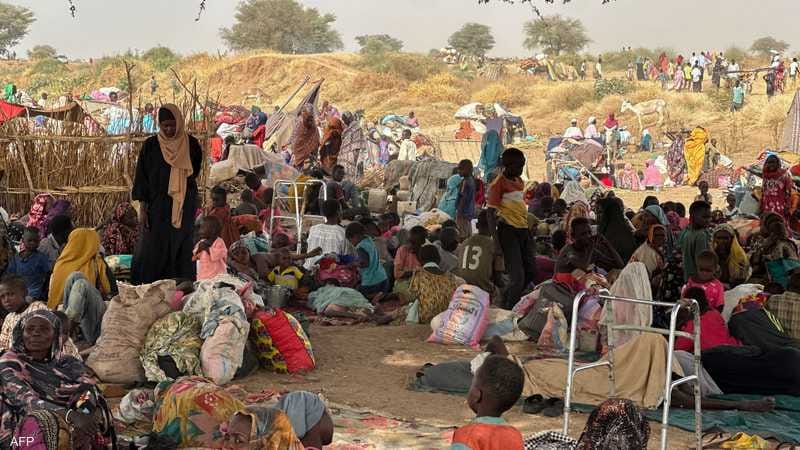
A Collapsing Health System
According to the World Health Organization:
40% of health facilities are out of service
217 attacks on healthcare facilities
Over 2,000 deaths linked to these attacks
The result: illness without treatment—and survival indefinitely delayed.
Funding Gap… When Numbers Mean Life or Death
Despite the scale of the catastrophe:
Funding covers only 16% of total needs
Health sector: just 11%
Protection sector: 14%
In simple terms: lives are being left to fate.
Conclusion
In Sudan, war is no longer breaking news—it is a daily reality reproduced through numbers.
Children without schools, women without protection, and a society being reshaped under the weight of violence and hunger.
The question is no longer: how many victims?
But rather: how much time remains before these numbers become a permanent reality?
Post your comments
Photo of the Week

Khartoum (Sudanow) — In just three days, the war in Sudan will complete its third year since it erupted on April 15, 2023. The conflict pits the Sudanese Armed Forces, supported by allied forces, against the rebel militia and its backers at both regional and international levels. Experts believe this war is no longer purely an internal affair; rather, it has evolved into...
More-

13 April, 2026
Stories from the Heart of the Battlefield War and the Growing Suffering of People with Disabilities
Khartoum (Sudanow) — As the war in Sudan enters its fourth year, and destruction has affected everyone, the suffering of people with disabilities has doubled. This vulnerable group faces severe risks due to war, displacement, and the difficulty of accessing medical and humanitarian aid, in addition to the near-total collapse of educational, medical, and rehabilitation services. To understand the scale of suffering and t...

Contact Us

Address: Sudan News Agency (SUNA) Building, Jamhoria Street, Khartoum - Sudan
Mobile:+249 909220011 / +249 912307547