


The White Army: The Backbone of the Healthcare System
19 April, 2026
Khartoum (Sudanao) — In times of war, losses are often measured in numbers. But in Sudan, a deeper loss has emerged: the injury of the very heart of the healthcare system. Hospitals are no longer mere facilities subjected to destruction; they have become frontlines of confrontation. Doctors, once symbols of healing, have become part of the tragedy itself—paying with their lives in the line of duty.
Despite this, the “White Army” has remained steadfast, resisting collapse with limited resources and redefining the meaning of responsibility at a time when the boundaries between life and death are increasingly blurred. This report documents how the healthcare system has endured targeted attacks—and what remains of it today.
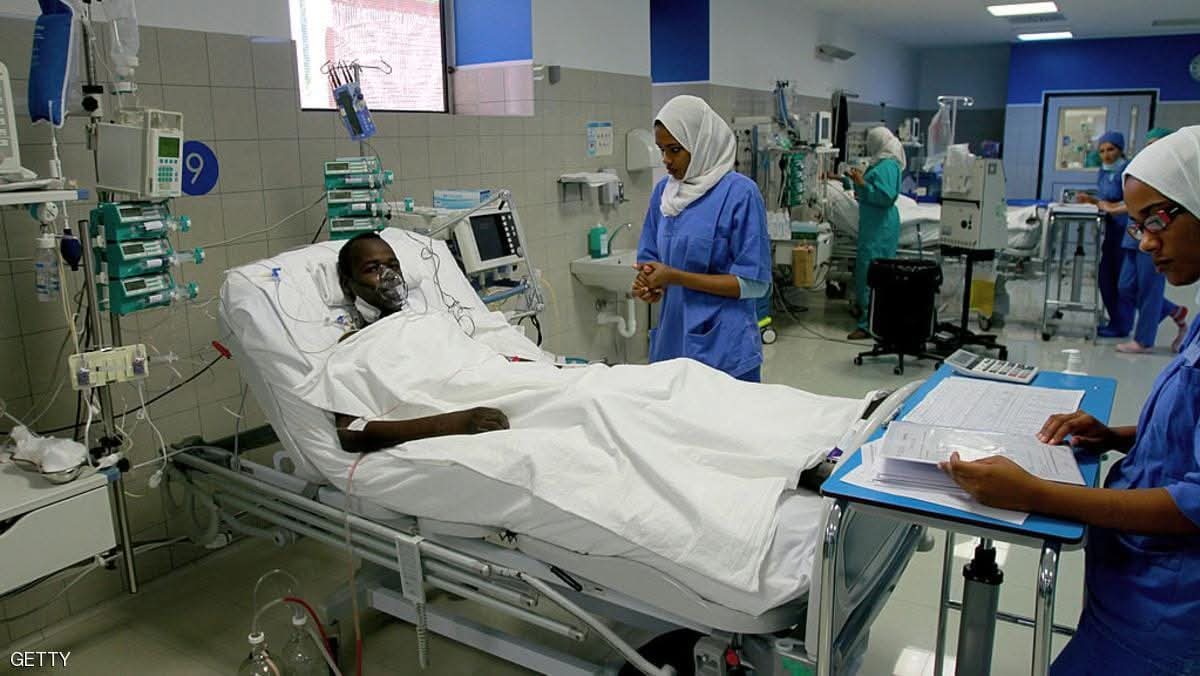
During Sudan’s war, Sudanese doctors stood alongside their army and fellow citizens, offering their lives in sacrifice for the homeland. They proved resilient and resolute. Dr. Yasser Ahmed Ibrahim, President of the General Syndicate of Medical and Health Professions in Sudan, spoke to Sudanao with profound sorrow over the devastation that has befallen the health sector and its institutions. He described it as:
“Three years of war in Sudan… a requiem for a homeland where medicine is slaughtered on the roadside of ruin.”
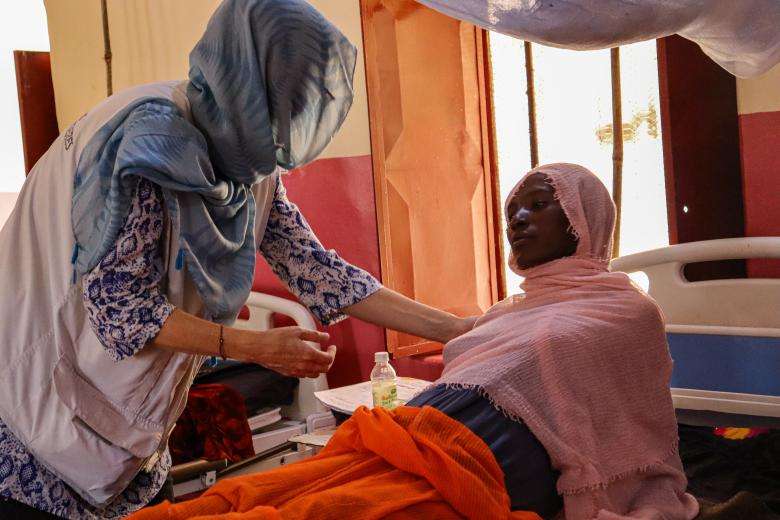
Three years have passed—years that feel like centuries of pain—since the country unraveled and descended into a dark tunnel of war, where nothing is visible but the shadows of death. Not a single home has been spared grief, not a single institution left untouched by destruction. Yet the most brutal catastrophe has been the extension of war’s flames into the very core of compassion—into hospitals, and into those who swore an oath to protect life.
In this war, the doctor is no longer a messenger of salvation but a target. The white coat is no longer a shield; it has become a mark of danger. Doctors have been killed while tending to the wounded; others have been shot without distinction between those who carry weapons and those who carry stethoscopes. Some have been injured, others detained—as though a profession devoted to saving lives has become a punishable offense.
Hospitals, once sanctuaries of healing, have been transformed into ruins groaning under the weight of looting and destruction. Across Khartoum, Al Jazirah, White Nile, Sennar, Darfur, and Kordofan, the same tragedy has repeated itself in different forms: equipment stolen, operating rooms destroyed, supplies looted, and institutions that once pulsed with life reduced to silent shells. This was not merely collateral damage in a blind war—it appeared to be a deliberate assault on the very memory of healing in this homeland.
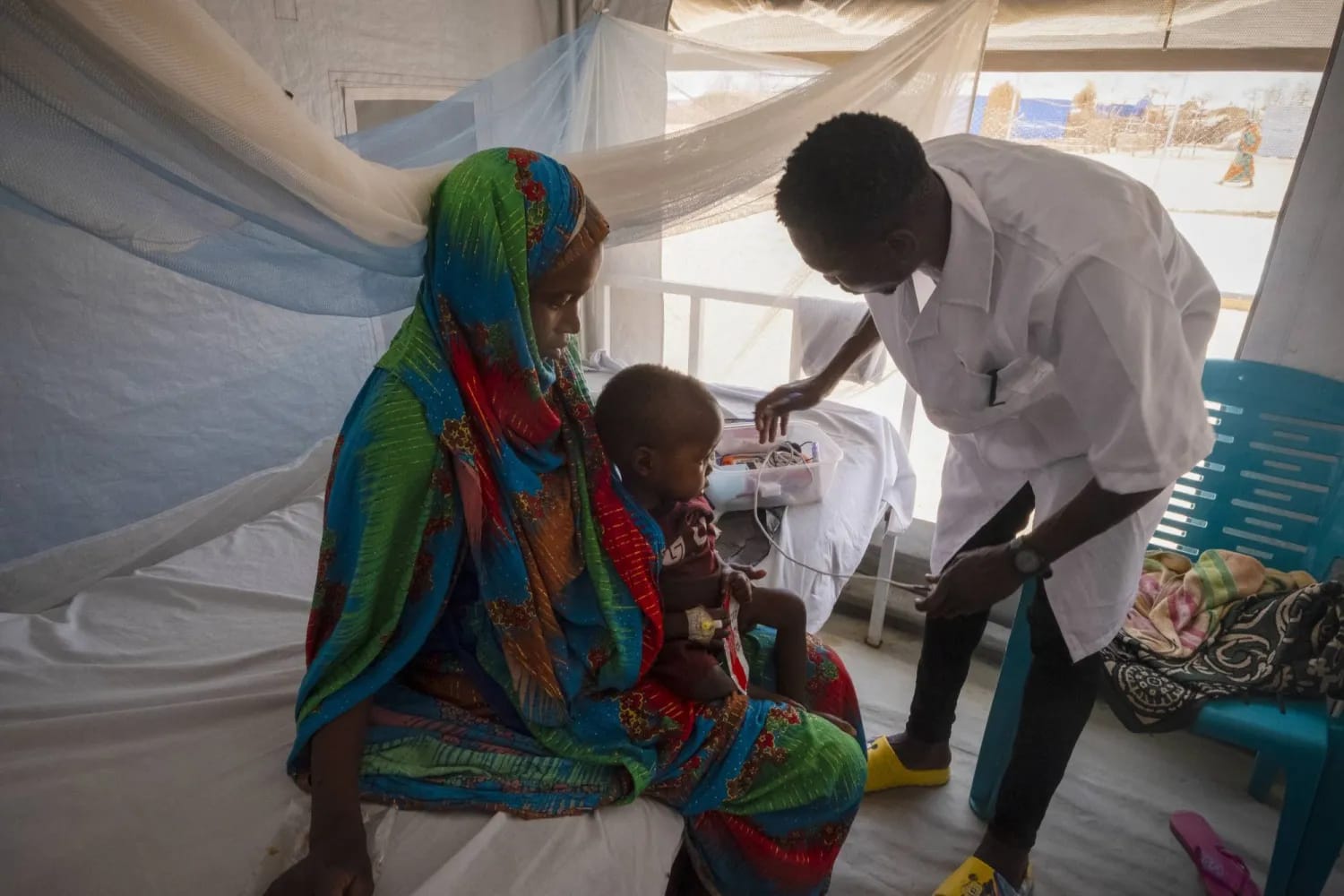
Dr. Yasser Ibrahim further explained that in areas controlled by the rebel militia, the catastrophe was even more severe and bitter. Healthcare facilities were subjected to systematic violations that forced them out of service, depriving millions of their most basic right: access to medical care. There, patients did not die solely from their wounds—but from the absence of medicine, the failure of equipment, and the complete erosion of hope.
And yet, amid the rubble, small lights refused to go out. Doctors and nurses chose to stay—not because they do not fear, but because their conscience does not permit retreat. With trembling hands from exhaustion, they treated wounds and resisted death with scarce means, writing daily chapters of silent heroism seen only in the eyes of patients who returned to life.
But heroism, no matter how immense, cannot halt collapse. In vast parts of Sudan, the healthcare system is no longer standing—it is staggering under the weight of loss: a severe shortage of medicines, a frightening spread of epidemics, and millions left on the margins of life—without care, without protection, without hope.
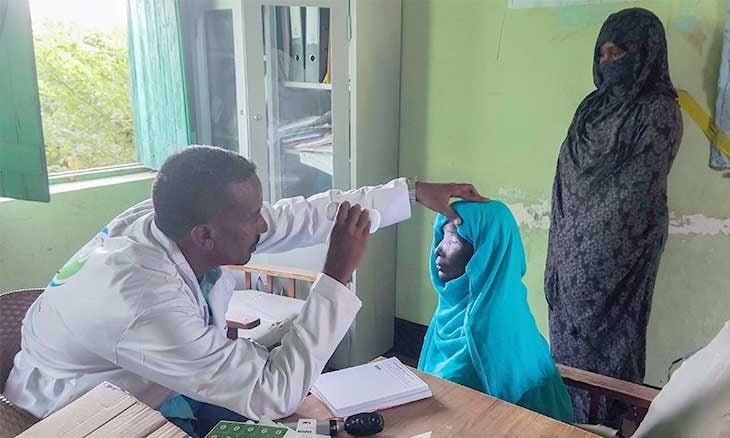
Three years on… and the question still bleeds:
How much must Sudan lose before this bleeding stops?
How many doctors must be killed before the world realizes that silence is no longer neutrality—but silent complicity in tragedy?
What has unfolded is not merely war—it is a profound fracture in the spirit of the homeland. When hospitals are violated and doctors are hunted, the message is stark and brutal: there is no longer any safe place, and no value left intact.
In closing this heavy requiem, we can only say:
When medicine is slaughtered, humanity is slaughtered with it…
And when the doctor weeps, the entire homeland weeps.
Yet we remain confident that healthcare services will rise again—stronger than before—through the will of God and the determination of the nation’s dedicated sons and daughters.
And with God’s guidance and success.
Post your comments
Photo of the Week

Khartoum (Sudanow) — In just three days, the war in Sudan will complete its third year since it erupted on April 15, 2023. The conflict pits the Sudanese Armed Forces, supported by allied forces, against the rebel militia and its backers at both regional and international levels. Experts believe this war is no longer purely an internal affair; rather, it has evolved into...
More-

13 April, 2026
Stories from the Heart of the Battlefield War and the Growing Suffering of People with Disabilities
Khartoum (Sudanow) — As the war in Sudan enters its fourth year, and destruction has affected everyone, the suffering of people with disabilities has doubled. This vulnerable group faces severe risks due to war, displacement, and the difficulty of accessing medical and humanitarian aid, in addition to the near-total collapse of educational, medical, and rehabilitation services. To understand the scale of suffering and t...

Contact Us

Address: Sudan News Agency (SUNA) Building, Jamhoria Street, Khartoum - Sudan
Mobile:+249 909220011 / +249 912307547