


Towards a New Sudanese Dawn: From the Ashes of War to the Horizon of Sustainable Stability
26 April, 2026
The past years have not been a fleeting test for the Sudanese people; rather, they have constituted an existential ordeal that has redefined the relationship between individuals and their land, between the state and its citizens, and between pain and hope. As the war enters its fourth year, a firm truth emerges: despite the wounds and losses endured, this nation has not lost its compass, nor has its will been broken. If anything, these hardships have generated a new consciousness—more mature and resilient—paving the way for a new phase defined by sustainable stability.
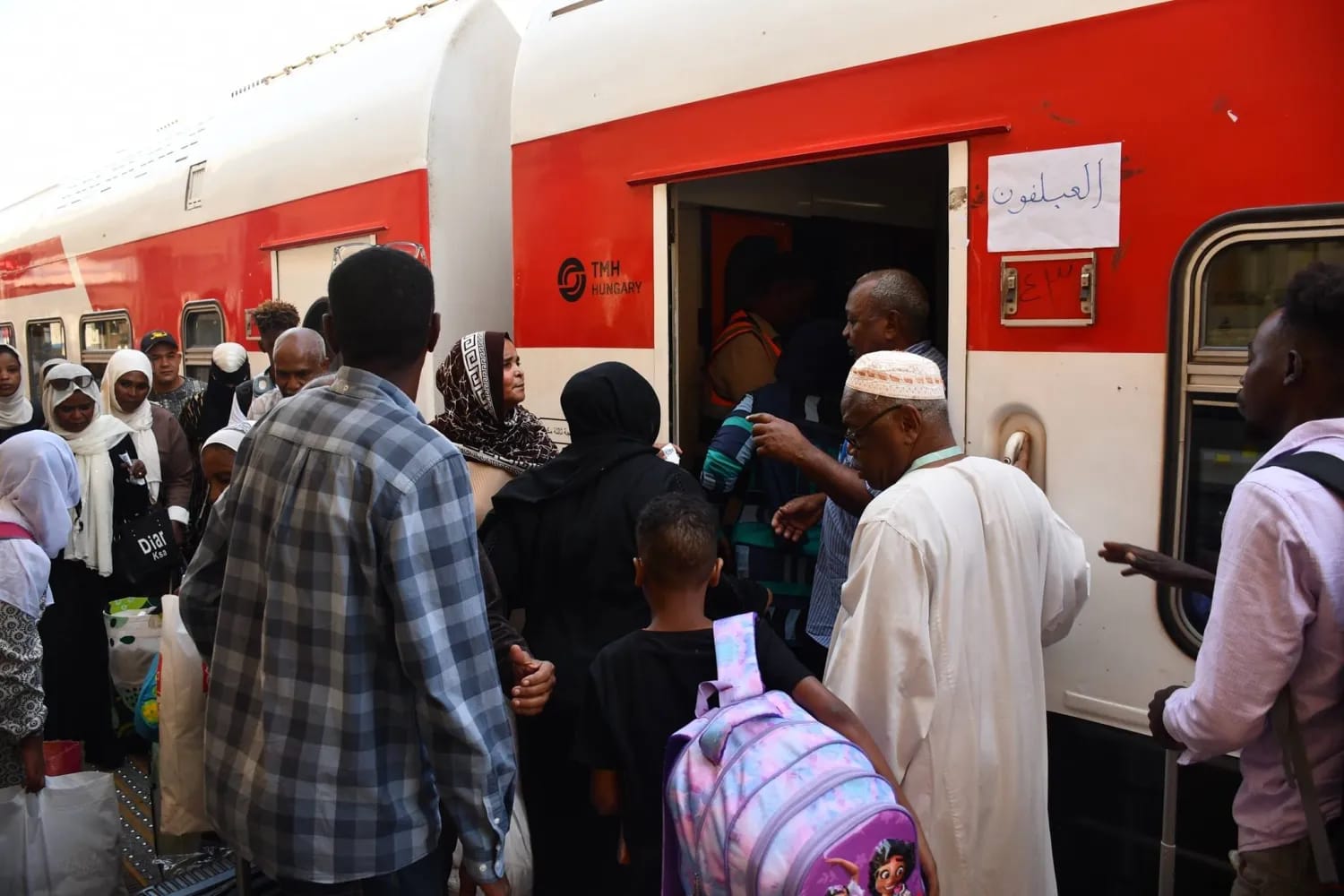
Through waves of displacement, refuge, and return, and in the face of prolonged hardship—ranging from resource scarcity to the collapse of essential services—the Sudanese people have demonstrated a latent capacity measured not only by endurance, but by their ability to rebuild from the ground up. In villages to which families have returned, in neighborhoods gradually regaining their vitality, and in cities rising from the ashes, the contours of a new Sudan are emerging—a Sudan that does not wait for miracles as much as it creates them through collective effort and self-reliance.
Yet the transition from resilience to stability requires more than determination; it demands a comprehensive national project that reorders priorities and establishes a solid foundation of trust between state and society. Central to this effort is redefining the concept of security—not merely as a military concern, but as a broader framework of human security encompassing food, health, education, public services, and dignity. A society that feels secure in its daily life is far more capable of defending its state and contributing to its reconstruction.
In this context, reforming the security and justice sectors becomes an urgent imperative. A state in which centers of power multiply or authorities overlap remains inherently fragile, regardless of its resources. What is needed is the establishment of unified, professional security institutions that serve the public, operate under civilian oversight, and are capable of enforcing the rule of law with fairness and neutrality. Likewise, revitalizing the justice system—through an independent judiciary, an effective prosecution, and sound institutional governance—is the cornerstone of any sustainable stability. There can be no enduring peace without justice that restores victims’ rights, deters violations, and holds perpetrators accountable.
Stability, however, is not built solely from the top down; it is equally shaped from the grassroots. Here lies the importance of rebuilding and strengthening the social fabric through local reconciliation initiatives and restoring trust among communities fractured by war. Sudanese experiences—from traditional community leadership to grassroots resistance committees—demonstrate that society possesses its own mechanisms for conflict resolution when given the space and support. Harnessing these experiences can help foster a more cohesive and resilient social environment, capable of withstanding the recurrence of conflict.
Economically, stability cannot be achieved without reviving production, safeguarding economic institutions, and rebuilding their systems—particularly in sectors where Sudan enjoys comparative advantages, such as agriculture and livestock. Supporting small producers, expanding access to finance and services, and rehabilitating infrastructure can generate a dynamic economic cycle that revitalizes markets and creates employment opportunities. Prioritizing domestic investment alongside, or even before, foreign capital strengthens economic sovereignty, enhances productivity, and reduces dependency on external actors.
At the heart of all these efforts lies trust—the most valuable currency. Trust between citizens and the state, between political forces and national choices, and between Sudan and its regional and international partners. This trust is not built through rhetoric, but through action: transparency in resource management, honesty in confronting challenges, and the capacity to translate promises into tangible outcomes. Every step in this direction, however modest, accumulates moral capital that paves the way for more substantial progress.
Perhaps one of Sudan’s greatest assets at this juncture is its historical memory. This is a country that—through its people and resources—has repeatedly risen from setbacks and transformed its diversity into a source of strength rather than division. From popular uprisings that reshaped the political landscape to community-driven initiatives that preserved social cohesion, there exists a reservoir of experience affirming that this nation cannot be easily defeated.
Optimism at this moment is neither a luxury nor merely an emotional appeal—it is a necessity. Nations that lose hope lose their capacity to act. Sudan today, despite its losses and suffering, still retains its ability to dream—and to transform that dream into a viable national project. The road may be long and the challenges many, but the direction is clear: toward a just civil state, a cohesive society, a productive economy, and a collective will capable of realization.
Ultimately, stability is not a final destination, but a continuous process of balancing challenges and opportunities. If the Sudanese people have endured the harsh years of war, they are equally capable—through their accumulated resilience, experience, and steadfastness—of navigating the post-war phase with greater confidence. There, on the horizon, a new Sudanese dawn begins to emerge—one that does not erase pain, but reshapes it into a driving force for building a nation worthy of its people.
Post your comments
Photo of the Week

Khartoum (Sudanow) — In just three days, the war in Sudan will complete its third year since it erupted on April 15, 2023. The conflict pits the Sudanese Armed Forces, supported by allied forces, against the rebel militia and its backers at both regional and international levels. Experts believe this war is no longer purely an internal affair; rather, it has evolved into...
More-

20 April, 2026
Stories from Inside the Battlefield At the Threshold of Waiting: Stories of Families Searching for Their Sons
Khartoum (Sudanow) — Wars are not measured by the number of wounded and dead, but by the silent voids they leave in the hearts of the living—voids created by enforced disappearance, when a person turns into an unknown number or a suspended name between hope and despair. As the war in Sudan enters its fourth year, one of its most painful tragedies is becoming increasingly evident: the issue of missing persons, which ...

Contact Us

Address: Sudan News Agency (SUNA) Building, Jamhoria Street, Khartoum - Sudan
Mobile:+249 909220011 / +249 912307547