


Barley: Food and Medicine — Bringing Happiness and Easing Sorrow
26 April, 2026
Khartoum (Sudanow)
Barley, regarded as the food of prophets and the righteous, is one of the oldest grains used by humans. It is rich in chemical compounds, minerals, and vitamins that give it both nutritional and therapeutic value. In this context, Sudanow interviewed Dr. Mohammed Osman Maysara, a consultant in community medicine and public health, an expert in alternative medicine and therapeutic nutrition, and a member of the Permanent Committee for Medicinal and Aromatic Plants. He explained:

Barley is a fundamental food that provides strength and energy. It helps calm the nerves, reduces stress and anxiety, promotes relaxation, and improves sleep quality.
Historically, barley was known among the Kushites more than 7,000 years ago as a cornerstone of life. It was a staple food used in bread-making, and its remains were found in their tombs as part of funerary rituals. It was even used by the Kushites to predict the sex of a fetus before birth—a practice some modern studies have explored.
Barley has also been used in treating coughs and inflammations. It is mentioned in various sacred texts as a staple food and a symbol of humility, blessing, and abundance. In Islamic tradition, it is associated with Talbina, a barley-based dish recommended for strengthening the heart and healing the body. It is reported that the Prophet Muhammad (peace be upon him) frequently consumed barley bread.
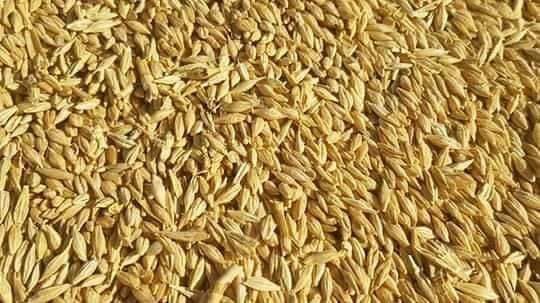
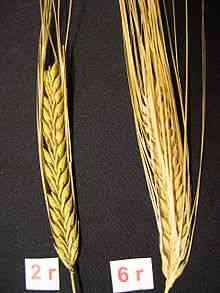
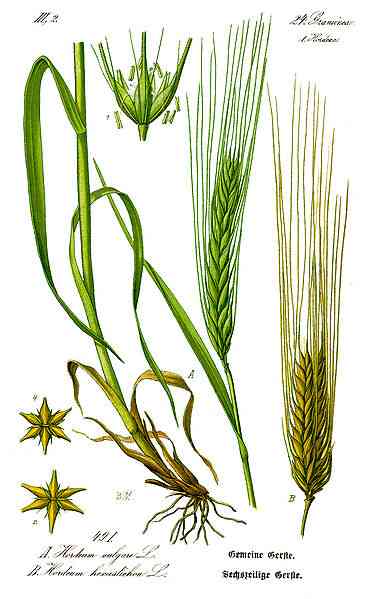
There are different types of barley, including hulled and natural varieties, both rich in soluble and insoluble fiber that support digestion, relieve constipation, and promote gut health.
In Sudan, barley grows widely in the Northern and River Nile states, as well as in parts of Kordofan and Darfur through rain-fed agriculture, and in the Gash Delta in Kassala State and parts of Al Jazirah. It is used in making bread, beverages, porridge, and Talbina, which is prepared by cooking ground barley with milk over low heat for about ten minutes.
Barley is rich in antioxidants due to its content of polyphenols, vitamins, and essential minerals such as iron, copper, phosphorus, chromium, zinc, and selenium. It also contains lignans that may help protect women against breast, ovarian, and uterine cancers. Chromium in barley can aid metabolism in people with asthma, allergies, and diabetes.
Dr. Mohammed Osman explains that barley can be considered a “maker of happiness” because it contains tryptophan, which helps produce serotonin, along with magnesium, zinc, and B vitamins. It enhances cognitive functions, strengthens memory, reduces the risk of Alzheimer’s and Parkinson’s disease, improves mood, and combats depression. It also strengthens bones due to its high calcium and phosphorus content, improves sleep, and alleviates back pain.
For young people, barley helps build muscles, boosts energy, enhances immunity, and supports sexual health. It is also beneficial for autoimmune conditions such as rheumatoid arthritis and lupus. For people with diabetes, regular consumption can help regulate blood sugar and reduce symptoms like numbness in extremities. It contributes to lowering blood pressure, reducing harmful cholesterol, and protecting against cardiovascular diseases.
Barley helps preserve cells, protect blood cells from damage, and combat oxidative stress. It may reduce the formation of kidney and gallbladder stones and support collagen production. For cancer patients, especially those undergoing chemotherapy, it is recommended morning and evening due to its antioxidant properties and potential role in preventing anemia.
The Prophet Muhammad (peace be upon him) is reported to have said: “Consume Talbina, for it soothes the heart and relieves sorrow.” Talbina—made from cooked barley with milk—is considered a hidden treasure. It is recommended for children before school, sometimes with olive oil, and for nursing mothers as it helps increase milk production. It also supports hormonal balance, alleviates post-menopausal issues, reduces hair loss, and enhances skin appearance.
However, barley is not recommended for children with autism or Down syndrome who have intestinal permeability or digestive disorders, as it contains gluten.
In conclusion, Dr. Mohammed Osman notes that barley is used in many pharmaceutical industries and chemical compounds. In traditional veterinary medicine, it is used to feed birds and horses to strengthen muscles and increase energy. Among desert communities, it remains a preferred staple due to its resilience to environmental changes and its high energy value.
He emphasizes the importance of expanding barley cultivation and increasing agricultural investment to benefit from its nutritional, medicinal, and industrial potential in food production, supplements, pharmaceuticals, and future industries.
Post your comments
Photo of the Week

Khartoum (Sudanow) — In just three days, the war in Sudan will complete its third year since it erupted on April 15, 2023. The conflict pits the Sudanese Armed Forces, supported by allied forces, against the rebel militia and its backers at both regional and international levels. Experts believe this war is no longer purely an internal affair; rather, it has evolved into...
More-

20 April, 2026
Stories from Inside the Battlefield At the Threshold of Waiting: Stories of Families Searching for Their Sons
Khartoum (Sudanow) — Wars are not measured by the number of wounded and dead, but by the silent voids they leave in the hearts of the living—voids created by enforced disappearance, when a person turns into an unknown number or a suspended name between hope and despair. As the war in Sudan enters its fourth year, one of its most painful tragedies is becoming increasingly evident: the issue of missing persons, which ...

Contact Us

Address: Sudan News Agency (SUNA) Building, Jamhoria Street, Khartoum - Sudan
Mobile:+249 909220011 / +249 912307547