


Destruction of Sudan's Memory: Damage to Museums, Historic Buildings, and Government Rescue Plans
26 April, 2026
Khartoum, (Sudanow) – Since the outbreak of war in Sudan in April 2023, the heavy toll has not been limited to lives and property but has extended to the destruction of national memory and infrastructure.
Cultural institutions, most notably the national museums and the National Records Office, have been subjected to systematic looting and destruction, described as one of the most serious cultural disasters in the country's modern history.
To assess and document these damages, Sudanow visited these museums and institutions. Our lens captured the destruction and defacement of buildings, recording damage across more than 20 museums and cultural sites throughout Sudan.
Sudanow tour began at the Sudan National Museum, considered one of the largest museums in the country, which housed approximately 100,000 artifacts covering thousands of years of Sudanese history. However, during the war, it fell under the control of the rebel militia, turning into a battlefield where tens of thousands of artifacts were looted.
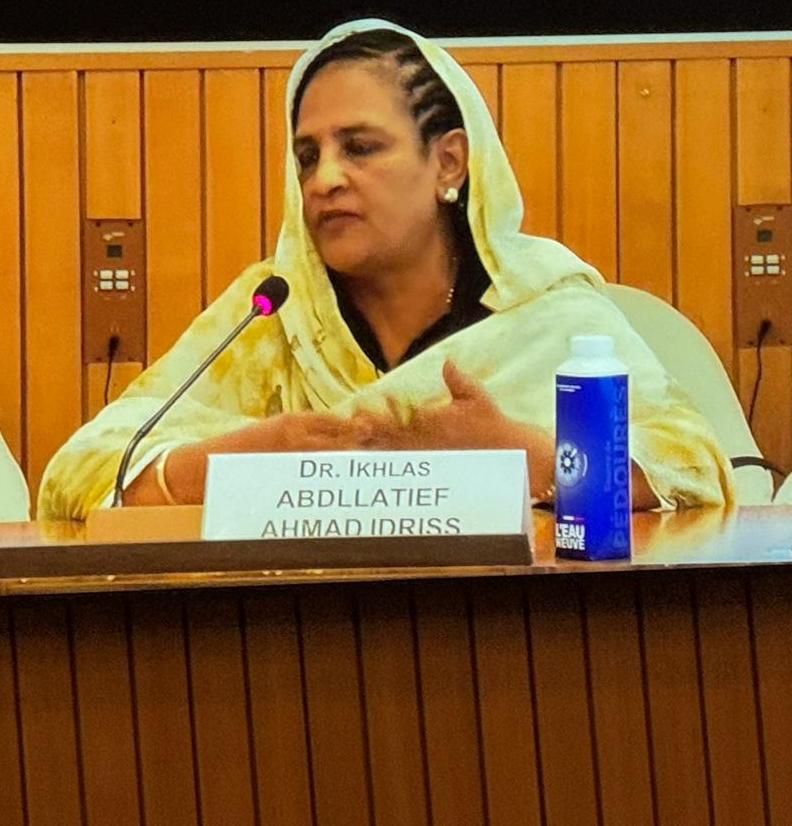
Dr. Ikhlas Abdel Latif, Deputy Director of the General Administration of Antiquities and Museums, noted that the National Museum’s storehouses, which were looted, serve as the primary repository for all of Sudan's antiquities. She added: "All the museum's holdings and collections dating back to various historical eras from the Stone Age, the Kerma civilization, Napata, Meroe, and the pre-Christian, Christian, and Islamic periods—have been stolen. The Sudan National Museum, which houses more than 100,000 artifacts, has seen its building significantly affected."
The devastation was not confined to the National Museum; other museums suffered severe damage, including the Ethnographic Museum, the Military Museum, and the Republican Palace Museum in Khartoum, all of which were subjected to destruction and looting.
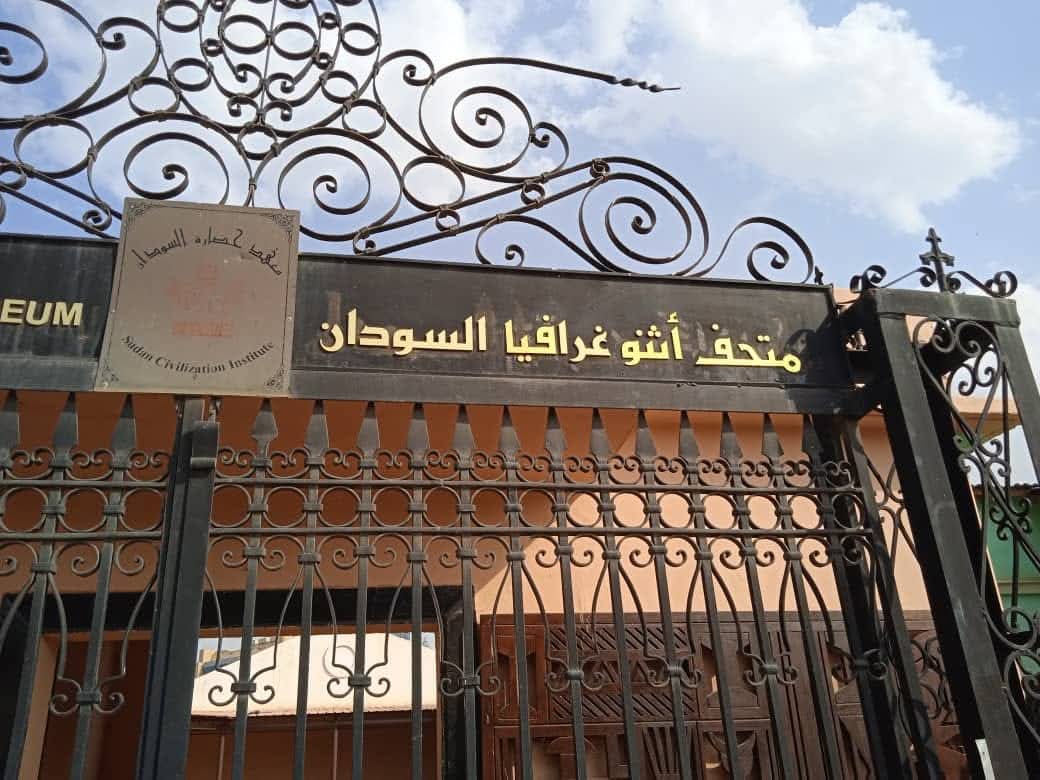
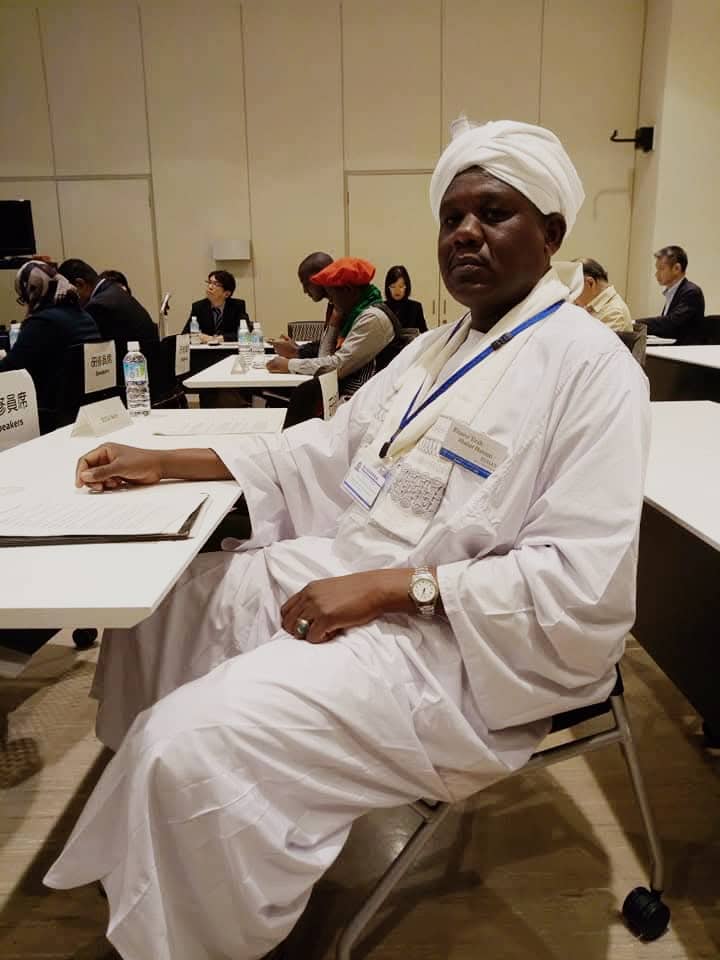
Sudanow’s lens turned to Sudan Ethnographic Museum, which was looted, vandalized, and burned. Nothing remains but a crumbling wall and a gate guarded by police officers. Dr. Al-Nazir Tairab, Director of the Sudan Ethnographic Museum, informed us that a high committee has been formed to accurately assess the current scale of damage, especially since the museum is located on University Street in the heart of the national capital, an area that witnessed numerous battles between the Sudanese Army and the rebel militia.
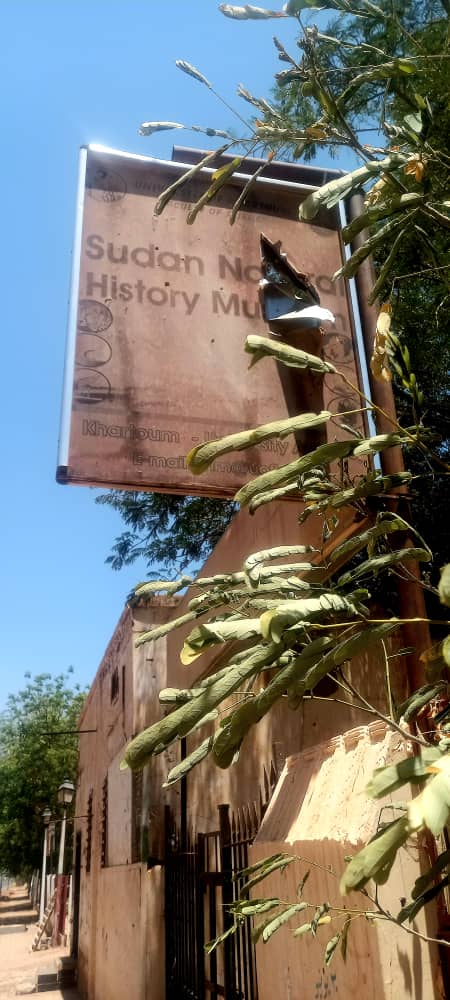
Sudanow also visited the Natural History Museum of the University of Khartoum, which was filled with rare live and taxidermied birds, reptiles, and animals. The militia’s actions led to the death of the living creatures and the disappearance of the taxidermied animals, which represented a vital treasure used in scientific research and studies.
*Sudanow* then headed to the National Records Office, the official repository for Sudanese state documents, containing political, administrative, and historical records spanning centuries. With the outbreak of war, it faced risks of intrusion and partial vandalism by the rebel militia. Preservation systems were damaged due to neglect and service interruptions. Losses of rare historical documents were recorded, and the institution lost its operational capacity for periods due to the security situation. Specialists warn that the loss of documents is not merely a material loss, but an erasure of essential sources for writing Sudanese history.
The losses were not restricted to Khartoum. The Khalifa House Museum in Omdurman suffered the loss of significant historical items, including weapons from the Mahdist era. Additionally, two museums in Darfur were affected: Nyala Museum, which was looted along with its furniture and display cases, and Sultan Ali Dinar Museum, which sustained severe structural damage.
Ali Dinar Museum was targeted by the rebel militia using long-range heavy artillery, causing damage to the building, destroying historical structures inside, and shattering glass windows. Due to the prolonged conflict, the museum’s courtyard, particularly the garden, became overgrown with weeds. This led to fires breaking out in buildings near the museum, prompting staff to coordinate the removal of vegetation to prevent further fires and protect the structure.
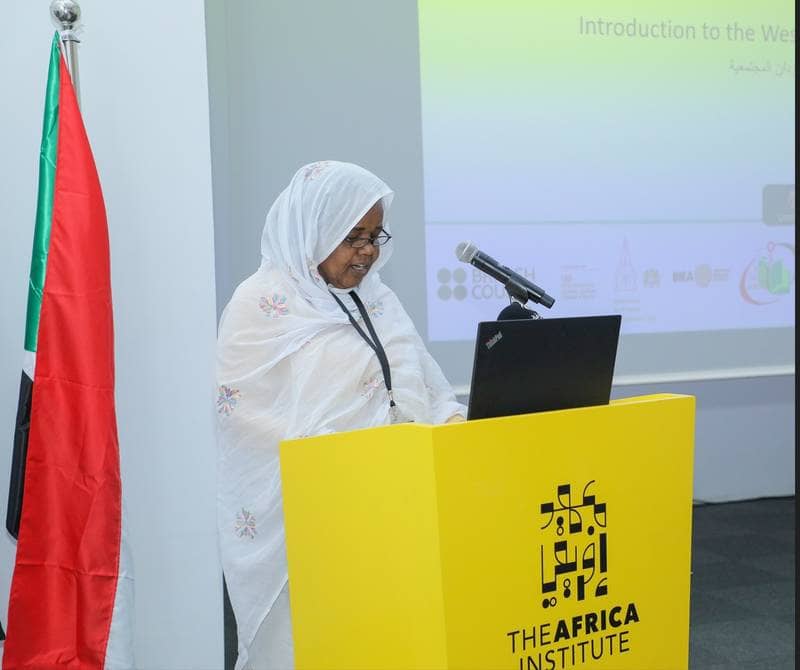
For her part, Dr. Ghalia Jar al-Nabi, Acting Director General of the National Corporation for Antiquities and Museums, stated that intelligence operations have been expanded to monitor smuggling networks internally and externally, alongside strengthening field protection measures for archaeological sites amidst complex security conditions. The government has introduced modern documentation technologies, including the creation of comprehensive digital databases for antiquities and the use of 3D imaging to preserve and document holdings.
Recent media reports indicate that the looting was not random; artifacts were transported via trucks out of the country, and items have appeared for sale online and on platforms such as eBay. The value of the looted antiquities is estimated at approximately $150 million.
UNESCO has issued repeated warnings, confirming: Widespread looting and destruction of cultural institutions. The risk of illicit trafficking in Sudanese heritage. And the necessity for urgent international action to protect what remains.
Experts believe that what occurred transcends traditional looting, amounting to an attempt to erase Sudan's cultural identity, destroy the state's historical record, and weaken the collective memory of future generations. The International Council of Museums (ICOM) has condemned these violations, warning against the entry of stolen pieces into the global market.
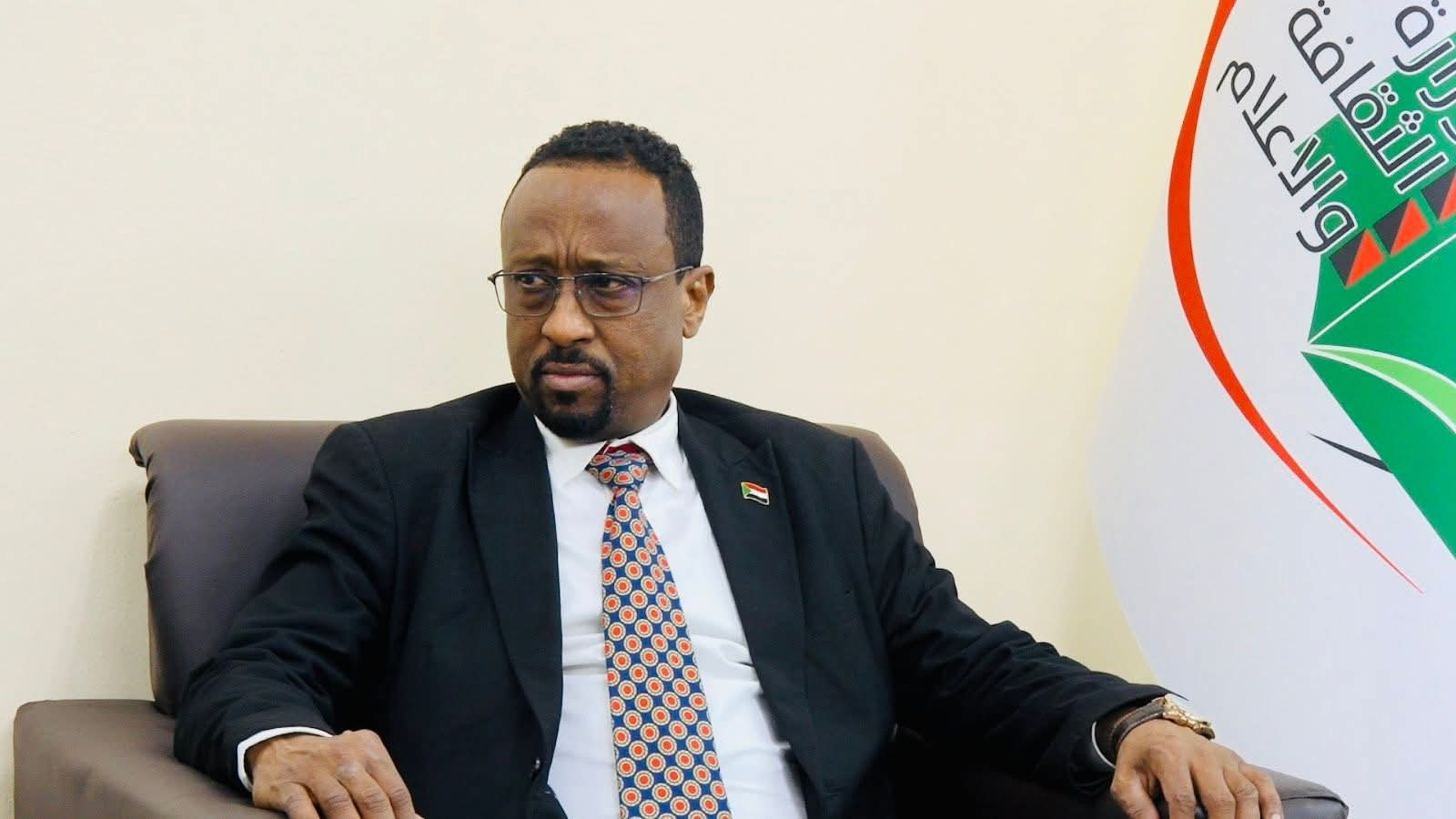
Facing this catastrophe, Mr. Khalid Al-Aisar, Minister of Tourism, Culture, and Information, emphasized that the scale of destruction in the heritage sector is "unprecedented." The government has begun a comprehensive inventory of damages and missing items, while efforts are underway to secure remaining holdings and documents, with coordination ongoing with international bodies to recover the antiquities.
The damage to the National Records Office and Sudanese museums represents a cultural disaster of deep historical proportions, as parts of Sudan's memory spanning thousands of years have been lost. While the government exerts efforts to contain the crisis, the recovery of looted heritage and the rebuilding of cultural institutions remain contingent on ending the war and activating broad international cooperation.
Post your comments
Photo of the Week

Khartoum (Sudanow) — In just three days, the war in Sudan will complete its third year since it erupted on April 15, 2023. The conflict pits the Sudanese Armed Forces, supported by allied forces, against the rebel militia and its backers at both regional and international levels. Experts believe this war is no longer purely an internal affair; rather, it has evolved into...
More-

20 April, 2026
Stories from Inside the Battlefield At the Threshold of Waiting: Stories of Families Searching for Their Sons
Khartoum (Sudanow) — Wars are not measured by the number of wounded and dead, but by the silent voids they leave in the hearts of the living—voids created by enforced disappearance, when a person turns into an unknown number or a suspended name between hope and despair. As the war in Sudan enters its fourth year, one of its most painful tragedies is becoming increasingly evident: the issue of missing persons, which ...

Contact Us

Address: Sudan News Agency (SUNA) Building, Jamhoria Street, Khartoum - Sudan
Mobile:+249 909220011 / +249 912307547