


Distance Learning: A Lifeline for Students in Wartime Sudan
28 April, 2026
Khartoum – Sudanow
“Educate the youth with knowledge that illuminates the paths of life—and before knowledge, instill morals.” This timeless line reflects the true purpose of education as both intellectual and ethical development. Knowledge and education remain essential pillars for the progress of nations. Within schools and universities, students receive not only academic instruction but also values that shape their character. Today, education is delivered through multiple pathways: traditional in-person learning and distance learning through platforms such as WhatsApp and Telegram.
While in-person education is widely preferred, various circumstances—most notably conflict and war—have made distance learning a necessity.
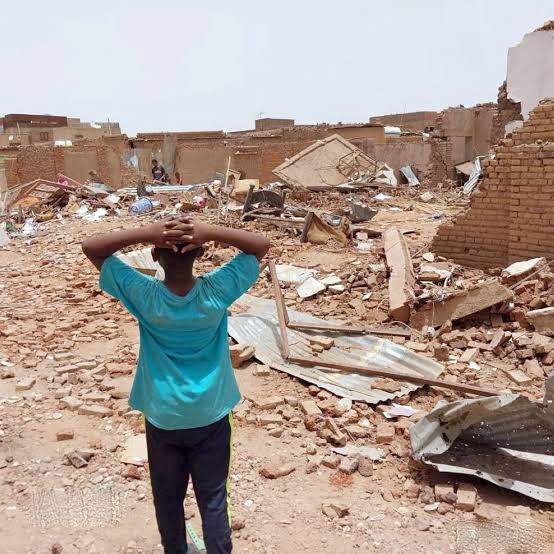
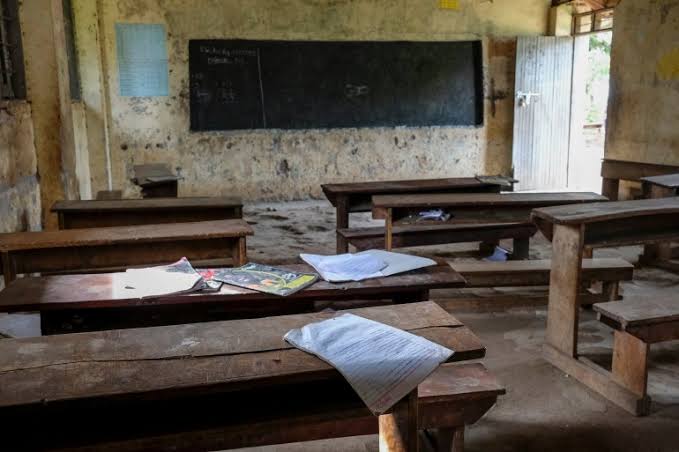
In Sudan, distance education has emerged as a lifeline for students fleeing the devastating effects of an ongoing war that has now entered its fourth year. The conflict has caused unprecedented destruction to the country’s educational infrastructure. Many schools and universities have been damaged or destroyed; some have been converted into shelters for displaced people, while others have been used for military purposes.
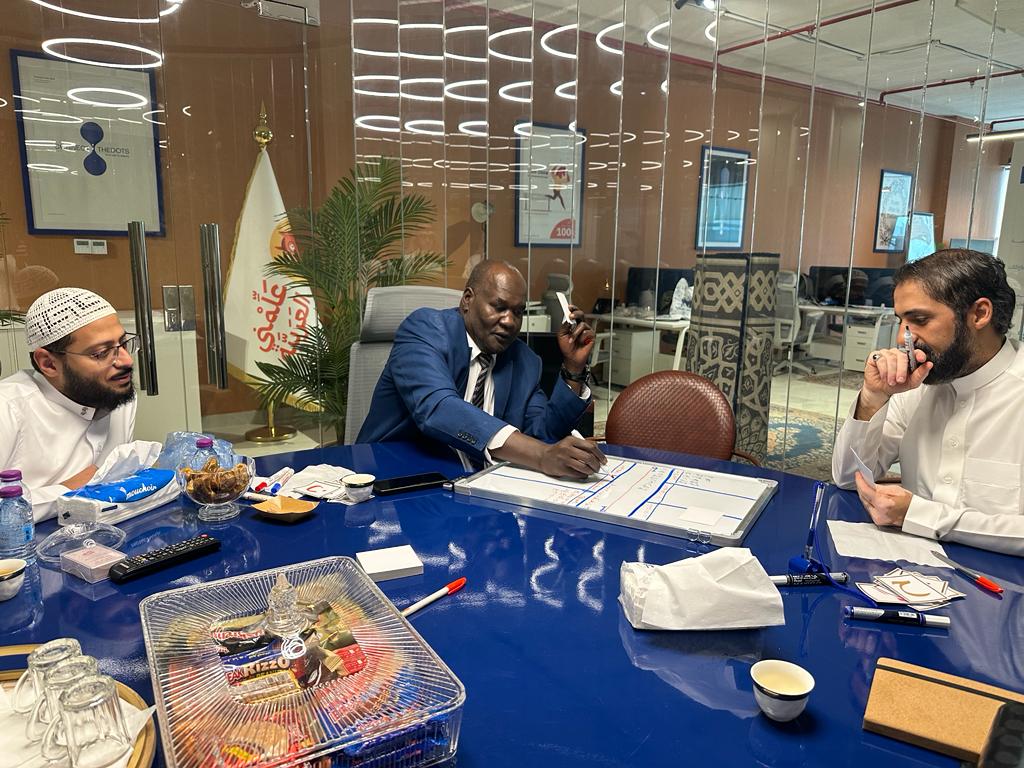
In this context, Sudanow spoke with Dr. Osama Do Al-Bait, a specialist in English language pedagogy. He explained that the shift to distance learning is driven by several key factors. Foremost among them is insecurity and physical danger. In many conflict-affected areas, traditional classrooms are no longer safe for students or teachers, making virtual learning environments the safest and most practical alternative.

Dr. Osama also highlighted the destruction of infrastructure, which has rendered many educational institutions unusable. In addition, widespread displacement has scattered students and teachers across different regions and even outside the country. Distance learning has therefore become the only viable means of reconnecting educators with their students regardless of location.
Another critical factor is the need to ensure continuity in education. Without alternative solutions, entire academic years risk being lost. Distance learning has thus become an essential tool to preserve learning and prevent educational disruption.
Challenges in the Sudanese Context
Despite its importance, distance learning in Sudan faces serious challenges that require innovative solutions. Among the most pressing issues are unstable internet connectivity across large parts of the country and frequent electricity outages, which make it difficult to use and charge devices needed for learning.
The economic situation further complicates access, as many families struggle to afford internet data packages. These combined factors significantly limit the effectiveness and accessibility of remote education.
Dr. Osama emphasized that the war has not only disrupted traditional educational institutions but has forced a fundamental restructuring of how knowledge is delivered. Distance learning, he noted, has become the primary lifeline sustaining education for entire generations.
Rising Demand for Education
There is currently a strong demand for reliable education in Sudan. Student participation in distance learning is notably high, especially among those seeking academic or professional continuity. Parents, while more cautious, are deeply eager for any initiative that ensures their children continue learning and remain engaged in meaningful activities.
However, completing academic curricula under current conditions remains extremely difficult. While students are highly motivated, their ability to maintain consistent engagement is constrained by circumstances beyond their control. Sudanese students are not unwilling to learn—they are constrained by reality.
Advantages and Disadvantages
Distance learning offers several advantages. It enables access to education regardless of location, reduces costs associated with transportation and physical infrastructure, and provides flexibility, allowing students to learn at times that suit their circumstances. It also supports the use of diverse educational resources, including video and audio materials, and allows educators to reach larger audiences efficiently.
At the same time, there are notable disadvantages. The absence of direct human interaction can hinder the development of social skills. The digital divide remains a major barrier, as not all students have access to reliable internet or appropriate devices. Additionally, the cost of connectivity and electricity can place a financial burden on families.
Other challenges include difficulties in maintaining academic discipline, reduced real-time interaction, and the need for strong self-directed learning skills.
A Strategic Lifeline
Dr. Osama concluded that distance learning has played a crucial role in preserving education in Sudan during the war. It is not merely a technical alternative, but a strategic lifeline that protects younger generations from intellectual and social loss. In the absence of functioning educational institutions, the priority has shifted from traditional teaching to safeguarding the continuity of learning itself.

A Message to Students
In his closing remarks, Dr. Osama addressed his students:
“To my dear students who have been forced away from their classrooms, I know your hearts are filled with a desire for knowledge, and your ambitions are greater than any challenge. Do not allow these circumstances to extinguish your hope. Being away from school does not mean being cut off from education. Knowledge is a light that resides within the mind, and seeking it during difficult times is one of the highest forms of courage.
Remember that this hardship will pass. The patience and determination you show today will shape your success tomorrow. I stand with you—not only as a teacher, but as a bridge to your goals. Do not stop trying, and never hesitate to seek support. You are the generation of the future and the pride of your nation.”
Post your comments
Photo of the Week

Khartoum (Sudanow) — In just three days, the war in Sudan will complete its third year since it erupted on April 15, 2023. The conflict pits the Sudanese Armed Forces, supported by allied forces, against the rebel militia and its backers at both regional and international levels. Experts believe this war is no longer purely an internal affair; rather, it has evolved into...
More-

20 April, 2026
Stories from Inside the Battlefield At the Threshold of Waiting: Stories of Families Searching for Their Sons
Khartoum (Sudanow) — Wars are not measured by the number of wounded and dead, but by the silent voids they leave in the hearts of the living—voids created by enforced disappearance, when a person turns into an unknown number or a suspended name between hope and despair. As the war in Sudan enters its fourth year, one of its most painful tragedies is becoming increasingly evident: the issue of missing persons, which ...

Contact Us

Address: Sudan News Agency (SUNA) Building, Jamhoria Street, Khartoum - Sudan
Mobile:+249 909220011 / +249 912307547