


A Conversation with Damoos on the State of Sudanese Children’s Literature
03 May, 2026
Khartoum, (Sudanow) _ "A children’s writer spends his days, months, and years working for the child. Generations change, but he remains. The little ones grow up, and he writes for new little ones who are always emerging. He never forgets them. He lives for them, nourishes their dreams, and gently guides them toward what benefits and delights them."
This statement captures the essence of children’s literature—stories, tales, illustrations, and oral narratives—that form its foundation.
It is a genre of great sensitivity and importance, carrying religious and moral messages upon which societies are built.
Sudanow interviewed children’s literature writer Hatim Al-Amin Damoos to discuss the reality of this field in Sudan, the impact of war, and his vision for future development. The conversation yielded a wealth of insights.
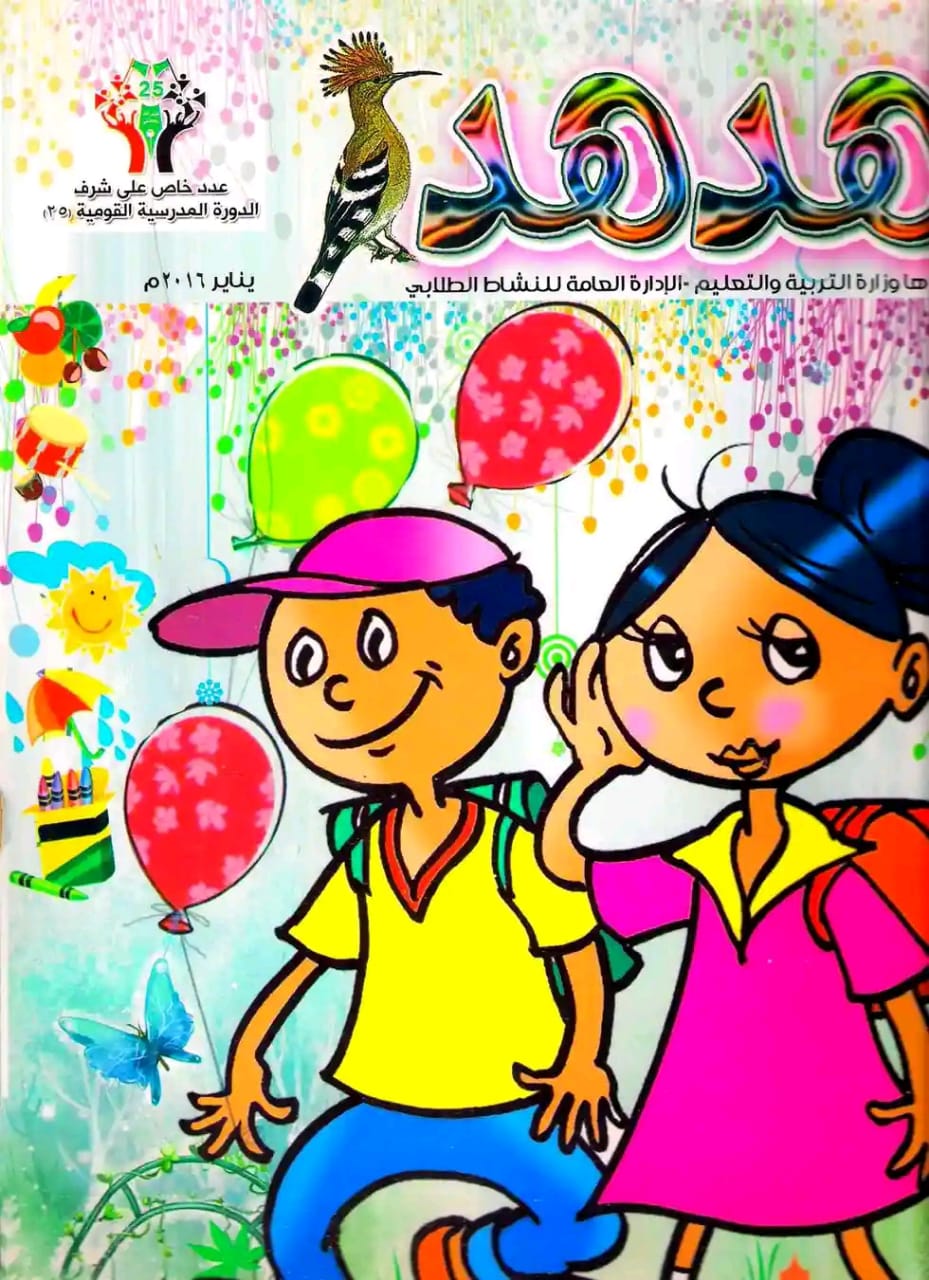
Damoos began with sorrow over the current state of Sudanese children’s literature, which, he noted, reflects the broader decline across the Arab world. The rise of audiovisual media has captivated children and adults alike, while economic challenges have led to the decline of children’s magazines and newspapers.
He emphasized the richness of Arab-Islamic and Sudanese cultural heritage as a source of inspiration for writers, illustrators, and storytellers. Despite the hardships of war, he believes creativity will not diminish but rather flourish if given proper support. He called on the state to intervene with funding and legislation to encourage children’s publishing.
Damoos explained: Although Sudan has lost many pioneering writers and illustrators, new generations have learned from them and are capable of carrying the torch. Young talents are now harnessing digital tools to produce artistic works for magazines, books, and cartoons. Many promising youth initiatives are already emerging.
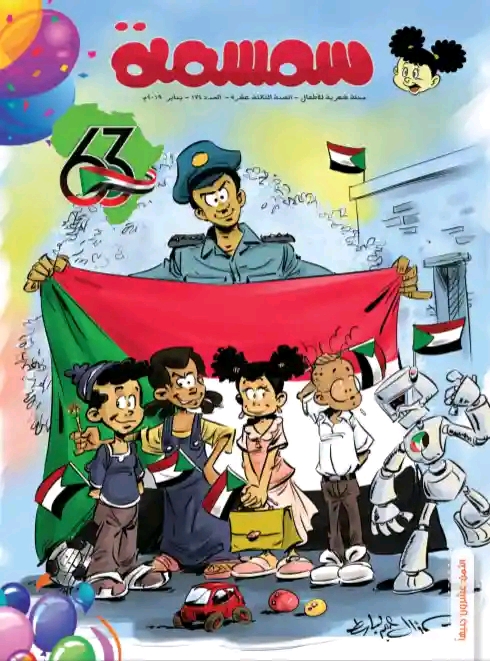
Looking ahead, Damoos sees:
- Sudanese youth across the globe contributing to international and regional art and literature.
- A generation of writers, artists, activists, and documentarians dedicated to children’s literature.
- The continued influence of pioneering figures who inspire younger generations.
- A wide audience of Sudanese readers who cherish children’s literature.
Yet, the greatest challenge remains the children themselves. With most Sudanese children’s magazines suspended due to war and economic instability, young readers are largely unfamiliar with their own literary heritage. Since the early 2000s, children’s attention has shifted toward television, mobile games, and sports, leaving reading behind.
Historically:
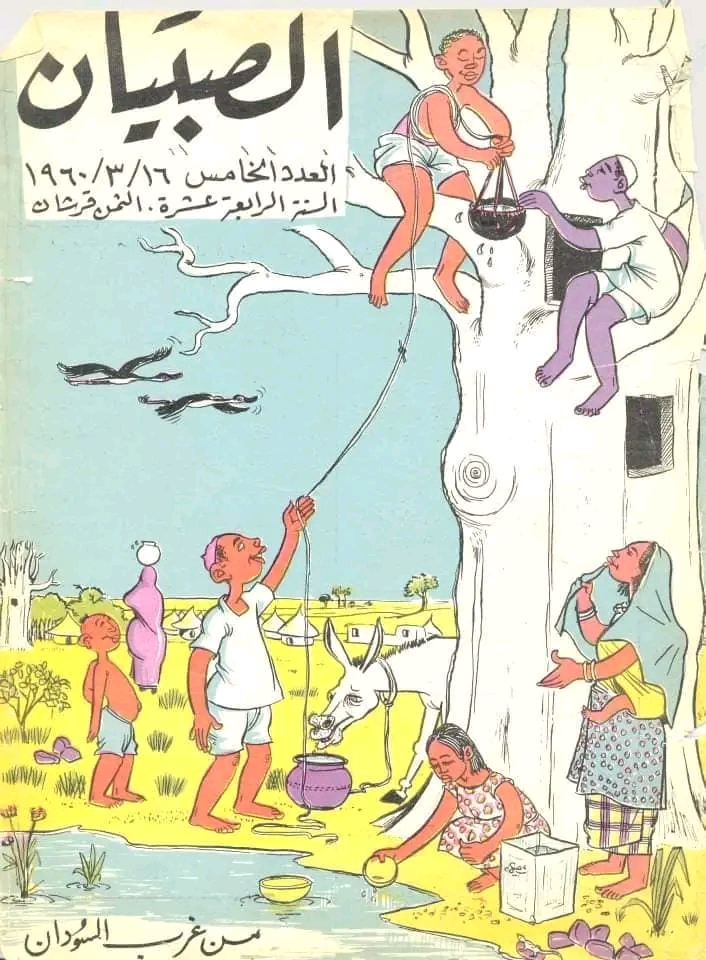
Sudan was a pioneer in children’s publishing. In 1946, it launched Al-Sibyan, the first specialized educational children’s magazine in the Arab and African world. Over time, around 40 publications followed, though most have since ceased. Recent ventures include Azza (now suspended), Koshka (digital), and Nouri, which features Sudanese-style manga. Ahabab Al-Muwasafat magazine, issued by the Sudanese Standards and Metrology Organization, continues to publish.
Sudanese Writers and Illustrators:
Sudanese artists such as Hassan Ali Ahmed and Salah El-Mur have showcased their work in European markets, while many educators and writers have contributed to children’s literature across Libya, Saudi Arabia, Yemen, Egypt, and the Gulf.
Initiatives and Aspirations:
Damoos highlighted past initiatives, such as the Sudanese visual artists’ campaign to revive the Children’s Library, drawing on Sudanese folklore to instill identity and values. The French Cultural Center supported these efforts. The University of Khartoum Press also launched a project to revive its children’s section.
Pressing Issues:
The field faces challenges in defining what constitutes authentic children’s literature and suitable illustrations. Not every writer who claims the title truly meets the standards. As caricaturist Ahmed Al-Rashid noted, writing for children requires specific skills and criteria, which are lacking in Sudan. Arab critics have categorized children’s writers into specialists, contributors, and occasional writers, but ultimately, the true measure is the child’s reception.
Future Priorities:
Damoos calls for unifying the vision of Sudanese children’s writers and artists, advancing serious initiatives, and engaging the Ministry of Culture and Information to support publishing and revive children’s magazines.
About Damoos:
Hatim Al-Amin Damoos Haj Al-Hassan, born in Halfaiat Al-Muluk, Khartoum North, in 1977, is a writer, researcher, and documentarian. He won first place in the Arab Short Story Contest (Egypt, 2022). A graduate of Omdurman Islamic University’s Journalism and Publishing Department, he has worked at the Sudanese Ministry of Culture since 2005. Passionate about art and reading since childhood, he focused his master’s research on children’s journalism in Sudan. His stories and illustrations have appeared in various newspapers and magazines. In 2026, he published a young adult novel, The Kidnapping of a Poet, with Shaan Publishing in Jordan. He also manages cultural pages online, including Hatoomi Al-Zarif and My Dear Kids.
In Conclusion: Launching new children’s publications is never easy, but despite challenges, fresh projects continue to emerge, bringing joy to young readers and fulfilling the aspirations of Sudanese writers and illustrators. Children’s literature remains a vital bridge between generations, and its supporters remain steadfast in their devotion.
Post your comments
Photo of the Week

Khartoum (Sudanow) — In just three days, the war in Sudan will complete its third year since it erupted on April 15, 2023. The conflict pits the Sudanese Armed Forces, supported by allied forces, against the rebel militia and its backers at both regional and international levels. Experts believe this war is no longer purely an internal affair; rather, it has evolved into...
More-

20 April, 2026
Stories from Inside the Battlefield At the Threshold of Waiting: Stories of Families Searching for Their Sons
Khartoum (Sudanow) — Wars are not measured by the number of wounded and dead, but by the silent voids they leave in the hearts of the living—voids created by enforced disappearance, when a person turns into an unknown number or a suspended name between hope and despair. As the war in Sudan enters its fourth year, one of its most painful tragedies is becoming increasingly evident: the issue of missing persons, which ...

Contact Us

Address: Sudan News Agency (SUNA) Building, Jamhoria Street, Khartoum - Sudan
Mobile:+249 909220011 / +249 912307547