


Suspending Imports: Skipping the Necessary Steps
03 May, 2026
Khartoum (Sudanow) — The discussion about the deterioration of the exchange rate in our country is no longer an elite debate; it has become a daily description of a nation where purchasing power is eroding and economic security is fading with every new surge in the value of the dollar. Yet the real danger does not lie in the rise itself, but in the insistence on treating its consequences rather than its root causes, and in making decisions that appear decisive on the surface while, in reality, are disconnected from the broader context of solutions.
Sudan has never truly suffered from a lack of resources; its crisis has always been one of resource management. The very dollars we struggle over today are leaving beneath our feet every day. For example, they exit in the form of gold that never reaches state institutions, leak through transfers that bypass the banking system, and are recycled within a parallel market. Here lies the painful paradox: the state is not losing the exchange rate battle because it lacks resources, but because it fails to preserve what it already has.
In this context, decisions to suspend imports may be understandable in terms of intent, but they remain incomplete in sequencing. One cannot restrict inflows before fixing outflows, nor close the doors of demand before securing sources of supply. When such decisions are taken without adequate preparation, they lead to more dangerous outcomes: rising prices, increased smuggling, and the emergence of monopolies that exploit scarcity. At that point, the decision shifts from being a reform tool to becoming an additional burden on an already strained economy.
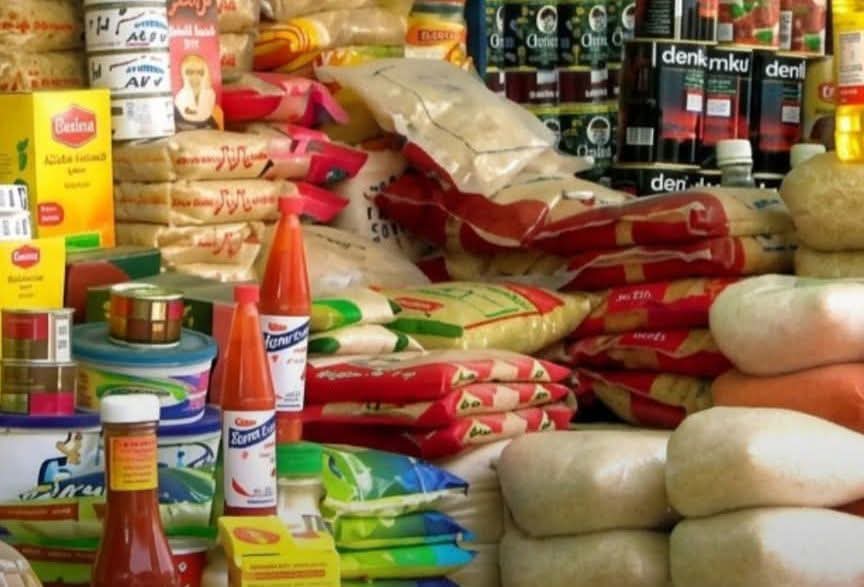
The core of the crisis does not lie in imports, but in the leakage of resources, weak domestic production, and the lack of trust in the financial system. The correct path, therefore, is to rebuild a solid foundation before imposing any restrictions—foremost among these steps is a serious move toward reclaiming sovereign resources, particularly gold.
Gold is currently managed with an approach that lacks economic maturity, effectively pushing producers toward the parallel market and smuggling, where prices are higher and procedures are easier. The solution is not purely security-based, nor does it lie in crackdowns or restricting production. Instead, it requires changing the equation: the state must move toward mining areas, encourage investment, open branches of the central bank, and establish gold exchanges in production zones. It should purchase at global prices, connect local markets to international ones, shorten the path to producers, and eliminate pricing chaos that fuels smuggling. Beyond that, gold should be transformed into a reserve within the central bank, used as a tool for stability rather than a source of short-term revenue.
Gum arabic is no less important than gold. Sudan leads the world in its production, yet its value is lost when exported in raw form without undergoing sorting, cleaning, and processing stages that meet international standards. Every missing step in this chain represents lost revenue. Establishing real processing centers and organized exchanges in production areas would maximize returns, transforming gum arabic from a traditional activity into a strategic sector that supplies the economy with foreign currency. The same applies to Sudan’s vast natural resources—agricultural, mineral, livestock, and more.
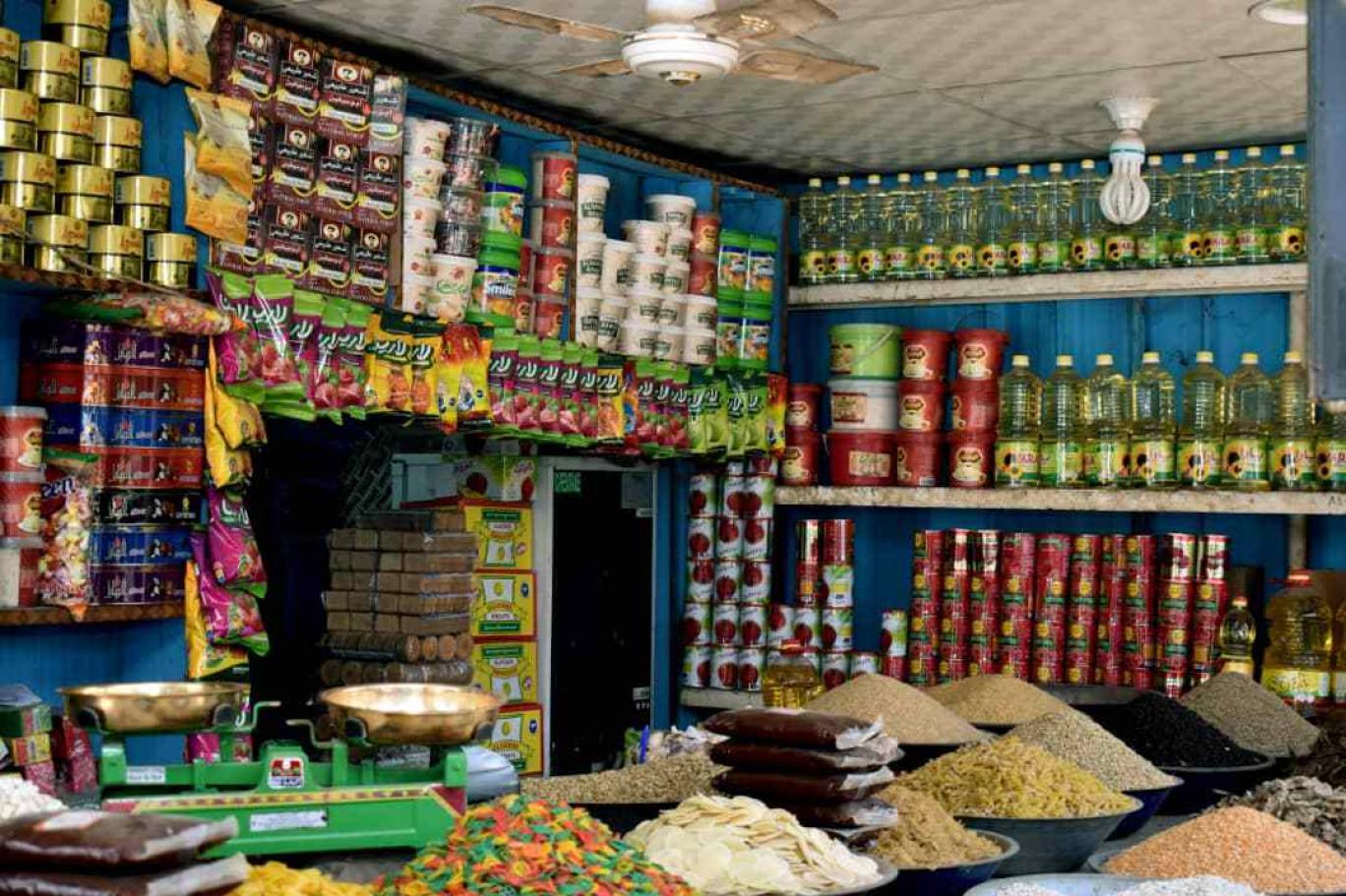
The dollar also comes from a crucial but often overlooked sector: expatriates. This major economic actor has remained present in reality but absent in planning—not because expatriates refuse to support their country, but because they lack incentives to do so through official channels. Their simple logic is: where is the best rate, and where are the easiest procedures? When these are not found within the banking system, they naturally turn to the parallel market, even at the expense of the national economy. One solution is to restore expatriate remittances by offering a competitive exchange rate and smart incentives that link transfers to tangible benefits. Only then will transferring money through banks become an attractive choice rather than a sacrifice.
When resources are reclaimed, production is strengthened, trust is restored, and financial flows are redirected into the state, only then does restricting imports become a logical step—indeed, a necessary one—to protect what has been built. Before that, however, it is merely a leap over essential stages. A currency does not stabilize by restricting what comes in, but by properly managing what is already owned.
Post your comments
Photo of the Week

Khartoum (Sudanow) — In just three days, the war in Sudan will complete its third year since it erupted on April 15, 2023. The conflict pits the Sudanese Armed Forces, supported by allied forces, against the rebel militia and its backers at both regional and international levels. Experts believe this war is no longer purely an internal affair; rather, it has evolved into...
More-

20 April, 2026
Stories from Inside the Battlefield At the Threshold of Waiting: Stories of Families Searching for Their Sons
Khartoum (Sudanow) — Wars are not measured by the number of wounded and dead, but by the silent voids they leave in the hearts of the living—voids created by enforced disappearance, when a person turns into an unknown number or a suspended name between hope and despair. As the war in Sudan enters its fourth year, one of its most painful tragedies is becoming increasingly evident: the issue of missing persons, which ...

Contact Us

Address: Sudan News Agency (SUNA) Building, Jamhoria Street, Khartoum - Sudan
Mobile:+249 909220011 / +249 912307547