


Okra: Queen of the Sudanese Table and a Natural Remedy for All
10 May, 2026
KHARTOUM (Sudanow) — Okra is considered one of the most important crops in Sudan, where it is widely cultivated across all states, including Al Jazirah, White Nile, Blue Nile, Northern State, River Nile, Kordofan, and Khartoum. It has also been successfully grown in household gardens.

Okra is distinguished by its many remarkable properties and its high nutritional and medicinal value. To learn more about these benefits, Sudanow interviewed Dr. Mohamed Osman Maysara, a consultant in community medicine and public health, an expert in traditional and complementary medicine, a member of the Permanent Committee for Medicinal and Aromatic Plants, and head of the committee responsible for establishing schools of alternative and integrative medicine at the Ministry of Health.
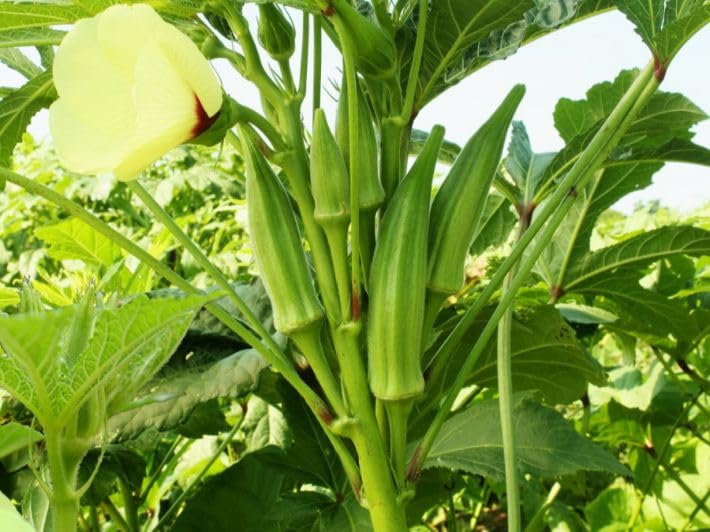
Dr. Mohamed explained that okra is a common summer crop with exceptional nutritional value, rich in chemical compounds, dietary fiber, vitamins, and minerals. It contains protein, zinc, calcium, folic acid, and B vitamins, and is an important source of phosphorus, iron, magnesium, selenium, and manganese. It also contains vitamins E, K, and A, beta-carotene, antioxidants, and anti-inflammatory compounds such as flavonoids, polyphenols, pectin, quercetin, and anthocyanins.
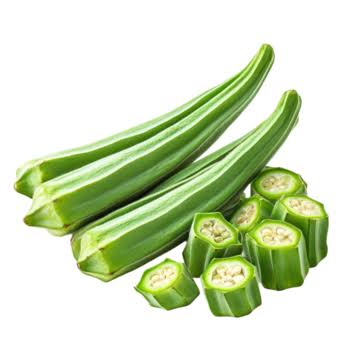
According to him, these compounds help fight free radicals, suppress cancer development, improve energy levels, strengthen the nervous system, reduce depression, and improve sleep quality. Okra also helps cleanse the digestive system of toxins, supports liver and kidney health, lowers high blood pressure and cholesterol, protects the heart’s blood vessels and arteries, stimulates bowel movement, relieves chronic constipation, supports beneficial gut bacteria, and expels worms, parasites, and fungi from the digestive tract.
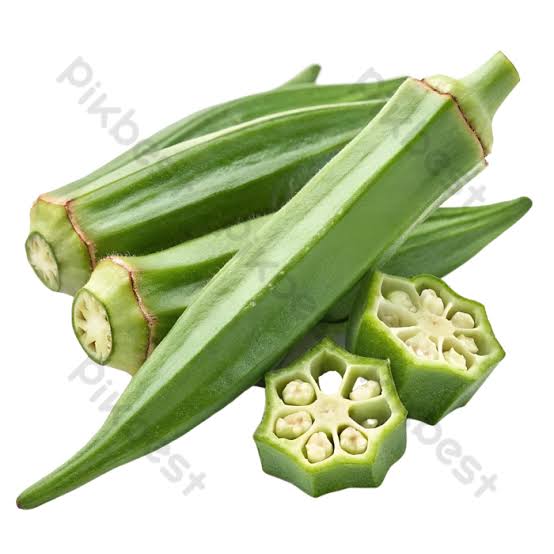
He added that okra may help protect against irritable bowel syndrome, improve lung and skin health, assist in weight loss, enhance skin radiance, prevent hair loss, add shine to hair, reduce acne, and contribute to a more youthful appearance. Due to its vitamin C content, it also strengthens the immune system.
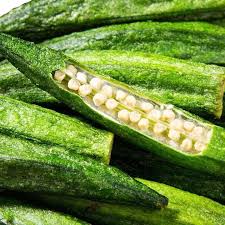
Dr. Mohamed noted that okra is among the favorite foods of astronauts and may help support mental well-being during environmental and climate changes. It can be consumed fresh or dried in many forms, including soups, cooked dishes, infusions, grilled meals, juices, and salads with olive oil.
He pointed out that the Nile Basin is believed to be the original homeland of okra, with evidence found in temple carvings and Kushite inscriptions dating back nearly 7,000 years. It was considered an important food for the Kushites and was reportedly a favorite dish of Cleopatra, earning it the title “Food of Kings.”
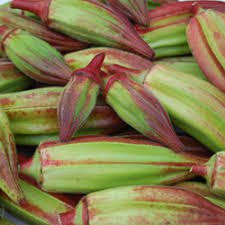
Globally, there are more than 100 varieties of okra, differing in size, color, and cultivation region. Green okra is the most widespread, followed by red okra. Sizes range from very small to medium-sized pods.
In Sudan, okra is commonly dried, ground into powder, and stored during harvest seasons. This powder is known locally as “weika,” which is regarded as the queen of the Sudanese dining table. It is a central dish at weddings, condolence gatherings, and major social events. In some rural areas, it is served daily to guests in various forms alongside traditional flatbread and sorghum porridge.
Speaking about therapeutic nutrition, Dr. Mohamed described okra as especially beneficial for women. It may help regulate early hormonal imbalances, and because it contains folic acid and riboflavin, it supports fetal development and helps prevent congenital defects. He emphasized that it is safe throughout pregnancy and should always be included in the diet. It may also help prevent anemia, relieve constipation during pregnancy, reduce the risk of hemorrhoids, protect against osteoporosis after menopause, and stimulate milk production after childbirth.
For children, he highlighted the importance of okra because of its zinc, phosphorus, calcium, and magnesium content, which support growth, memory, and bone health.
For young adults, he said okra may enhance sexual health due to its zinc, magnesium, phosphorus, and antioxidant content, which may contribute to higher testosterone levels and stronger muscles.
For older adults, he noted that okra may help protect against Alzheimer’s disease, memory loss, and Parkinson’s disease, while also supporting stronger bones and healthier vision.
Regarding diabetes, Dr. Mohamed said okra is widely used in traditional and complementary medicine to help lower elevated blood sugar and reduce HbA1c levels. However, he stressed that it should be consumed under medical supervision to avoid sudden drops in blood sugar.
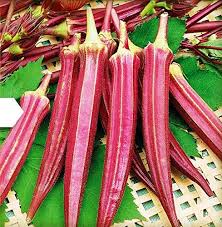
Because of the natural mucilage found in its seeds, stems, and pods, along with its beneficial pigments, okra is also used in pharmaceutical and food-processing industries. It is utilized in the production of anti-inflammatory medicines and antibacterial and antifungal treatments. Small okra pods are used as moisturizers and diuretics, while okra gum has numerous medical applications.
Due to its moisturizing properties, okra is also used in cosmetic products. Small pods are included in elegant dishes as well as ready-made canned, dried, or frozen meals.
Its seeds are especially valuable because they contain oils ranging from 20 to 40 percent of their weight. Okra stems are used in paper production, while fibers extracted from them are used to manufacture ropes. Because of its nutritional composition, okra is also included in animal feed production.
Dr. Mohamed concluded by expressing hope for increased research on okra and expanded agricultural production, alongside the opening of regional and international markets to benefit from its promising properties and diverse applications.
At the end of his interview with Sudanow, he said:
"Our food is our medicine, and our future lies in our natural resources and natural wealth. We hope that both officials and the public will pay greater attention to these resources through scientific and well-planned investment, locally and globally, in line with the world’s growing return to nature, traditional medicine, and therapeutic nutrition."
Post your comments
Photo of the Week

Khartoum (Sudanow) — Abdel Gaiyum Gate, one of the most prominent historical landmarks in the city of Omdurman, has regained its authentic heritage appearance following extensive restoration and rehabilitation works that revived its splendor after the severe damage it sustained during the recent war in Sudan. Abdel Gaiyum Gate is considered one of the archaeological landma...
More-

10 May, 2026
Stories from the heart of the battlefield: Mothers of Disabling Children .. an Endless Suffering
Khartoum, (Sudanow) — Wide-eyed, she watched children racing across the schoolyard, their laughter ringing like birdsong in the vast expanse. The sounds blended in her mind, playground shouts, lessons recited, like a melody without end. Yet for Nidal, it was only a distant tune, one she could never join. She sat quietly in the courtyard, a small book in her hands whose letters she could not decipher, her heart carrying a s...

Contact Us

Address: Sudan News Agency (SUNA) Building, Jamhoria Street, Khartoum - Sudan
Mobile:+249 909220011 / +249 912307547