


Stories from the heart of the battlefield: Mothers of Disabling Children .. an Endless Suffering
10 May, 2026
Khartoum, (Sudanow) — Wide-eyed, she watched children racing across the schoolyard, their laughter ringing like birdsong in the vast expanse. The sounds blended in her mind, playground shouts, lessons recited, like a melody without end. Yet for Nidal, it was only a distant tune, one she could never join. She sat quietly in the courtyard, a small book in her hands whose letters she could not decipher, her heart carrying a silent wish: to belong to that world that saw her, but never drew her in. In her silence lay a story; in her gaze, a question still unanswered.
Her mother, Al-Sunnah Abdelmahmoud, watched with anguish. Nidal was not the only one burdened, Al-Sunnah herself lived with partial blindness, a condition her son inherited as well. Their struggles mirrored those of countless families with special needs, magnified by the war that erupted on April 15, 2023. The conflict, ignited by the Daqlo militia, tore through civilian institutions, even turning hospitals into military bases, bombarding them repeatedly, most tragically in El-Fasher. Rehabilitation centers were devastated: more than 120 facilities in Khartoum and Al-Jazirah destroyed, leaving children and adults with disabilities displaced, untreated, and stripped of psychological and social support.
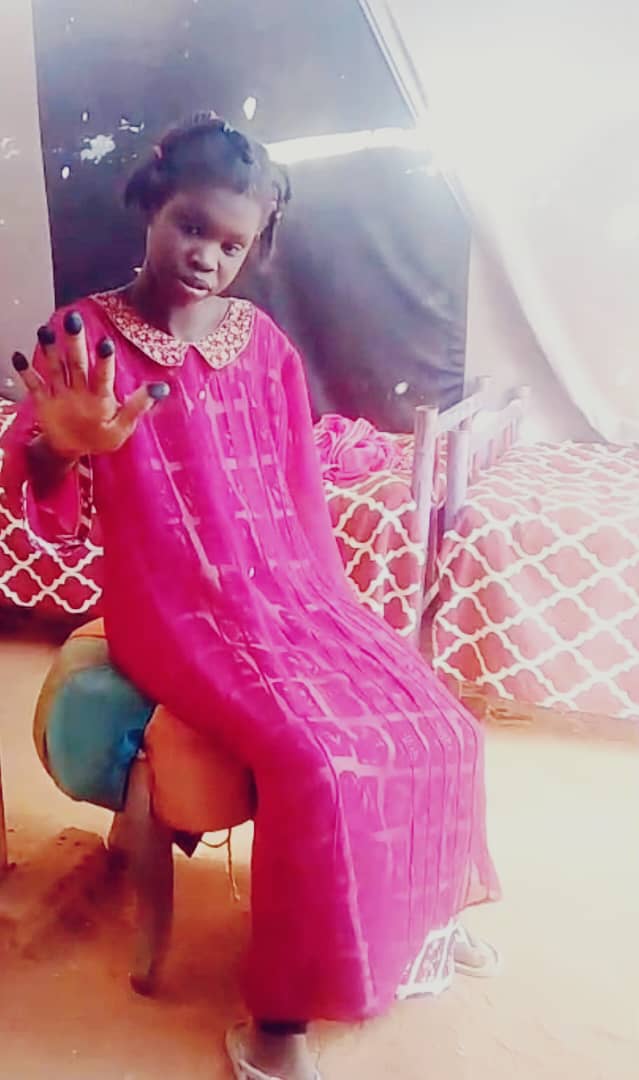
Speaking to Sudanow, Al-Sunnah recounted her ordeal:
“I was born with impaired vision in my right eye, yet I faced no obstacles early in life. I finished my university, married, and had four children. Two of them suffer from intellectual and visual disabilities. My son, now in the fourth grade, struggles immensely with reading and writing. We cannot afford specialized schools, government centers were destroyed, and private institutions demand fees I cannot pay, along with costly transportation.”
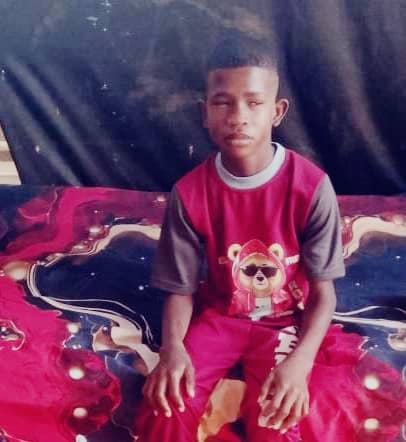
Before the war, she and her son attended Al-Noor Institute, where she volunteered with the General Union for the Care of the Blind, services now forcibly halted. Each day, she leaves for her psychiatric clinic, returning in the evening with groceries to cook for her children. Her husband, incapacitated by a slipped disc, cannot provide, so she shoulders the responsibility alone, determined to be a flame of light in the darkness.
In the midst of war, the Safat housing complex filled with displaced families, rejected by a society slow to embrace them.
Al-Sunnah, both mother and psychiatrist, could not stand idle. She organized psychological support sessions, guided residents toward acceptance, and urged her neighbors to welcome the displaced. Slowly, they became one hand, bound by solidarity, easing each other’s burdens.
Sudanow interviewed Dr. Ibrahim Al-Turabi, a writer and psychotherapist, about Burnout of Mothers of Children with Special Needs, he explained: “Burnout is a common struggle for mothers of children with disabilities. Daily pressures, endless responsibilities, and the demands of care, therapy, and education weigh heavily. Mothers endure continuous emotional, physical, and mental strain, often leading to exhaustion, loss of energy, and diminished resilience.”
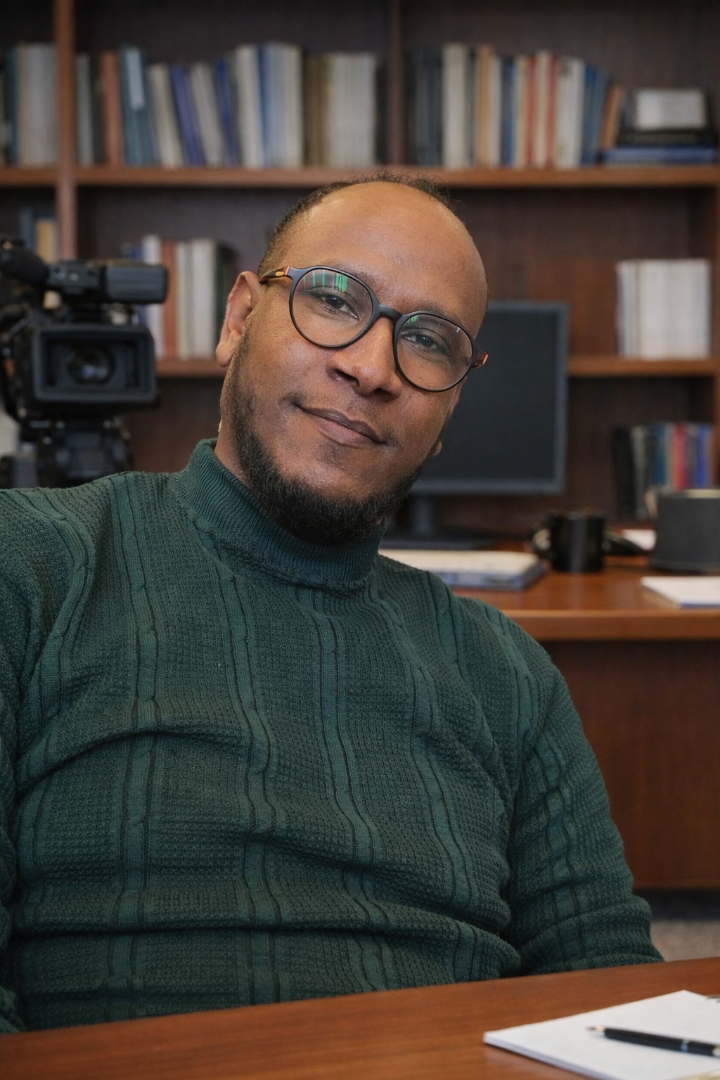
He described symptoms: constant tension, sleep disorders, sadness, anxiety, irritability, social withdrawal, and feelings of being undervalued. Many mothers lose balance between personal needs and family duties, especially when deprived of community support. Burnout intensifies with financial hardship, lack of rehabilitation services, or negative societal attitudes toward disability.
Dr. Al-Turabi emphasized:
- Psychological counseling and family guidance are essential.
- Daily pressures must be shared within families.
- Support groups for parents of children with disabilities provide relief.
- Rest, sleep, and physical health must be prioritized.
- Professional help should be sought when sadness or fatigue persist.
He concluded: “A mother’s care for her mental health is not selfish—it is necessary. Her stability directly strengthens her child and family’s ability to cope with the challenges of disability.”
This is not a single story, but a mirror of countless realities across a weary nation: a half-blind mother, two disabled children, a father incapacitated, and a war without mercy. A cruel equation, left to chance survival.
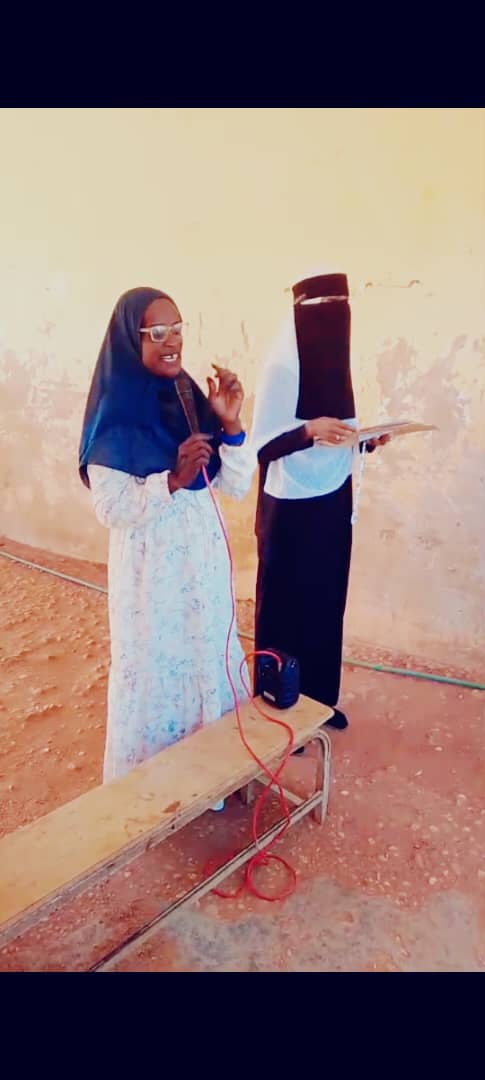
Yet Al-Sunnah rarely complains. She speaks calmly, as though pain has become woven into her daily life. But in her silence lies a deeper fear: of tomorrow, of failing to meet her children’s simplest needs, of her body betraying her before the world does.
And so the question lingers in the conscience of every reader: How many “Sunnah Abdelmahmoud” live today in quiet desperation? How many helping hands remain unmoved?
This is not merely a tale of suffering, it is a cry to the compassionate, to humanitarian organizations. A cry that insists: humanity is measured not in words, but in deeds. Delay in rescuing families like hers means watching them slip, slowly but surely, into worse fates, poverty, disease, and the permanent scars of war.
Post your comments
Photo of the Week
From Medical Research to the Advancement of Specialized Healthcare: A Scientific Career Bridging Knowledge and Community Service Gedaref – Sudanow Professor Saeed Mohamed Omar has achieved a notable scientific milestone by being included among the world’s top 2% of scientists for 2025–2026 in Clinical Medicine, under the General and Internal Medicine subfield,...
More-

11 October, 2026
Stories from the Heart of the Battlefield On World Teachers’ Day: The Sudanese Teacher — Achievements Against All Odds
Teachers carried their chalk through the rubble and kept working — Resilience War closed schools, but examinations continued — A Mission Low salaries and mounting hardships — The Price of the Profession Khartoum (Sudanow) — Teachers around the world are marking World Teachers’ Day this week, an occasion that carries messages of appreciation and gratitude for those who carry the torch of knowledge...

Contact Us

Address: Sudan News Agency (SUNA) Building, Jamhoria Street, Khartoum - Sudan
Mobile:+249 909220011 / +249 912307547