


The Sudanese Economy... Resource Resilience in the Face of Collapse
10 May, 2026
Khartoum (Sudanow)
In one of the most complex economic and political phases Sudan has experienced in decades, the Sudanese economy continues its struggle for survival amid a war that has cast a heavy shadow over all productive and service sectors. Despite the sharp decline in macroeconomic indicators, the country has—according to economic experts—managed to avoid a full-scale collapse scenario, relying on a broad base of natural resources and urgent administrative measures that preserved a minimum level of state continuity and economic activity.
In an interview with “Sudanow,” economic expert Dr. Mohammed Al-Nair provided a comprehensive and in-depth reading of Sudan’s economic landscape amid the war, addressing the scale of losses suffered by productive and financial sectors, as well as the remaining opportunities for resilience and recovery. He stressed that despite the extensive structural and service-sector breakdown, Sudan has not reached complete economic collapse, thanks to its vast natural resources and its ability to maintain a basic level of institutional and economic activity. He also presented an integrated vision for addressing structural imbalances, based on rebuilding the national economy on more balanced, equitable, and sustainable productive foundations.

Economy Under Fire... Yet Not Collapsed
Al-Nair stated that the Sudanese economy has faced unprecedented pressure across all productive and service sectors during the war. However, the existence of an economy rooted in agriculture and mining has helped limit a total collapse. Government emergency interventions also played a significant role in restarting sovereign and financial institutions, maintaining a minimal cycle of economic activity.
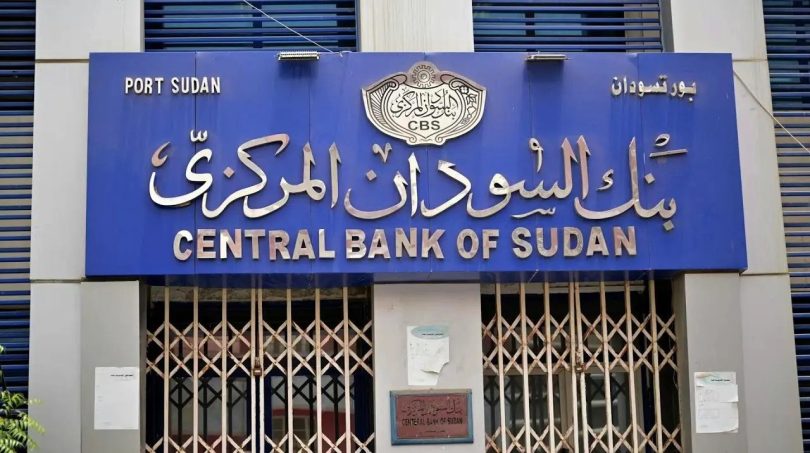
The relocation of financial and administrative institutions to the city of Port Sudan represented a major turning point in crisis management, as the Ministry of Finance, the Central Bank, and several major banks resumed operations within a short period. This helped sustain essential services and prevent a complete administrative vacuum.
Despite this relative resilience, the economy has witnessed a sharp decline in growth rates, alongside rising unemployment, poverty, and inflation, driven by the disruption of trade and production activities across multiple states.
Industry... Severe Losses and Structural Weakness Exposed
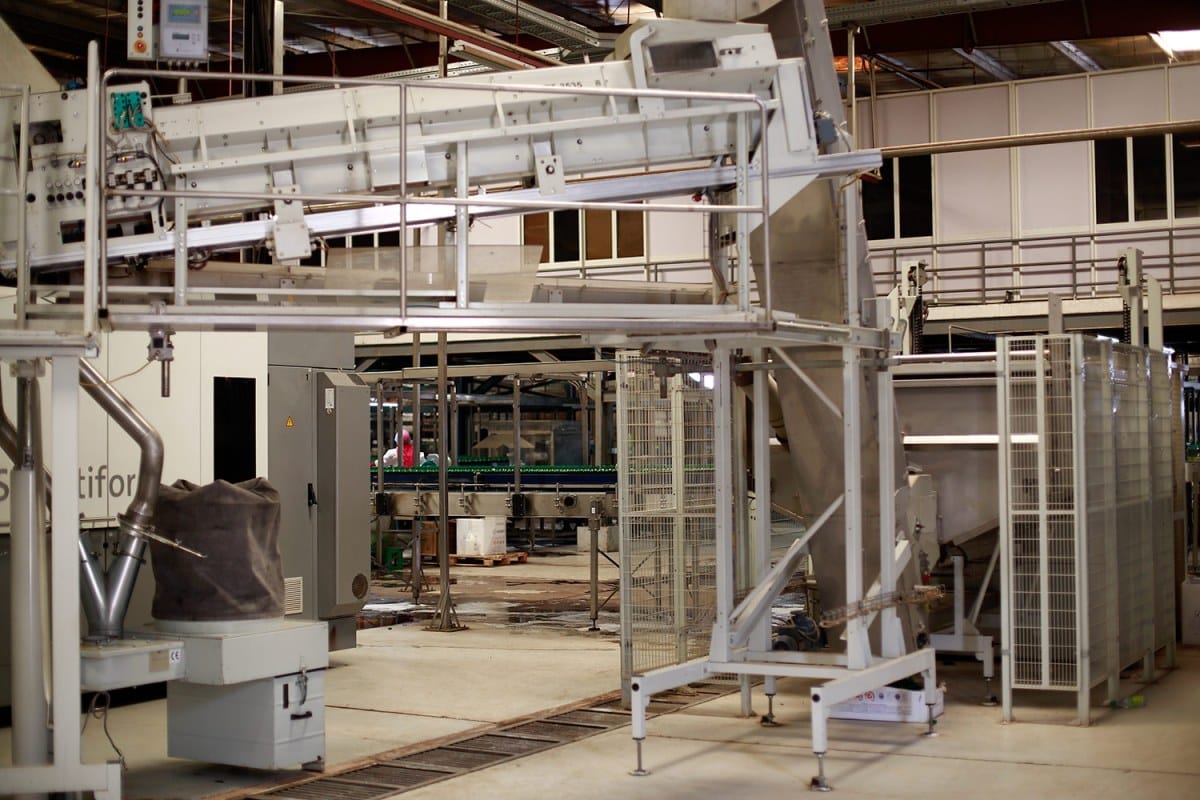
According to Al-Nair, the industrial sector has been the hardest hit by the war, with approximately 75% of factories and industrial facilities ceasing operations, particularly in Khartoum State, which represents the country’s industrial and economic core.
He noted that the crisis has clearly exposed the fragility of industrial concentration in the capital, calling for a new strategy of “industrial decentralization,” distributing industries across states according to their comparative advantages and local resources, in order to enhance economic security and reduce geographic concentration risks.
Agriculture... The Last Line of Defense
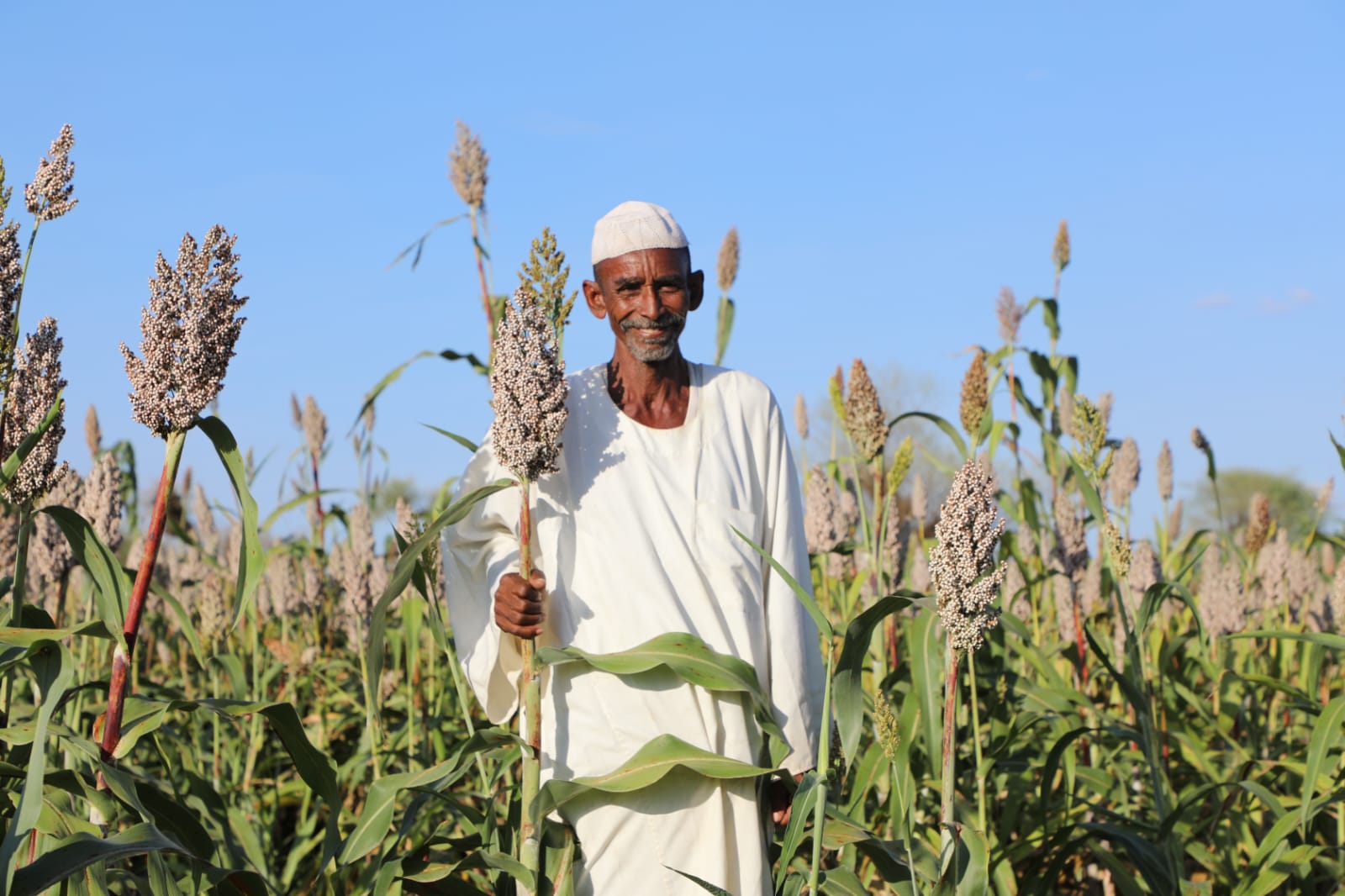
Despite security challenges and disruptions to major agricultural projects—most notably the Gezira Scheme—the agricultural sector has played a crucial role in preventing a full-scale food crisis.
Al-Nair emphasized that Sudan utilizes only about 20% of its 200 million cultivable feddans, yet the sector has managed to provide a reasonable level of food supply. This highlights the enormous potential of Sudan’s agricultural economy, provided that stability, financing, and infrastructure are ensured.
Banking Sector... Digital Services Show Resilience
The banking sector has also been significantly affected, with widespread looting of banks, particularly in Khartoum, where around 550 branches out of 800 were targeted.
The private sector and citizens have also suffered major losses, including cash, savings, gold, and commercial assets, deepening the crisis of confidence and negatively impacting investment and trade activity.
Nevertheless, banking applications and digital financial services have helped ease liquidity pressures by facilitating transfers and electronic payments, strengthening financial inclusion under extraordinary conditions.
Al-Nair noted that one of the most severe consequences of the war is the sharp collapse of the Sudanese pound, with the dollar rising from around 570 pounds before the war to nearly 3,500 pounds currently—the steepest decline in the currency’s history.
He attributed part of the crisis to slow monetary policy responses and proposed a full currency reform, including removing three zeros, to restore monetary balance and reduce circulation distortions. Inflation has also returned to triple-digit levels, requiring urgent coordination between fiscal and monetary policies to protect purchasing power.
Expatriates... An Economic and Social Lifeline
On the social front, many private sector workers lost their jobs due to business shutdowns, while public sector institutions adopted partial operation systems at 25% capacity while continuing salary payments.
Meanwhile, Sudanese expatriates have played a vital economic role through remittances, which have helped families meet living costs and bridge income gaps, making diaspora transfers one of the most important sources of economic and social stability during the crisis.

Gold... Wealth Leaking Out of the Economy
Al-Nair described the gold sector as the most important economic driver during the current phase, but one facing major challenges related to smuggling and weak border control.
While Sudan’s gold production reached around 70 tons last year, official exports did not exceed 20 tons, revealing a significant gap through which vast revenues are lost outside official channels.
He called for establishing a Sudanese gold exchange and tightening border controls, in addition to using gold as a key component of foreign reserves to support currency stability.
A Roadmap for Recovery
Al-Nair proposed a set of urgent measures that could serve as a pathway for economic recovery, including activating a gold exchange, expanding public-private partnerships for reconstruction projects, and strengthening bank capital to revive financing and investment activity.
He also emphasized the need for effective coordination between different levels of government to rationalize public spending and increase revenues, alongside restructuring the economy on productive foundations that reduce reliance on rent-seeking activities and geographic centralization.
Despite the bleak economic landscape, Al-Nair believes Sudan still possesses genuine opportunities for recovery, supported by its vast natural resources, strategic location, and strong agricultural and mining capacities.
However, transforming these potentials into a stable economic reality depends first on ending the war, followed by deep structural reforms that address chronic imbalances and rebuild trust in state institutions and markets.
Within this complex equation, the Sudanese economy today stands at a critical crossroads—either its current resilience becomes the foundation for recovery and reconstruction, or the cycle of depletion continues, threatening what remains of the national economy.
Post your comments
Photo of the Week

Khartoum (Sudanow) — Abdel Gaiyum Gate, one of the most prominent historical landmarks in the city of Omdurman, has regained its authentic heritage appearance following extensive restoration and rehabilitation works that revived its splendor after the severe damage it sustained during the recent war in Sudan. Abdel Gaiyum Gate is considered one of the archaeological landma...
More-

10 May, 2026
Stories from the heart of the battlefield: Mothers of Disabling Children .. an Endless Suffering
Khartoum, (Sudanow) — Wide-eyed, she watched children racing across the schoolyard, their laughter ringing like birdsong in the vast expanse. The sounds blended in her mind, playground shouts, lessons recited, like a melody without end. Yet for Nidal, it was only a distant tune, one she could never join. She sat quietly in the courtyard, a small book in her hands whose letters she could not decipher, her heart carrying a s...

Contact Us

Address: Sudan News Agency (SUNA) Building, Jamhoria Street, Khartoum - Sudan
Mobile:+249 909220011 / +249 912307547