


Livestock Wealth: Challenges and Opportunities
17 May, 2026
Exporting Livestock Shipments to Saudi Arabia… A Positive Step
Calls for Reforms… and a Sustainable Protocol with Riyadh
Weak Infrastructure, Fees, Statistics, and Grazing Security… Key Obstacles
Dr. Haitham: The Sector Can Generate One Billion Dollars Annually
Developing Production and Improving Veterinary Services… Major Demands
Experts and academics have revealed a number of challenges facing Sudan’s livestock sector, despite it being one of the country’s most important economic resources and a major source of foreign currency earnings. They stressed that weak infrastructure and veterinary services, along with multiple taxes and fees and the absence of accurate statistics, have all limited the optimal utilization of the sector’s enormous potential.
They also highlighted the importance of adopting comprehensive reforms and signing a sustainable trade protocol with the Kingdom of Saudi Arabia, as it remains the largest market for Sudanese livestock exports. Such a protocol, they argued, would ensure the smooth and regular flow of exports and maximize economic returns.
The Main Destination for Exports
The Kingdom of Saudi Arabia is considered the primary destination for Sudanese livestock exports, particularly the Suakin sheep breed, which experiences high demand during Hajj and Eid al-Adha seasons.
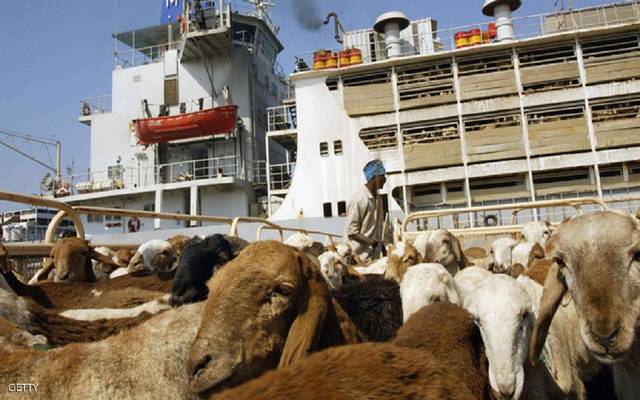
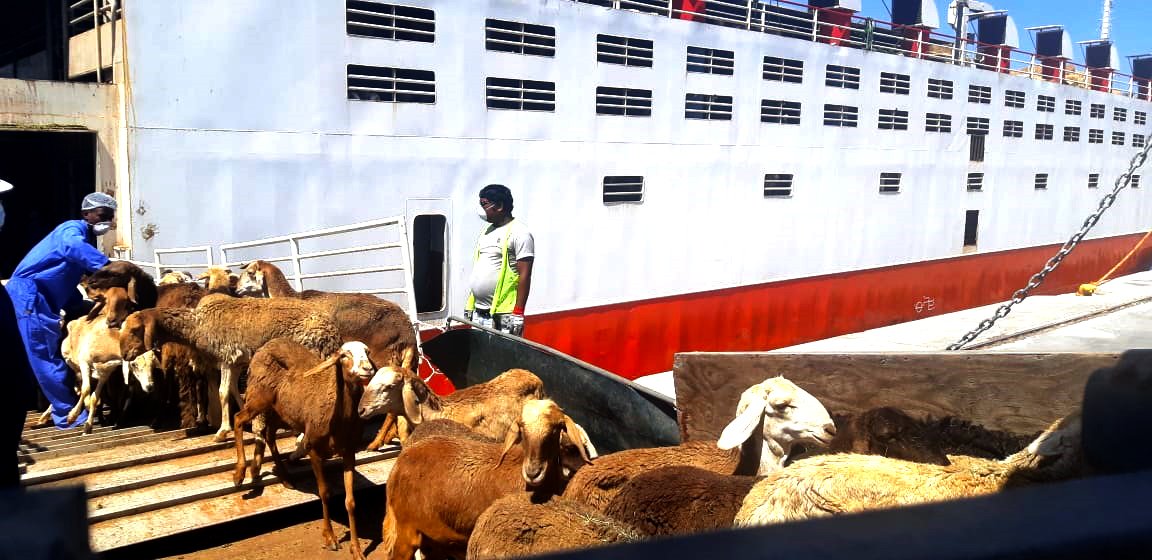
The Director General of the Veterinary Quarantine in Al-Kadro, Dr. Alfat Abdelrahman, announced that Sudan had exported more than 128,000 heads of sheep to Saudi Arabia from January until early May 2026, while exports of camels and other livestock continue.
An Economic Pillar
The livestock sector is regarded as one of the key pillars of the Sudanese economy. It contributes nearly 20% of the Gross Domestic Product and accounts for around 40% of non-oil exports. Sudan possesses more than 107 million heads of livestock, making it one of the richest Arab and African countries in this field due to its vast grazing lands and abundant water resources.
Despite these huge capabilities, observers believe that poor utilization of animal resources has kept the sector’s contribution far below its true potential, underscoring the need for radical reforms and modern policies to boost production and exports.
Challenges and Obstacles
The sector faces several challenges, most notably its dependence on traditional grazing methods and the low productivity of local breeds. In addition, recurring conflicts between herders and farmers persist due to weak land-use policies, particularly in production areas in western Sudan.
The sector also suffers from weak support services and inadequate infrastructure, as well as the absence of accurate statistics because livestock census programs remain incomplete. This negatively affects economic planning and the formulation of effective development policies.
Other major issues include limited financing and marketing opportunities, multiple taxes and fees, weak security and instability in production regions, and the seasonal nature of exports, all of which reduce the sector’s ability to fully capitalize on its resources.
A Trade Protocol
Economic expert and analyst Dr. Haitham Fathi praised Sudan’s livestock exports to Saudi Arabia, calling for the establishment of a clear trade protocol between the two countries to protect the rights of exporters and importers and ensure a continuous and organized export process.
In statements to Al-Karama, Dr. Fathi explained that the success of such an arrangement depends on strict compliance with health requirements in accordance with the standards of the World Organisation for Animal Health, as well as adherence to the requirements of the Saudi Food and Drug Authority. This, he noted, would strengthen confidence in Sudanese livestock within Saudi markets.
Dr. Fathi further emphasized that livestock exports generate major economic benefits for Sudan as one of the country’s primary sources of foreign currency. He stated that the sector’s average annual revenues amount to nearly one billion dollars, which could significantly support the national economy and improve overall economic performance indicators.
A Package of Reforms
Dr. Haitham Fathi also stressed the importance of adopting a package of urgent reforms and solutions to develop the sector. These include raising awareness among herders, providing veterinary services, improving local breeds, increasing productivity, rehabilitating infrastructure, and delivering support services linked to production, transportation, and marketing.
He also called for conducting a comprehensive livestock census and detailed surveys to obtain accurate information about the size of Sudan’s animal wealth, which would help policymakers formulate more precise and efficient economic policies.
In addition, Dr. Fathi urged authorities to provide financing for producers and exporters, reduce or eliminate taxes and fees, and ensure security and stability in production areas so the sector can play its true role in supporting the national economy.
An Important Conclusion
Whatever the case, amid the economic challenges facing Sudan, the livestock sector remains one of the country’s most promising sectors capable of creating a genuine transformation in the national economy if it is properly developed and scientifically managed.
Addressing problems related to financing, infrastructure, and veterinary services, alongside ensuring security and establishing clear export policies, could transform the sector from a traditional, low-return resource into a major economic driver that contributes to increasing revenues, generating foreign currency, and strengthening Sudan’s economic stability in the coming years.
Post your comments
Photo of the Week

Khartoum (Sudanow) – The nation has bid farewell to Sheikh Ibrahim Al-Rukayni, guide and successor of the Muhammadan Sunni Qur’anic Rukayni Order, who passed away on Friday, May 15, 2026, in the Arab Republic of Egypt at the age of 106, after a long and distinguished journey devoted to the service of the Holy Qur’an, the dissemination of Islamic sciences, and spiritual ...
More-

17 May, 2026
Tales from Inside the Battlefield Houses of Worship and Quranic Khalwas in the Crossfire of War A dialogue on destruct
By Kaltoum Abdelbagi Musa Khartoum (Sudanow) — Over the course of three years, Sudan has endured one of the harshest and most complex wars in its history, after a rebel militia launched a conflict that left widespread destruction across infrastructure, service institutions, educational facilities, and religious centers, while placing citizens under unprecedented humanitarian suffering. The effects of the war were not limited to ...

Contact Us

Address: Sudan News Agency (SUNA) Building, Jamhoria Street, Khartoum - Sudan
Mobile:+249 909220011 / +249 912307547