


Analysis: Implications and Significance of Recent Rapid Developments and Shifting Stances Toward the Situation in Sudan
24 May, 2026
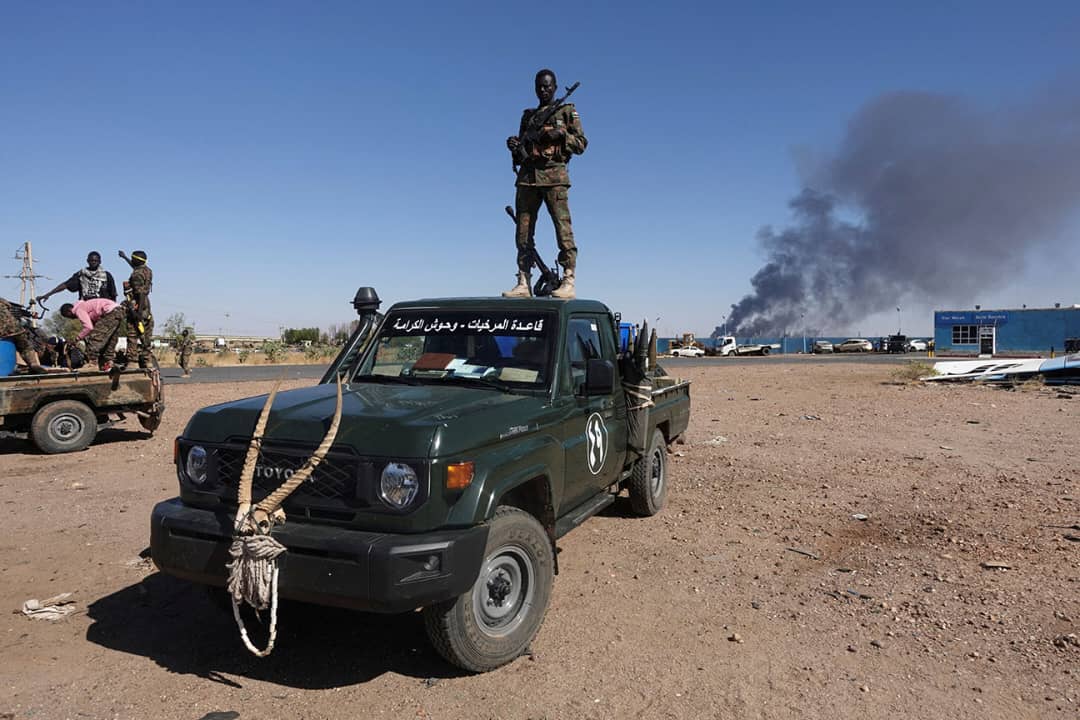
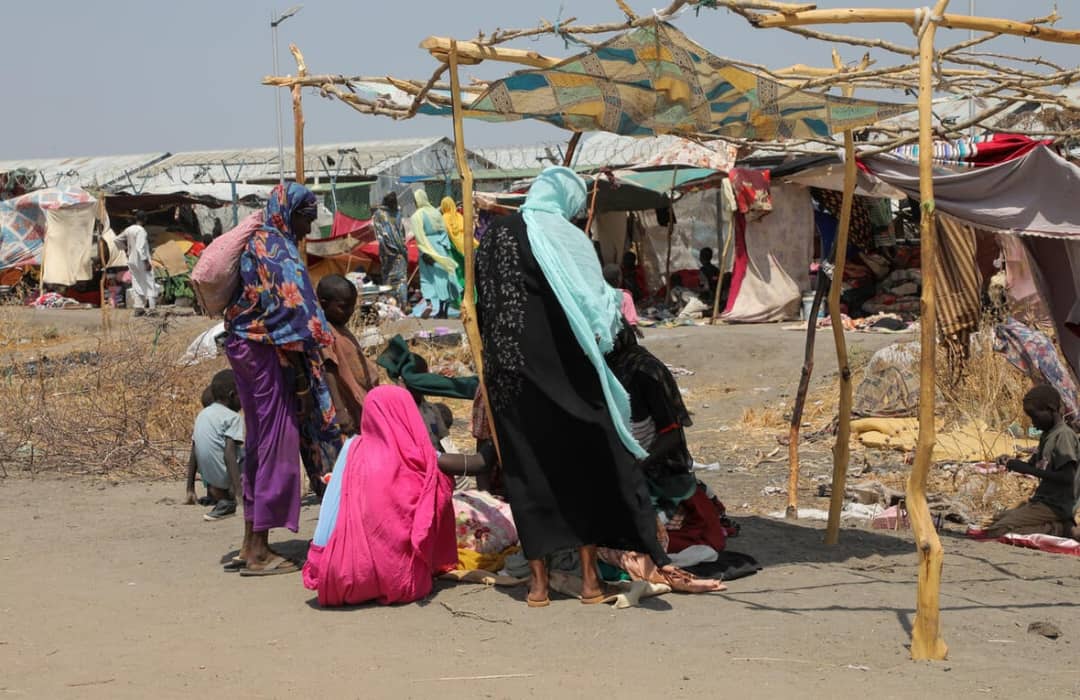
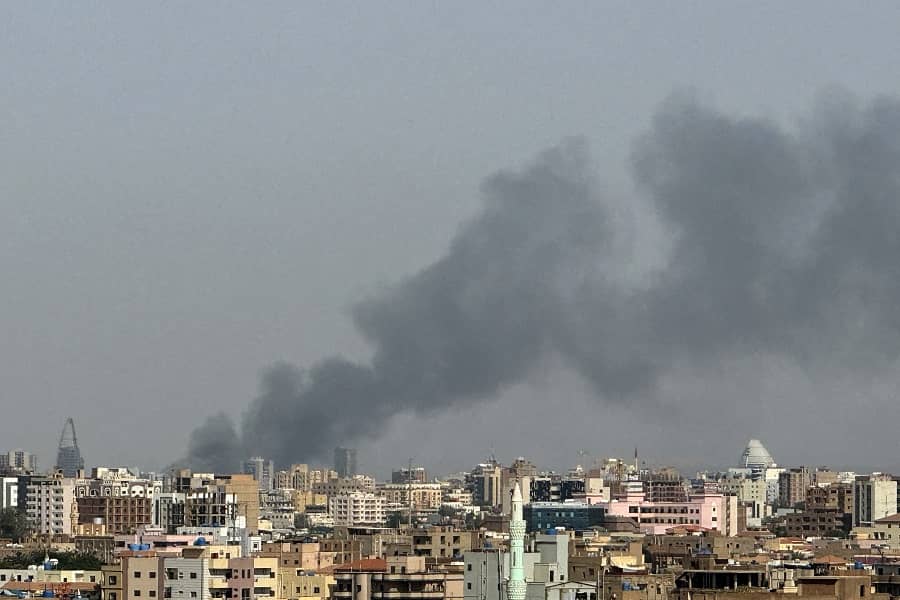
Khartoum, Sudan (Sudanow) – The most Recent developments in Western, and even regional, approaches and statements regarding the situation in Sudan have drawn the attention of observers to a shift that could be qualitative. But it could equally indicate an imminent change driven by external circumstances, not least the suffering of Sudanese civilians and their steadfast endurance of harm from both neighboring as well as from faraway forces.
These developments at home, as well as abroad, have created societal, political, and moral pressure on Western societies – and consequently, governments. However, despite the positive aspects of these current shifts, the question remains: Why now? Why this time? And what will be the ultimate consequences of these new interventions?
As is the case in politics and political interests, statements are made to serve a specific purpose, especially when they converge and align, from political and legislative circles to academia, culminating in shifts in positions and denials of previous stances.
Still, given the futility of stiff positions in politics and political interests, it was gratifying that the Sudanese Ministry of Foreign Affairs welcomed these statements. If they indicate a change in positions, it would signify a new approach to resolving the ongoing war waged by the Rapid Support Forces militias against the state and its institutions.
Moreover, observers of Western developments toward Sudan have noted an interesting point: while the West seeks to curb the aggressive and overt support provided by the United Arab Emirates to the RSF militias, coinciding with a regional war being waged against Iran and its influence on neighboring Arab states, the UAE, according to German academic circles, has sought to engage Sudan's neighbors, this time to the east, only to convince Western powers that the time has come to change their positions and approach.
In this regard, a comprehensive report published this week by German academics and security experts advises their government and Europe in general that there is an urgent need for an objective and thorough review of relations with the United Arab Emirates, not only because of Sudan, but also because of what they described as the These include, for instance, the Emirates’ ambivalent to obstructive role in international climate negotiations, its pragmatic to friendly dealings with Russia, as well as its efforts to exert political influence in Europe – including relations with right-wing populist to far-right parties and support for networks spreading disinformation. Emirati foreign policy in Africa is therefore not an isolated shortcoming of an otherwise constructive partner. Rather, it should be understood as the expression of a consistent approach aiming to project power: The UAE promotes disruptive actors and systematically links military support with commercial and ideological interests.
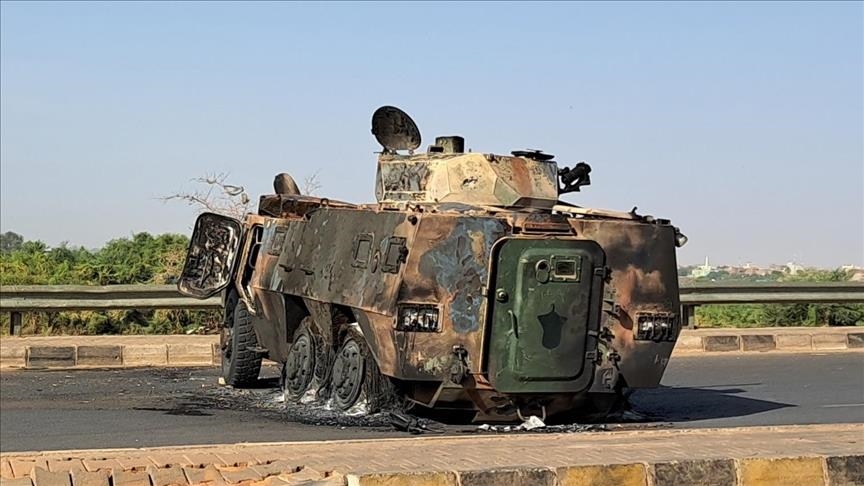
Dr. Gerrit Kurtz, Associate Fellow; Dr. Wolfram Lacher, Senior Associate Fellow; and Dr. Stefan Roll, Senior Fellow in the Africa and Middle East Research Department at the German Institute for International and Security Affairs, warned that “Germany’s arms export policy to the UAE needs a fundamental review. While the UAE’s need to defend itself against Iranian attacks is growing, the risk of German weapons being transferred to or used in third-party conflicts remains.” For example, the UAE supplied Haftar’s offensive on Tripoli in Libya with Pantsir air defense systems mounted on MAN/Rheinmetall chassis, and the French Gallix air defense system was deployed on Emirati armored vehicles in Sudan.
The German experts advised applying stricter standards in enforcing anti-money laundering and transparency rules. The EU should focus more on the role of Emirati financial centers as hubs for conflict economies, informal capital flows, and sanctions evasion.
The security experts, whose opinions, one would assume, are free from any suspicion of political motives, stressed the need to “reassess diplomatic engagement” between their country and the UAE. They pointed out that the “strategic partnership” Germany has maintained with the UAE since 2004 meant a broad convergence of interests. However, failing to suspend this partnership, at least in light of the UAE’s interventions in conflicts, will undermine Germany’s stated commitment to credible and ethical conduct. This partnership is only worthwhile if the UAE reorients its policy in Africa toward de-escalation, allowing it to leverage Abu Dhabi’s considerable financial weight and political networks to resolve conflicts constructively.
But Sudan’s neighbors face numerous challenges and problems: South Sudan, Chad, Ethiopia, the Central African Republic, and Libya each have their own dilemmas, which have spared Sudan much harm, even though these problems—especially economic and security ones—may be the driving force behind their pursuit of UAE financial support by any means.
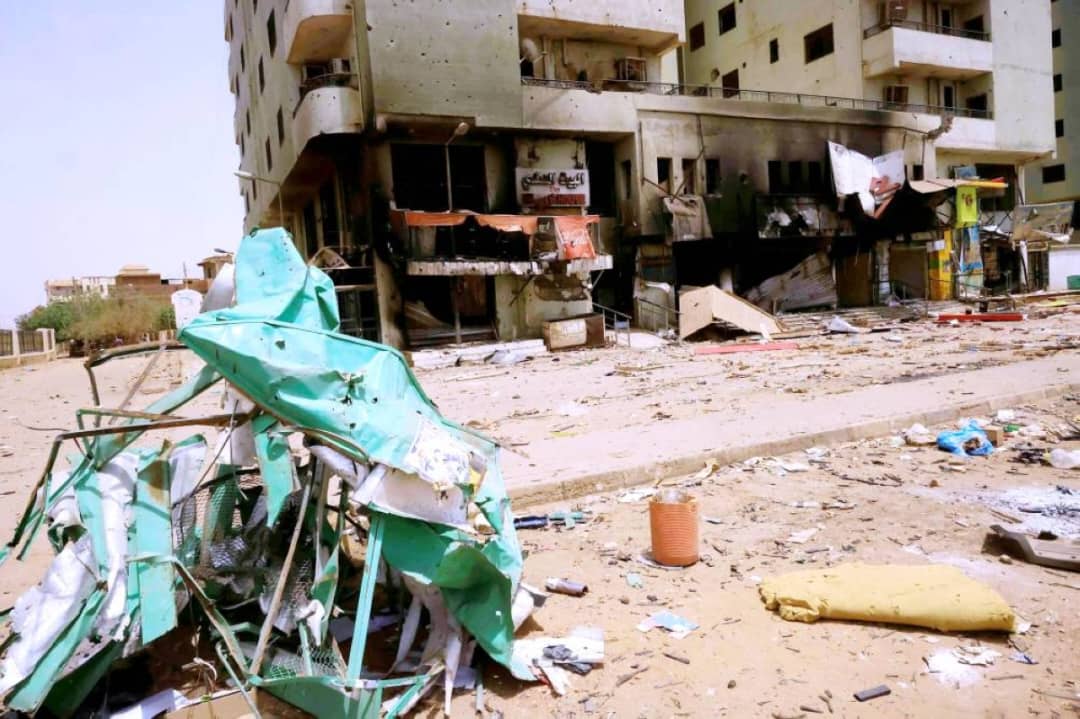
It has become clear to observers that this situation has undoubtedly affected the Rapid Support Forces militias, which have committed atrocities and grave errors, the latest of which this year was the attack on a tribal leader. This led to a widespread uprising and sowed seeds of doubt within the militias, contributing to the beginning of their internal erosion. This means that, in the view of these supporters, it is time to reach a peace agreement before the militias are completely dismantled, resulting in a double loss for them, losing the militias- their allies- and having already lost that of the Sudanese politicians and civilians, the foes of the RSF.
Post your comments
Photo of the Week

Khartoum (Sudanow) – The nation has bid farewell to Sheikh Ibrahim Al-Rukayni, guide and successor of the Muhammadan Sunni Qur’anic Rukayni Order, who passed away on Friday, May 15, 2026, in the Arab Republic of Egypt at the age of 106, after a long and distinguished journey devoted to the service of the Holy Qur’an, the dissemination of Islamic sciences, and spiritual ...
More-

17 May, 2026
Tales from Inside the Battlefield Houses of Worship and Quranic Khalwas in the Crossfire of War A dialogue on destruct
By Kaltoum Abdelbagi Musa Khartoum (Sudanow) — Over the course of three years, Sudan has endured one of the harshest and most complex wars in its history, after a rebel militia launched a conflict that left widespread destruction across infrastructure, service institutions, educational facilities, and religious centers, while placing citizens under unprecedented humanitarian suffering. The effects of the war were not limited to ...

Contact Us

Address: Sudan News Agency (SUNA) Building, Jamhoria Street, Khartoum - Sudan
Mobile:+249 909220011 / +249 912307547