


Lupin: The Food of Health and Beauty
24 May, 2026
Khartoum (Sudanow) — Lupin is a plant belonging to the legume family. It is cultivated in well-drained sandy and alluvial soils and grows abundantly in Sudan, where it is widely used for its nutritional and medicinal benefits.

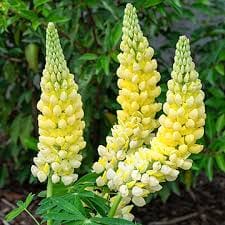
Speaking about the importance of lupin, Dr. Mohammed Osman Maysara, Consultant in Community Medicine and Public Health, expert in traditional and complementary medicine, member of the Committee for Traditional and Complementary Medicine, Chairman of the Founding Committee for Alternative Medicine Schools, and member of the Permanent Committee for Medicinal and Aromatic Plants, said that lupin has more than 200 varieties. The most important is the traditional commercial white lupin, which is the most common in Sudan because of its ability to withstand drought and salinity. Its flowers vary beautifully in color from deep blue to violet, accompanied by attractive foliage.

Lupin is cultivated mainly in the Northern State and River Nile State as one of the important winter crops, and in parts of Al Jazeera State for fodder production. It is considered one of the richest plants in plant protein, soluble and insoluble fiber, minerals, vitamins, and healthy fats, while containing very little starch.
Lupin is classified into:
Sweet lupin, which is safer, more commonly consumed, lighter in taste, easier to prepare, and whiter in color.
Yellow bitter lupin, which requires soaking in water for 4 to 7 days with frequent water changes to remove toxic alkaloids and bitterness.
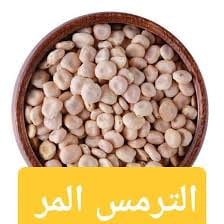
Lupin was an important component of agricultural food systems in ancient civilizations. Its seeds were discovered in archaeological sites dating back thousands of years to the Kushite era. It was commonly used in traditional dishes and served at social occasions after soaking in water. Ground lupin was also used medicinally for skin diseases and ulcers and served as a natural substitute for soap in handwashing.
Nutritional Value
Dr. Mohammed Osman explained that lupin is a highly nutritious food rich in plant protein, fiber, minerals, and salts, making it an important dietary staple for oasis communities. Its flowers also attract pollinators, making it a valuable source for honey production.
Because it contains selenium, zinc, and magnesium, traditional medicine and therapeutic nutrition consider lupin beneficial for children in strengthening immunity, supporting bone health, enhancing general body health, and promoting beneficial gut bacteria.
For older adults, lupin is regarded as an ideal light meal that improves digestion, especially after fatty meals, as its fiber content stimulates bowel movement and reduces constipation. It also helps regulate blood sugar due to its low glycemic index and supports cardiovascular health by lowering harmful cholesterol and helping reduce high blood pressure.

Some studies, according to Dr. Mohammed, indicate that regular consumption of lupin for three months may reduce cholesterol levels by more than 40%.
Lupin also contributes to:
Prevention of osteoporosis
Delaying premature graying
Cell regeneration
Fighting wrinkles
For young people, lupin is considered a “superfood” for strengthening muscles, increasing energy levels, and improving fertility and sexual health due to its zinc and arginine content, which may help boost testosterone levels.
Benefits for Women and Beauty
Ground lupin is widely used in skincare products because it is believed to:
Brighten and restore the skin
Purify and exfoliate
Treat melasma, freckles, pimples, and skin spots
Even skin tone
Reduce wrinkles
For hair care, boiled lupin water is recommended several times a week to nourish the scalp, strengthen hair follicles, stimulate growth, and reduce hair loss.
For pregnant women, lupin may help prevent constipation commonly associated with pregnancy. It also supports protection against anemia because it contains folic acid, vitamin C, and antioxidants. These antioxidants are also believed to contribute to protection against uterine, ovarian, and breast cancers and help reduce the risk of congenital abnormalities.
Lupin is also helpful for weight management because it promotes a feeling of fullness.
Dr. Maysara recommends consuming it in moderation — about three tablespoons daily, approximately 50 grams, especially after the age of forty.
Modern Industrial Uses
Dr. Maysara added that ground lupin is now used in many modern food industries as a healthy gluten-free alternative rich in plant protein. It is incorporated into:
Bread
Pasta
Baked goods
Ice cream
Plant protein extracted from lupin is also used in producing plant-based dairy products and meat substitutes such as vegetarian burgers and sausages.
In addition, lupin is used in:
Cosmetic formulations for skin and hair care
Medications that regulate insulin secretion
Drugs that help lower blood pressure
Animal feed due to its high protein content
Fertilizers, where it is known as “green manure” because it improves soil fertility and nitrogen fixation

Dr. Maysara concluded by emphasizing the importance of expanding lupin cultivation to support rural development and sustainable food security. He called for increased research, farmer awareness, and agricultural support programs to encourage large-scale production.
He stressed that lupin offers multiple benefits:
1. Improving soil fertility as an organic fertilizer
2. Enhancing human and animal nutrition
3. Supporting pharmaceutical and cosmetic industries
4. Providing a renewable gluten-free food ingredient rich in nutritional supplements and plant protein
With the growing global interest in plant-based protein and the gradual decline in reliance on animal protein, he believes lupin could become an important future alternative. Therefore, Sudan should expand cultivation areas to meet local demand and export the surplus, thereby supporting the national economy and increasing investment returns.
Post your comments
Photo of the Week

Khartoum (Sudanow) — Today, the Muslim Ummah celebrates the blessed occasion of Eid Al-Adha. The editorial family of Sudanow Magazine extends its heartfelt congratulations and best wishes to the great Sudanese people and to the Islamic nation across the world, praying to Almighty Allah to return this occasion upon us for many years to come while our homeland enjoys peace, s...
More-

17 May, 2026
Tales from Inside the Battlefield Houses of Worship and Quranic Khalwas in the Crossfire of War A dialogue on destruct
By Kaltoum Abdelbagi Musa Khartoum (Sudanow) — Over the course of three years, Sudan has endured one of the harshest and most complex wars in its history, after a rebel militia launched a conflict that left widespread destruction across infrastructure, service institutions, educational facilities, and religious centers, while placing citizens under unprecedented humanitarian suffering. The effects of the war were not limited to ...

Contact Us

Address: Sudan News Agency (SUNA) Building, Jamhoria Street, Khartoum - Sudan
Mobile:+249 909220011 / +249 912307547