


Crohn’s Disease and Recovery Prospects Through Conventional Medicine and Therapeutic Nutrition
24 May, 2026
Khartoum (Sudanow) — The 19th of May each year marks World Crohn’s Disease Day and inflammatory bowel diseases. Crohn’s disease is a chronic, non-communicable autoimmune disorder. Traditional and complementary medicine play a significant role in reducing the severity of the disease and rehabilitating patients.

To learn more about this condition, Sudanow met with Dr. Mohammed Osman Maysara, Consultant in Community Medicine and Public Health, expert in traditional and complementary medicine, member of the Permanent Committee for Medicinal and Aromatic Plants, and head of the committee for establishing schools of alternative and integrative medicine at the Ministry of Health.
Dr. Maysara began by defining Crohn’s disease as a condition that affects the lining of the digestive tract, causing inflammation in any part of the gastrointestinal system, most commonly in the terminal part of the small intestine and the colon. It may also affect areas from the mouth to the anus, as the immune system attacks healthy cells in the digestive tract. The disease goes through periods of flare-ups and remission.
Its symptoms are numerous and varied, including severe abdominal pain and cramps, fatigue, diarrhea, rectal bleeding, weight loss, fever, blood in stool, vomiting, nausea, mouth ulcers, skin inflammation, eye inflammation, anemia, loss of appetite, hemorrhoids, liver inflammation, among others.
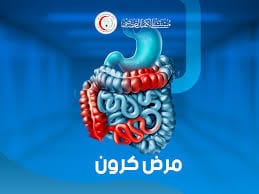
Dr. Mohammed Osman explains that the disease is named after the American physician Crohn, who described it as a distinct medical condition in 1932. It affects both men and women in varying proportions, with a slight predominance in women, who are about five times more likely to experience severe depression than men. It is most common between the ages of 20 and 40.
He adds that it can lead to serious complications such as chest infections, liver inflammation, intestinal obstruction, gastrointestinal ulcers, cancer, fistulas between organs, arthritis, blood clots in veins and arteries, anal fissures, malnutrition, anemia, and malabsorption of minerals and salts. Some studies also suggest a higher incidence of gum disease and tooth decay in Crohn’s patients.
The exact cause is unknown, but immune dysfunction leads to the body attacking the intestinal tissues. Genetic predisposition is an important factor; individuals with first-degree relatives who have the disease are more susceptible, though it is not strictly hereditary. Environmental factors also play a role, including consumption of processed frozen foods, psychological stress, reduced immunity, and microbial imbalance in the digestive system.
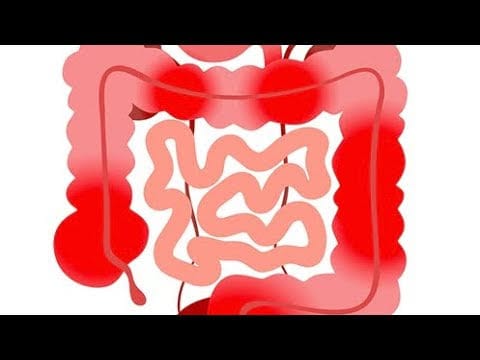
For diagnosis and early treatment, physicians classify the disease into five types based on the location and part of the gastrointestinal tract affected. Diagnosis is made through symptoms, laboratory tests, and endoscopy. Crohn’s symptoms often appear after exposure to triggering factors such as psychological stress, medications, or infections.
Countries undergoing rapid industrialization show a rising prevalence of the disease, attributed to environmental changes and dietary shifts. It is estimated that between 6 to 8 million people worldwide are affected.
Women with Crohn’s can become pregnant and give birth to healthy children, especially if pregnancy occurs during remission. However, risks include premature birth, low birth weight, and miscarriage. In children, the disease may lead to delayed growth, delayed puberty, reduced muscle mass, and increased stress symptoms.
Regarding prevention and treatment, Dr. Maysara states that treatment depends on the disease stage determined by the attending physician, who sets the appropriate protocol. Patients and families must understand the disease to avoid triggers and control flare-ups through close medical follow-up and lifestyle and dietary changes.
He recommends avoiding processed and packaged foods, cow’s milk, gluten, wheat and its derivatives, all types of meat except fish, white sugar and sweets, hydrogenated oils, chocolate, soft drinks, and fast food. He emphasizes home cooking using olive oil only, stress reduction, and a healthy lifestyle.
He also highlights the role of traditional and complementary medicine in rehabilitating patients through gradual stages: first stopping disease progression and reducing psychological and physical symptoms; second, detoxifying the body through dietary programs and natural nutritional formulations; and third, restoring immune, digestive, and nervous balance by supporting beneficial bacteria and replenishing vitamins and minerals.
He further stresses strict avoidance of smoking, alcohol, and caffeine, along with adequate water intake, intermittent fasting, and consuming light, low-fat foods in small meals until full recovery is achieved, God willing.
He concludes by quoting the Prophet Muhammad: “For every disease, there is a cure; whoever knows it knows it, and whoever is ignorant of it is ignorant of it.”
Post your comments
Photo of the Week

Khartoum (Sudanow) — Today, the Muslim Ummah celebrates the blessed occasion of Eid Al-Adha. The editorial family of Sudanow Magazine extends its heartfelt congratulations and best wishes to the great Sudanese people and to the Islamic nation across the world, praying to Almighty Allah to return this occasion upon us for many years to come while our homeland enjoys peace, s...
More-

17 May, 2026
Tales from Inside the Battlefield Houses of Worship and Quranic Khalwas in the Crossfire of War A dialogue on destruct
By Kaltoum Abdelbagi Musa Khartoum (Sudanow) — Over the course of three years, Sudan has endured one of the harshest and most complex wars in its history, after a rebel militia launched a conflict that left widespread destruction across infrastructure, service institutions, educational facilities, and religious centers, while placing citizens under unprecedented humanitarian suffering. The effects of the war were not limited to ...

Contact Us

Address: Sudan News Agency (SUNA) Building, Jamhoria Street, Khartoum - Sudan
Mobile:+249 909220011 / +249 912307547