


Stories from the Heart of the Battlefield War Extinguishes the Light of Knowledge: Destruction of Education and Rehab
31 May, 2026
Khartoum (Sudanow) — The war ignited by the rebel militia in Sudan was not merely a military confrontation; it evolved into a humanitarian and civilizational catastrophe that targeted Sudanese people, their security, education, and future. The destruction extended to universities, institutes, and educational centers, extinguishing many of the beacons of knowledge that had, for decades, graduated generations and nurtured hope despite difficult circumstances.
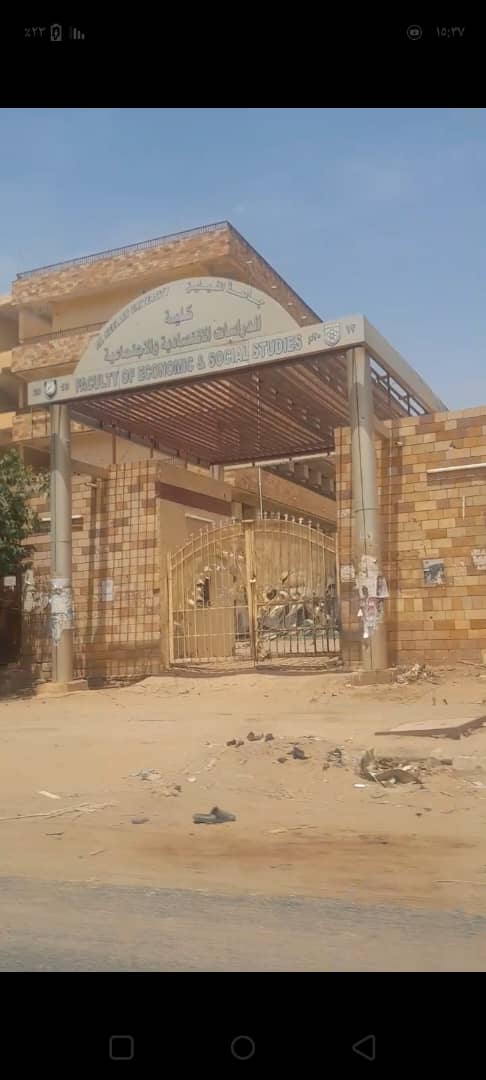
To learn more, Sudanow conducted an interview with Al-Nour Abdullah Ali, a student at the Faculty of Economic and Social Studies at the University of Nilein. He explained that higher education institutions and academic infrastructure were subjected to systematic looting and destruction, including lecture halls, libraries, laboratories, and educational equipment. This devastation has cast a heavy shadow over thousands of students whose academic journeys were forcibly interrupted by war, displacement, and instability.
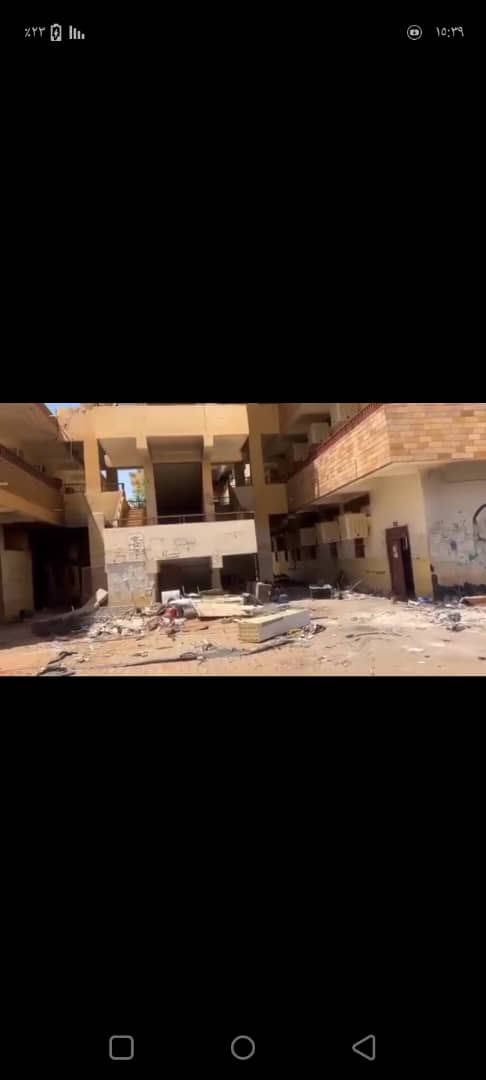
However, the tragedy has been even harsher for blind students, who lost not only their sense of security and stability but also the essential tools that connected them to education and the world around them. Audio libraries, screen-reader computers, Braille books, and rehabilitation and training centers were not merely educational resources; they were the eyes through which these students navigated learning and life.
The war compounded their suffering as institutions that once provided hope and independence were reduced to rubble and silence, reflecting the scale of the loss inflicted upon one of the communities most in need of support and care.
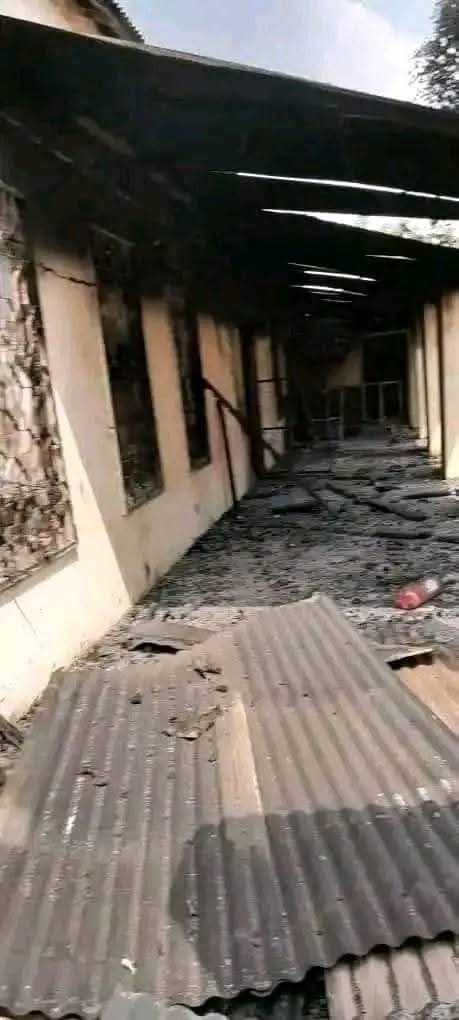
Abdullah Al-Nour revealed the extent of the damage suffered by the Al-Nour Institute for the Blind as a result of the war. The institute, once a specialized educational beacon for blind students, was subjected to extensive looting and destruction.
With deep regret, he recalled how the institute provided comprehensive educational services, including academic instruction, Braille literacy, reading and writing skills, as well as psychological and social rehabilitation programs that empowered blind students and facilitated their integration into society for many years.
The attacks did not stop there. The National Center in Al-Shaabiya, Khartoum North, also suffered extensive looting and vandalism. Its audio library, which contained recorded academic curricula relied upon heavily by blind students, was destroyed, and computers, books, and educational tools were stolen.

Similarly, the audio library for blind students at the Faculty of Arts, University of Nilein, was completely devastated. Computers, recording equipment, and educational materials were destroyed. The library had undergone significant development in 2023 under the supervision of Philosophy Professor Dr. Mohamed Al-Mujtaba, becoming a fully equipped learning laboratory for visually impaired students before the war reduced it to ruins.
These institutions provided far more than academic education. They also offered training in practical and vocational skills that enabled blind individuals to achieve greater independence, including:
- Handicraft production.
- Sewing accessories and bags.
- Perfume making and blending.
- Computer skills training.
- Orientation and mobility training.
Specialists emphasize that the destruction of these institutions and the deprivation of blind individuals from educational and technological resources constitute a severe blow to this important segment of society. It threatens their academic and professional futures, particularly amid the difficult humanitarian conditions currently facing Sudan.
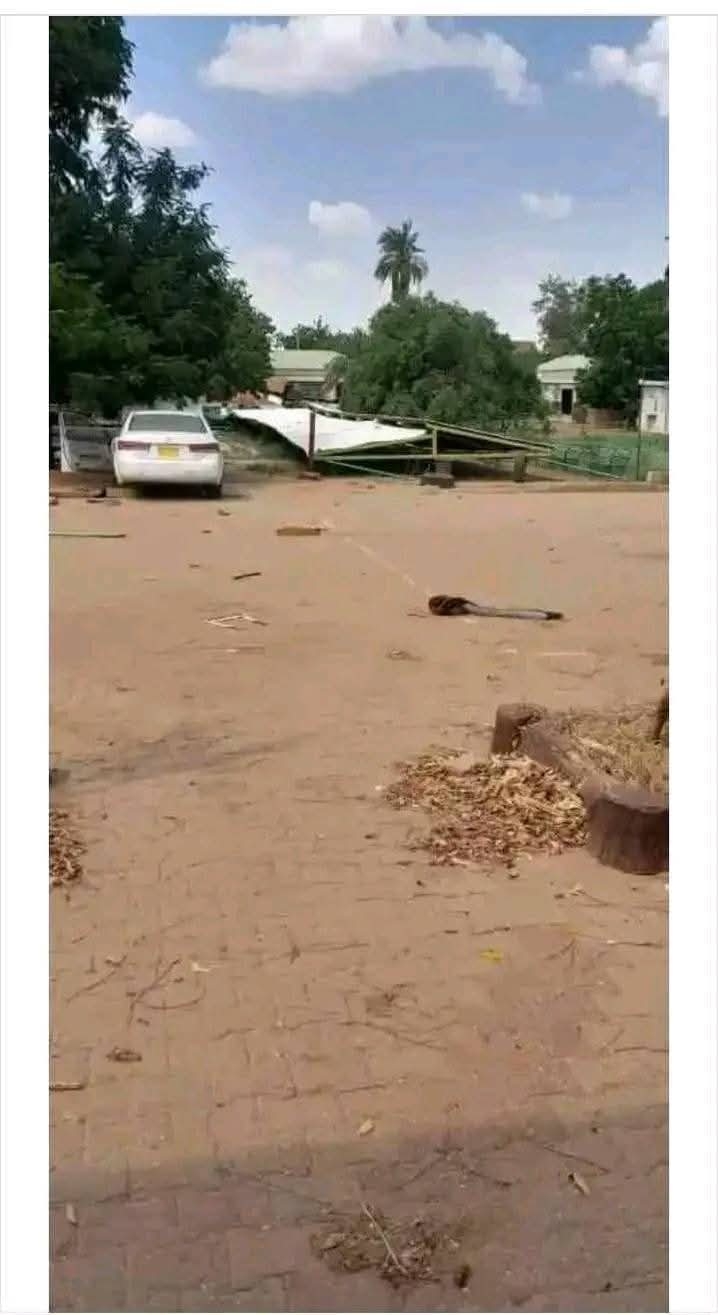
The war has deprived many blind individuals of their fundamental rights to education, rehabilitation, and communication with the world after they lost the devices, technologies, and centers that once served as gateways to knowledge and opportunity. This has intensified their daily struggles and placed their educational and professional aspirations in jeopardy.
Accordingly, renewed appeals are being directed to international and regional humanitarian organizations, disability advocacy groups, charitable institutions, the Sudanese government, and all supportive initiatives to take urgent action to safeguard the future of thousands of blind students now at risk of dropping out of education altogether due to war and destruction.
These students do not need sympathy; they need meaningful support that guarantees their legitimate right to education and a dignified life. Immediate priorities include:
- Providing screen-reader computers and accessible smartphones.
- Rehabilitating audio libraries and educational laboratories.
- Producing textbooks and educational materials in Braille and audio formats.
- Rebuilding educational and rehabilitation institutions destroyed by the war.
- Supporting psychological, social, and vocational training programs for blind individuals.
Supporting blind people is not merely a humanitarian gesture; it is a moral and social responsibility that ensures their full participation in education, dignified living, and community development.
Despite the brutality of war and the scale of destruction, the determination and resilience of blind students to continue their educational and professional journeys remain a powerful source of inspiration, demonstrating that human will can overcome even the most severe hardships.
Post your comments
Photo of the Week
From Medical Research to the Advancement of Specialized Healthcare: A Scientific Career Bridging Knowledge and Community Service Gedaref – Sudanow Professor Saeed Mohamed Omar has achieved a notable scientific milestone by being included among the world’s top 2% of scientists for 2025–2026 in Clinical Medicine, under the General and Internal Medicine subfield,...
More-

11 October, 2026
Stories from the Heart of the Battlefield On World Teachers’ Day: The Sudanese Teacher — Achievements Against All Odds
Teachers carried their chalk through the rubble and kept working — Resilience War closed schools, but examinations continued — A Mission Low salaries and mounting hardships — The Price of the Profession Khartoum (Sudanow) — Teachers around the world are marking World Teachers’ Day this week, an occasion that carries messages of appreciation and gratitude for those who carry the torch of knowledge...

Contact Us

Address: Sudan News Agency (SUNA) Building, Jamhoria Street, Khartoum - Sudan
Mobile:+249 909220011 / +249 912307547