


Eid al-Adha in Khartoum: Scenes of Recovery After Years of War and Displacement
01 June, 2026
Security Restores Joy to the Streets... An Exceptional Eid in the Capital
The Return of Families, Markets, and Sacrificial Livestock Signals Recovery
Crowded Markets, Family Reunions, and Renewed Social Life Reflect a City Regaining Its Spirit
Eid Celebrations Blend with Gratitude to the Fallen and Hope for the Future
With a spirit unlike that of previous years, Sudan’s capital, Khartoum, regained part of its lost radiance during Eid al-Adha, dressing once again in the colors of celebration after years overshadowed by war, displacement, and exile. As the morning sun rose on Eid day, the city appeared noticeably more vibrant and active. Joyful scenes returned to its streets, neighborhoods, and markets, reflecting the population’s growing aspiration for stability and a return to normal life.
Joy Prevails
Khartoum experienced an exceptional Eid atmosphere compared to previous celebrations held under the shadow of war and its devastating consequences. Signs of festivity gradually returned to a city that had long suffered from conflict. Markets and shops were crowded with citizens purchasing Eid necessities, while residential neighborhoods regained some of their vitality as large numbers of families returned to their homes following significant improvements in security and stability across many areas.
Movement resumed along major roads and public squares, and parks and recreational sites witnessed increased attendance from families celebrating the holiday. The scenes recalled the Khartoum that Sudanese people have long known—a city alive with social interaction and communal spirit.
Markets Regain Momentum
In the days leading up to Eid, major markets across the capital witnessed heavy activity as citizens flocked to purchase clothing, food supplies, sweets, and hospitality essentials. The bustling commercial atmosphere reflected a gradual restoration of confidence in the markets and an increase in economic activity despite rising prices.
Authorities in Khartoum State played a notable role in ensuring the success of the season through comprehensive security and organizational plans that facilitated smooth commercial activity and improved public transportation services. These efforts created a safer and more stable environment for both merchants and consumers during the holiday period.
Livestock Markets Thrive Again
Livestock markets across the capital also experienced remarkable activity, with large numbers of citizens purchasing sacrificial animals. Significant quantities of sheep and livestock continued to arrive despite the difficult conditions affecting traditional production areas in Kordofan and Darfur.
Market observations indicated that the war had not completely disrupted supply chains. Producers and traders managed to transport substantial numbers of animals to Khartoum, providing buyers with a wide range of options. While some sacrificial animals remained affordable for many citizens, prices of premium breeds and heavier sheep rose sharply, often driven upward by intermediaries and brokers.
Neighborhoods Revive Eid Traditions
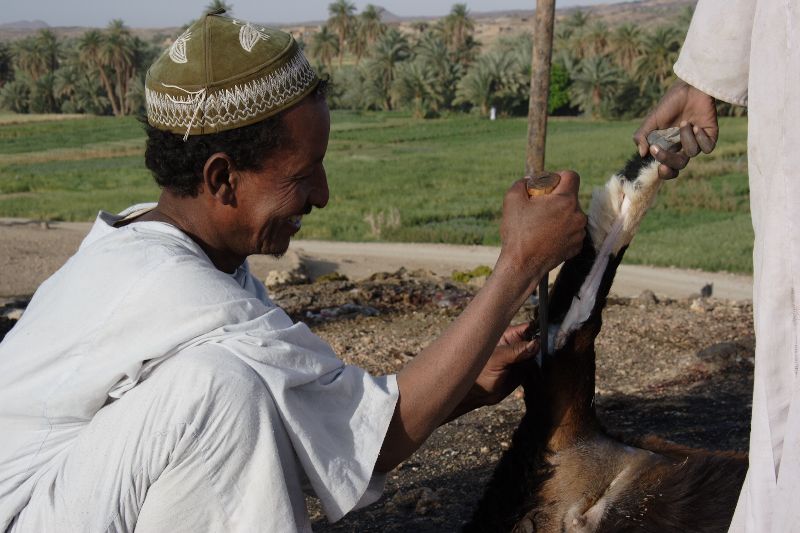
In residential neighborhoods, authentic Sudanese Eid traditions returned in full force. Citizens performed Eid prayers in open grounds, public squares, and mosque courtyards amid an atmosphere of faith, joy, and reassurance. The prayers were followed by animal sacrifices, family visits, and exchanges of Eid greetings among relatives, neighbors, and friends.
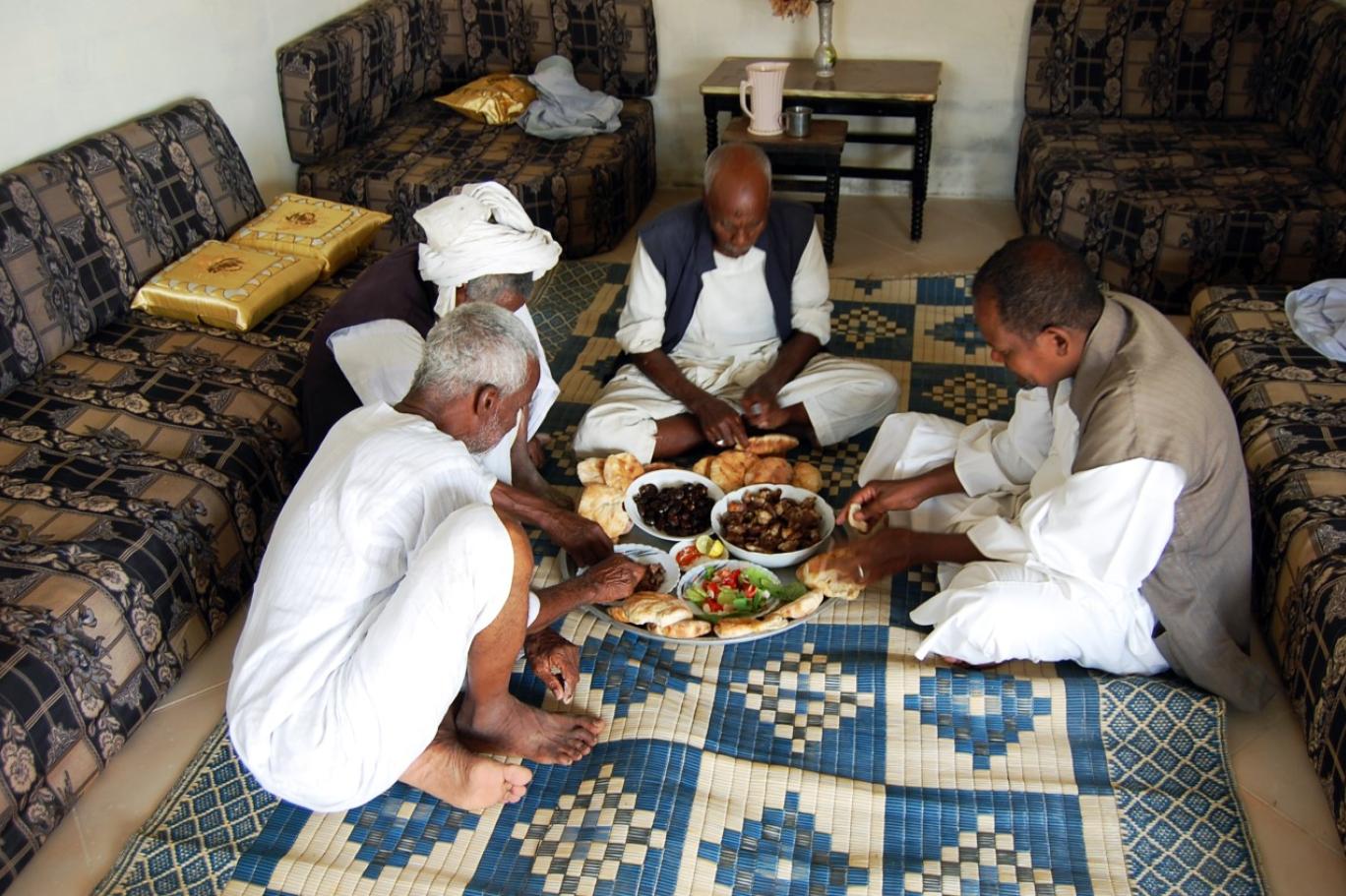
Among the most touching scenes were reunions between loved ones separated for years by war and displacement. Smiles mixed with tears of happiness as families embraced once again. The familiar sights of sacrificial slaughter in front of homes, the aroma of grilled meat filling the streets, and gatherings in communal courtyards and reception areas all contributed to the festive mood.
Neighbors and friends shared meals, stories, and memories, while enjoying traditional drinks such as Sharbot, a longstanding Sudanese beverage closely associated with Eid al-Adha celebrations.
Honoring Those Who Gave So Much
Citizens did not forget the sacrifices made by the Sudanese Armed Forces and supporting forces in restoring security and stability to the capital. Many expressed gratitude to those who contributed to bringing peace back to Khartoum, emphasizing that the current atmosphere of celebration would not have been possible without those sacrifices.
Residents also remembered the fallen soldiers and martyrs, praying for mercy upon them, wishing a speedy recovery to the wounded, and hoping for the safe return of those still missing. They expressed a collective desire for peace and stability to prevail throughout Sudan.
A Different Kind of Eid
Journalist and Editor-in-Chief of the Land of Sudan platform, Khalid Al-Faki, described this year’s Eid in Khartoum as distinctly different from previous celebrations held during wartime conditions.
In remarks to Al-Karama, Al-Faki noted that signs of Eid gradually returned to the capital as markets became crowded with shoppers and neighborhoods grew livelier with the return of many families to their homes. He highlighted the revival of social gatherings, family visits, and religious observances conducted in a far more stable environment than in the previous two years.
According to Al-Faki, improvements in electricity, water, and telecommunications services in several areas also contributed to better living conditions and helped citizens prepare for Eid more comfortably.
He emphasized that this year’s celebration combines the joy of Eid with renewed hope for continued recovery and reconstruction. Khartoum, he said, appears far more vibrant than it did during the past two years, with increased activity in streets, markets, and neighborhoods reflecting improved security and services.
Al-Faki added that the significance of this Eid extends beyond religious rituals and festive customs. It is equally reflected in the return of security, the reunification of families, and the revival of community life—factors that have given the occasion a uniquely human and national dimension.
A Message of Hope
Between crowded markets, bustling livestock yards, heartfelt family reunions, and the sound of Eid takbirs echoing once again across the capital, Khartoum seemed to be announcing the beginning of a new chapter of recovery.
This year's Eid evolved from a religious occasion into a powerful message of hope—one that affirms Khartoum’s ability to rise from the devastation of war, reclaim its vitality and stature, and demonstrate that the city's will to live remains stronger than all the challenges it has endured.
Post your comments
Photo of the Week

Khartoum (Sudanow) — Today, the Muslim Ummah celebrates the blessed occasion of Eid Al-Adha. The editorial family of Sudanow Magazine extends its heartfelt congratulations and best wishes to the great Sudanese people and to the Islamic nation across the world, praying to Almighty Allah to return this occasion upon us for many years to come while our homeland enjoys peace, s...
More-

31 May, 2026
Stories from the Heart of the Battlefield War Extinguishes the Light of Knowledge: Destruction of Education and Rehab
Khartoum (Sudanow) — The war ignited by the rebel militia in Sudan was not merely a military confrontation; it evolved into a humanitarian and civilizational catastrophe that targeted Sudanese people, their security, education, and future. The destruction extended to universities, institutes, and educational centers, extinguishing many of the beacons of knowledge that had, for decades, graduated generations and nurtured ho...

Contact Us

Address: Sudan News Agency (SUNA) Building, Jamhoria Street, Khartoum - Sudan
Mobile:+249 909220011 / +249 912307547