


Molokhia: A Hidden Treasure of Nutrition and Medicine
07 June, 2026
Khartoum (Sudanow) — Known in Sudanese colloquial language simply as "Al-Khudra" (the green dish), molokhia is a leafy green plant distinguished by its rich texture, deep green color, and remarkable nutritional value. It is considered one of the oldest traditional dishes associated with the ancient Kushite civilization, where it was known as "Mulukhiya" or "the food of kings." Deeply rooted in cultural heritage and folklore, molokhia continues to hold a special place in Sudanese cuisine and collective memory.

To explore its nutritional and medicinal significance, Sudanow interviewed Dr. Mohamed Osman Maisara, Consultant in Community Medicine and Public Health, expert in traditional and complementary medicine, member of the Permanent Committee for Medicinal and Aromatic Plants, and Chairman of the Founding Committee for Alternative and Integrative Medicine Schools at the Ministry of Health.
Dr. Maisara described molokhia as one of Sudan’s most beloved traditional foods, commonly served with sorghum flatbread (kisra) and enjoyed by people of all ages. Rich in fiber, minerals, vitamins, and proteins, molokhia is distinguished as one of the most potent green vegetables in terms of antioxidant content, including flavonoids, carotenoids, and Vitamin A.
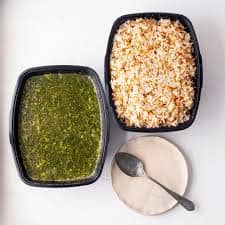
The plant can be harvested within three to four weeks after planting and continues to regenerate for repeated harvests. It can be consumed fresh, mashed, boiled, dried, frozen, or served alongside rice dishes. Its soft texture makes it easy to chew, swallow, and digest, while its fiber content promotes healthy bowel movement and digestive function.
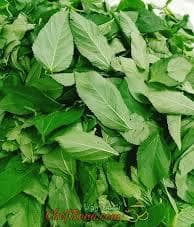
In Sudan, molokhia is widely cultivated in the Northern State, River Nile State, Khartoum, and Al-Jazirah regions. It is also a major crop in oasis communities, where it is often preserved in dried form due to climatic conditions. Oasis-style molokhia dishes are particularly known for their thick consistency.
Exceptional Nutritional Value
According to Dr. Maisara, every part of the molokhia plant contributes significantly to therapeutic nutrition, traditional medicine, and public health. Beyond human consumption, it also supports animal health and serves as a valuable component in livestock feed and nutritional supplements. Furthermore, the plant contributes to soil fertility through nitrogen fixation.

Molokhia leaves contain magnesium, manganese, selenium, phosphorus, calcium, and Vitamins A and C, making them an important component of preventive healthcare.
Benefits for Young Adults
For young people, molokhia supports physical performance and daily energy levels, enhances concentration, promotes muscle development, and contributes to muscle recovery due to its protein content. It also aids skin regeneration, helps combat acne through Vitamins A and E, and may contribute to improved sexual vitality.
Benefits for Older Adults
For seniors, molokhia helps preserve brain cells, supports memory function, and may reduce the risk of Alzheimer's disease and age-related cognitive decline. Its phosphorus, zinc, and manganese content contributes to mental health and cognitive performance.

Additionally, it helps strengthen bones, reduce fracture risk, enhance immunity, calm the nervous system, regulate blood sugar levels, support eye health, reduce inflammation, and protect against chronic diseases due to its antioxidant properties. Some Japanese studies have also linked molokhia consumption to lower cholesterol levels and improved cardiovascular health.
Benefits for Children
For children, molokhia supports healthy growth and bone development because of its calcium content and may help reduce the frequency of infections and inflammatory illnesses.
Benefits for Women and Pregnant Mothers
Dr. Maisara describes molokhia as a safe and beneficial natural pharmacy for women, particularly during pregnancy. Rich in iron, copper, and folic acid, it helps prevent anemia and supports fetal growth while reducing the risk of congenital abnormalities.
Molokhia may also support fertility, help regulate hormonal balance, and protect against osteoporosis after menopause. Its high fiber content can relieve constipation commonly associated with pregnancy and may reduce the risk of hemorrhoids.
Traditional and Medicinal Uses
Molokhia roots have long been used in traditional medicine as a diuretic and as a remedy for abdominal pain after proper boiling. The plant’s seeds and flowers contain aromatic oils utilized in pharmaceutical manufacturing due to their rich bioactive compounds.
Certain extracts derived from molokhia are used in pharmaceutical preparations for patients suffering from rheumatic heart disease and weakened cardiac muscles. Some studies also suggest that molokhia may help protect the stomach lining, reduce ulcer risk, improve blood sugar regulation, and alleviate symptoms associated with rheumatoid arthritis and joint inflammation.
However, because molokhia contains relatively high levels of potassium and mineral salts, individuals with chronic kidney disease may need to moderate their intake.
Economic Importance
Dr. Maisara emphasizes that molokhia is not only nutritionally valuable but also economically significant. A single feddan can produce up to 20 tons of leaves and approximately 2 tons of roots.
The plant is used in numerous industries. Its fibers are utilized in paper manufacturing, textiles, ropes, bags, coarse fabrics, and sacks through the extraction of jute fibers from its stems. Pigments derived from the plant are incorporated into cosmetic products and skincare formulations.
Molokhia is also processed through freezing and drying technologies for food industries and nutritional supplements. Its stems and leaves serve as an affordable alternative feed source during periods of pasture shortages, supporting livestock production.
A Crop for the Future
Concluding his remarks, Dr. Maisara called for greater investment in molokhia cultivation and the expansion of value-added industries such as freezing, drying, and food processing. He stressed the importance of introducing molokhia to international markets, highlighting its environmental benefits, contributions to human and animal health, and extensive industrial applications.
With its low production costs and high yields, molokhia has the potential to create employment opportunities for young people, strengthen the national economy, and contribute significantly to increasing household and national income.
Post your comments
Photo of the Week

Khartoum | Sudanow Muslims around the world commemorate the birth of the Prophet Muhammad, peace and blessings be upon him (PBUH), during the month of Rabi’ al-Awwal, recalling a message that transformed human society and emphasized mercy, justice, brotherhood and human dignity. On this occasion, the editorial team of Sudanow Magazine extends its sincere greetings to Musl...
More-

30 August, 2026
Stories from the Heart of the Battlefield From a University of Khartoum Professor to a Vegetable Seller in Cairo
Cairo (Sudanow) In one of Cairo’s neighborhoods, where the stories of passersby intersect with the details of everyday life, the story began with a quiet-faced Sudanese man standing behind a small vegetable stall. He carefully arranged tomatoes and greens, selling them with a smile. Few of those passing by knew that the man they addressed so simply had spent years of his life in lecture halls and scientific research labor...

Contact Us

Address: Sudan News Agency (SUNA) Building, Jamhoria Street, Khartoum - Sudan
Mobile:+249 909220011 / +249 912307547