


On the Hearths of the Community Kitchens, the Meaning of Homeland Was Forged
08 June, 2026
In Arabic, the word Takia originally denotes a place of support and refuge. Historically, it has also referred to spaces dedicated to hospitality, where food is offered to the needy and to travelers. Yet some words outgrow their dictionary definitions, acquiring deeper meanings shaped by extraordinary moments in history. Such is the story of Sudan’s community kitchens during the recent war.
As conflict swept across the country, disrupting daily life, weakening public services, and displacing countless families, these community kitchens emerged not through official plans or institutional directives, but from the very heart of society. Young people, women, and elders came together with a shared conviction: that no one should face hunger while there remained food that could be shared.
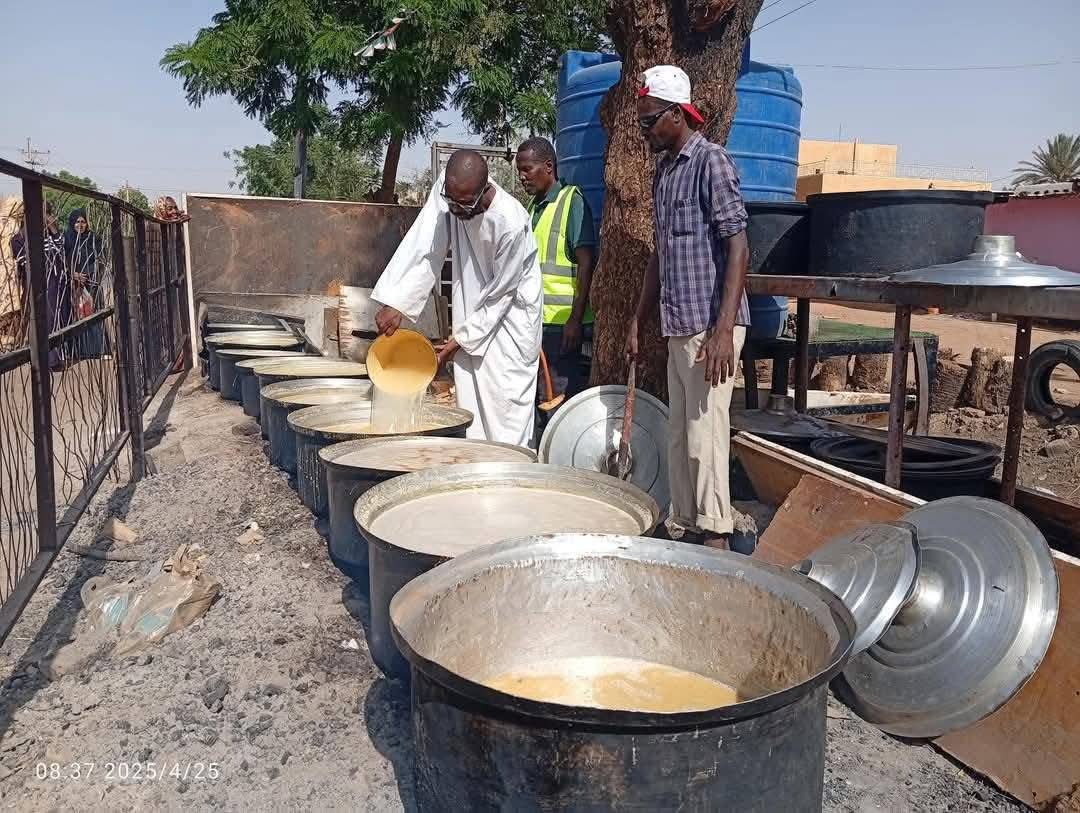
These kitchens were far more than places where meals were prepared. They became living symbols of solidarity and compassion. Every plate served carried a message of mutual care, and every gathering around a cooking fire affirmed that, despite the devastation of war, the bonds that unite a community can endure. While conflict sought to divide people, the community kitchens brought them together around a common humanity that transcended social, political, and regional differences.
In doing so, they revealed a side of Sudan rarely captured by headlines or political debates. It was the Sudan of ordinary people whose generosity outweighed their scarcity, and whose belief in human dignity remained unshaken even in the most difficult circumstances. Their contribution was not merely material; it was moral, emotional, and social. They offered reassurance in times of fear and restored a sense of belonging in a period marked by uncertainty and displacement.

Perhaps the most enduring legacy of this experience is the way it redefined the meaning of homeland itself. A homeland is not only territory, borders, or institutions. It is a shared system of values that inspires people to stand beside one another when adversity strikes. The true measure of a nation is revealed not in moments of comfort, but in moments of trial—when generosity becomes a responsibility and compassion a necessity.
The war will eventually pass, and life will find its way back to normality. Yet the story of these community kitchens will remain one of the brightest chapters in the memory of Sudanese society. They were not merely emergency relief efforts; they were acts of collective humanity that preserved dignity and embodied the principles of mercy, solidarity, and shared responsibility.
When the history of this period is written, it will not remember only the echoes of gunfire. It will also remember the humble fires that burned in neighborhoods, villages, and towns across Sudan. For on those hearths, more than food was prepared. There, the meaning of homeland itself was forged, proving that the greatness of a people is measured not by what they possess in times of abundance, but by what they willingly give to one another in times of hardship.
—Abu Yaman
Post your comments
Photo of the Week
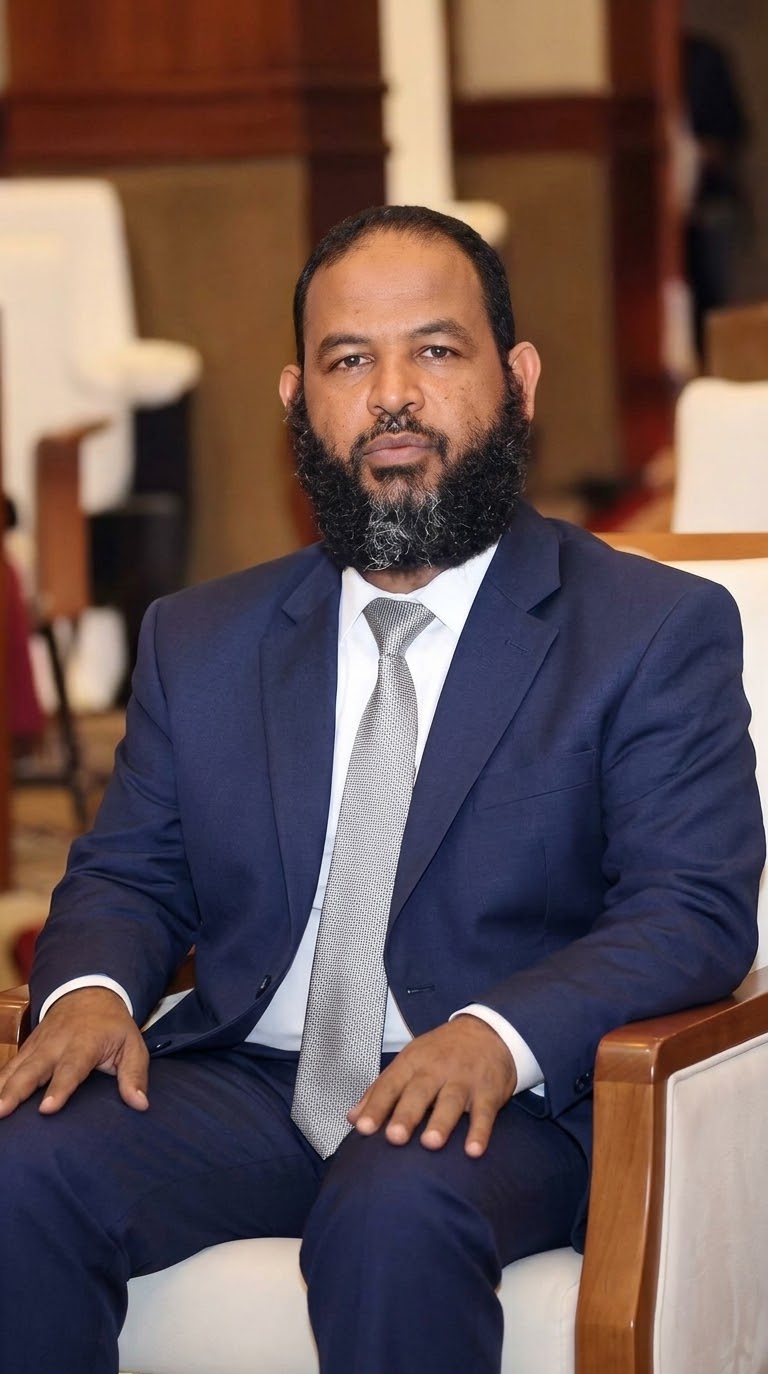
From Medical Research to the Advancement of Specialized Healthcare: A Scientific Career Bridging Knowledge and Community Service Gedaref – Sudanow Professor Saeed Mohamed Omar has achieved a notable scientific milestone by being included among the world’s top 2% of scientists for 2025–2026 in Clinical Medicine, under the General and Internal Medicine subfield,...
More-

11 October, 2026
Stories from the Heart of the Battlefield On World Teachers’ Day: The Sudanese Teacher — Achievements Against All Odds
Teachers carried their chalk through the rubble and kept working — Resilience War closed schools, but examinations continued — A Mission Low salaries and mounting hardships — The Price of the Profession Khartoum (Sudanow) — Teachers around the world are marking World Teachers’ Day this week, an occasion that carries messages of appreciation and gratitude for those who carry the torch of knowledge...

Contact Us

Address: Sudan News Agency (SUNA) Building, Jamhoria Street, Khartoum - Sudan
Mobile:+249 909220011 / +249 912307547