


Sudanese Delegation Intensifies Diplomatic and Economic Efforts on the Sidelines of Azerbaijan Meetings
21 June, 2026
Sudanese Delegation Mobilizes International Support
Review of War Damage and Condemnation of the Militia
Regional and International Commitments to Support Sudan’s Reconstruction
Islamic Development Bank Pledges Continued Assistance
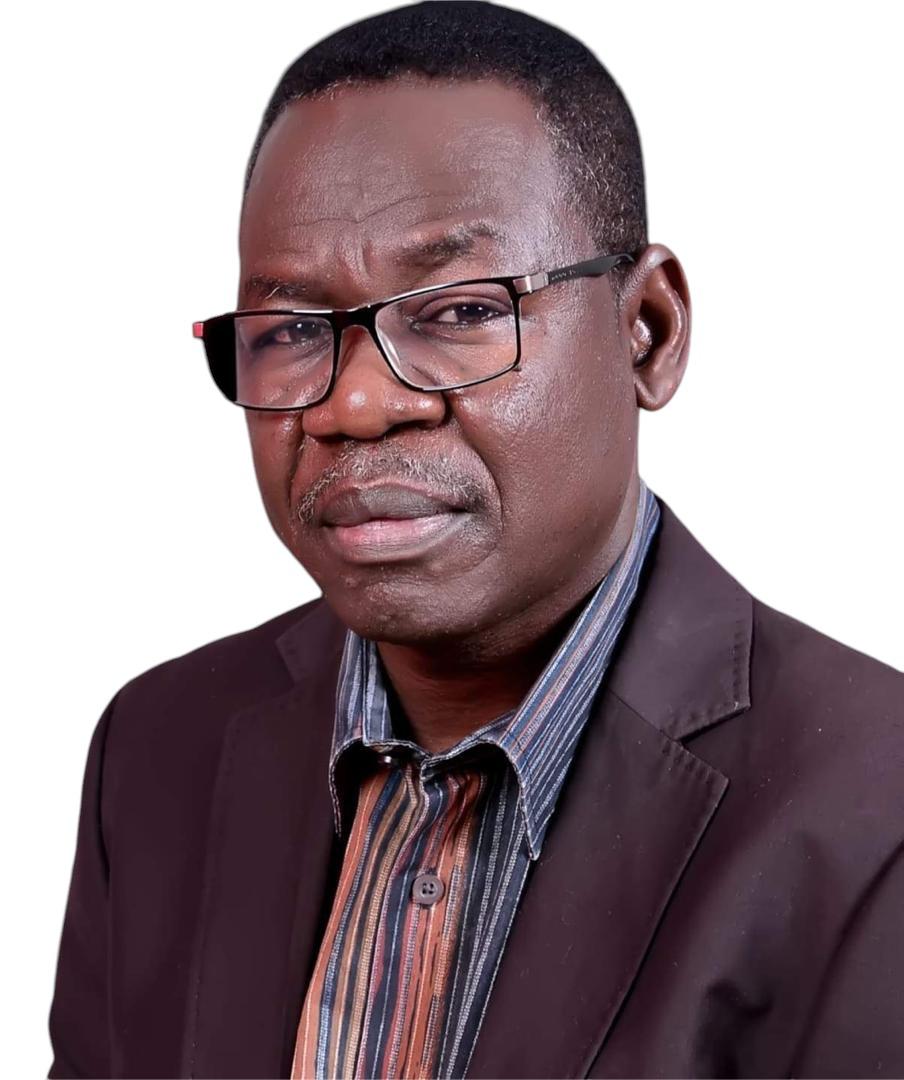
The Sudanese Ministry of Finance and Economic Planning delegation intensified its diplomatic and economic engagements on the sidelines of the 51st Annual Meetings of the Islamic Development Bank (IsDB) Group in Baku, Azerbaijan. The delegation sought to mobilize political, economic, and developmental support necessary for rebuilding the country and restoring economic growth and development.
The Minister of State at the Ministry of Finance and Economic Planning, Counselor Mohamed Nour Abdel Daim, held a series of high-level meetings with officials from regional and international financial and development institutions, as well as finance ministers from brotherly and friendly countries. Discussions focused on supporting Sudan’s efforts to overcome the consequences of the war, address economic challenges, and secure funding for recovery and reconstruction projects aimed at promoting stability and sustainable development.
Commitment to Supporting Sudan
One of the most significant meetings was with Abdelrabah Abdous, Vice President of the Islamic Development Bank Group for Finance. He reaffirmed the Group’s full solidarity with Sudan under the exceptional circumstances it faces and stressed the Bank’s commitment to continuing its support during the coming phase.
During the meeting, Mohamed Nour Abdel Daim outlined the extensive destruction and losses caused by the rebel militia, which affected vital sectors including infrastructure, basic services, and production facilities. He emphasized that Sudan faces enormous challenges requiring urgent international assistance to rebuild and revive economic activity.
The assurances provided by the Islamic Development Bank conveyed an important message of confidence regarding the continuation of its partnership with Sudan. The Group remains one of the largest financing institutions that has contributed over decades to implementing strategic development and service projects across the country.
Agriculture and IFAD Priorities
As part of efforts to revive the agricultural sector, the Minister of State met with Noufel Telahigue, Regional Director of the International Fund for Agricultural Development (IFAD) for North Africa, Europe, and Central Asia.
The discussions focused on resuming financing for agricultural projects in Sudan and arrangements for addressing and rescheduling overdue debts owed to the Fund.
The Regional Director affirmed that Sudan remains a priority country for IFAD, given the severe damage inflicted on the agricultural sector by the war, despite its role as one of the pillars of the national economy and a primary source of income and food security for millions of citizens.
He expressed understanding of Sudan’s challenges and confirmed IFAD’s readiness to continue coordinating with the Sudanese government to support programs aimed at restoring agricultural activity, enhancing food security, and improving livelihoods in rural areas. These indicators reflect growing international interest in rehabilitating agriculture as a key gateway to economic recovery.
Coordination with Qatar
On the bilateral front, Mohamed Nour Abdel Daim met with Qatari Minister of Finance Ali bin Ahmed Al Kuwari to discuss prospects for strengthening financial and investment cooperation between the two countries.
The meeting addressed Sudan’s debt treatment and restructuring of financial obligations as part of broader efforts to enhance economic stability and reintegrate Sudan into the regional and international financial system.
The meeting is particularly significant given the growing economic ties between Khartoum and Doha and the potential role of Qatari investments as a major driver of recovery and reconstruction programs in the coming years.
Saudi Arabia’s Support
Among the delegation’s key engagements was a meeting with Saudi Minister of Finance Mohammed bin Abdullah Al-Jadaan. The two sides discussed ways to strengthen financial and economic cooperation, support debt-relief efforts, and provide financing for economic recovery and reconstruction programs.
The meeting reflects Saudi Arabia’s continued support for Sudan in regional and international forums, particularly amid the economic and humanitarian challenges facing the country.
The Sudanese-Saudi partnership holds added significance due to the Kingdom’s economic influence and its prominent role within regional and international financial institutions, as well as its expected contributions to rebuilding infrastructure and restoring essential services.
Somali Solidarity
As part of strengthening cooperation among member states of the Islamic Development Bank Group, Mohamed Nour Abdel Daim met with Somalia’s Minister of Finance, Bihi Iman Egeh, who expressed his country’s full solidarity with Sudan in confronting the repercussions of the current crisis.
The Somali minister stressed the importance of expanding economic and developmental cooperation and exchanging expertise in post-crisis reconstruction and recovery.
In turn, Abdel Daim emphasized the importance of enhancing joint action among member states and benefiting from available initiatives, particularly the Recovery, Resilience, and Reconstruction (RRR) Program. He noted that Sudan seeks to expand its development partnerships and utilize available resources and expertise to support reconstruction efforts, restore essential services, and strengthen community resilience.
Messages from Baku
Economic analysts believe that the intensive meetings conducted by Sudan’s delegation during the annual meetings in Baku signal an important shift in Sudan’s economic discourse—from focusing solely on the consequences of war to systematically mobilizing resources and partners for the post-war phase.
These efforts also reflect a growing understanding among international financial and development institutions of the scale of Sudan’s challenges, coupled with a clear willingness to support reconstruction through direct financing, debt rescheduling, and the resumption of suspended development projects.
An Important Conclusion
Overall, the outcomes of the meetings held by Minister of State Mohamed Nour Abdel Daim on the sidelines of the Islamic Development Bank Group’s 51st Annual Meetings indicate that Sudan has begun building a regional and international support network that could serve as a solid foundation for recovery and reconstruction programs, particularly in agriculture, infrastructure, and basic services.
However, the success of these efforts will ultimately depend on Sudan’s ability to achieve stability, create a favorable environment for financing and investment, and translate political commitments into tangible programs and projects capable of rebuilding what the war has destroyed and placing the national economy on a path toward sustainable recovery and growth.
Post your comments
Photo of the Week

Khartoum (Sudanow) — "The full moon has risen upon us from the hills of Wada'. Gratitude is incumbent upon us as long as there are those who call upon Allah. O you who have been sent among us, bringing a command to be obeyed, You have honored Madinah by your arrival; welcome, O best of callers to Allah." With these famous verses, the people of Yathrib (...
More-

14 June, 2026
Stories from the Frontlines of War. At the Threshold of Waiting: Stories of Families Searching for Their Loved Ones
Khartoum (Sudanow) — Wars are not measured only by the number of the wounded and the dead, but by the silent voids they leave in the hearts of the living. These voids are created by forced absence, when a person becomes an unknown number or a name suspended between hope and despair. As the war in Sudan enters its fourth year, one of its most painful tragedies continues to unfold: the growing and increasingly complex issue ...

Contact Us

Address: Sudan News Agency (SUNA) Building, Jamhoria Street, Khartoum - Sudan
Mobile:+249 909220011 / +249 912307547