


Chickpeas: Nutrition, Medicine, and Beauty for Every Stage of Life
28 June, 2026
Khartoum (Sudanow) – Chickpeas (locally known in Sudan as Kabkabi) are among the oldest legumes known to humanity and one of the richest plant-based foods in terms of nutritional value. They provide a high proportion of the body's essential nutrients. To explore their nutritional and therapeutic importance, Sudanow interviewed Dr. Mohamed Osman Maisarah, Consultant in Community Medicine and Public Health, expert in Traditional and Complementary Medicine, member of the Permanent Committee for Medicinal and Aromatic Plants, and Chairman of the Committee for Establishing Traditional and Complementary Medicine Schools at the Ministry of Health.

Dr. Maisarah explained that chickpeas hold a special place in Sudanese culture, serving as a staple food during social occasions and especially throughout the holy month of Ramadan, where they are commonly prepared as ta'amiya (falafel), soup, and boiled chickpeas (balila). They are also a popular fast-food choice among school and university students.
Chickpeas are cultivated across vast regions of Sudan due to their adaptability to diverse climates and soil types. They are grown as rain-fed crops in Darfur and Kordofan and along the Nile in River Nile State, Northern State, Al-Qadarif, and Al-Jazirah, where fertile clay soils rich in organic matter provide ideal growing conditions.
Historically, chickpeas have been mentioned in sacred scriptures as a blessed staple food. They are among the legumes referred to in the Holy Qur'an and have featured prominently in many ancient civilizations. In the Kushite civilization, chickpeas were regarded as a royal food because of their rich protein and fiber content. They also held religious significance, with chickpea seeds placed in some ancient tombs to accompany the deceased on their journey to the afterlife.
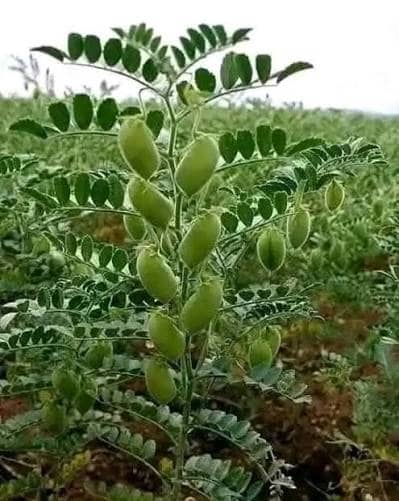
There are two principal varieties of chickpeas, from which numerous cultivars differ in size, shape, and color. The most common is the yellow chickpea, followed by the green variety, often eaten as a snack, and the black chickpea, which is rich in antioxidants and frequently used in beverages.
Chickpeas can be consumed ground into flour, boiled, cooked with meat, or served with olive oil, lemon, and seasonings in salads to enhance nutritional value and promote satiety. During Ramadan, boiled chickpeas and chickpea drinks are especially popular as nourishing foods that provide sustained energy while supporting healthy weight management.
Nutritional and Therapeutic Benefits
According to Dr. Maisarah, chickpeas are an excellent therapeutic food suitable for children from the age of one year. They are rich in plant protein, essential amino acids, choline, and omega-3 fatty acids, all of which support growth, strengthen immunity, preserve brain cell function, improve concentration and learning, and help prevent anemia.
Their calcium and phosphorus content contributes to stronger bones and muscles.
For young adults, chickpeas are valuable because they contain zinc, antioxidants, and folic acid, which support male hormonal health, enhance sexual vitality, promote muscle development, improve concentration, and increase energy—particularly for physically active individuals and athletes.
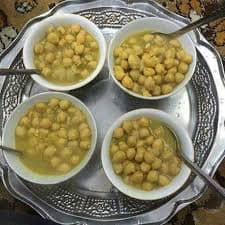
For older adults, chickpeas are an ideal dietary choice when introduced gradually in mashed or boiled form. Their low glycemic index helps regulate blood sugar levels, while their fiber content contributes to lowering cholesterol, controlling high blood pressure, supporting heart health, and nourishing beneficial intestinal bacteria.
Dr. Maisarah also noted that chickpeas may assist individuals with Alzheimer's disease by supporting attention and memory. Their zinc, choline, and phosphorus content may also help reduce wrinkles and delay visible signs of aging.
Benefits for Women
Chickpeas offer important health benefits throughout every stage of a woman's life. Their antioxidant compounds may contribute to reducing the risk of breast and uterine cancers.
They also contain phytoestrogens (plant estrogens), which help maintain hormonal balance, easing menopausal symptoms such as pain and mood fluctuations.
In addition, chickpeas promote healthy skin, strengthen hair follicles, and help reduce hair loss.
For pregnant women, chickpeas are particularly important because their folic acid content supports fetal nervous system development and helps reduce the risk of neural tube defects.
Their dietary fiber also relieves constipation and reduces hemorrhoid-related discomfort, common during pregnancy.
For breastfeeding mothers, chickpeas are believed to support milk production and improve milk quality. They provide high-quality plant protein essential for infant growth and are rich in calcium and B vitamins, benefiting both mother and child. According to the Journal of Human Lactation, chickpeas are recognized as one of the natural foods traditionally associated with supporting breastfeeding.
Agricultural and Industrial Uses
Chickpeas are also valuable in animal nutrition. They are used as dry feed, green fodder, peeled grain, and processed meal. Their straw is a high-protein livestock feed, particularly beneficial for poultry production and improving egg quality in laying hens.
In agriculture, chickpeas enrich soil fertility through nitrogen fixation.
Industrially, chickpeas are used in the production of tahini, falafel, snack foods, appetizers, and vegetable starch for food and pharmaceutical manufacturing.
Researchers have also isolated anthocyanin compounds from chickpea seeds, which possess medicinal properties and may aid in wound healing and the treatment of gastric ulcers. Chickpeas are increasingly incorporated into cosmetic and skincare products because of their nourishing properties.
In modern food industries, chickpea flour serves as a gluten-free alternative to wheat flour in baked goods, pasta, and plant-based foods. It is also a key ingredient in manufacturing plant-based meat alternatives.
Recommendations
Dr. Maisarah concluded by recommending that Sudan expand chickpea cultivation because of its growing economic and industrial importance. Increased production could support modern industries focused on alternative plant proteins, gluten-free foods, natural cosmetics, improved livestock feed, dairy support products, and poultry farming.
He emphasized that expanding chickpea cultivation would contribute to food security, stimulate rural development, create employment opportunities for young people through small-scale agro-processing industries, strengthen the national economy, and enhance Sudan's agricultural sustainability.
Post your comments
Photo of the Week

Khartoum | Sudanow Muslims around the world commemorate the birth of the Prophet Muhammad, peace and blessings be upon him (PBUH), during the month of Rabi’ al-Awwal, recalling a message that transformed human society and emphasized mercy, justice, brotherhood and human dignity. On this occasion, the editorial team of Sudanow Magazine extends its sincere greetings to Musl...
More-

30 August, 2026
Stories from the Heart of the Battlefield From a University of Khartoum Professor to a Vegetable Seller in Cairo
Cairo (Sudanow) In one of Cairo’s neighborhoods, where the stories of passersby intersect with the details of everyday life, the story began with a quiet-faced Sudanese man standing behind a small vegetable stall. He carefully arranged tomatoes and greens, selling them with a smile. Few of those passing by knew that the man they addressed so simply had spent years of his life in lecture halls and scientific research labor...

Contact Us

Address: Sudan News Agency (SUNA) Building, Jamhoria Street, Khartoum - Sudan
Mobile:+249 909220011 / +249 912307547