


Post-War and the Path to Recovery
28 June, 2026
Khartoum (Sudanow) —
War is not merely a military confrontation that ends with the signing of a peace agreement or the silence of gunfire. It is an earthquake that shakes the human psyche and the very fabric of society. Speaking about the post-war recovery phase, Professor Muath Sharafi, a specialist in psychology, sociology, and education, explains that the post-war period is the real and longest battle because it is about rebuilding people before rebuilding walls.
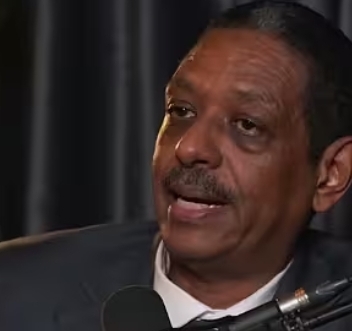
Recovery after major crises follows parallel psychological and social pathways that require a deep understanding of trauma and the processes through which it can be overcome.
1. Psychological Recovery: Rebuilding the Inner Self
Collective trauma caused by war leaves invisible scars. Recovery does not mean forgetting what happened; rather, it means learning how to live again without allowing trauma to dominate the present.
- Addressing Post-Traumatic Stress Disorder (PTSD): Normal reactions to extraordinary events—such as nightmares, heightened anxiety, or emotional detachment—require safe spaces where people can express themselves. Emotional release and talking about traumatic experiences are often the first steps toward healing.
- Building Psychological Resilience: Resilience is the ability to recover and adapt after hardship. It is not an innate quality but one that can be developed by rediscovering personal strengths, focusing on what can be controlled today, and accepting what cannot be changed.
- From a Victim Mindset to a Survivor Mindset: A victim remains trapped by the traumatic event and succumbs to learned helplessness. A survivor acknowledges the pain but seeks meaning and takes purposeful steps toward rebuilding life.
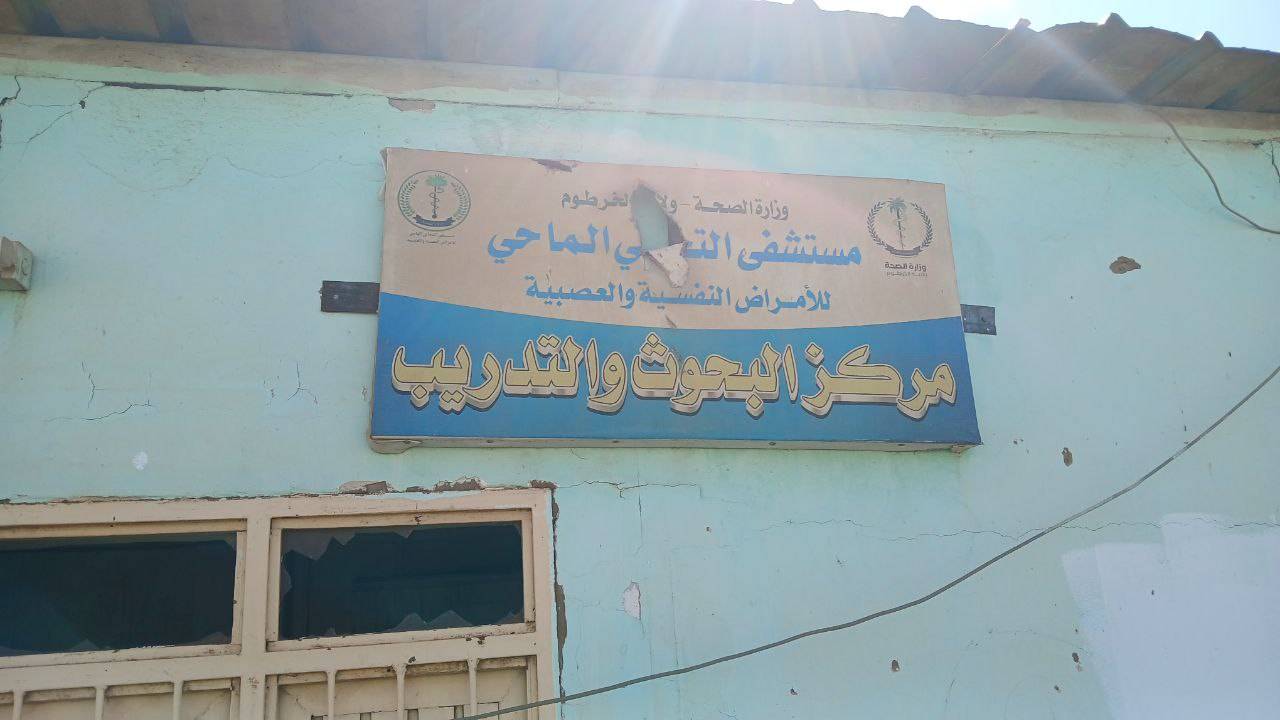
2. Social Recovery: Reweaving the Social Fabric
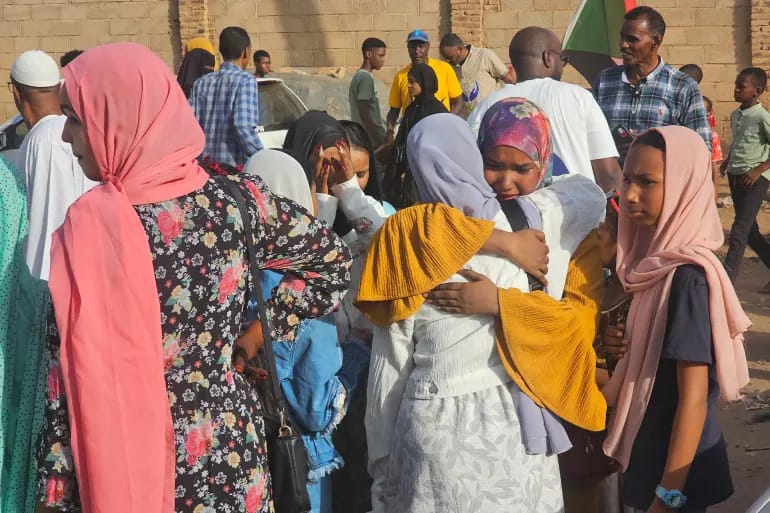
War tears apart communities, weakens trust, and fuels rumors. The post-war period requires a conscious process of social reconstruction to restore cohesion.
- Rebuilding Trust and Social Bonds: Recovery begins within families and neighborhoods before expanding to the wider community. Shared activities and community initiatives serve as the glue that reconnects fractured societies.
- Promoting Dialogue and Overcoming Polarization: Wars often create divisive narratives of "us versus them." Recovery requires establishing a culture of dialogue that emphasizes common ground, respects differences, and rejects mutual accusations, thereby creating a healthier environment for future generations.
- Strengthening Public Awareness Against Rumors: In the fragile period following conflict, misinformation and psychological warfare often intensify. Critical thinking, media literacy, and reliance on credible sources become the first line of defense in protecting collective psychological well-being.
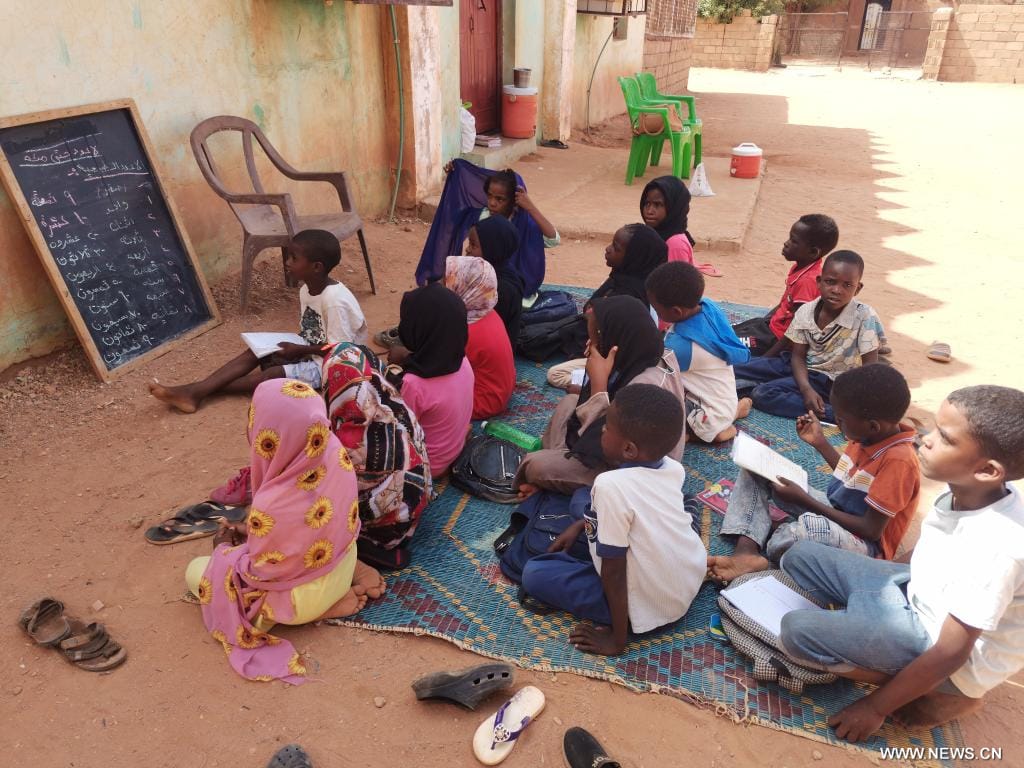
3. Caring for the Next Generation: Youth and Children
Young people and children are among the most affected by war, yet they are also the foundation upon which recovery and the future depend.
- Empowering Young People: During recovery, youth need support in redirecting their energies from mere survival toward productivity, creativity, and innovation. Opportunities in entrepreneurship, education, and skills development restore their sense of purpose and self-worth.
- Healing Childhood Trauma: Children absorb the fears and anxieties of adults. Protecting them from violence and helping them return to school through psychosocial programs that incorporate play, art, and creative activities are essential for healthy emotional development and for preventing withdrawal, aggression, and other behavioral challenges.
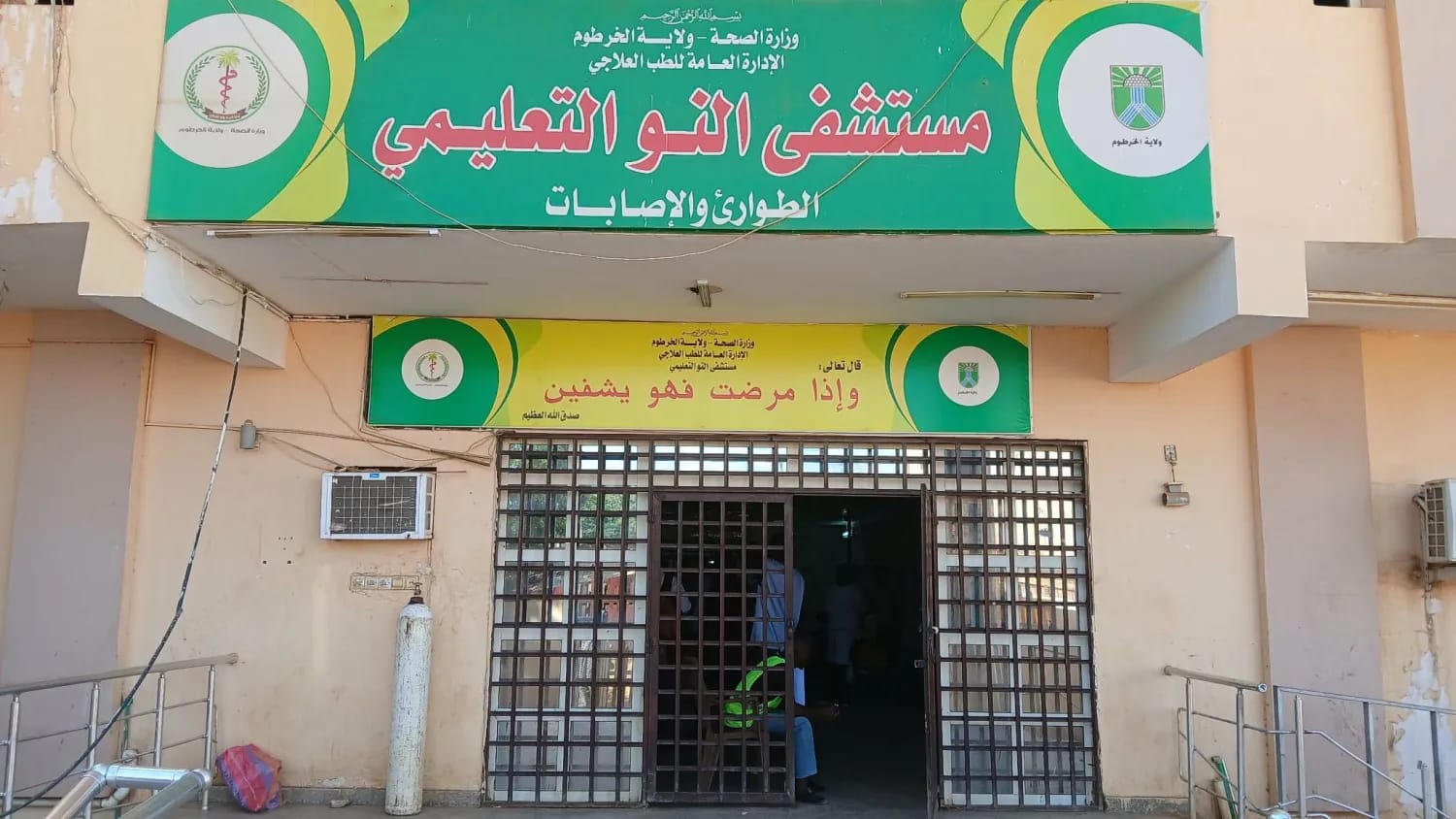
In conclusion, Professor Muath Sharafi emphasizes that recovery is not an event that happens overnight. Rather, it is a dynamic and cumulative process—a daily decision reflected in small but meaningful actions: the way we speak to one another at home, the support we offer to neighbors in need, and our determination to continue learning, working, and rebuilding despite the ashes left behind by war.
Post your comments
Photo of the Week

Cairo (Sudanow) The story began with a chance encounter on the afternoon of the 16th of this month. As I stepped out of my residence in Cairo, I noticed a young Sudanese woman, no older than twenty-four, hurrying through a narrow street crowded with pedestrians. I stepped aside to avoid colliding with her and jokingly remarked, "Take it easy; this is Cairo, not Khartoum." She ap...
More-

28 June, 2026
Stories from the Heart of the Battlefield On the Threshold of Waiting: Stories of Families Searching for Their Missing
Khartoum – Sudanow Wars are not measured solely by the numbers of the wounded and the dead; they are also measured by the silent voids they leave in the hearts of the living. These voids are created by forced absence, when a person becomes an unknown number or a name suspended between hope and despair. As Sudan’s war enters its fourth year, one of its most painful tragedies continues to unfold: the issue of missing persons,...

Contact Us

Address: Sudan News Agency (SUNA) Building, Jamhoria Street, Khartoum - Sudan
Mobile:+249 909220011 / +249 912307547