


The Picture Tells the Story": As Khartoum Reclaimed the Memory of Colors and Lenses
05 July, 2026
Khartoum (Sudanow)
After three years of silence imposed by war on theaters, galleries, and cultural venues, Khartoum has reopened a window onto life through photographs and paintings that carry the memory of an entire nation. At the Omdurman Cultural Center, artists and visitors gathered for the exhibition "The Picture Tells the Story: The Nation's Resilience... Recovery and the Joy of Return," the first photographic and visual arts exhibition held in the capital since the outbreak of the war, signaling that culture is among the first to return to the city.
The exhibition unfolds as a visual journey through pain and hope. Its photographs and artworks narrate the story of a nation that endured war, withstood destruction, and has begun to regain the rhythm of everyday life. More than an art exhibition, it has become a space for reclaiming national memory and a platform demonstrating the power of art to contribute to psychological and social recovery while inspiring hope among citizens returning to their city after years of conflict.
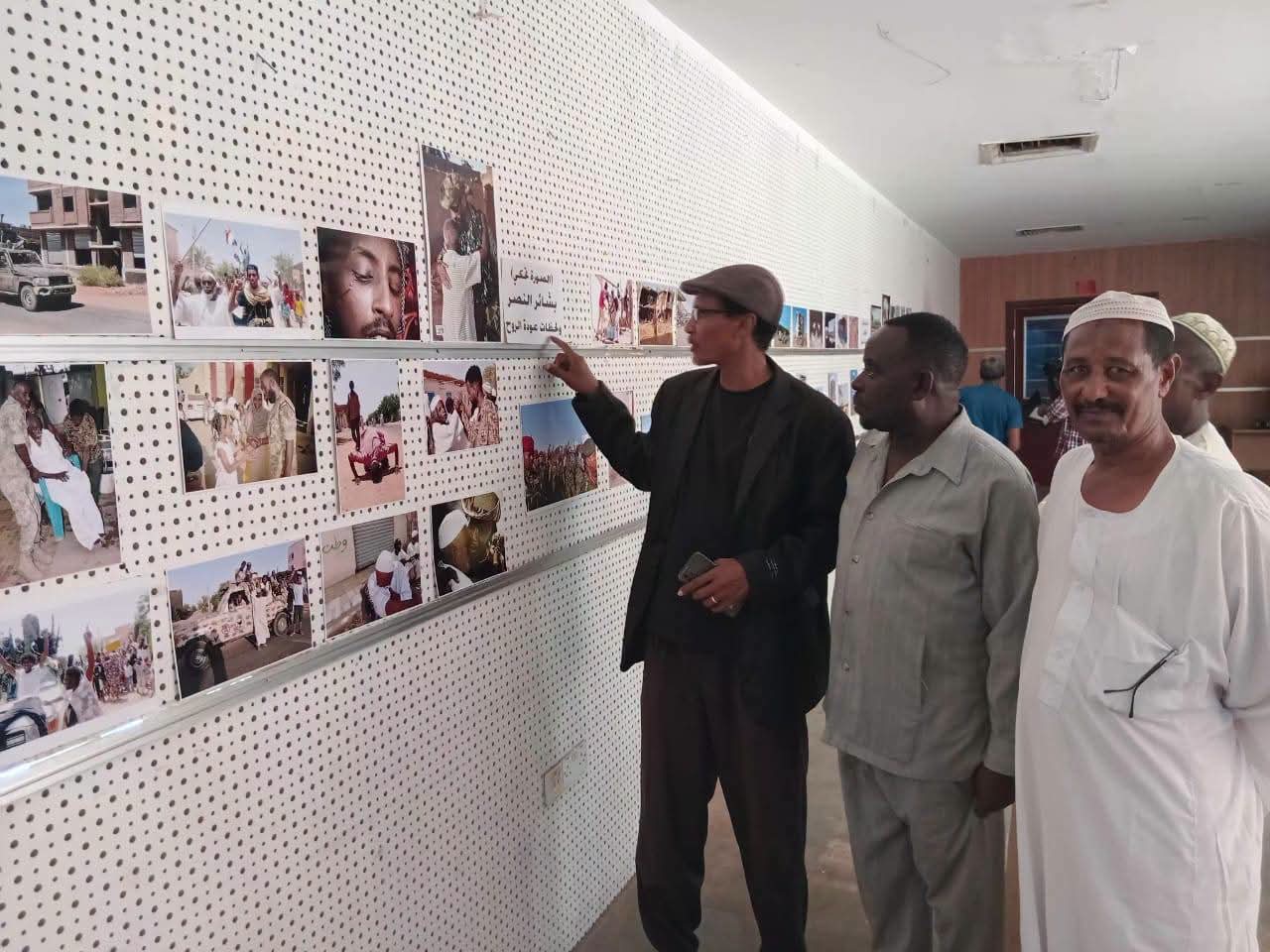
Organized by the Sudanese Media Club from June 27 to 29, the exhibition attracted a large audience, including government officials, journalists, representatives of television networks, university students, civil society organizations, and art enthusiasts. The strong public response prompted organizers to extend the exhibition for an additional day to accommodate more visitors.
Speaking to the Sudan News Agency (SUNA), Sudanese Media Club President Abdullah Bashir said the exhibition features works by thirteen photographers and visual artists from within Sudan and abroad. Although they represent diverse artistic schools and experiences, they are united by a common mission: preserving the nation's collective memory and demonstrating art's unique ability to capture moments that words alone cannot fully express.
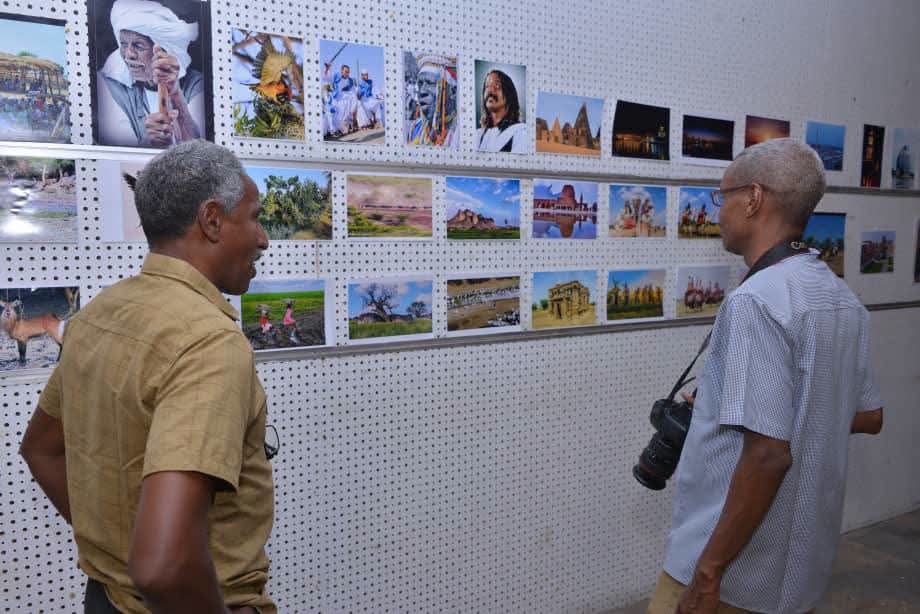
The exhibition is organized into four thematic sections. The first, "Memory of the Nation," revisits Sudan before the war, celebrating its cultural, natural, and human diversity. Visitors then move to "In the Darkness of War," where photographs document the devastating consequences of the conflict and violations affecting civilians and infrastructure across Khartoum State, transforming the camera into a witness to one of the country's most difficult chapters.
The third section documents the entry of the Sudanese Armed Forces into areas that witnessed military operations, highlighting moments of solidarity between soldiers and civilians. The final section, "Sudan of Tomorrow: The Will to Rebuild," presents hopeful images portraying families returning to their homes, the resumption of daily life, and the beginning of reconstruction efforts, conveying the message that the determination of a people is stronger than the scars of war.
Together, these themes go beyond recounting the events of the conflict. They offer a powerful visual testimony to the resilience and recovery of the Sudanese people, turning photography into a means of preserving collective memory and documenting history for future generations.
The exhibition also looks toward the future. Abdullah Bashir announced plans to take the event on tour across the localities of Khartoum State and to other cities throughout Sudan, transforming it into a traveling exhibition that shares the memories of war and the messages of recovery with communities across the country.
Reflecting on the role of art during this critical period, visual artist Osman Hussein said in press statements that the post-war era requires rebuilding Sudan's artistic landscape through exhibitions, murals, and creative activities capable of restoring life to public spaces. He explained that he chose to remain in Khartoum throughout the war because he believes that art preserves the memory of nations and that artists are witnesses to history before they are creators of beauty.
Hussein added that artists are increasingly organizing events in parks, open public spaces, and tourist sites close to local communities, allowing families, children, and visitors to engage directly with art beyond the walls of traditional galleries. He cited the Marina Garden Flower Exhibition as a successful example of combining culture, recreation, and beauty.
According to Hussein, visual art serves a purpose far beyond aesthetic expression. It provides psychological support and helps alleviate the emotional scars of war. Colors, he explained, possess a unique ability to restore calm and renew hope. His own works draw inspiration from the Sudanese home and the cultural heritage of the country's diverse regions, emphasizing national identity and the values of coexistence and diversity that define Sudan.
Held at a pivotal moment in Khartoum's history, "The Picture Tells the Story" stands as one of the first major cultural events to symbolize the return of public life to the capital, coinciding with the broader process of recovery and the revival of cultural and creative institutions.
Between photographs that document destruction and paintings that imagine the future, the exhibition presents a different narrative of war—one that does not end with tragedy but with the triumph of the human spirit. It affirms that art remains one of the most powerful languages for preserving memory, healing wounds, and building bridges toward a more hopeful future.
Post your comments
Photo of the Week

Cairo (Sudanow) The story began with a chance encounter on the afternoon of the 16th of this month. As I stepped out of my residence in Cairo, I noticed a young Sudanese woman, no older than twenty-four, hurrying through a narrow street crowded with pedestrians. I stepped aside to avoid colliding with her and jokingly remarked, "Take it easy; this is Cairo, not Khartoum." She ap...
More-

28 June, 2026
Stories from the Heart of the Battlefield On the Threshold of Waiting: Stories of Families Searching for Their Missing
Khartoum – Sudanow Wars are not measured solely by the numbers of the wounded and the dead; they are also measured by the silent voids they leave in the hearts of the living. These voids are created by forced absence, when a person becomes an unknown number or a name suspended between hope and despair. As Sudan’s war enters its fourth year, one of its most painful tragedies continues to unfold: the issue of missing persons,...

Contact Us

Address: Sudan News Agency (SUNA) Building, Jamhoria Street, Khartoum - Sudan
Mobile:+249 909220011 / +249 912307547