


Sudan Requires Gold Collateral for Fuel Imports
05 July, 2026
The decision of the Central Bank of Sudan to require the deposit of 200 kilograms of 21-carat gold as collateral for issuing fuel import certificates has sparked, and continues to spark, considerable economic debate. Observers are divided between those who view the measure as an attempt to curb the foreign exchange crisis and regulate import operations, and those who regard it as a step that could lead to further market distortions and disrupt 6th e business environment.
The decision comes amid a complex economic crisis marked by an acute shortage of foreign currency, exchange rate volatility, and mounting pressures on the balance of payments, in addition to rising fuel import costs resulting from global geopolitical tensions and higher oil, shipping, and insurance prices. According to a circular issued by the Central Bank of Sudan, the issuance of petroleum product import certificates is now conditional upon the deposit of the specified quantity of gold, with verification of coverage to be completed within a period not exceeding 21 days.
Although the decision may be interpreted as part of the central bank’s efforts to resort to unconventional instruments to alleviate pressure on foreign currency reserves, a fundamental question remains as to whether it is grounded in a comprehensive economic rationale or merely represents a direct response to an acute liquidity crisis without sufficient consideration of its implications.
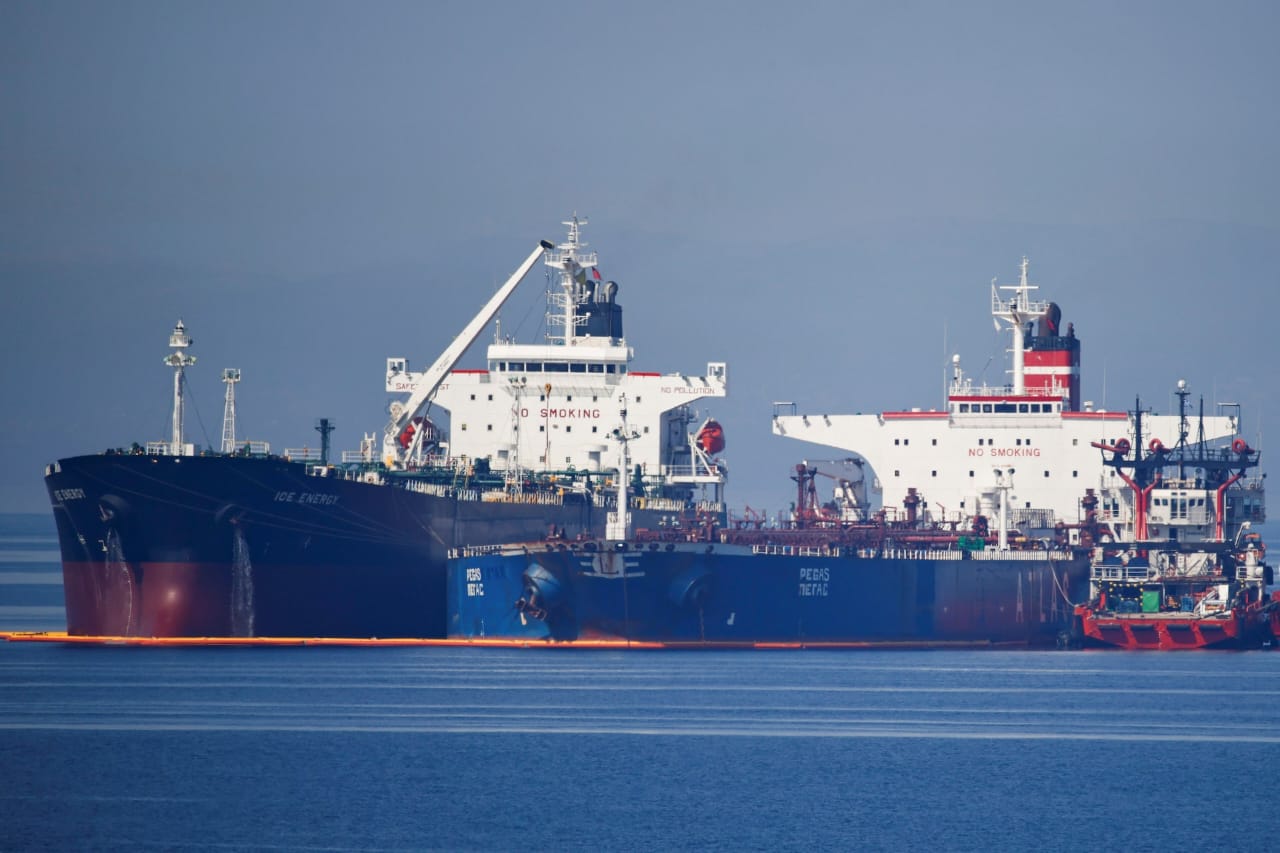
In theoretical terms, this type of policy can be classified under exchange controls or the use of real assets, such as gold, as alternative collateral in circumstances of a weak domestic currency. However, such instruments are typically employed only in exceptional situations and for limited periods, as emergency measures rather than permanent structural policies.
The issue in Sudan’s case, however, lies not in the principle itself but in the mechanism of implementation. Requiring substantial quantities of gold as import collateral could generate additional demand for the precious metal in the domestic market, driving its price above levels justified by its international value and creating distortions in the gold market, which constitutes one of the country’s most important sources of foreign exchange.
Furthermore, turning gold into a mandatory prerequisite for imports may compel some companies to scale back their operations or exit the market altogether. Such an outcome could adversely affect the stability of fuel supplies and intensify inflationary pressures on the domestic economy. The decision also introduces uncertainty regarding valuation and redemption mechanisms, including the price at which gold will be assessed, the procedures governing its return, and the entity responsible for administering the collateral.
In response, the National Chamber of Petroleum Products Importers has categorically rejected the decision, arguing that it does not address the root causes of exchange rate instability but instead shifts the burden of economic imbalances onto the private sector. The Chamber noted that the deterioration of the national currency stems from broader macroeconomic factors associated with the trade deficit, declining exports, and geopolitical tensions, rather than the practices of importing companies.
The Chamber further warned that the gold requirement would increase domestic demand for the metal and consequently raise its local price above international levels, thereby creating additional distortions in import costs denominated in freely convertible currencies. It also maintained that the decision lacks clarity in several operational aspects, including the nature of the collateral, the methodology for its valuation, and the conditions governing its recovery, thereby heightening operational risks for companies and increasing uncertainty.
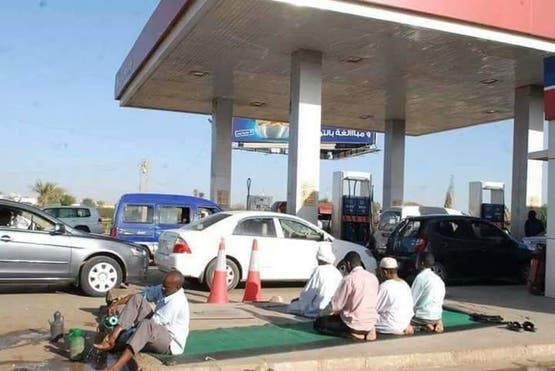
From an economic perspective, these concerns appear well-founded. The absence of legislative and financial clarity in policies of this nature increases what economists refer to as “uncertainty risk,” a factor that directly undermines investment and market stability, particularly in vital sectors such as fuel.
The decision also raises broader questions as to whether it represents a carefully considered economic policy within a comprehensive reform framework or merely a reactive measure imposed by the pressures of the current crisis. The absence of fully articulated implementation details and the lack of a clearly defined consultative framework with the private sector suggest that the decision bears a closer resemblance to a short-term remedy than to a long-term structural policy.
Against this backdrop, the balance of risks appears to outweigh the potential benefits in the short term, notwithstanding the possibility of achieving temporary gains by reducing demand for foreign exchange. Such gains may ultimately be eroded by higher import costs, disruptions in the gold market, and diminished competition in a critical sector such as fuel.
Amid this debate, an alternative approach emerges in the form of gradual reform of the foreign exchange market through exchange rate unification and narrowing the gap between the official and parallel markets. This could be complemented by replacing rigid in-kind collateral requirements, such as gold, with more flexible instruments, including bank guarantees or partial financial securities.
Strengthening exports and diversifying sources of foreign exchange—particularly through the gold, agricultural, and industrial sectors—also remains a more sustainable strategic option than restricting imports. This should be accompanied by involving the private sector in the formulation of fiscal and monetary policies in order to reduce information asymmetries and improve the implementability of policy decisions.
Ultimately, the decision of the Central Bank of Sudan reflects an attempt to address an acute foreign exchange crisis. At the same time, however, it opens a broader debate regarding the limits of monetary intervention in the economy and the extent to which unconventional policies can achieve stability without generating new imbalances that may prove even more complex than the crisis itself.
Post your comments
Photo of the Week

Cairo (Sudanow) The story began with a chance encounter on the afternoon of the 16th of this month. As I stepped out of my residence in Cairo, I noticed a young Sudanese woman, no older than twenty-four, hurrying through a narrow street crowded with pedestrians. I stepped aside to avoid colliding with her and jokingly remarked, "Take it easy; this is Cairo, not Khartoum." She ap...
More-

28 June, 2026
Stories from the Heart of the Battlefield On the Threshold of Waiting: Stories of Families Searching for Their Missing
Khartoum – Sudanow Wars are not measured solely by the numbers of the wounded and the dead; they are also measured by the silent voids they leave in the hearts of the living. These voids are created by forced absence, when a person becomes an unknown number or a name suspended between hope and despair. As Sudan’s war enters its fourth year, one of its most painful tragedies continues to unfold: the issue of missing persons,...

Contact Us

Address: Sudan News Agency (SUNA) Building, Jamhoria Street, Khartoum - Sudan
Mobile:+249 909220011 / +249 912307547