


Resolving Its Choices and Rejecting “Grey” Settlements
12 July, 2026
The Army: “The Battlefield, O Hamdan”
Widespread reactions on social media following the announcement of military escalation
Operations in Darfur, Kordofan and Blue Nile reinforce the leadership’s messages
Lt. Gen. Tawer: Time factor and speed of resolution can block paths for external interventions
Social media timelines were flooded with positive reactions following reports from military sources that the Sudanese Armed Forces had firmly decided that their strategic options would be based on achieving a complete military resolution. Social platforms became a space for extensive discussions reflecting a sense of relief among large segments of followers, who viewed the clarity of the decision as an end to speculation over the course of the war and as a message confirming that the next phase would be managed according to a clear military vision aimed at ending the rebellion, restoring state institutions, and reinstating national authority.
The End of Uncertain Options
Military sources had confirmed that the top leadership of the armed forces had closed the door on “grey” settlements, stressing that any proposal that does not include the complete withdrawal of the Rapid Support Forces militia from cities and civilian facilities remains unacceptable. This position is based on a vision focused on restoring state authority, enforcing the rule of law, and preventing the recurrence of the crisis through any future settlement.
Observers believe that these messages represent a shift in the trajectory of the war, as discussions are no longer centered on managing the conflict but rather on ending it in a manner that guarantees security and stability and eliminates the root causes of the conflict.
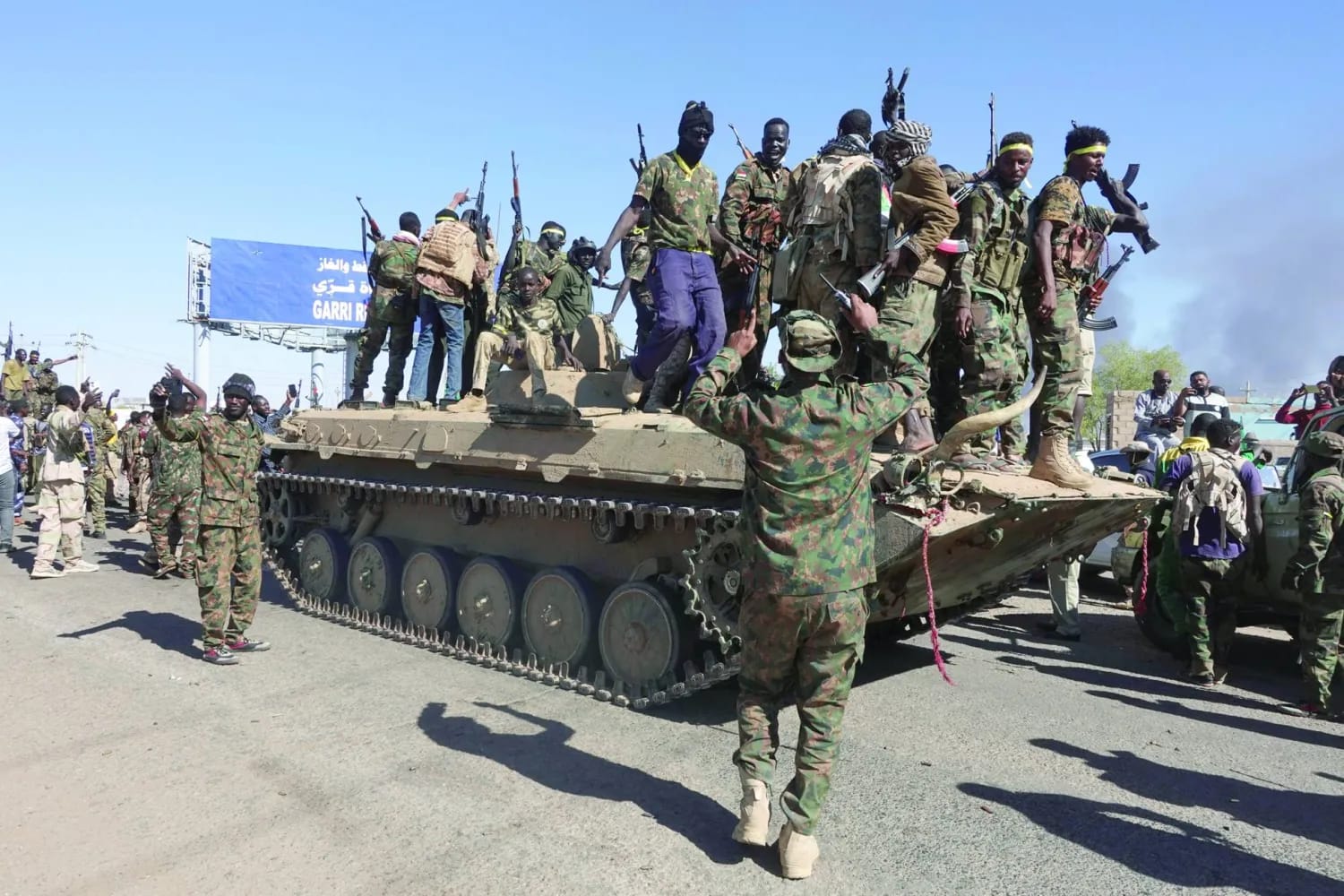
The Battlefield Speaks
The fighting fronts in Darfur, Kordofan, and Blue Nile have witnessed rapid developments and successive advances, reinforcing the perception that operations are proceeding according to a gradual military plan aimed at tightening the pressure on the militia and its allies in order to regain the remaining areas under their control.
These developments follow statements made by Sudanese Army Chief of Staff General Yasser Al-Atta during his recent visit to the Armoured Corps in Al-Shajara. His remarks carried confident messages regarding the coming phase, prompting many observers to link his statements with developments taking place on the battlefronts.
Exercising Responsibility
Alongside the military developments, a phenomenon on social media deserves attention: the circulation of details about military movements, discussions about distances separating the armed forces and their supporting units from cities or areas targeted for liberation, and the sharing of information about military reinforcements and airstrikes before official statements are issued.
Although many of these posts and live broadcasts are driven by national enthusiasm, military experts warn that sharing such information could provide the opposing side with valuable data to analyze the battlefield and reorganize its defenses.
This requires journalists and activists to exercise the highest levels of responsibility and leave announcements regarding military operations and troop movements to the official spokesperson of the armed forces.
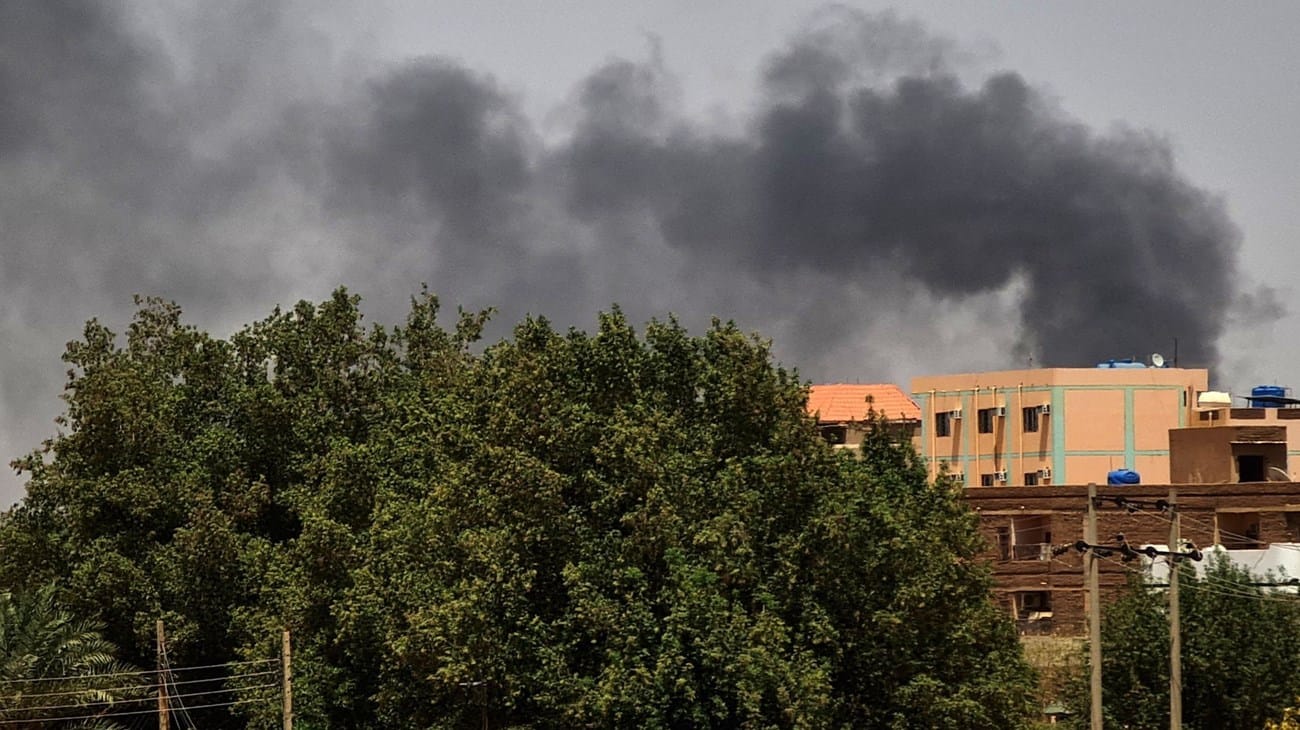
Time Is a Weapon
Military expert Lieutenant General (Police) Dr. Jalal Tawer believes that the announcement by the armed forces that it has finalized its strategic choices is consistent with battlefield realities.
He explains that the achievements made across various fronts and the gradual shift of the operational focus from Kordofan toward Darfur indicate that the army has regained the initiative and that operations are approaching a more decisive stage.
In statements to Al-Karama newspaper, Lt. Gen. Tawer said that any ceasefire that is not based on dismantling the militia and stripping it of weapons could provide it with an opportunity to reorganize its ranks.
He also pointed to the coincidence between the escalation of international calls for a ceasefire and every advance made by the armed forces, emphasizing that the speed of achieving a decisive outcome is a critical factor in creating a new reality on the ground, from which future political arrangements can emerge.
The Plan
Lt. Gen. Jalal Tawer further explains that the success of any military plan depends on three main elements:
- Clarity of vision and anticipation of outcomes.
- Precise management of time, including timing and duration.
- Full coordination among participating units, including communications, directives, information exchange, and operational reports.
He adds that time itself has become part of the battle, as prolonging operations gives parties seeking to influence the course of events new opportunities for pressure, while rapid resolution helps preserve operational momentum, strengthen battlefield gains, and reduce opportunities for external intervention.
He stresses that continuing to capitalize on recent successes represents the shortest path toward achieving operational objectives and bringing the conflict to an end.
A Critical Conclusion
Regardless of the circumstances, as the war enters a new phase characterized by clarity of decision-making and accelerating operations, the importance of the battle for awareness becomes increasingly evident as a parallel front to the military confrontation.
Modern wars are not won solely through military power; they are also shaped by accurate information, responsible communication, and media discipline.
Therefore, protecting operational secrecy, relying on official sources, and avoiding the premature dissemination of military information are no less important than victories achieved on the battlefield.
Just as soldiers stand on the front lines defending their homeland, responsible words stand behind them—protecting public awareness, safeguarding achievements, and preserving the gains made by those fighting on the ground.
Post your comments
Photo of the Week

Cairo (Sudanow) The story began with a chance encounter on the afternoon of the 16th of this month. As I stepped out of my residence in Cairo, I noticed a young Sudanese woman, no older than twenty-four, hurrying through a narrow street crowded with pedestrians. I stepped aside to avoid colliding with her and jokingly remarked, "Take it easy; this is Cairo, not Khartoum." She ap...
More-

28 June, 2026
Stories from the Heart of the Battlefield On the Threshold of Waiting: Stories of Families Searching for Their Missing
Khartoum – Sudanow Wars are not measured solely by the numbers of the wounded and the dead; they are also measured by the silent voids they leave in the hearts of the living. These voids are created by forced absence, when a person becomes an unknown number or a name suspended between hope and despair. As Sudan’s war enters its fourth year, one of its most painful tragedies continues to unfold: the issue of missing persons,...

Contact Us

Address: Sudan News Agency (SUNA) Building, Jamhoria Street, Khartoum - Sudan
Mobile:+249 909220011 / +249 912307547