


Environmental Degradation in Sudan: War and Climate Change Double the Psychological and Social Cost
14 July, 2026
Khartoum (Sudanow)
While global attention has largely focused on the human and economic losses caused by the war in Sudan since April 2023, another crisis has been unfolding quietly—one that is devastating forests, agricultural land, water resources, and natural ecosystems, while profoundly affecting people's mental health and the cohesion of their communities.
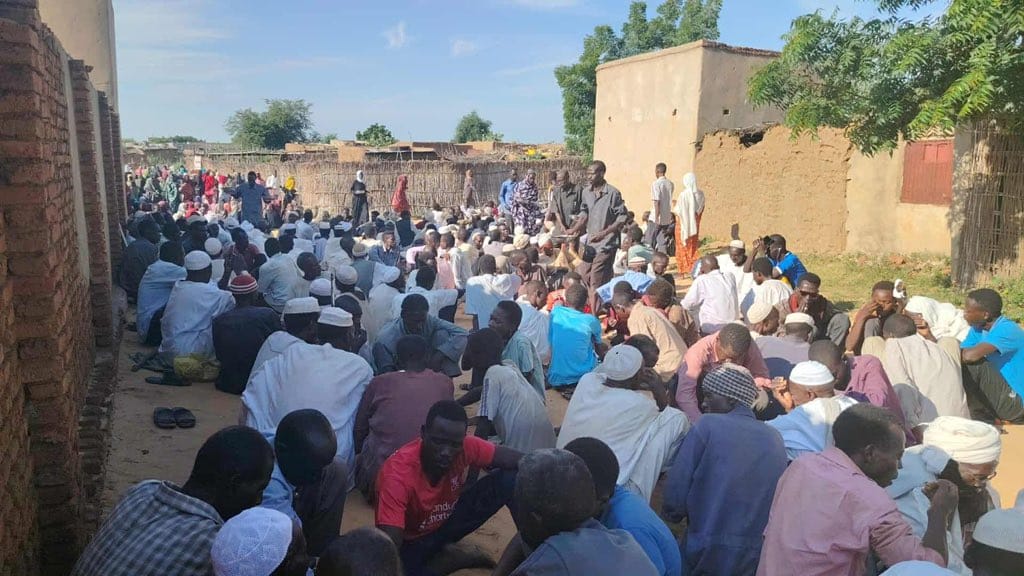
The conflict has not only destroyed cities and infrastructure; it has intensified environmental pressures that Sudan was already facing due to climate change, desertification, and recurrent floods. With millions displaced and vast areas devastated, Sudan's environment has become one of the greatest casualties of the conflict at a time when the state's capacity to protect or rehabilitate natural resources has significantly weakened.
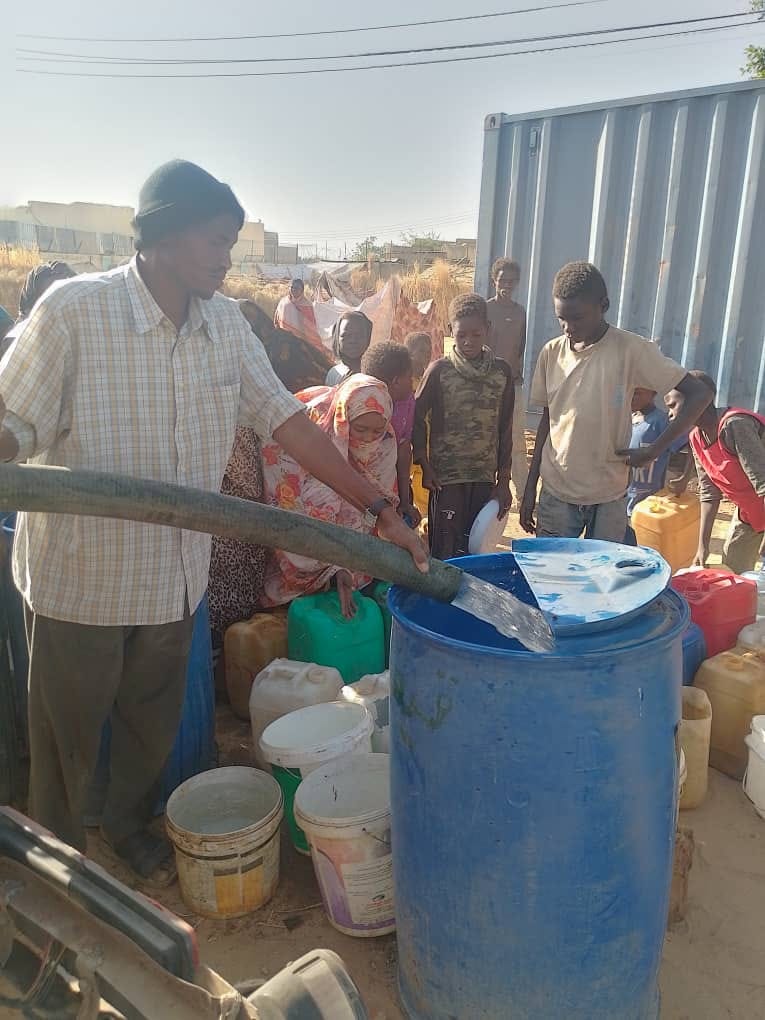
In this investigative report, Sudanow explores how environmental degradation has evolved into a humanitarian and social crisis through insights provided by Professor Moaz Sharafi, a specialist in psychology, sociology, and education.

The Environment: The Forgotten Victim of War
Professor Sharafi describes environmental degradation in Sudan as a "silent tragedy" in which political, economic, and armed conflicts intersect. Climate change, deforestation, and pollution caused by war are no longer merely environmental challenges but have become major drivers of psychological distress and social fragmentation.
He explains that Sudan is among the countries most vulnerable to climate change, making the consequences of environmental deterioration more severe, especially amid ongoing conflict and the collapse of essential public services.
When People Lose Their Land, Psychological Suffering Begins
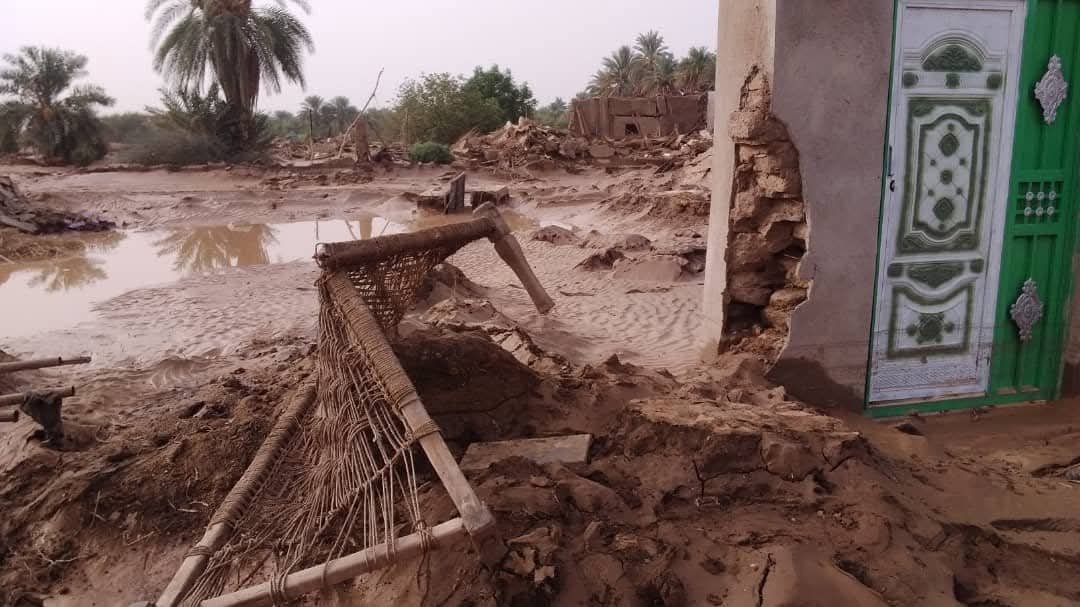
In Darfur, Kordofan, and eastern Sudan, farmers and pastoralists have lost not only crops and livestock but also their sense of security and stability as desertification and floods destroyed their livelihoods.
Sharafi notes that these transformations have given rise to new forms of psychological distress, particularly Solastalgia—the emotional pain experienced when people witness the degradation of the environment to which they belong.
He adds that environmental decline also fuels depression and chronic anxiety due to uncertainty about the future, declining food security, and the conversion of fertile lands into barren areas caused by reduced rainfall and advancing desertification.
Pollution: Another Face of War
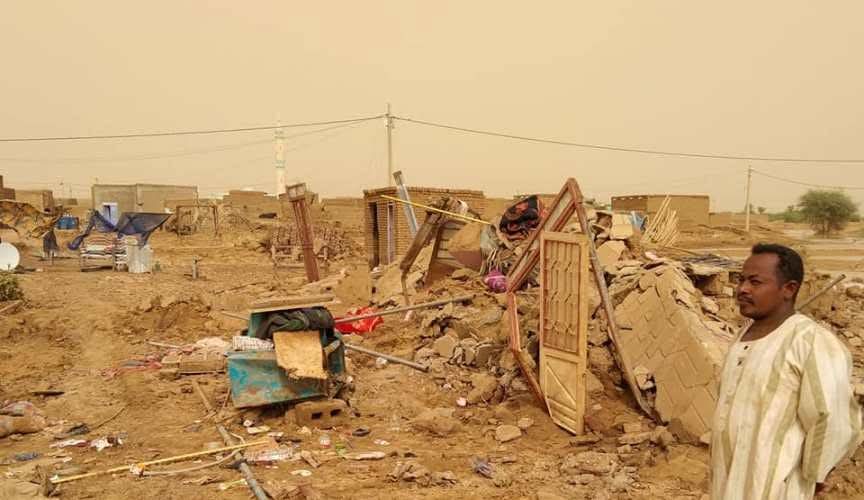
War has produced more than visible destruction; it has left behind widespread environmental pollution.
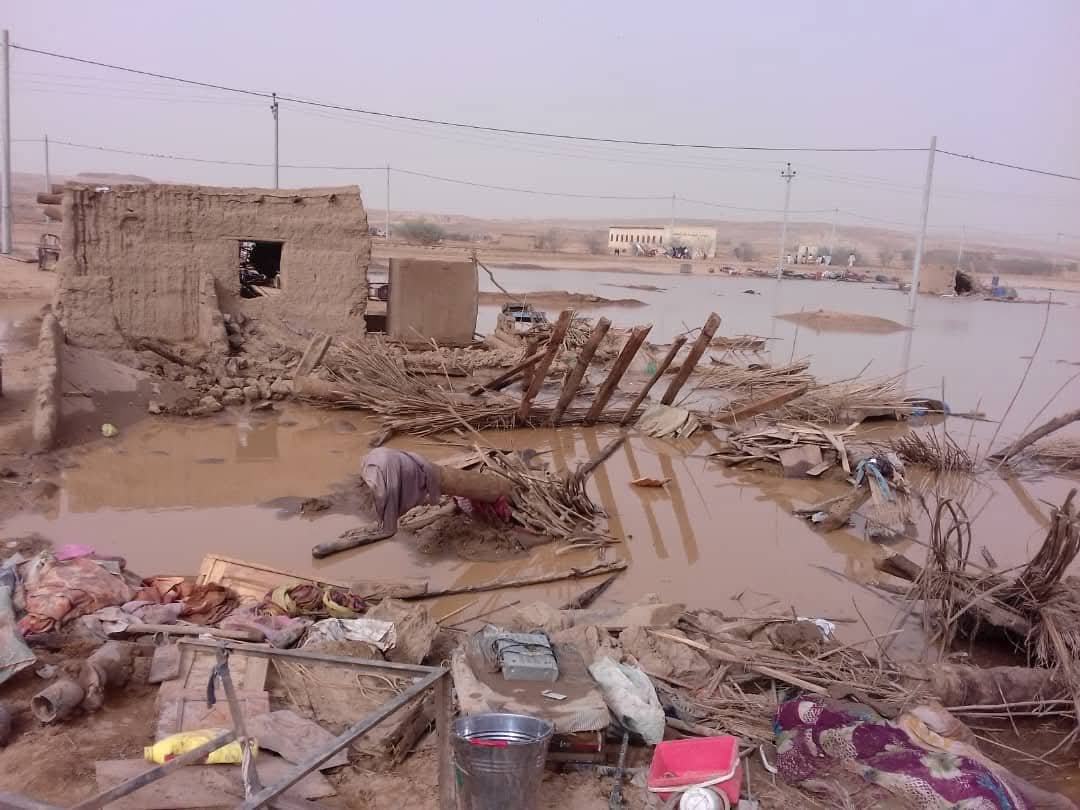
Constant explosions, fires, toxic chemicals from military remnants, and traditional gold mining using cyanide and mercury have all contributed to elevated stress levels and serious impacts on both mental and physical health, particularly among children and pregnant women.
Sharafi emphasizes that water contamination and ecosystem collapse have made access to safe drinking water a daily struggle, turning survival itself into a continuous battle and limiting opportunities for psychological recovery.
Shrinking Natural Resources Fuel New Conflicts
The effects of environmental degradation extend well beyond mental health.
As agricultural land and grazing areas shrink and the desert advances southward, traditional disputes between farmers and pastoralists have intensified due to overlapping grazing routes and farmland. These conflicts frequently escalate into ethnic or politically motivated violence, threatening social peace and undermining Sudan's long-standing traditions of coexistence.
Forced Migration: Families Fragment, Cities Overburdened
War and environmental disasters have forced thousands of families to migrate toward cities or mining regions.
In many cases, fathers have left their families in search of work while women have assumed responsibility for supporting households and raising children under extremely difficult conditions. This has increased psychological and social pressures and weakened family cohesion.
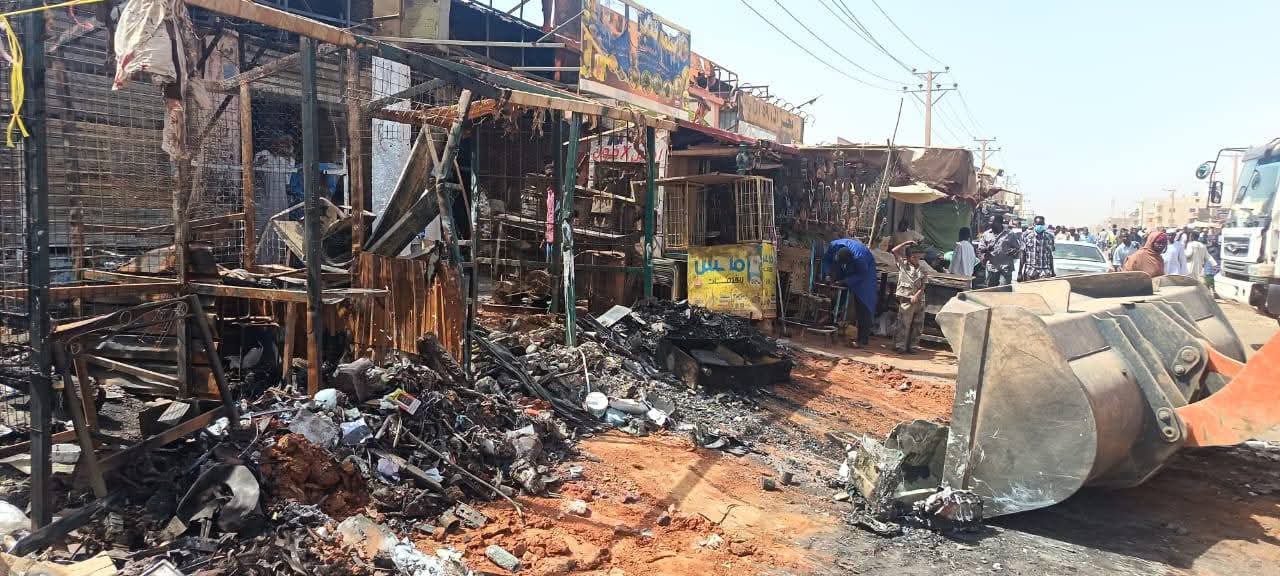
Meanwhile, cities have experienced uncontrolled urban expansion lacking basic infrastructure and sanitation systems, creating fertile ground for social frustration, tensions between host communities and newcomers, and rising crime rates.
When the Land Suffers, Society Suffers
Professor Sharafi concludes that the environment is neither a secondary concern nor a luxury; it is the foundation of public health and well-being.
Desertification and pollution damage not only the land but also people's mental health through depression and trauma, while simultaneously contributing to displacement and conflict. He stresses that humanitarian interventions cannot succeed if they focus solely on psychological support without addressing environmental justice and restoring the natural systems upon which millions of Sudanese depend.
Forests: A Lifeline Under Severe Pressure
Despite the extensive damage, forests remain one of Sudan's most valuable natural assets.
Previous estimates indicate that forests contributed approximately US$2 billion annually to the national energy supply while providing construction materials worth around US$83 million per year, illustrating the enormous economic and environmental losses associated with declining forest cover.
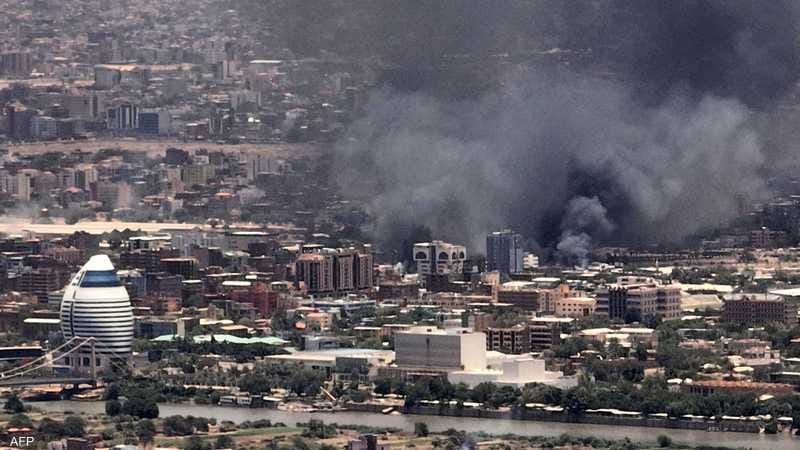
With millions displaced and state authority absent from many regions, forests have become an open source of firewood and construction materials. Parts of them have also been used for military concealment and fortification, resulting in significant declines in tree density, particularly around urban centers and displacement camps.
Rebuilding Sudan's Forests: A Long Road Ahead
Despite the grim situation, the government has developed a forest rehabilitation plan targeting approximately 300,000 hectares in its first phase. The broader strategy—conceived before the war—aimed to increase forest cover to 20% of Sudan's total land area, equivalent to nearly 38 million hectares.
The project carries an estimated cost of US$105 million, including:
US$35 million for forest restoration;
US$25 million to strengthen the gum arabic sector and engage local communities;
US$20 million to restore equipment and transportation assets;
US$25 million for rehabilitating infrastructure, including offices, nurseries, and machinery.
The initiative focuses on the Gum Arabic Belt, Nile forests, the Nuba Mountains, and shelterbelts surrounding displacement camps. It also promotes community participation and seeks to involve youth and displaced populations in tree planting and sustainable forest management.
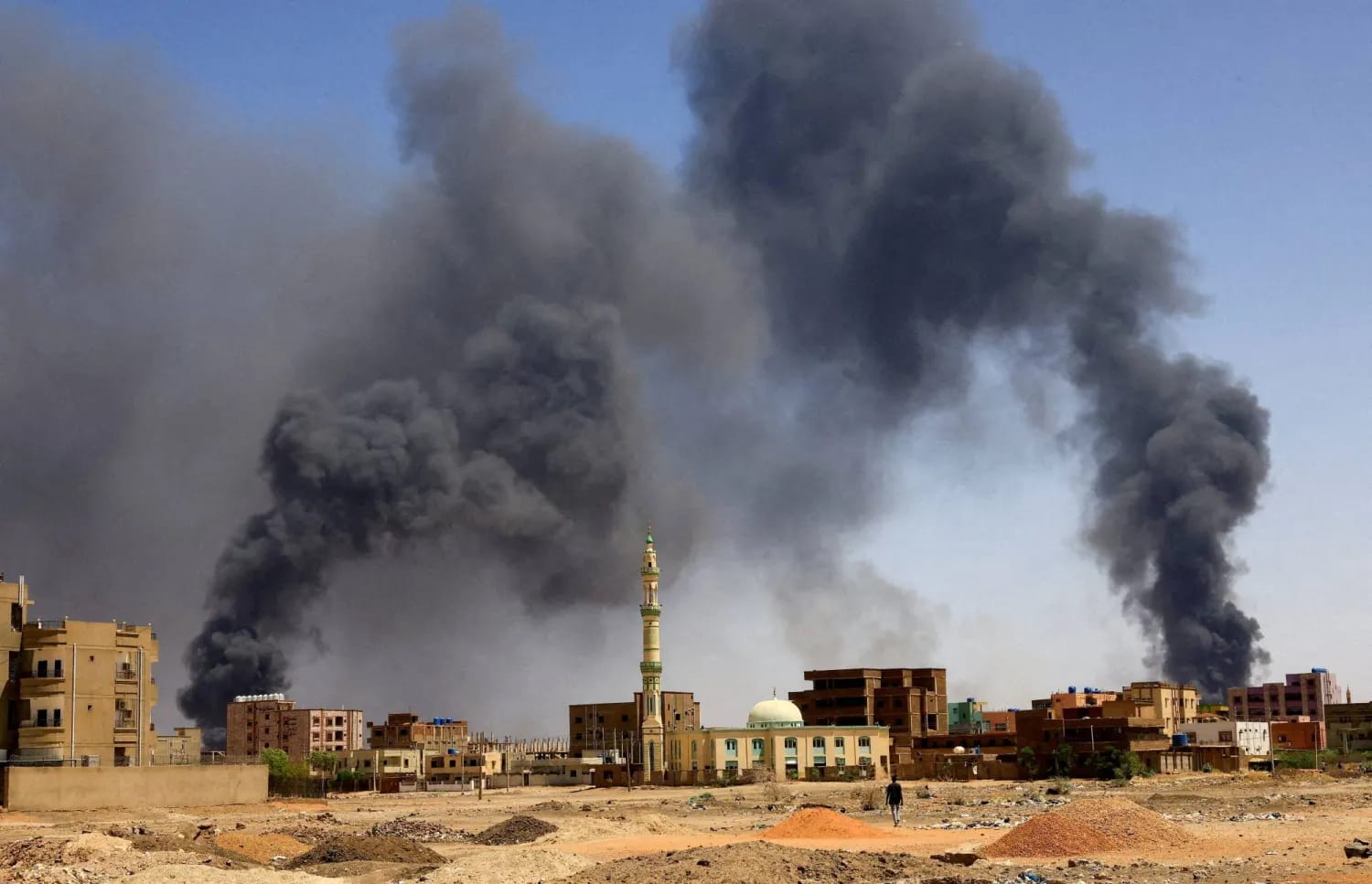
The strategy further encourages alternative energy solutions such as solar cookers and gas to reduce dependence on firewood while adopting a participatory protection model that gives local communities a central role in forest conservation.
Financing: The Weakest Link
The success of this ambitious plan ultimately depends on securing sufficient funding and international support through climate finance mechanisms, as well as establishing a national environmental monitoring system using satellite imagery and modern technologies to track environmental changes and improve natural resource management.
Between Destruction and Hope
The reality reveals widespread destruction affecting forests across twelve Sudanese states where assessments have been conducted. Yet it also demonstrates nature's remarkable capacity for recovery—provided there is political commitment, effective partnerships, adequate funding, and sound governance.
The message emerging from today's realities is unmistakable: there can be no food security without forests, no environmental stability without restoring them, and no sustainable future for Sudan unless forests are recognized as living systems that sustain people, communities, development, and peace.
Sudanow Documents the Human Cost of Displacement
Seeking to understand the human dimensions of environmental degradation and displacement, Sudanow spoke with Majda Abdullah, a housewife who fled with her extended family from farming and pastoral communities in Darfur and Kordofan.
She explains that the war triggered widespread forced displacement across agricultural and pastoral areas, destroying property, looting resources, and uprooting families. The consequences have profoundly affected Sudanese people whose identities are deeply tied to their land, occupations, and social fabric.
Psychological and Material Impacts
Farmers suffered devastating material losses, including farmland, agricultural machinery, seeds, and storage facilities. Entire farming seasons were lost, eliminating their primary source of income and forcing formerly self-sufficient producers to depend entirely on humanitarian aid.
Psychologically, many experienced profound humiliation, despair, and a loss of identity. Farmers accustomed to supporting their families through their own labor now struggle with frustration and depression because they can no longer fulfill that role.
Pastoralists and Livestock Owners
For pastoralists, the losses were equally devastating. Livestock—their principal source of wealth and savings—were stolen or perished, while grazing lands and water sources disappeared.
According to Majda, livestock represent far more than financial assets; they symbolize identity, dignity, and social status. Losing them creates overwhelming grief, emotional emptiness, and a profound sense of insecurity.
Traders
Traders also suffered enormous losses as shops were looted and burned, destroying years of investment overnight. Beyond financial ruin, many experienced feelings of failure and deep anxiety about rebuilding their lives from nothing in unfamiliar communities.
"Losing Identity Is Worse Than Losing Wealth"
Another displaced woman, Najwa, describes the emotional trauma experienced by her family.
She explains that for Sudanese communities, land is far more than agricultural property—it embodies history, family, dignity, and belonging. Forced displacement leaves people feeling uprooted even while remaining within their own country, producing what she calls an "internal exile."
This often results in severe depression, persistent anxiety, and a profound loss of life's meaning.
The Collapse of "Nafeer"
Najwa also highlights the disappearance of Nafeer—Sudan's traditional system of communal solidarity and mutual assistance.
With displacement, these community networks have largely collapsed, leaving individuals to face hardship alone. The result has been greater social isolation, weaker coping mechanisms, and the gradual disappearance of cooperative agricultural traditions that once strengthened both economic resilience and psychological well-being.
Social Consequences
Forced displacement has fragmented families and communities. Villages have been dispersed, relatives separated, and long-standing support networks dismantled.
Family roles have also shifted dramatically. Fathers have often lost their positions as primary breadwinners, women have entered the workforce under harsh conditions, and children have assumed responsibilities far beyond their age.
Educational disruption has become another major consequence, with many children leaving school because of poverty, inaccessible schools, or the need to work, placing an entire generation at risk.
Najwa concludes:
"The war in Kordofan and Darfur did not only destroy buildings and property; it destroyed an entire way of life built on land, farming, livestock, and community solidarity, leaving deep psychological, material, and social wounds that demand urgent intervention."
Official Perspective: Food Security Under Threat
From the government side, Sudanow interviewed Engineer Ammar Bashir, Food Security Officer at the Ministry of Agriculture and Natural Resources.
He describes the destruction caused by the war as systematic and extensive, particularly across Sudan's major agricultural states—including Khartoum, Al Jazirah, Sennar, Blue Nile, Kordofan, and Darfur.
According to Bashir, displacement has severely disrupted agriculture and livestock production. Farmers and herders who once cultivated land and raised animals in familiar environments have been forced into areas where similar opportunities and resources do not exist.
This has sharply reduced agricultural productivity and threatened national food security. He explains that food production depends not only on cultivation itself but also on economic, social, climatic, and environmental conditions, all of which have been severely disrupted by conflict and displacement.
Nevertheless, Bashir notes that Sudan has demonstrated remarkable resilience. States that remained relatively unaffected by the conflict helped compensate for production losses in conflict zones while simultaneously providing refuge for millions of internally displaced people fleeing the violence.
Post your comments
Photo of the Week

Dinder – SUNA – SUDANOW As part of international cooperation programs in wildlife conservation and the implementation of international conventions governing wildlife protection in Sudan, the Federal Dinder National Park authorities received a Nile crocodile on the banks of the Dinder River this morning. The crocodile was transported from Jordan to Sudan as part of jo...
More-

30 August, 2026
Stories from the Heart of the Battlefield From a University of Khartoum Professor to a Vegetable Seller in Cairo
Cairo (Sudanow) In one of Cairo’s neighborhoods, where the stories of passersby intersect with the details of everyday life, the story began with a quiet-faced Sudanese man standing behind a small vegetable stall. He carefully arranged tomatoes and greens, selling them with a smile. Few of those passing by knew that the man they addressed so simply had spent years of his life in lecture halls and scientific research labor...

Contact Us

Address: Sudan News Agency (SUNA) Building, Jamhoria Street, Khartoum - Sudan
Mobile:+249 909220011 / +249 912307547