


Beetroot: A Superfood for Athletes and Older Adults – Health and Beauty
19 July, 2026
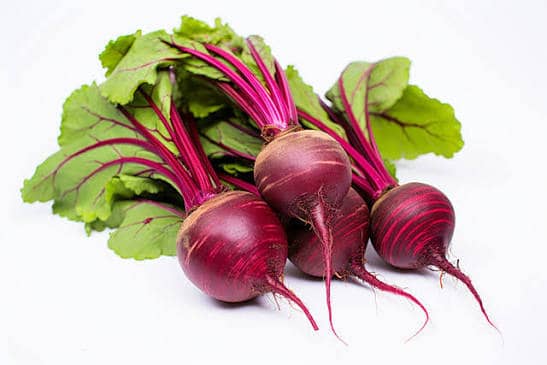
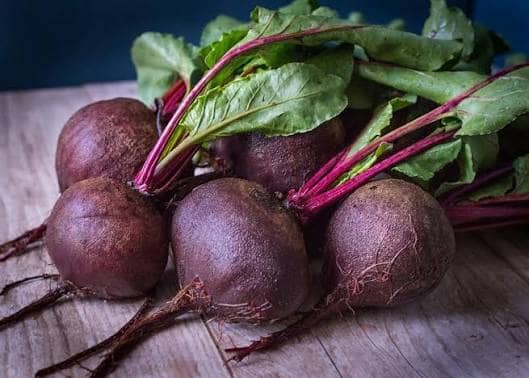
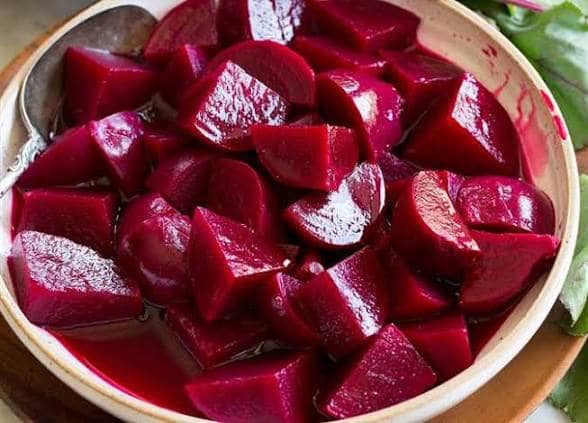
Khartoum (SUDANOW) – Beetroot is often referred to as the "athlete's energy drink." It is a seasonal root vegetable with exceptional nutritional value, rich in essential nutrients required by the body. Recognized by its deep red or purple color and naturally sweet taste, beetroot can be enjoyed fresh, boiled, cooked, in salads, juices, pickles, or as a seasoned dish.

To explore the nutritional and medicinal value of beetroot, Sudanow interviewed Dr. Mohamed Osman Maysara, Consultant in Community Medicine and Public Health, expert in Traditional and Complementary Medicine, member of the Permanent Committee for Medicinal and Aromatic Plants, and Chairman of the Committee for Establishing Traditional Medicine Schools in Sudan.
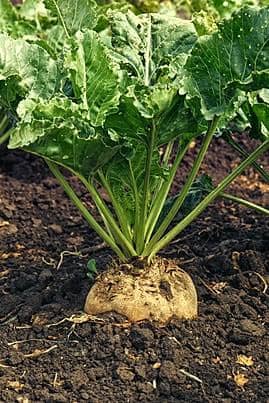
Dr. Maysara explained that beetroot has played an important role throughout history as a staple and popular food in many civilizations. In the ancient Kushite civilization, it was primarily cultivated for its nutritious leaves, which were used in daily meals and in treating wounds and relieving pain. Beetroot is also mentioned in sacred scriptures and has been associated with certain religious celebrations and festivals. Islamic medical scholars, including Ibn al-Baitar, extensively documented its therapeutic benefits. In addition to its medicinal uses, beetroot has long been cultivated as a source of sugar.
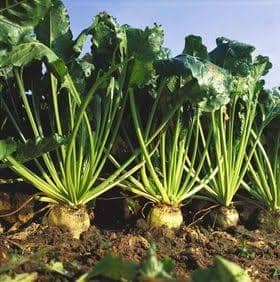
Types of Beetroot
Dr. Maysara noted that there are four main types of beetroot, each serving different purposes:
- Table beet: The familiar deep-red variety with a sweet taste, commonly used in salads, pickles, and juices.
- Sugar beet: Creamy white in color and cultivated primarily for sugar production.
- Leaf beet (Swiss chard): Grown mainly for its edible leaves, which are used in cooking.
- Fodder beet: Cultivated as livestock feed.
In Sudan, table beet is widely grown in the states of River Nile, Khartoum, and Al Jazirah on a commercial scale, while sugar beet is cultivated mainly in White Nile State. Sugar beet is considered a strategic crop, contributing approximately 30–40% of the world's sugar production. A single feddan can produce 40–50 tons, with yields reaching up to 70 tons under optimal conditions, and sugar extraction rates exceeding 15%.
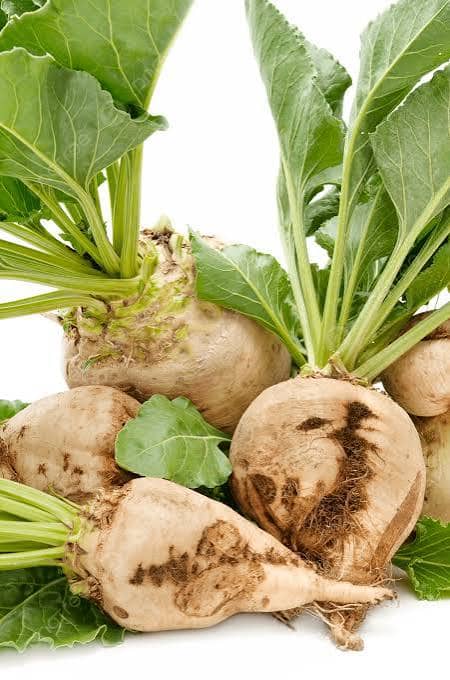
Virtually every part of the crop is utilized in food processing, animal feed, energy production, and other industries, while the leaves serve as both green fodder and organic fertilizer.
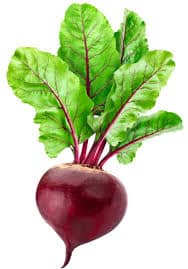
Therapeutic and Health Benefits
According to Dr. Maysara, beetroot plays a significant role in therapeutic nutrition because of its unique nutritional composition. It helps detoxify the body, supports liver function, and reduces fat accumulation thanks to betaine, a compound that aids fat metabolism.
Its antioxidant content helps protect cells and cleanse the body, while its high vitamin C content strengthens immunity and may help reduce inflammation and support individuals with respiratory conditions such as asthma.
Beetroot also has a moderate glycemic index, meaning that when consumed in moderation, it generally does not cause significant spikes in blood glucose levels for people with diabetes.
Furthermore, beetroot promotes sexual health by increasing the production of nitric oxide, which improves blood flow through the widening of blood vessels. This same mechanism contributes to improved cardiovascular health and helps maintain healthy blood pressure.
Benefits for Older Adults, Athletes, Women, and Youth
Dr. Maysara emphasized that beetroot is particularly valuable for older adults because it supports vital body functions, combats age-related diseases, reduces the risk of dementia and Alzheimer's disease, relieves constipation—a common problem among seniors—and nourishes beneficial gut bacteria.
For young people and athletes, beetroot enhances physical performance, increases energy, reduces fatigue, improves mental performance, and supports healthy hormonal balance.
For women, beetroot helps increase iron stores, reducing the risk of anemia during pregnancy. Its calcium content supports both maternal bone health and fetal skeletal development, while its folic acid content promotes healthy fetal growth and helps prevent neural tube defects. It may also contribute to fertility by supporting the health of the uterine lining and egg cells.
Although beetroot is generally considered safe, excessive consumption may lead to a sudden drop in blood pressure and may cause red or pink discoloration of urine and stool. Individuals with kidney stones or those at risk of developing them are advised to limit their intake because beetroot contains oxalates, which can contribute to stone formation.
Industrial and Commercial Uses
Beyond its nutritional value, dried beetroot is increasingly used as a natural ingredient to enhance the nutritional profile and color of foods. It serves as a natural coloring agent in juices, bakery products, pastries, biscuits, cakes, confectionery, soups, ready-made food mixes, salads, yogurt, and snack foods.
The cosmetic industry also utilizes beetroot as a natural pigment in beauty products and skincare formulations designed to improve skin freshness and radiance.
In scientific research, beetroot is widely studied for its antioxidant properties, its potential role in protecting cells from oxidative damage, and its possible contribution to cancer prevention research.
Pharmaceutical industries extract microcrystalline cellulose from beetroot for use as a binding agent in tablet manufacturing. Beetroot is also a source of betalain pigments, which are used as safe natural food colorants for meat products, baked goods, and beverages.
Its by-products are further processed to produce molasses, ethanol, yeast, organic solvents, and paper pulp. Agricultural residues can also be recycled for renewable energy production and used as high-quality feed for dairy cattle and sheep.
Dr. Maysara concluded by recommending greater investment in beetroot cultivation and processing because of its significant economic, nutritional, and industrial value. Expanding beetroot production could support food security, promote rural development through small-scale industries, create employment opportunities for young people, and contribute to sustainable agricultural growth.
Post your comments
Photo of the Week

Cairo (Sudanow) The story began with a chance encounter on the afternoon of the 16th of this month. As I stepped out of my residence in Cairo, I noticed a young Sudanese woman, no older than twenty-four, hurrying through a narrow street crowded with pedestrians. I stepped aside to avoid colliding with her and jokingly remarked, "Take it easy; this is Cairo, not Khartoum." She ap...
More-

19 July, 2026
Stories from the Frontline War Changed Faces Before It Changed Cities
War: Challenges and Resilience The daily struggle for survival... The pulse of the streets Earning a living has become a daily battle... Rising prices and families' hardship Children leave classrooms for marketplaces... Overwhelming circumstances Returnees to Khartoum await government action... Hope and optimism There is little disagreement that the war which erupted on 15 April 2023, ignited by the Rapid Support Forces (RS...

Contact Us

Address: Sudan News Agency (SUNA) Building, Jamhoria Street, Khartoum - Sudan
Mobile:+249 909220011 / +249 912307547