


Stories from the Frontline War Changed Faces Before It Changed Cities
19 July, 2026
War: Challenges and Resilience
The daily struggle for survival... The pulse of the streets
Earning a living has become a daily battle... Rising prices and families' hardship
Children leave classrooms for marketplaces... Overwhelming circumstances
Returnees to Khartoum await government action... Hope and optimism
There is little disagreement that the war which erupted on 15 April 2023, ignited by the Rapid Support Forces (RSF), inflicted enormous losses in lives, property, and infrastructure across Sudan. Yet another profound loss has gone largely undocumented by news cameras. It appears every morning on the faces of ordinary people—in markets, neighborhoods, bakeries, and public transport.
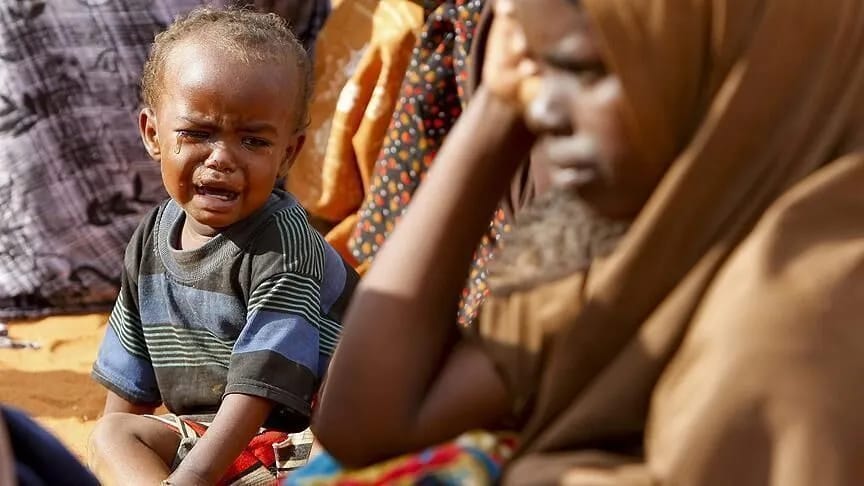
The war has left its mark on people's features before it altered the country's map. Many Sudanese feel they have aged decades in just a few years. Although the sound of artillery has diminished in many areas, the battle of everyday life remains even harsher for millions of people struggling with unprecedented inflation, shrinking employment opportunities, and mounting economic pressures that have forced countless children out of school while pushing women and older people to seek any available source of income. Meanwhile, thousands of displaced people and refugees have returned to Khartoum with hopes of a fresh start, only to encounter an extremely difficult economic reality.
Faces Marked by War
Cities may eventually rebuild their roads and buildings, but rebuilding people is proving far more difficult.
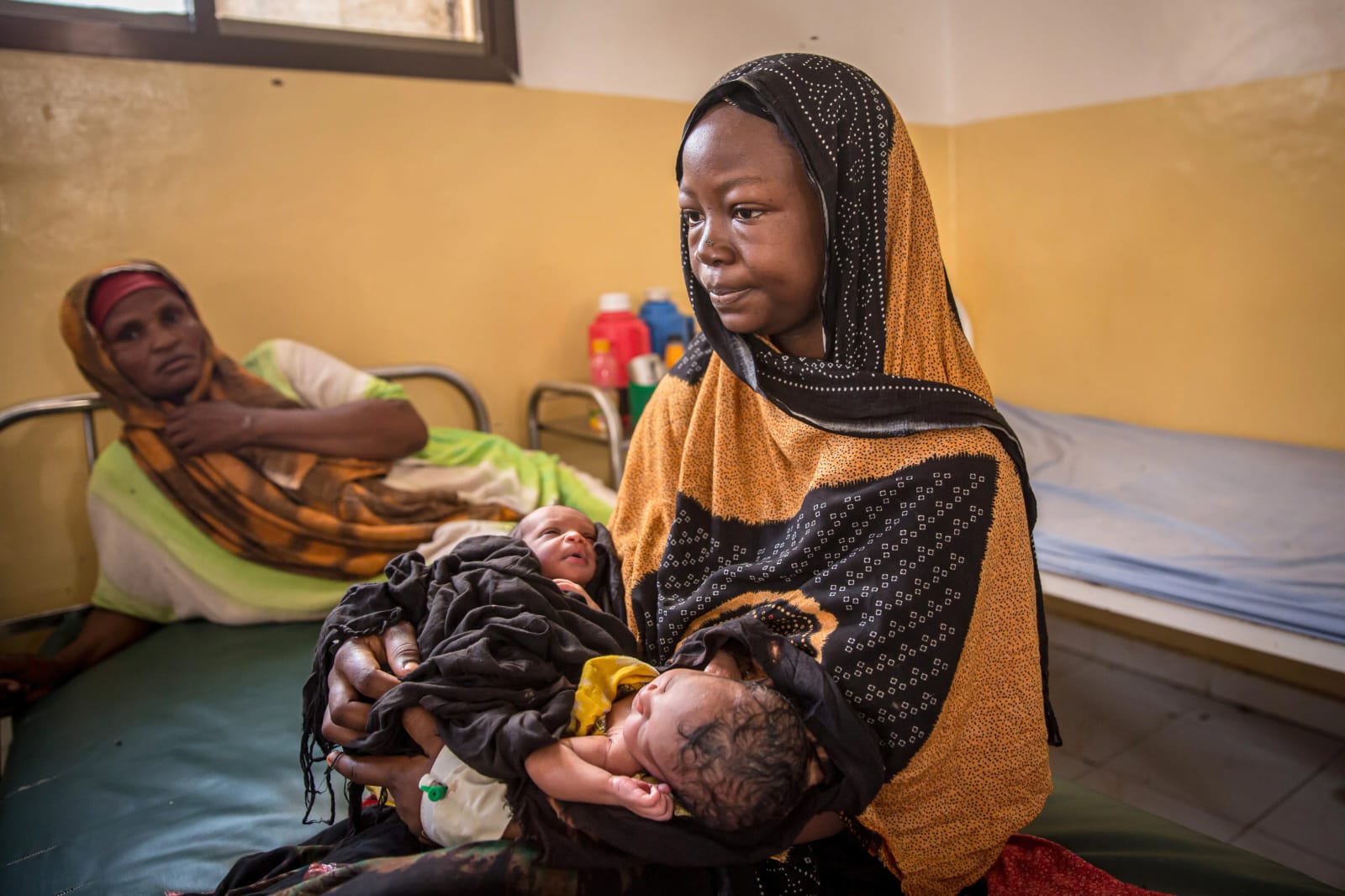
The war has not only transformed Khartoum and other cities—it has transformed the people themselves. Premature wrinkles, thinner faces, greying hair and beards, visible exhaustion, and stooped postures have become common sights. People who once enjoyed good health now appear worn down by years of hardship.
Anyone who knew them before the war often struggles to recognize them today. It is as though the war passed across their faces before it reached their homes. This is a loss that cannot be measured statistically; perhaps it is the cruelest loss of all—the years stolen by fear and the age added by anxiety to the faces of Sudanese people.
The Battle for Daily Bread
Every morning, thousands of Sudanese families begin a new calculation:
How many loaves of bread can we afford?
Can we still buy cooking oil and vegetables?
Should medicine be postponed until next week?
These difficult questions now define everyday life.
Al-Nour Adel, a resident of Khartoum, told Al-Karama newspaper that 50,000 Sudanese pounds, which only a few years ago could support a family for an extended period, now disappear within hours. Today, an average household needs approximately that amount every day simply to secure the minimum food requirements.
Inflation is no longer merely higher prices—it has become a way of life. Families have reduced meals, abandoned many basic necessities, and constantly search for cheaper alternatives. Planning for the future has been replaced by one overriding concern: surviving today.
It is a silent battle fought daily by Sudanese families, its effects clearly visible in declining health and growing exhaustion.
A Painful Reality
Perhaps the most heartbreaking image of the war is that of a child carrying a box of tissues instead of a schoolbag.
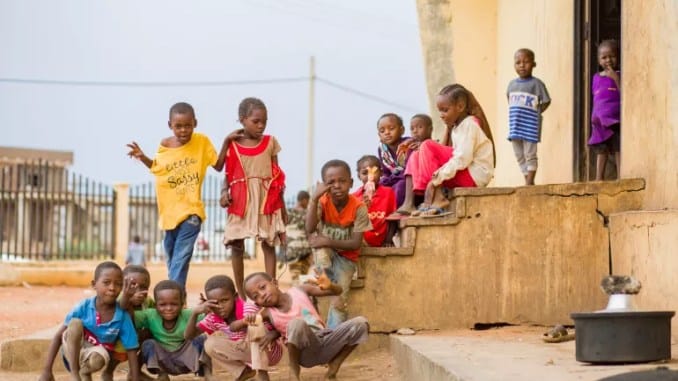
Across Khartoum and other cities, children selling bottled water, juice, tissues, and plastic bags have become a familiar sight. Many who should be sitting in classrooms now spend their days on sidewalks trying to earn money.
Al-Nour Adel explained that many families can no longer survive on the father's income alone. Everyone works—from young children to elderly grandmothers.
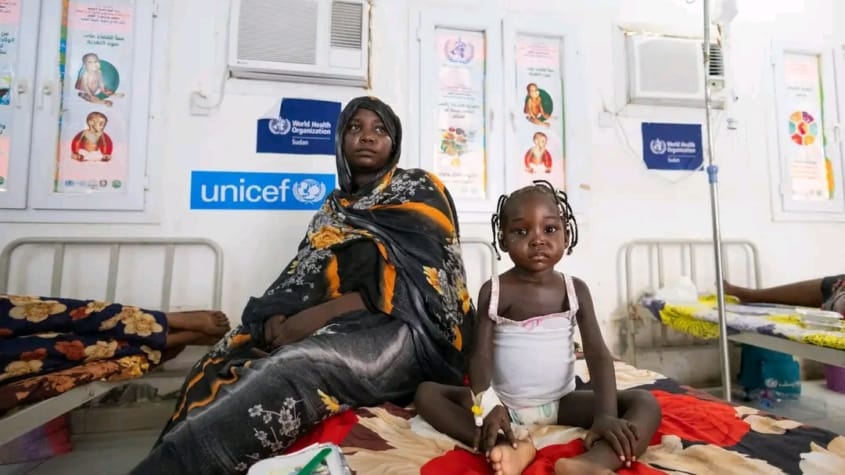
Women well beyond retirement age spend long hours preparing and selling falafel and traditional sweets, while children roam the streets hoping to make enough money to buy bread or vegetables for their families.
The war has created a new reality in which childhood itself has become part of the struggle for survival.
Returning to Khartoum
For thousands of Sudanese displaced by war, the decision to return voluntarily to Khartoum was far from easy.
Many returned driven by homesickness and the belief that no place can replace one's homeland. They hoped to begin a new chapter, only to find an economic reality harsher than expected.
Ramadan Idris, speaking from Haj Yousif in East Nile locality, said many returnees were shocked by the soaring cost of living, admitting they had never imagined everyday expenses had become so high.
Despite this disappointment, many remain determined to stay. For them, returning is not simply a geographical move—it is reclaiming life itself. They hope that improved living conditions will accompany the restoration of peace, allowing their return to become the beginning of stability rather than another chapter of hardship.
Pain and Hope
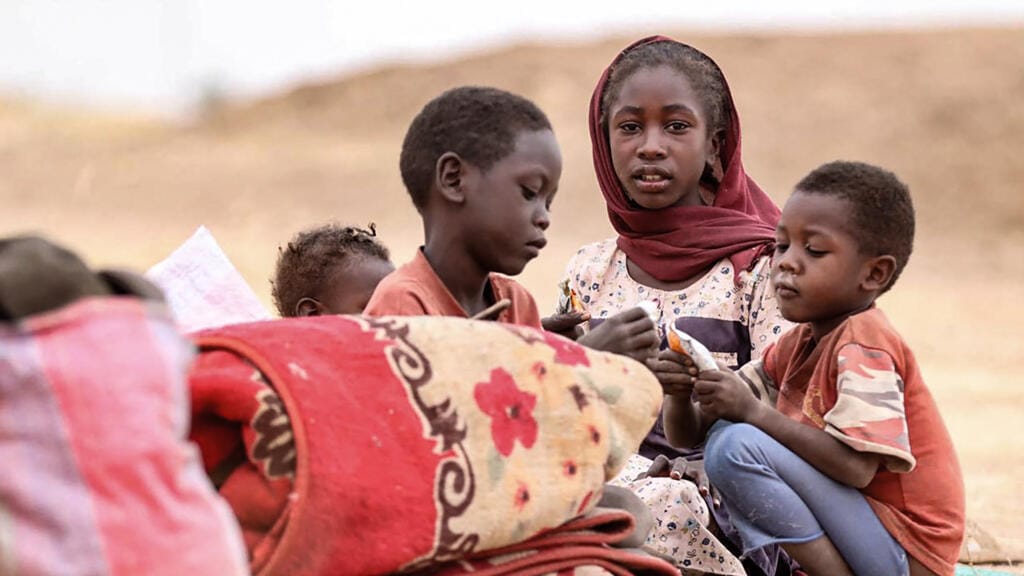
Despite four years of war, Sudanese society continues to demonstrate remarkable resilience.
Neighbours share whatever food they have. Young volunteers organize initiatives to support the most vulnerable families. Markets are gradually regaining some activity, while the return of displaced people is bringing life back to neighborhoods that once stood deserted.
Yet resilience alone is not enough.
The citizens interviewed by Al-Karama are not asking for luxury or extraordinary solutions. They seek only the basics: the ability to buy food without fear, to send their children back to school instead of the streets, and to enjoy essential services such as healthcare, clean water, education, and electricity—so that returning home becomes the beginning of a dignified life rather than another test of endurance.
Conclusion
Ultimately, one truth defines today's Sudan:
No matter how profoundly war has changed the country's cities, it has not succeeded in taking away the Sudanese people's belief that tomorrow can still be better.
That hope remains Sudan's greatest national asset—the foundation upon which lasting peace can be built.
The Government of Hope should place these values at the heart of its policies, prioritizing the rebuilding of people before the rebuilding of stones, and restoring human lives before restoring places.
Post your comments
Photo of the Week

Sudanese Student Wins International Research Award and Presents Digital Nursing Project at Royal College of Nursing Conference in Britain Khartoum – Sudanow In a country where the healthcare sector is facing mounting crises and war has placed hospitals, healthcare workers, and patients under immense pressure, a Sudanese nursing student has chosen to begin with a question ...
More-

11 October, 2026
Stories from the Heart of the Battlefield On World Teachers’ Day: The Sudanese Teacher — Achievements Against All Odds
Teachers carried their chalk through the rubble and kept working — Resilience War closed schools, but examinations continued — A Mission Low salaries and mounting hardships — The Price of the Profession Khartoum (Sudanow) — Teachers around the world are marking World Teachers’ Day this week, an occasion that carries messages of appreciation and gratitude for those who carry the torch of knowledge...

Contact Us

Address: Sudan News Agency (SUNA) Building, Jamhoria Street, Khartoum - Sudan
Mobile:+249 909220011 / +249 912307547