


Thirsty on the Banks of the Nile: In Khartoum, a Barrel of Water Now Costs 70% of a Salary
19 July, 2026
Khartoum (Sudanow Magazine) At dawn every three days, Fahmi Sayed, 48, takes his place on the edge of the main road in Al-Salha, west of Khartoum, waiting for the water carts.
"With water cut off for days, I am forced to stand for hours to buy a single barrel for 25,000 Sudanese pounds," he says. "We ration it drop by drop so it lasts three days."
Fahmi is not an exception. He represents thousands of low-income residents in Khartoum who were pushed by the war into unstable, low-paid jobs. Most are former private-sector employees laid off after the conflict, or civil servants earning salaries that no longer cover basic living costs. For them, the water outage is a new, crushing burden.
"I need ten barrels a month, one every three days. That is 250,000 pounds a month, while my salary is only 350,000," Fahmi explains.
He warns that the crisis has created a black market. Water vending has become a lucrative trade for crisis profiteers. The water is hauled in donkey-drawn carts, in barrels that do not meet health standards, from unknown sources. It often has a foul smell and brackish taste.
"We fear outbreaks of typhoid, cholera and diarrheal diseases," he says.
His question is simple and painful: "How can an entire state thirst when it is split into three by the Nile – the Blue Nile and the White Nile – and anyone can reach its banks on foot in less than an hour? Why does the government fail to deliver water at the same time every year?"
*A Dam, a Dwindling River*
When we put Fahmi's question to Dr. Khaled Yassin, a water engineer, he attributed the drop to a decline in the Blue Nile's inflow caused by the operation of Ethiopia's Grand Renaissance Dam (GERD).
This, he said, may be due to delayed rainfall or, more likely, continued water storage behind the dam, which has altered the river's hydrology. Dr. Yassin believes the second reason is the real one.
"There will come a moment when Ethiopia has stored enough and will be forced to release huge volumes at once," he warns. "That water will surge into Sudan, causing massive floods on both banks of the Blue Nile and the main Nile."
He urged the Sudanese government to pressure Addis Ababa to end its unilateral operation of the dam, or at least to share operational data and coordinate with downstream countries to avoid disaster.
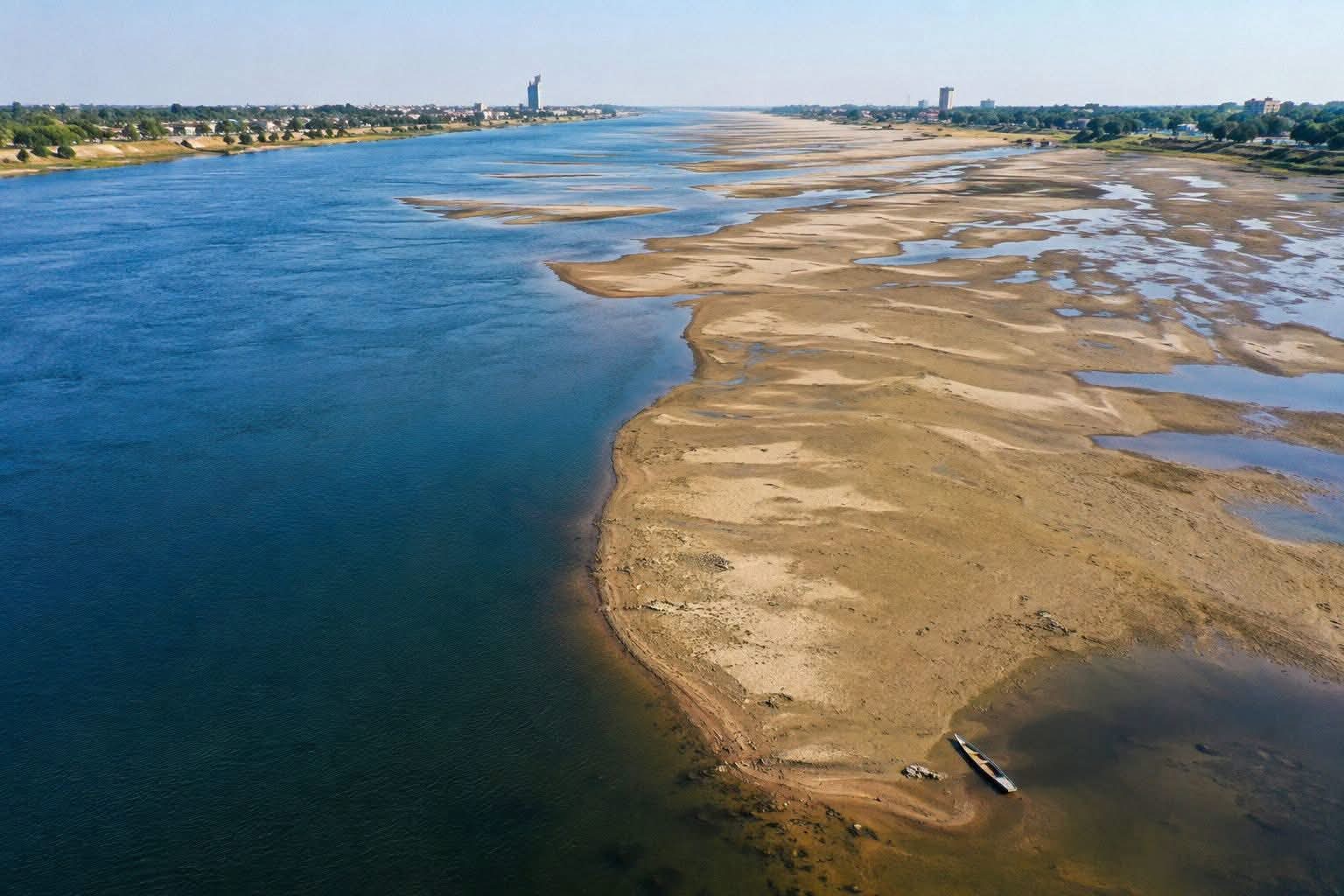
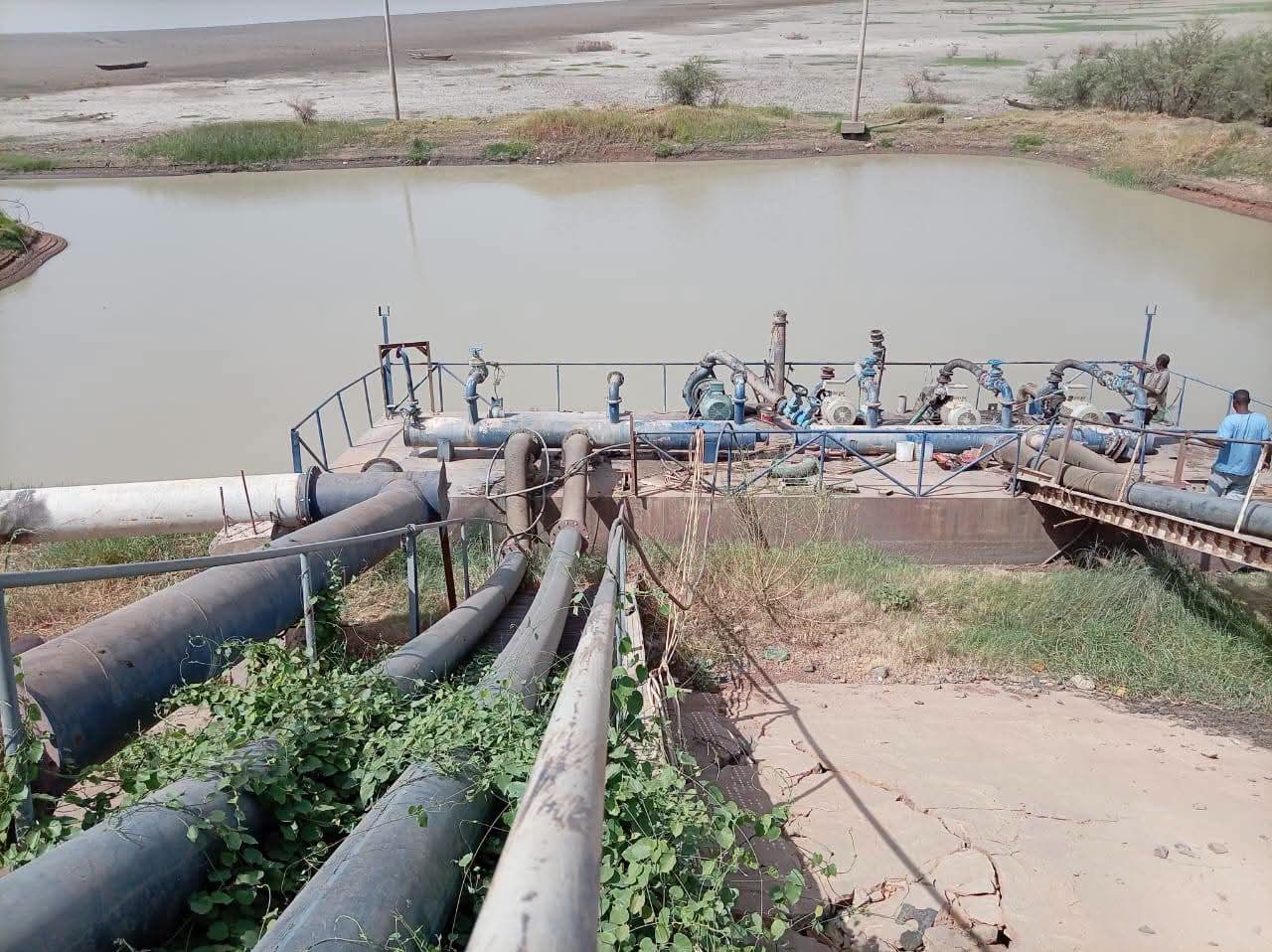
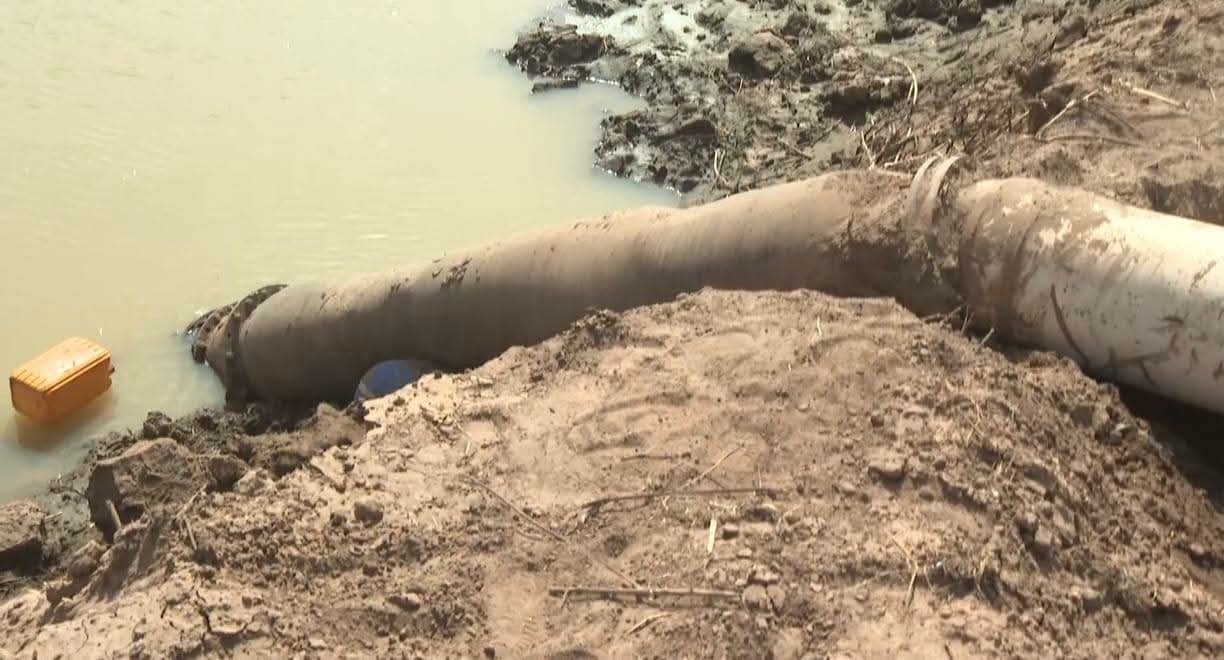
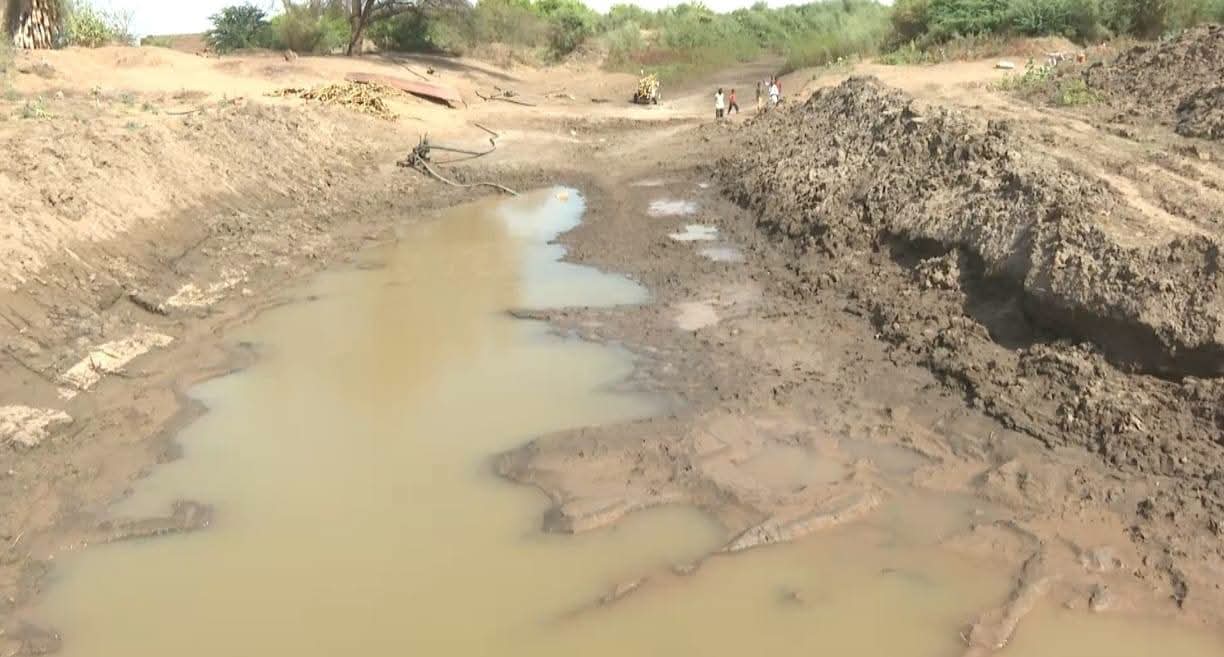
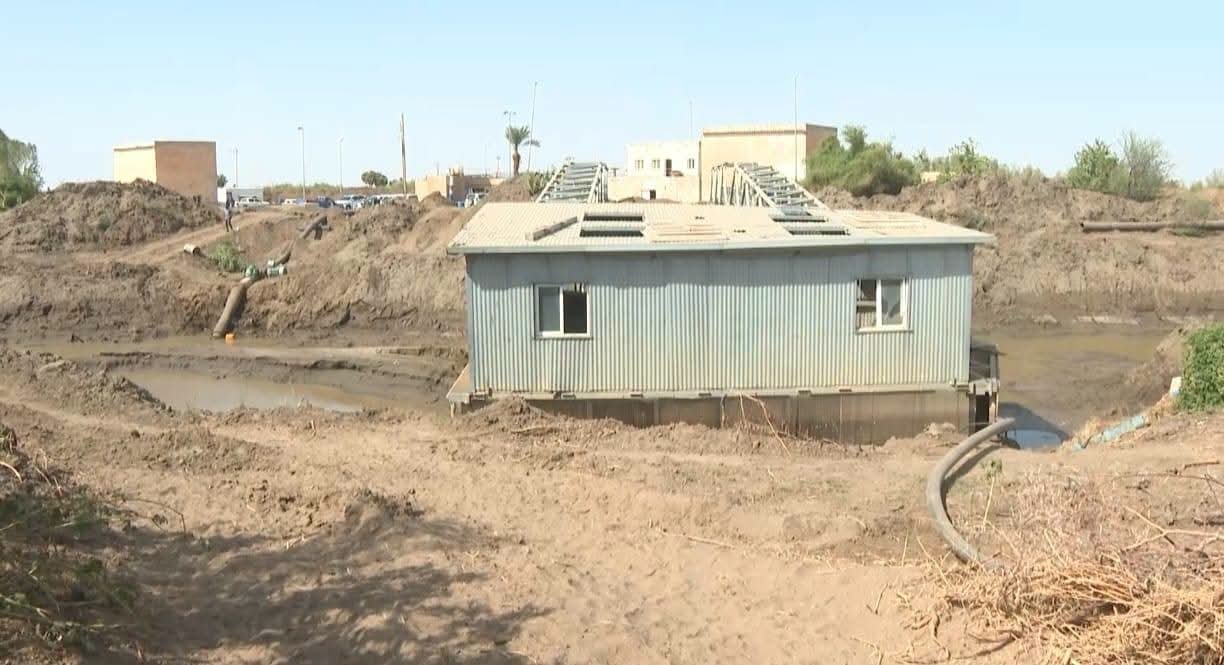
Anyone looking at the Blue Nile today sees a historic low. Sandbars have emerged, sections of the riverbed have dried up enough to be crossed on foot, and several drinking water stations in Khartoum have shut down after water receded from their intake pumps, leaving hundreds of thousands at risk of thirst.
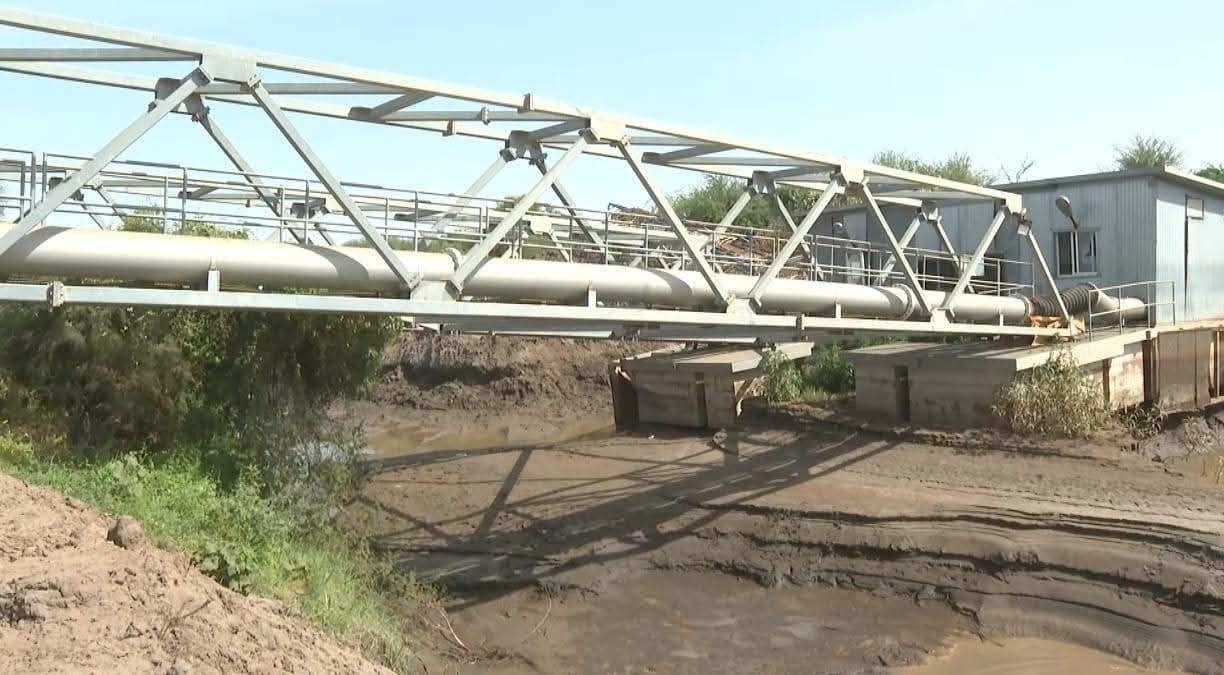
The General Directorate of Reservoirs at the Ministry of Agriculture and Irrigation acknowledged the drop, but described it as a "temporary" decline in daily inflow to the Roseires Reservoir, from 207 million to 129 million cubic meters per day. It added that water levels north of Khartoum remain higher than the same period last year as of July 15.
The Ministry said the Nile's fluctuation is a natural phenomenon, but admitted that GERD "has changed the river's hydrology," requiring technical adjustments in reservoir operations to maintain stable supplies.
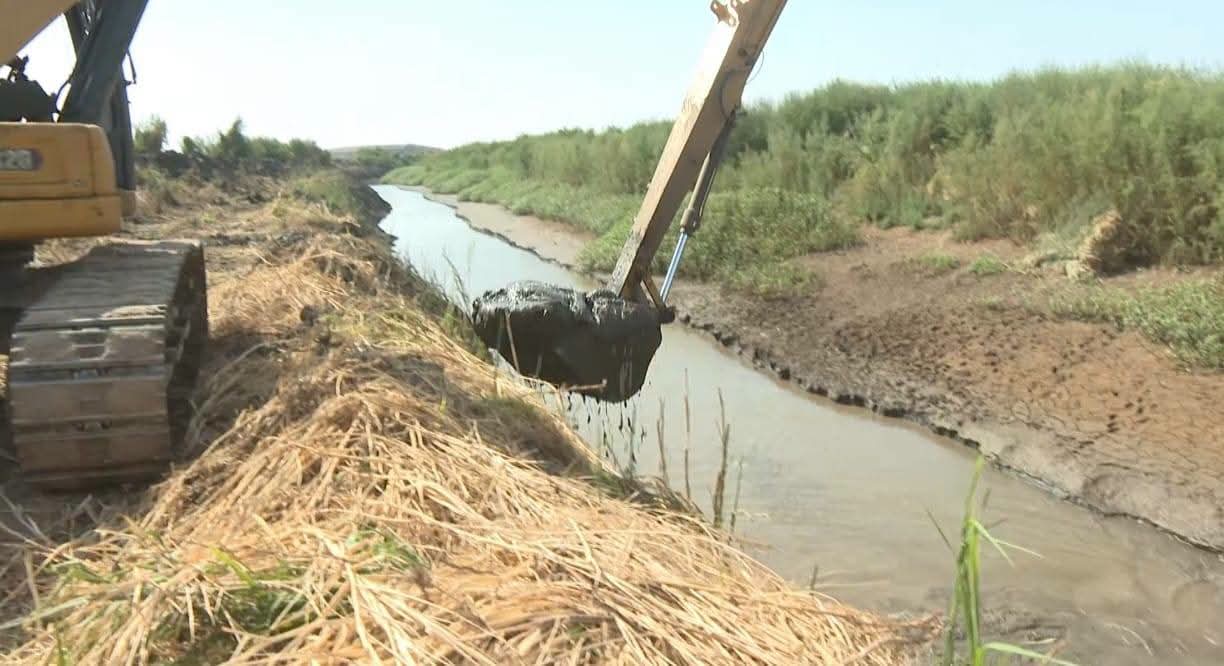
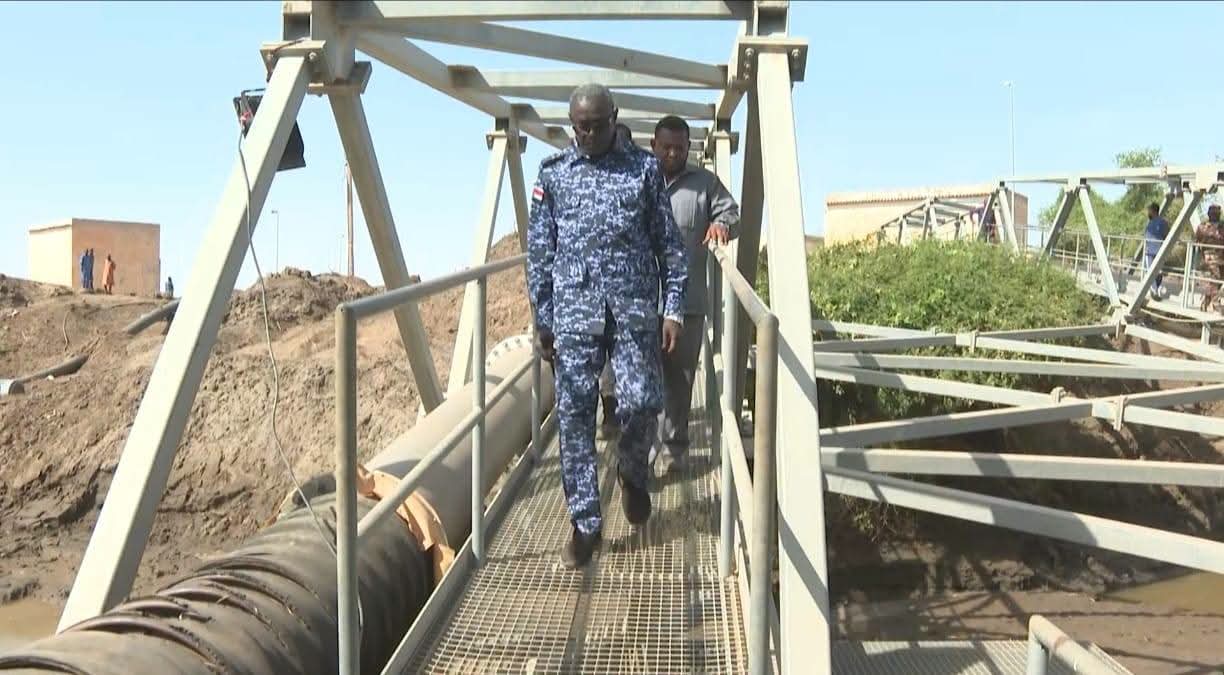
During a field visit to the Bahri North water station, Khartoum State Governor Ahmed Osman Hamza was briefed on the continued low levels despite efforts two days earlier to dredge silt from the intake channels. The station manager presented emergency solutions, including silt removal, while the governor ordered proposals for a long-term fix to be submitted urgently.
*"A Political Weapon"*
Not everyone sees a crisis. Dr. Bashir Ahmed Mohi El-Din, a strategic planning and security studies expert, downplayed the situation as a seasonal, temporary dip, "especially during flood months."
He claimed some parties are amplifying the issue to "create unrest at this particular time."
"GERD is for electricity generation, not agriculture. So water must be released to produce power, and the flow will return to normal," he said.
He argued Ethiopia is using the dam more as a political lever than a water threat, with Egypt, not Sudan, being the most affected. He ruled out drought in Sudan, noting the country is fed by more than 17 rivers plus countless seasonal wadis, and that the White Nile's tributaries contribute more than the Blue Nile.
The Ministry of Agriculture and Irrigation says a permanent high-level committee chaired by the head of the Technical Authority for Water Resources and supervised directly by Minister Prof. Ismat Qureshi and Undersecretary Eng. Daw al-Bait Abdel Rahman is monitoring the situation around the clock. The committee includes directors of reservoirs, Nile water, and planning, along with hydrological modeling experts and relevant security agencies.
The Ministry assured citizens and farmers that reservoir operations follow precise scientific principles to ensure infrastructure safety and secure water for households and agriculture.
*A Warning Bell*
Fahmi's tragedy is not just one man's search for a barrel of water. It is a snapshot of a resource management crisis in a country through which the Nile flows from south to north.
While officials argue over whether the drop is "temporary," a "political weapon," or the result of "unilateral operation," it is the citizen who pays – 250,000 pounds out of a 350,000-pound salary.
The low water level is a warning bell that should not be dismissed as a seasonal event. The hydrological change after GERD is now a reality acknowledged by the government itself. Emergency dredging is no longer enough.
What is needed now is a radical national plan: upgrading pumping stations to adapt to the new normal, imposing strict health controls on the informal water market, and, most importantly, securing a binding data-sharing agreement with Ethiopia so that the lives of Sudanese people are no longer hostage to operational decisions made upstream.
A state that cannot deliver water to citizens living minutes from the Nile will soon face a deeper thirst – a thirst for trust.
Post your comments
Photo of the Week

Cairo (Sudanow) The story began with a chance encounter on the afternoon of the 16th of this month. As I stepped out of my residence in Cairo, I noticed a young Sudanese woman, no older than twenty-four, hurrying through a narrow street crowded with pedestrians. I stepped aside to avoid colliding with her and jokingly remarked, "Take it easy; this is Cairo, not Khartoum." She ap...
More-

19 July, 2026
Stories from the Frontline War Changed Faces Before It Changed Cities
War: Challenges and Resilience The daily struggle for survival... The pulse of the streets Earning a living has become a daily battle... Rising prices and families' hardship Children leave classrooms for marketplaces... Overwhelming circumstances Returnees to Khartoum await government action... Hope and optimism There is little disagreement that the war which erupted on 15 April 2023, ignited by the Rapid Support Forces (RS...

Contact Us

Address: Sudan News Agency (SUNA) Building, Jamhoria Street, Khartoum - Sudan
Mobile:+249 909220011 / +249 912307547