


The Psychology of Sudanese Children in Exile
26 July, 2026
Khartoum (Sudanow)
In a series of studies prepared exclusively for Sudanow, Professor Moaz Sharafi explores the psychological experiences of Sudanese children living abroad. He explains that the psychology of Sudanese children in host countries and diaspora communities is a highly significant and sensitive issue, particularly in light of the profound transformations and successive crises Sudan has experienced in recent years, which have forced thousands of families to leave their homeland.
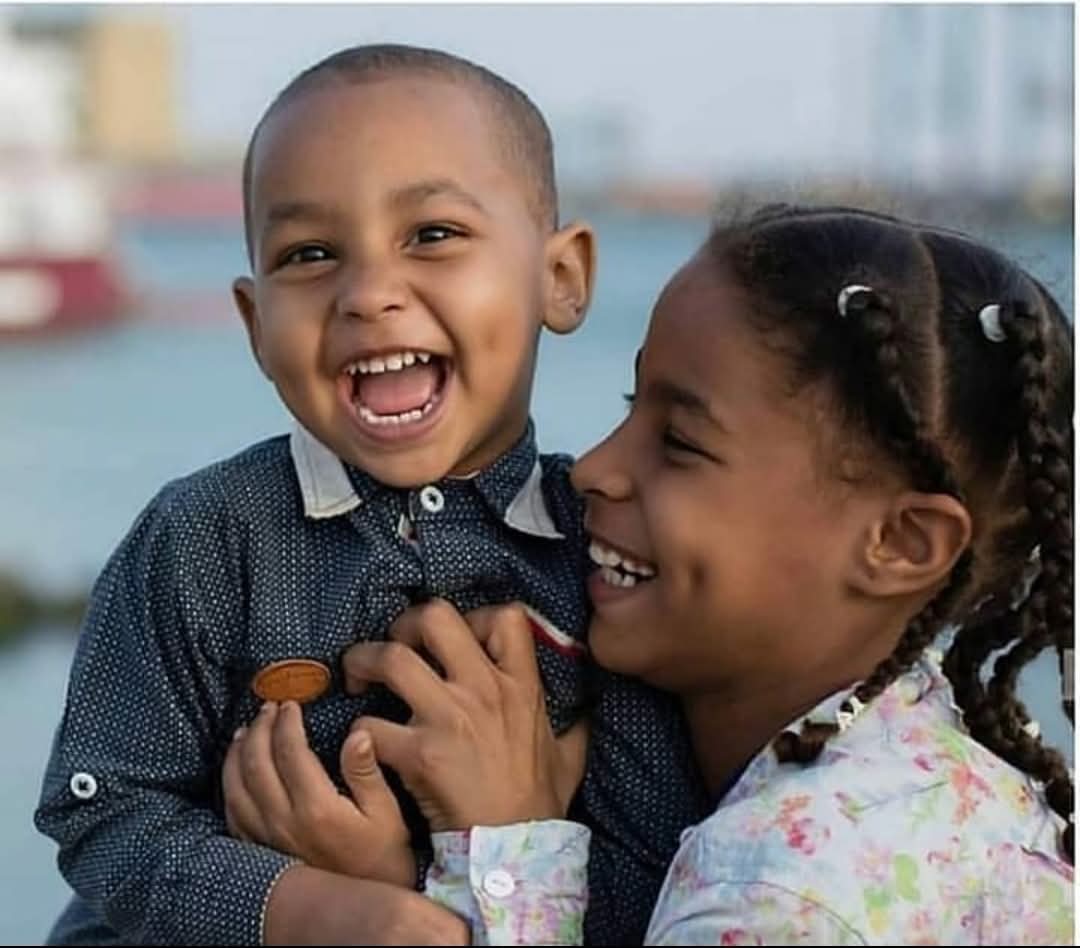
According to Professor Sharafi, the psychological development of Sudanese children in exile is shaped by a complex interaction between Sudanese cultural and educational values, the trauma of displacement—or, for many, the trauma of war—and the challenges of integrating into new societies.
Identity Crisis and Dual Belonging
Sudanese children growing up abroad often find themselves living in two distinct worlds.
At home, they are immersed in a purely Sudanese environment, where they speak their native dialect, eat traditional food, embrace Sudanese social values, and remain connected to news from their homeland.
Outside the home—in school and the wider community—they encounter a different language or dialect, along with cultural and social norms that may differ significantly from those practiced within their families.
This duality can create an identity conflict. Children may feel that they are "not Sudanese enough" in the eyes of their families, while simultaneously feeling that they are "not local enough" among their peers. Such experiences can lead to a profound sense of internal alienation and confusion about where they truly belong.
Intergenerational Transmission of Anxiety and Trauma
Children are remarkably sensitive to the emotional states of their parents. Like sponges, they absorb feelings of anxiety and distress, even when they do not fully understand their causes.
Many Sudanese parents living abroad face financial pressures, residency concerns, and emotional pain stemming from the ongoing conflict and uncertainty in Sudan.
As a result, children may unconsciously internalize these stresses, expressing them through behavioral changes, heightened anxiety, emotional instability, or declining academic performance, often without having the language or emotional maturity to explain what they are experiencing.
Social Loss and Isolation
Sudanese society is traditionally built around extended family networks and close-knit communities, where grandparents, uncles, aunts, cousins, and neighbors all play important roles in a child's emotional development.
In exile, however, children often find themselves living in small apartments with only their parents, suddenly deprived of this rich social support system.
This loss can create feelings of loneliness and social isolation. Many children struggle to form close friendships quickly and may increasingly retreat into electronic devices as substitutes for the human interaction they once enjoyed.
The Generational and Cultural Gap
Children generally adapt to new languages, customs, and cultural norms much faster than their parents.
Consequently, they may begin to perceive their parents' values or parenting styles as outdated or overly restrictive. At the same time, parents often feel a strong responsibility to preserve Sudanese traditions and identity, leading them to adopt protective or controlling approaches.
This difference in adaptation can create tension within the family, resulting in either silent emotional distance or open conflict.
Remarkable Psychological Resilience
Despite these considerable challenges, both psychological research and lived experience demonstrate that Sudanese children possess an exceptional capacity for resilience and adaptation.
This resilience is largely attributed to the warmth and cohesion of Sudanese families, whose strong emotional bonds provide children with a vital source of psychological security.
Additionally, Sudanese children often display impressive social intelligence and linguistic ability, enabling them to learn new languages rapidly and excel academically in their host countries.
Supporting the Mental Well-Being of Sudanese Children Abroad
Professor Sharafi emphasizes that promoting children's psychological well-being requires a thoughtful and balanced approach, including:
- Active Listening: Giving children the opportunity to express their fears and emotions without criticism or dismissal.
- Balanced Parenting: Encouraging children to integrate successfully into their new society while preserving their Sudanese identity as a source of pride, confidence, and strength rather than as a burden or restriction.
- Building Alternative Communities: Maintaining strong connections with Sudanese communities and families who share similar values to compensate for the absence of the extended family.
- Limiting Exposure to Distressing News: Protecting children—particularly younger ones—from continuous exposure to images and reports of war and humanitarian crises in Sudan to reduce the risk of secondary psychological trauma.
Professor Sharafi concludes that the psychological journey of Sudanese children in exile is one of continuous development. With greater awareness, emotional support, and understanding from parents, the challenges of displacement can be transformed into an opportunity to raise a generation that is confident, resilient, proud of its Sudanese identity, and open to the wider world.
Post your comments
Photo of the Week

Cairo (Sudanow) The story began with a chance encounter on the afternoon of the 16th of this month. As I stepped out of my residence in Cairo, I noticed a young Sudanese woman, no older than twenty-four, hurrying through a narrow street crowded with pedestrians. I stepped aside to avoid colliding with her and jokingly remarked, "Take it easy; this is Cairo, not Khartoum." She ap...
More-

19 July, 2026
Stories from the Frontline War Changed Faces Before It Changed Cities
War: Challenges and Resilience The daily struggle for survival... The pulse of the streets Earning a living has become a daily battle... Rising prices and families' hardship Children leave classrooms for marketplaces... Overwhelming circumstances Returnees to Khartoum await government action... Hope and optimism There is little disagreement that the war which erupted on 15 April 2023, ignited by the Rapid Support Forces (RS...

Contact Us

Address: Sudan News Agency (SUNA) Building, Jamhoria Street, Khartoum - Sudan
Mobile:+249 909220011 / +249 912307547