


Is Sudan's Electricity Crisis a Consumption Problem or a Production Problem? (1)
02 August, 2026
An Economic Perspective on a Proposal for Electricity Demand Management
Khartoum (Sudanow)
Every summer, as temperatures rise, electricity outages once again dominate public discourse in Sudan. Public frustration intensifies, protests increase, and demands for immediate solutions are renewed. However, the fundamental question that should precede all these demands is: Is Sudan's electricity crisis the result of excessive consumer demand, or is it fundamentally a crisis of electricity generation and power sector management?
From both an economic and technical perspective, the answer is clear. The core of the crisis lies in inadequate electricity generation, transmission, and distribution. Consumer demand may aggravate the situation, but it is not its primary cause.
Electricity demand naturally increases with population growth, urban expansion, and the wider use of electrical appliances, particularly during the summer months. Meanwhile, generation capacity has failed to keep pace with this growing demand. Thermal power plants have been constrained by fuel shortages and rising fuel costs, while transmission and distribution networks have suffered repeated failures. In addition, the country's power infrastructure has sustained extensive damage during the war. As a result, actual electricity generation has fallen far below demand, creating what economists describe as an "energy gap."
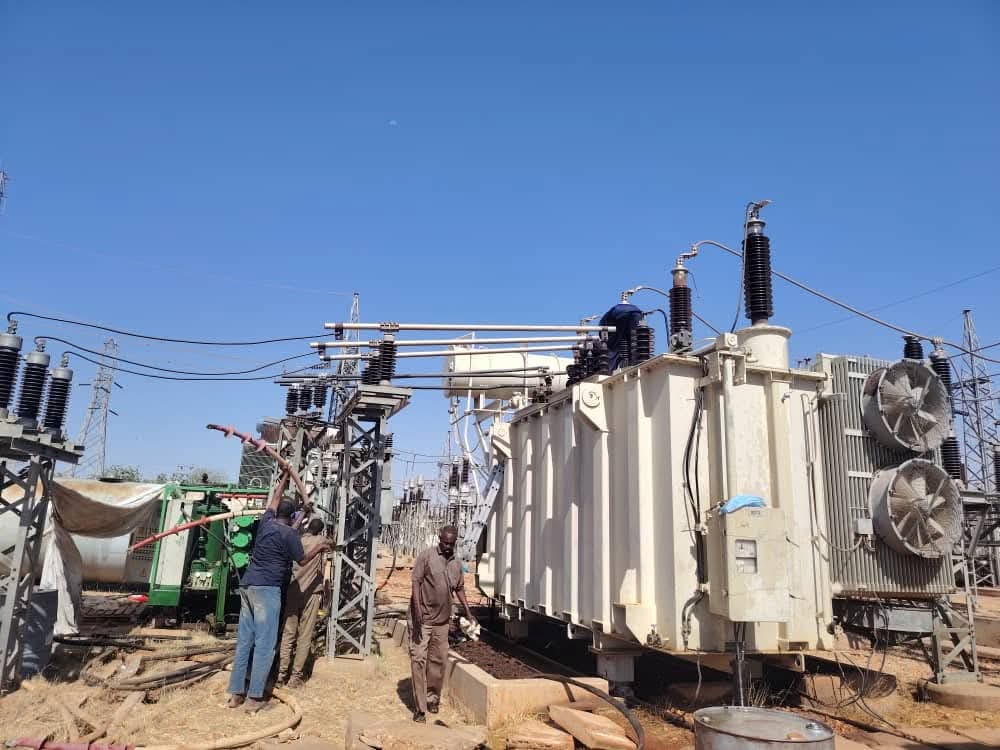
Under these circumstances, electricity authorities have relied almost exclusively on scheduled power outages as their principal response. Although this approach distributes the available shortage across consumers, it makes no distinction between households that conserve electricity and those that consume it excessively. Consequently, it provides little incentive for consumers to change their patterns of electricity use.
This raises an idea worthy of serious economic consideration: reprogramming prepaid electricity meters so that they serve not only as payment collection devices but also as tools for managing electricity demand.
The proposal is based on establishing a monthly electricity allocation for each subscriber according to their historical average consumption, then reducing that allocation by a percentage equivalent to the national generation deficit.
For example, if a household's average monthly consumption is 1,000 kilowatt-hours and the generation shortfall is estimated at 40 percent, the household would be allowed to purchase a maximum of only 600 kilowatt-hours during that month. Consumers would then be free to determine how they use this allocation. Those who manage it efficiently would enjoy electricity throughout the month, while those who consume excessively during the early days would exhaust their allocation before month's end and bear the consequences of their own consumption decisions.
Economically, such a system transfers part of the responsibility for managing the crisis from the utility company to consumers themselves. Rather than being passive recipients of power cuts, citizens become active participants in managing the electricity shortage. It would also encourage the adoption of energy-efficient appliances, the elimination of unnecessary electrical loads, and more rational household energy management.
From the perspective of social equity, the proposal also offers important advantages. Under the current system, some consumers use excessive amounts of electricity while others make considerable efforts to conserve it, yet both groups experience identical power outages. Under the proposed model, each subscriber would receive a fair allocation of electricity based on transparent criteria, and the level of service ultimately enjoyed would depend largely on responsible energy management rather than wasteful consumption.
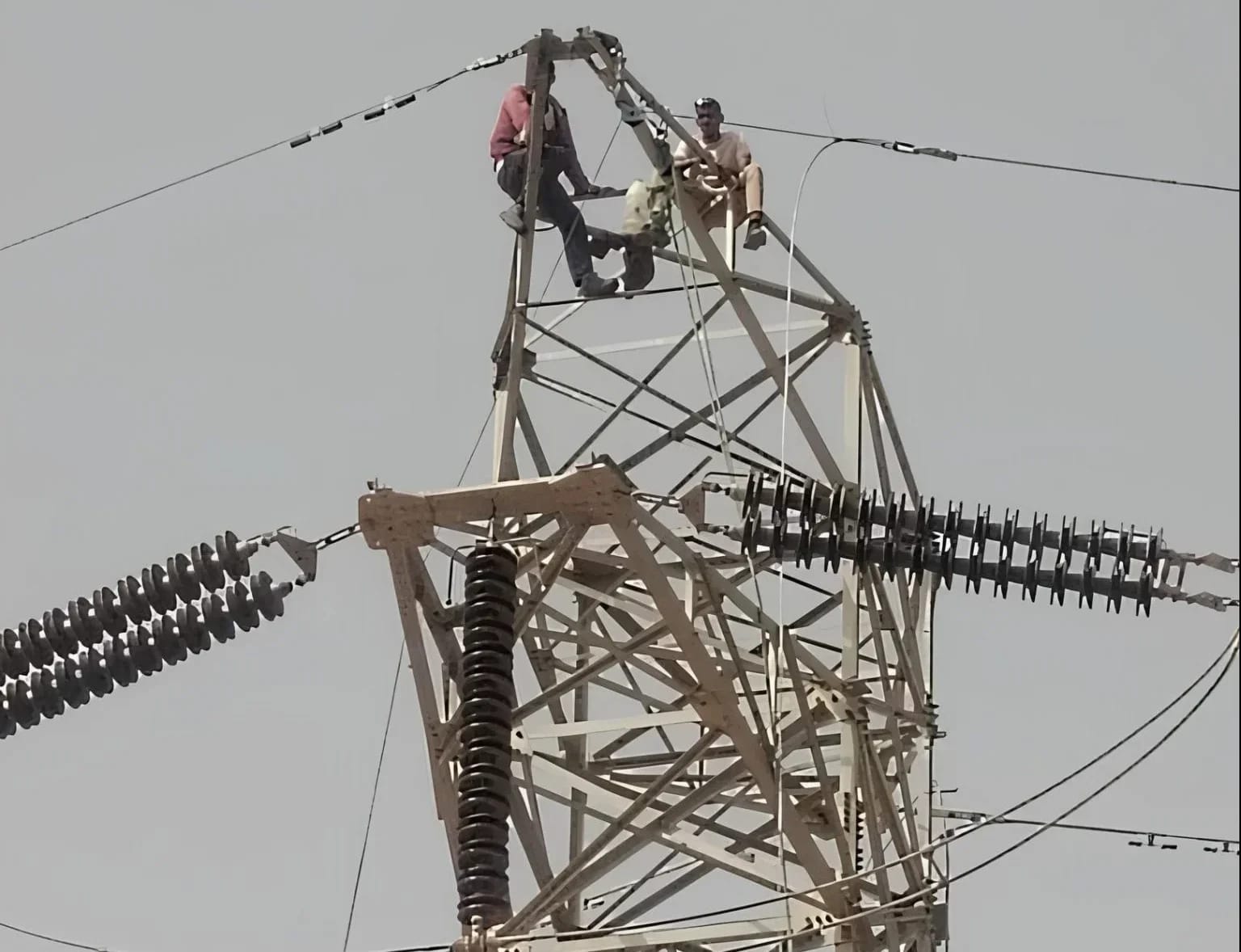
Nevertheless, despite its merits, this proposal cannot be regarded as a permanent solution. It addresses the demand side of the electricity market far more than the supply side. No demand-management policy can fully compensate for a substantial generation deficit, nor should consumers alone bear responsibility for a crisis rooted in decades of underinvestment in generation facilities, ageing transmission networks, technical and commercial losses, electricity theft, and inadequate maintenance.
Accordingly, any sustainable solution must pursue two complementary tracks. The first is to expand electricity supply by rehabilitating existing power stations, investing in solar and wind energy, reducing losses in transmission and distribution networks, and attracting investment into the electricity sector. The second is to manage demand through modern approaches, including smart metering, flexible tariff systems, and the promotion of energy-efficiency awareness—among them the proposed system of monthly consumption caps during periods of severe supply shortages.
Sudan's electricity crisis is fundamentally not a crisis of excessive consumption but rather one of inadequate production and weak sector management. Nevertheless, effective demand management has become just as important as increasing supply, particularly under the country's current exceptional circumstances. If designed to balance efficiency with fairness, such a system could transform citizens from victims of power shortages into active partners in overcoming the crisis.
In the twenty-first century, energy management is no longer based solely on constructing more power plants. It also depends on intelligent demand management. When every citizen becomes a partner in conserving each kilowatt-hour of electricity, society becomes more resilient and better equipped to withstand crises until the national electricity system regains its full capacity to support development and ensure a decent quality of life.
Post your comments
Photo of the Week

Beginning with this issue and continuing through the end of August, Sudanow magazine is launching a special editorial series to mark the 72nd Anniversary of the Sudanese Armed Forces, under the slogan: "Our Guardian, Our Wealth, and Our Blood... Our Army, the Army of Prosperity." The special coverage will feature a series of documentary and analytical reports tracing the history...
More-

19 July, 2026
Stories from the Frontline War Changed Faces Before It Changed Cities
War: Challenges and Resilience The daily struggle for survival... The pulse of the streets Earning a living has become a daily battle... Rising prices and families' hardship Children leave classrooms for marketplaces... Overwhelming circumstances Returnees to Khartoum await government action... Hope and optimism There is little disagreement that the war which erupted on 15 April 2023, ignited by the Rapid Support Forces (RS...

Contact Us

Address: Sudan News Agency (SUNA) Building, Jamhoria Street, Khartoum - Sudan
Mobile:+249 909220011 / +249 912307547