


Groundnuts: A Strategic Crop that Supports Sudan's Economy and Promotes Health and Vitality
02 August, 2026
Khartoum (Sudanow)
Looking for a natural food that boosts energy, enhances physical performance, supports muscle growth, improves memory, and helps reduce stress and anxiety? In Sudan, such a food is abundant, affordable, and deeply rooted in the country's culinary tradition: the humble groundnut (peanut).
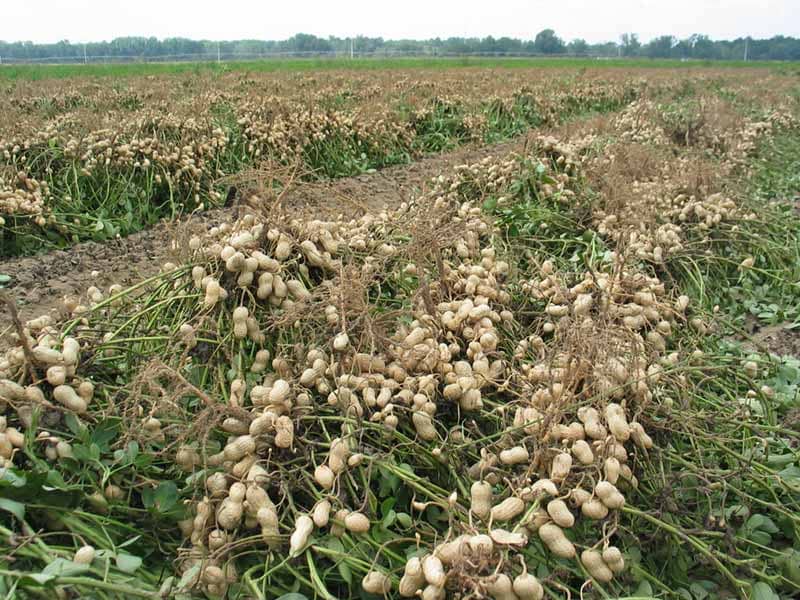
According to Dr. Mohamed Osman Maysara, Consultant in Community Medicine and Public Health, groundnuts are among Sudan's most valuable legume crops, offering exceptional nutritional, economic, and therapeutic benefits. They are also an important source of income for farmers, with yields reaching up to three tonnes per feddan under favorable conditions.

From a nutritional standpoint, groundnuts rank among the richest plant-based foods. Every 100 grams contains approximately 27 percent protein and 46 percent healthy fats, in addition to essential vitamins and minerals that contribute to overall health.
Dr. Maysara, a member of the Permanent Committee for Medicinal and Aromatic Plants, notes that until the 1970s Sudan ranked among Africa's leading exporters of groundnuts. The crop is widely cultivated in Darfur, Kordofan, Gedaref, Blue Nile, and Northern State, while much of Sudan's agricultural land is suitable for its production. Depending on the variety, the crop takes about four months to mature and remains one of Sudan's most important oilseed crops for both human and animal consumption.
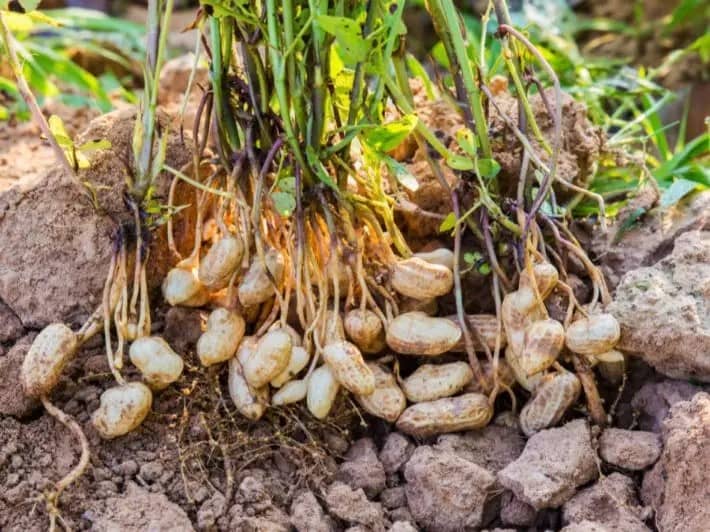
Groundnuts are generally classified into four main types according to size, flavor, and use. Small kernels, with their higher oil content, are mainly processed into peanut butter. Medium-sized round varieties are widely used in confectionery, pastries, and baked products. Larger sweet varieties are commonly roasted and sold as snacks, while another type is particularly suitable for boiling or roasting because of its naturally sweet taste.
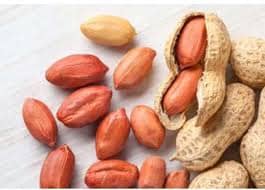
Their versatility extends well beyond direct consumption. Groundnuts may be eaten raw, roasted, boiled, or ground into peanut butter. They are also widely incorporated into chocolates, desserts, baked goods, and cooking oil. Dr. Maysara recommends consuming them in moderation, preferably without added salt or oil, and suggests that eating them on an empty stomach may maximize their nutritional benefits.
Therapeutic and Nutritional Value
As an expert in traditional and complementary medicine, Dr. Maysara emphasizes that groundnuts provide an excellent source of protein, healthy fats, vitamins, and essential minerals, including zinc, magnesium, phosphorus, copper, and selenium. Selenium plays an important role in supporting fertility by helping regulate testosterone production.
For older adults, groundnuts offer several health advantages. Their antioxidants and healthy fats contribute to cardiovascular health by supporting blood vessel function and maintaining healthy blood pressure. They also help preserve muscle mass, strengthen bones through their phosphorus and manganese content, and improve blood circulation and cognitive performance, making them potentially beneficial for individuals experiencing age-related memory decline.
Groundnuts are also considered suitable for people with diabetes because of their relatively low glycaemic index. However, Dr. Maysara recommends limiting daily consumption to about 40 grams and choosing raw or dry-roasted groundnuts without added salt or oil.
Benefits for Children and Women
Groundnuts provide children with high-quality plant protein and healthy fats essential for muscle development, brain growth, and sustained energy. They may also stimulate appetite. However, whole groundnuts should never be given to children under five years of age because of the risk of choking, and they must be avoided by children with peanut or legume allergies.
For women, groundnuts offer numerous health benefits. Their fiber content promotes satiety and may assist with weight management while helping relieve constipation during pregnancy. Rich in antioxidants, vitamin E, B vitamins, biotin, niacin, and folate, they contribute to healthy skin, stronger hair and nails, and improved metabolism. They may also help lower harmful cholesterol and triglyceride levels.
Dr. Maysara adds that naturally occurring plant estrogens found in groundnuts may support hormonal balance, potentially easing menstrual discomfort and some symptoms associated with menopause. Their folic acid content is also important for reproductive health and healthy pregnancy.

Precautions
Despite their many benefits, groundnuts are not suitable for everyone. Individuals with peanut or legume allergies should avoid them completely. Those with kidney stones or a history of kidney disease should exercise caution because of their calcium oxalate content. Patients with thyroid disorders are also advised to consult healthcare professionals, as certain naturally occurring compounds may interfere with thyroid function.
Agricultural and Industrial Importance
Beyond their nutritional value, groundnuts contribute significantly to sustainable agriculture. As a leguminous crop, they naturally fix nitrogen in the soil, improving soil fertility and reducing the need for chemical fertilizers.
Groundnuts also play an important role in livestock production. Their by-products provide concentrated energy and fiber for feeding cattle and poultry. Proper storage, however, is essential, as excessive heat and humidity may encourage fungal growth and the production of dangerous aflatoxins that pose serious risks to both animals and humans.
Industrially, groundnuts generate substantial added value through the production of peanut butter, edible oils, soap, cosmetics, pharmaceutical products, bakery ingredients, confectionery, and snack foods. Even the shells have economic value, being used in the production of biofuels, compressed wood products, charcoal, and wastewater treatment filters capable of removing dyes and heavy metals.
A Strategic National Crop
Dr. Maysara concludes by calling on the relevant authorities to give greater attention to expanding groundnut cultivation and restoring its position as one of Sudan's leading export crops. He stresses the importance of introducing modern agricultural technologies, promoting value-added processing industries, and strengthening rural economies by creating employment opportunities for young people and supporting productive families.
Groundnuts, he argues, are far more than a traditional food—they are a strategic agricultural commodity capable of contributing to food security, public health, rural development, and national economic growth.
Post your comments
Photo of the Week

Beginning with this issue and continuing through the end of August, Sudanow magazine is launching a special editorial series to mark the 72nd Anniversary of the Sudanese Armed Forces, under the slogan: "Our Guardian, Our Wealth, and Our Blood... Our Army, the Army of Prosperity." The special coverage will feature a series of documentary and analytical reports tracing the history...
More-

19 July, 2026
Stories from the Frontline War Changed Faces Before It Changed Cities
War: Challenges and Resilience The daily struggle for survival... The pulse of the streets Earning a living has become a daily battle... Rising prices and families' hardship Children leave classrooms for marketplaces... Overwhelming circumstances Returnees to Khartoum await government action... Hope and optimism There is little disagreement that the war which erupted on 15 April 2023, ignited by the Rapid Support Forces (RS...

Contact Us

Address: Sudan News Agency (SUNA) Building, Jamhoria Street, Khartoum - Sudan
Mobile:+249 909220011 / +249 912307547