


The World Cup Roaring: I Wished It Were Every Year,
02 August, 2026
Khartoum, SUDANOW
It was a relieving roar: For once this thunderous and deafening roaring was not sign of threat or menace. For us, displaced by war to regions hundreds of miles away from our homes, such explosive sounds, were only prelude to death, at least threat of death.
We knew not who was attacking and from where death was coming. For us, loud sounds and deafening outcries have become connected to death and misery, hunger and fear.
This is a scary war situation, instilling fear and reprehension. For example the UN office in sudan has reported in 2026, that humanitarians in Darfur have treated close to 2,500 survivors of sexual violence in 2025. Ms. Denise Brown, UN representative in Sudan said the impact goes far beyond the immediate survivors, affecting families, communities and children born as a result of sexual violence.
She also highlighted mass killings around El Fasher, where she said 6,000 people were killed in three days according to verified information
No one know exactly how many were killed, maimed or traumatized. But for sure the UNHCR estimated that some 14 million people, or a quarter of the population, have been forced to flee, with 9 million remaining displaced inside Sudan and 4.4 million across borders. One thing certain was that death has been everywhere. According to some estimates 50,000 civilians were killed or have disappeared when rebels, the Rapid Support Forces (RSF) besieged for 18 months, and ultimately attacked El Fasher, a regional capital in Western Sudan in October 2025.
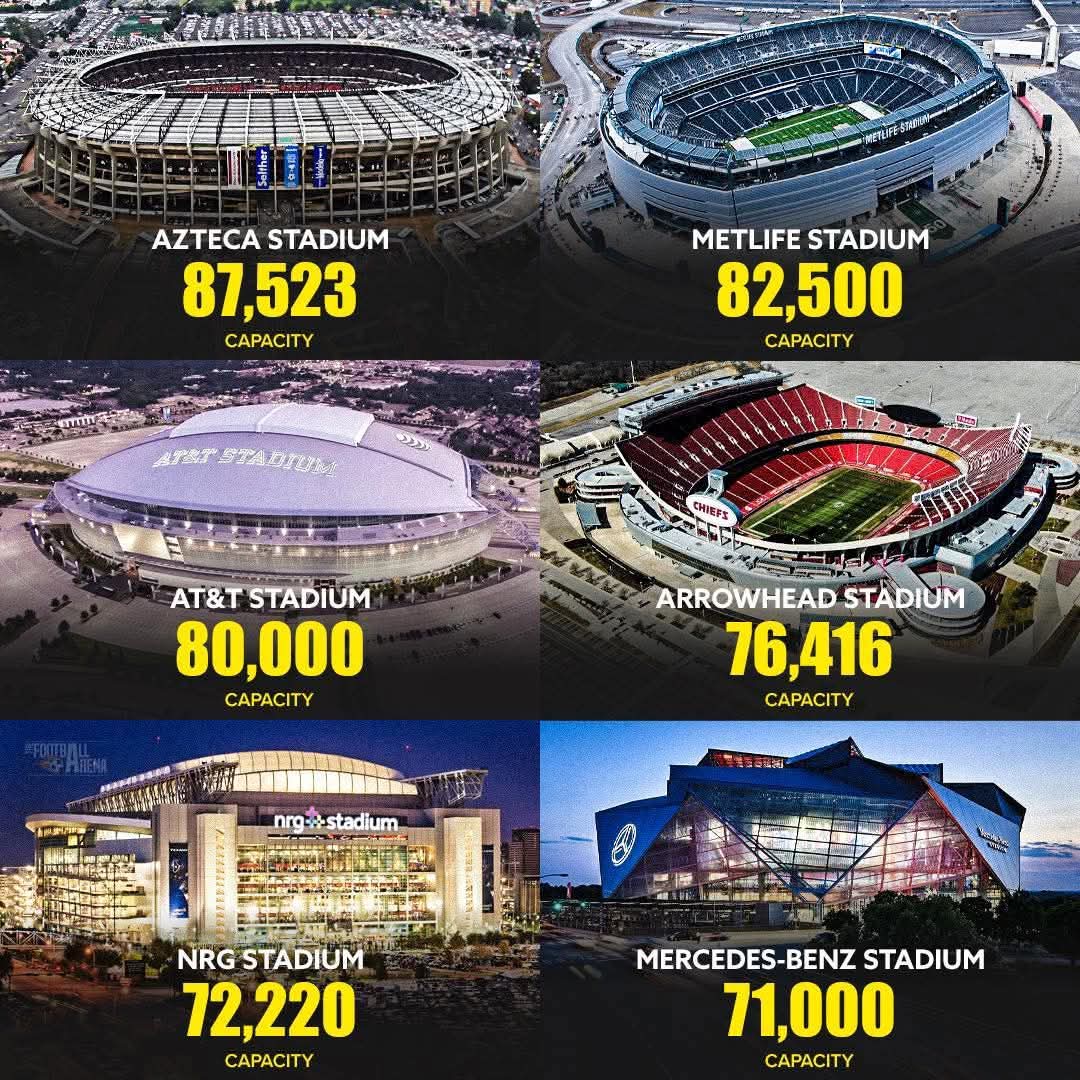
Nevertheless and for the first time since the outbreak of the war in Sudan October 2023, the balance in the significance of “roaring” has been restored, the world Cup final matches, June-July 2026:
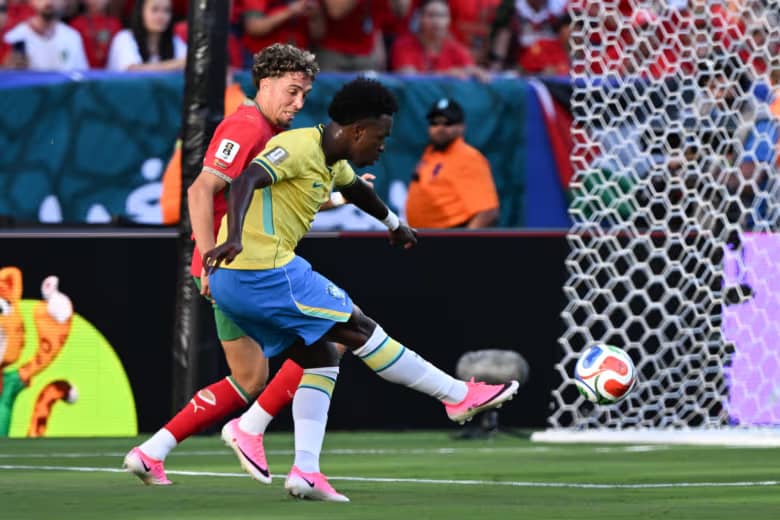
Fans shouted and roared, they came together in thousands, packed in one place even if from different regions, different nationalities, and yes even different tribes when it comes to Africa, part of South America, Middle East and Eastern Europe, but still they didn’t kill each other. They did not brandish machetes, Kalashnikovs, or RPGs. They waved flags and displayed huge banners, encouraging their teams, their national heroes, without desecrating the other nations, the other countries, the other states, the other tribes and the other national teams.
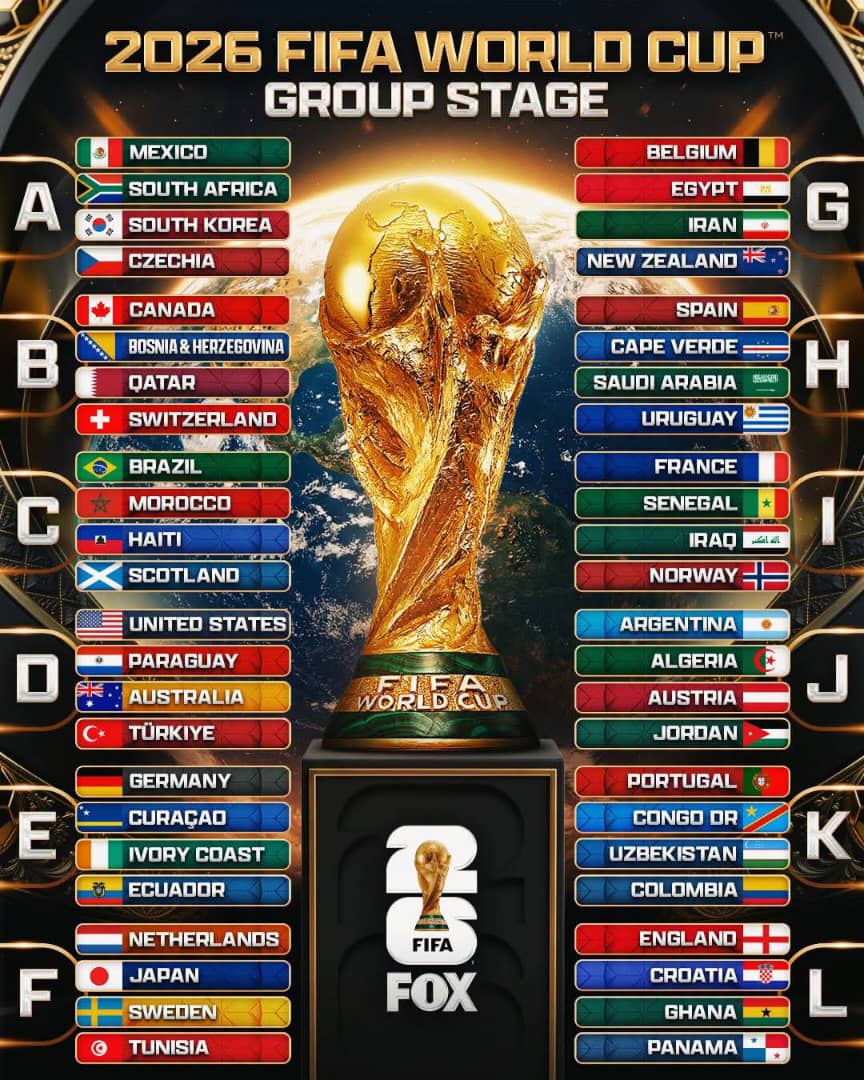
The glittering and flying fireworks were met with joy by thousands jubilant fans. Without realizing I - in fact we- found ourselves smiling and jumping and getting excited and noting even an eye blink from a fan as aired by TV channels. We noted the hysterical reaction from a toddler-brother of Lamine Yamal of Spain.
This was something noted not by me alone but by millions around the globe, giving me the feeling that am not- in fact we were not – isolated.
We were part of a whole: as Jean Paul Sartre (1905-1980), the French philosopher put it, in his epic phrase ” Un des principaux motifs de la création artistique est certainement le besoin de nous sentir essentiels par rapport au monde”, which translates into English as "One of the main motives for artistic creation is certainly the need to feel essential in relation to the world.”
We knew not who was attacking and from where death was coming. Loud sounds and deafening outcries have become connected to death and misery, hunger and fear.
But for once, since the outbreak of the war in Sudan October 2023, the balance in the significance of “roaring” has been restored: People shout and roar, and come together in thousands, pack in one place even if from different regions, different nationalities, and yes even different tribes when it comes to Africa, part of South America, Middle East and Eastern Europe, but still they don’t kill each other. They did not brandish machetes, Kalashnikovs, or RPGs. They wave flag and display huge banners, encouraging their teams, their national heroes, without desecrating the other nations, the other countries, the other states, the other tribes and the other national teams.
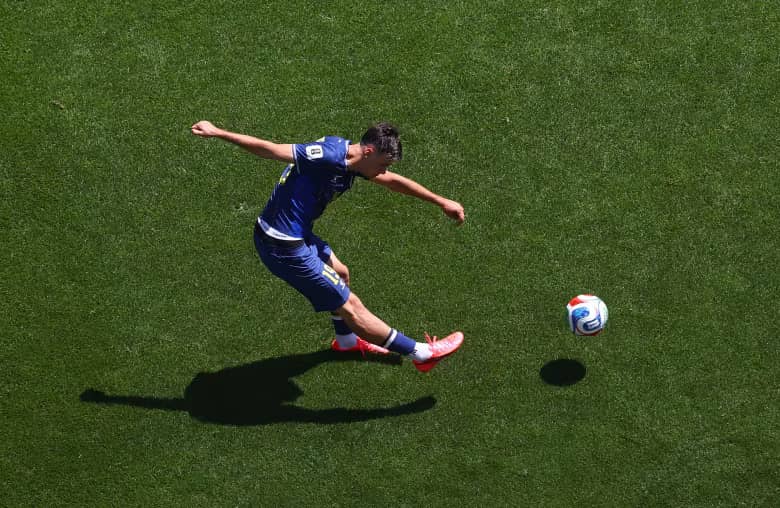
The glittering and flying fireworks were met with joy by thousands inside the stadiums and million; some say even billions, outside the stadiums. We felt we were part of this huge humanity that extended from Cape of Good Hope-South African national team, to Stockholm’s Earling Haaland - Norwegian national team, from the Japanese team captained by Wataro Endo in the far east to Cape Verde’s goalie, Vazinah’s team in the far West and in between the lines, Leo Messi of Argentina, Kylian Mbappé of France, Harry Kean of UK, Roderi and Lamine Yamal of Spain, Gianluigi Donnarumma of Italy or Ashraf Hakimi of Morocco. They might not know some of us as nation states- they probably don’t, let alone over 14 million internally displaced persons (IDPS) in the Sudan.
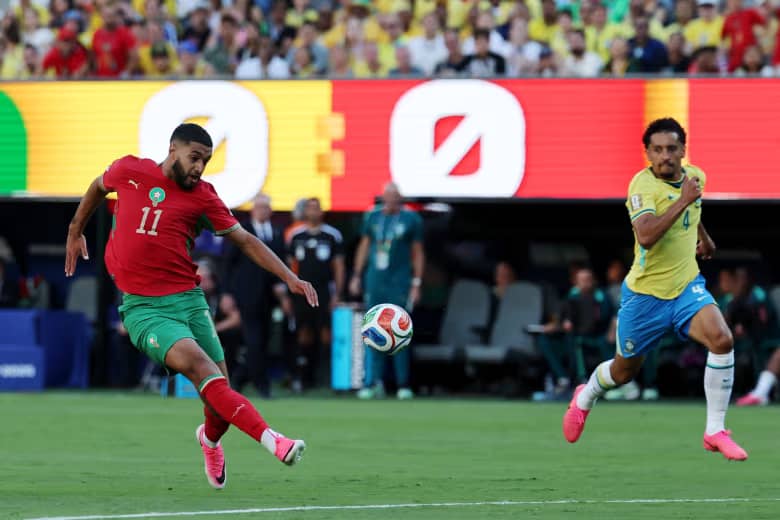
But we know them; we were part of the world. We did them nothing good, but they did us everything good possible: they made us forget our misery for hours in over a month’s time, restoring for us that being on opposite sides, does not mean working to annihilate the others. We could see that blood-shedding has been turned into sweat-letting and hugging at the end of the day. We could walk away with the image of Erling Haaland of Norway hugging Jude Bellingham of UK that alone was a trophy.
Those countries and those teams and those fans, paid millions of dollars to bring their best players to clash, under glaring lights, under the gaze of millions of millions, with very specific rules and regulations, a specific area and they ended up accepting the other team winning. Nobody was killed; nobody was going home fearing reprisals. They sorted out differences by resorting to a one referee and his aides, human and technological, the VAR.
Sorting out the causes of the conflict in the Sudan and accepting arbitration, will take time, if ever, it is to be resolved. And as long as the war continues, the physical and psychological suffering continues.
Firearms noises, roaring of war planes, thundering of mortars and shelling were all connected with death, anxiety and loss of comfort, all related to psychological stress as put by Professor Moaz Sharafi, a lead professor of psychology and education.
He argued in an interview with the Sudanow, a respectable Sudanese magazine weekly: “Constant explosions, fires, toxic chemicals from military remnants, and traditional gold mining using cyanide and mercury have all contributed to elevated stress levels and serious impacts on both mental and physical health, particularly among children and pregnant women,” displaced by the war in the Sudan.
Out of the population of 47 million, two third are youth. The war displaced at least 13 million. For most of those displaced, loud noises and even the popping of fireworks will spur fear and panic. They come to term with those noises and roars only when it came from the stadium that hosted the final games of the world cup in Canada, Mexico and the United states
Though French philosopher, Jean Paul Sartre, was referring to literary arts when he wrote his famous quote: “One of the main motives for artistic creation is certainly the need to feel essential in relation to the world,” it persisted in my mind when I noted hundreds of thousands of young men, victims of war and horror, displaced and jobless with dim presence, look at the sport as a way out, even if for a month, that he meant sports as well. And what is more artistic than a miraculous save by the Cape Verde Goalkeeper, or a nice chip by French playmaker Michael Olisé, or a creative pass by Cody Gakpo of the Netherlands or a powerful shot by MO Salah of Egypt? Sport and this world Cup in particular could in all fairness be considered within the saying of the French philosophical creative statement.
But for me, the world cup finals have made us, IDPs, over five thousand miles away …” feel essential in relation to the world.
Post your comments
Photo of the Week

Beginning with this issue and continuing through the end of August, Sudanow magazine is launching a special editorial series to mark the 72nd Anniversary of the Sudanese Armed Forces, under the slogan: "Our Guardian, Our Wealth, and Our Blood... Our Army, the Army of Prosperity." The special coverage will feature a series of documentary and analytical reports tracing the history...
More-

19 July, 2026
Stories from the Frontline War Changed Faces Before It Changed Cities
War: Challenges and Resilience The daily struggle for survival... The pulse of the streets Earning a living has become a daily battle... Rising prices and families' hardship Children leave classrooms for marketplaces... Overwhelming circumstances Returnees to Khartoum await government action... Hope and optimism There is little disagreement that the war which erupted on 15 April 2023, ignited by the Rapid Support Forces (RS...

Contact Us

Address: Sudan News Agency (SUNA) Building, Jamhoria Street, Khartoum - Sudan
Mobile:+249 909220011 / +249 912307547