


The Sudanese Army: From Battlefield Victory to the Battle of Reconstruction and Development
02 August, 2026
Khartoum (Sudanow)
The Sudanese Armed Forces will celebrate, on August 14, the 72nd anniversary of their establishment. This year’s celebration comes under exceptional circumstances shaped by the repercussions of the war that the country has witnessed over the past years, marking the beginning of a new phase focused on moving from the battle of defending the nation and safeguarding its sovereignty to the battle of reconstruction, rebuilding institutions, and restoring normal life.
Amid the significant challenges facing Sudan, the importance of developing a comprehensive national vision to rebuild what has been destroyed by the war has become increasingly evident, transforming the consequences of the crisis into an opportunity to launch a new development process based on the country’s human and natural resources.
To discuss this important phase, Sudanow interviewed writer and researcher Dr. Yasser Ahmed Ibrahim, who emphasized that the history of nations is not measured only by the magnitude of the crises they endure, but by their ability to transform hardships into opportunities for recovery and progress toward a better future.
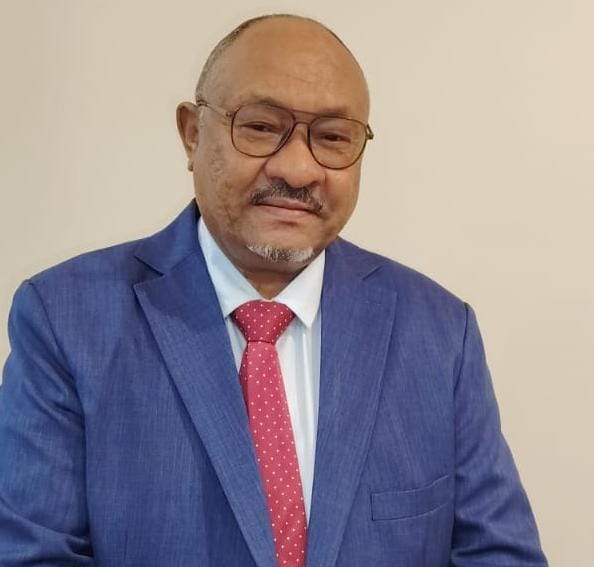
Dr. Yasser said:
“Great nations are not those that have never experienced wars, but those that have managed to transform their pain into strength, their destruction into revival, and their difficult experiences into lessons that guide them toward a better future. Sudan today stands at the threshold of a new phase that requires a national determination capable of rebuilding and shaping the future.”
He added that the war had caused extensive damage across various sectors, with infrastructure affected, numerous productive facilities disrupted, and educational and healthcare institutions suffering severe setbacks. The national economy has also lost a significant portion of its productive capacity, while millions of citizens have been forced to flee, either internally or abroad.
He pointed out that Sudan possesses significant resources that can support recovery, including vast agricultural lands, livestock wealth, mineral resources, water resources, and a strategic geographical location that connects the Arab world with Africa.
Dr. Yasser explained that reconstruction should not be viewed merely as rebuilding buildings, roads, and facilities, but rather as a comprehensive national project aimed at establishing a modern state, strengthening institutions, creating a productive economy, and achieving balanced development across Sudan’s various regions.
He stressed that international experiences have shown that countries emerging from wars did not rely solely on external assistance; rather, they succeeded when they developed clear strategic visions, mobilized their national resources, and benefited from the expertise and capabilities of their citizens.
The Role of the Armed Forces in the Reconstruction Phase
Regarding the role of the Armed Forces in the coming period, Dr. Yasser said that their historic responsibility has not been limited to defending the nation and protecting its sovereignty. Their accumulated expertise in engineering, technical fields, logistics, and administration can contribute to reconstruction efforts in coordination with state institutions and the private sector.
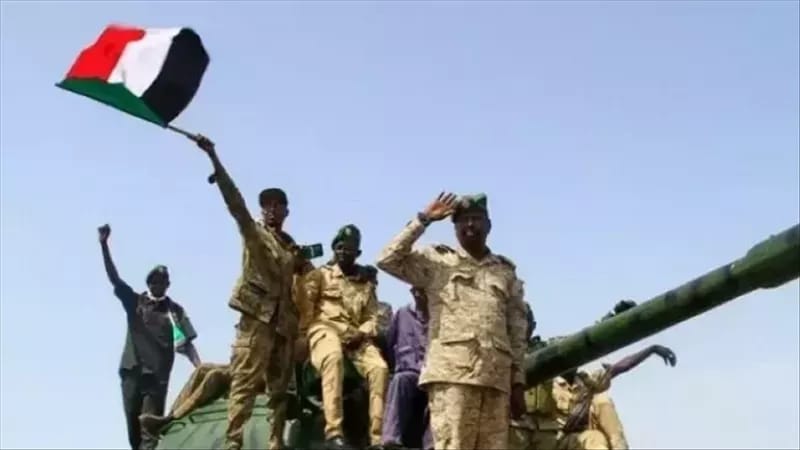
He noted that the technical and engineering capabilities of the Armed Forces could support the implementation of strategic projects, including rehabilitating infrastructure, restarting productive facilities, and contributing to road, bridge, water, and energy projects, helping restore normal life.
He emphasized that the success of the reconstruction phase requires an environment based on scientific planning, sound management, transparency, the rule of law, and combating corruption, ensuring that citizens see the direct impact of reconstruction efforts on their lives and the future of their children.
Sudanese Abroad: A National Resource
Dr. Yasser affirmed that Sudanese communities abroad represent an important national asset due to the scientific and professional expertise they have gained through years of work in different countries. He called for creating an environment that encourages their participation in transferring knowledge, investment, and developing educational and productive institutions.
He stressed the importance of ensuring that reconstruction efforts include all states of Sudan in order to achieve balanced development, strengthen social stability, and assure citizens that the era of peace and rebuilding will benefit everyone.
The Battle of Reconstruction Is No Less Important Than the Battle of Defense
Dr. Yasser said that the coming phase requires national unity and the cooperation of all state institutions and society, as nations are not built through division and conflict, but through knowledge, work, production, and a collective belief that Sudan’s future is a shared responsibility.
He added that Sudan has a historic opportunity to transform military victories into developmental achievements and to turn the sacrifices of its people into projects that restore life to cities and villages and open new horizons for future generations.
Concluding his remarks, Dr. Yasser said that the battle of reconstruction and development is no less honorable than the battle of defending the nation, and that Sudan, a country that created civilization thousands of years ago, is capable of regaining its role when the will of its people is united, institutions work together, and its resources are invested effectively.
On the 72nd anniversary of the Sudanese Armed Forces, the need is renewed to strengthen national unity, cooperation, and collective action, moving from the phase of war toward the phase of rebuilding, so that the future becomes a symbol of a nation restoring its strength and continuing its journey toward development and stability.
Post your comments
Photo of the Week

Beginning with this issue and continuing through the end of August, Sudanow magazine is launching a special editorial series to mark the 72nd Anniversary of the Sudanese Armed Forces, under the slogan: "Our Guardian, Our Wealth, and Our Blood... Our Army, the Army of Prosperity." The special coverage will feature a series of documentary and analytical reports tracing the history...
More-

19 July, 2026
Stories from the Frontline War Changed Faces Before It Changed Cities
War: Challenges and Resilience The daily struggle for survival... The pulse of the streets Earning a living has become a daily battle... Rising prices and families' hardship Children leave classrooms for marketplaces... Overwhelming circumstances Returnees to Khartoum await government action... Hope and optimism There is little disagreement that the war which erupted on 15 April 2023, ignited by the Rapid Support Forces (RS...

Contact Us

Address: Sudan News Agency (SUNA) Building, Jamhoria Street, Khartoum - Sudan
Mobile:+249 909220011 / +249 912307547