


Sudanese Army Day… When the Military Institution Goes Beyond the Battlefields to Building the Nation
02 August, 2026
Khartoum (Sudanow)
In countries around the world, the role of armies is measured by their ability to protect sovereignty, defend borders, safeguard national security, and preserve stability. However, major national experiences have demonstrated that armies do not fulfill their mission solely on the battlefield; their role can extend to contributing to state-building, supporting development, strengthening national cohesion, and assisting society, particularly during times of crises and disasters.
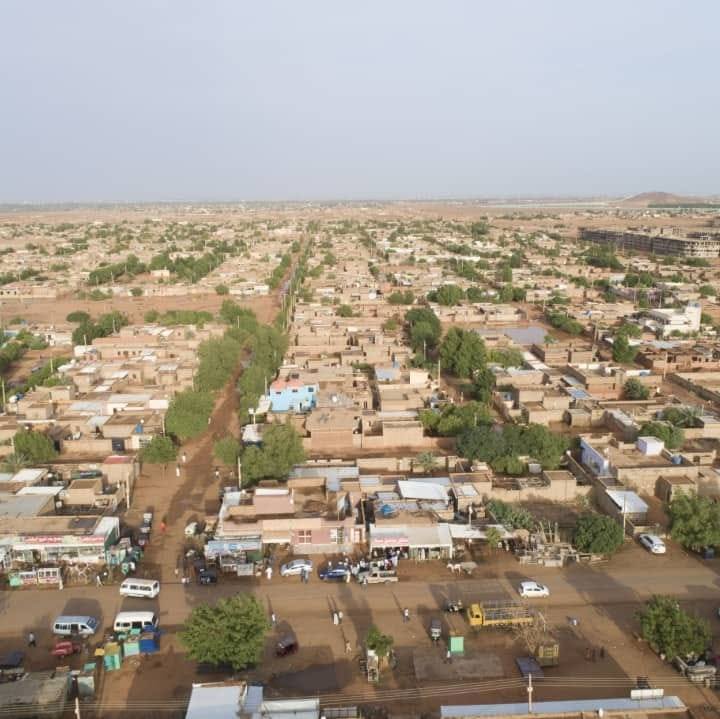
This year’s celebration of Sudanese Army Day comes at an exceptional moment for Sudan, as the country continues to face the consequences of a complex war and a proxy conflict that has resulted in massive loss of life, widespread destruction of infrastructure, the displacement and refuge of millions of citizens, and unprecedented economic, social, and humanitarian burdens. Under such circumstances, the responsibility of the military institution expands beyond its fundamental duty of protecting national sovereignty and preserving the dignity of its people to include contributing to addressing the consequences of war, creating conditions for the restoration of normal life, and supporting national recovery efforts.
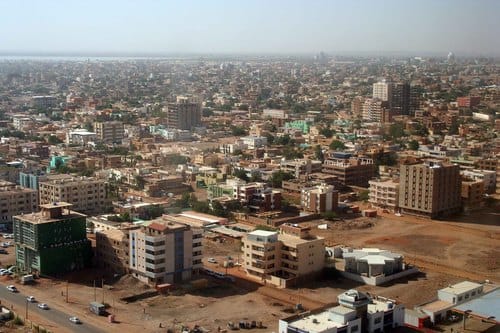
The experiences of many countries have demonstrated that national armies have always been part of post-conflict reconstruction and recovery processes through rehabilitating roads and bridges, supporting the operation of vital facilities, assisting health and education services, responding to disasters, facilitating the return of citizens to their communities, and helping remove the effects of destruction. These roles are not a substitute for civilian institutions; rather, they represent institutional cooperation and integration when states face exceptional challenges, driven by a greater sense of national responsibility.
In Sudan, there is a growing need today for the Armed Forces to become a key partner in the national recovery phase by utilizing their engineering, technical, and logistical capabilities to contribute to rebuilding what has been destroyed by the war, supporting infrastructure projects, facilitating the delivery of humanitarian assistance, and helping restore essential services for citizens. Such efforts would strengthen public confidence in state institutions and alleviate the suffering of affected communities by reopening pathways toward normal life.
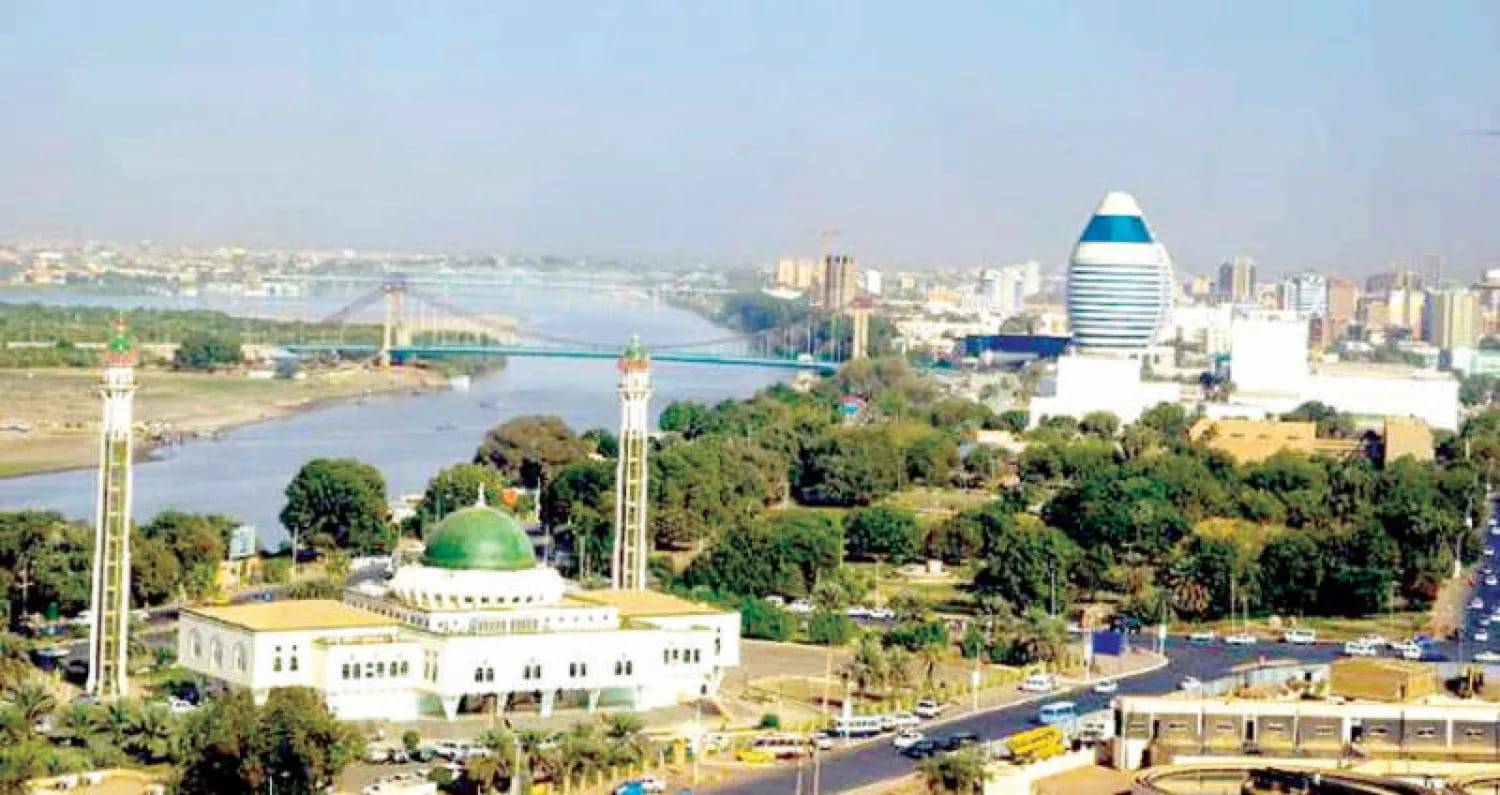
The social role of the military is no less important than its security role. The war has created profound challenges affecting the social fabric, causing displacement, fragmentation, and loss of livelihoods. This makes it necessary for all state institutions, particularly the military, to contribute to national initiatives aimed at strengthening social cohesion, promoting coexistence, protecting national unity from the effects of polarization and division that wars often produce, and combating hate speech.
During this period, a notable development has been the widespread popular support for the Armed Forces among various segments of Sudanese society. Despite severe economic hardships and the suffering endured by citizens throughout the war, broad sectors of the population have expressed their support for the military institution and stood alongside it, based on the belief that preserving state institutions is essential to maintaining the country’s unity and preventing its collapse. This support has appeared in various forms, reflecting the deep historical relationship between the army and society and reinforcing the concept of shared national responsibility in confronting challenges and resisting threats. This represents a distinctive feature in the history of the Sudanese people.
However, the coming phase imposes mutual responsibilities. If the people have provided support, patience, and endured the consequences of war, rebuilding trust requires directing efforts toward strengthening domestic priorities and focusing on recovery and reconstruction. It also requires integration between the military institution, civilian institutions, the private sector, civil society organizations, and national expertise inside and outside Sudan, in order to achieve comprehensive development that restores security, stability, essential services, and opportunities for a dignified life.
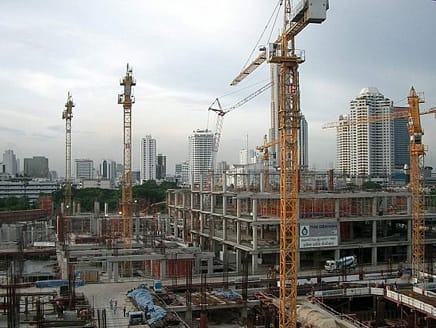
The celebration of Army Day should not be limited to recalling military victories and sacrifices; it should also be an opportunity to reflect on Sudan’s future, strengthen national security, rebuild the social fabric, and explore how the sacrifices of the war years can be transformed into a comprehensive national project that rebuilds people before buildings. Nations do not rise through weapons alone; they advance through the integration of security and development, strength and justice, and patriotism and community participation.
On this occasion, the Sudanese Army deserves appreciation for the sacrifices it has made, just as the Sudanese people, in all their diversity, deserve recognition for their patience, solidarity, and commitment to the unity of their nation despite the severity of circumstances and the magnitude of challenges. This partnership between the army and the people will remain a fundamental pillar for Sudan’s transition from war to peace, sustainable stability, and reconstruction, preserving the state, protecting society, and laying the foundations for a safer, more united, cohesive, and prosperous future.
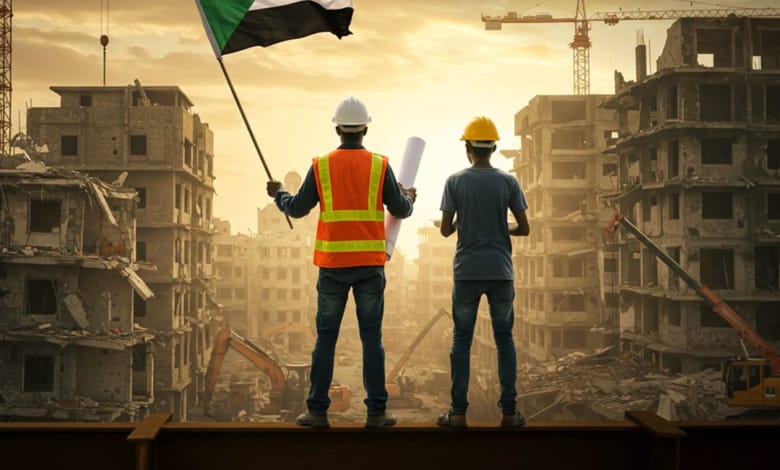
International experiences from countries emerging from conflicts and wars confirm that the role of armed forces does not end with restoring security and winning battles; it extends to contributing to rebuilding the state, protecting its institutions, securing the environment necessary for economic recovery, reconstruction, the return of displaced persons and refugees, and the restoration of basic services. This makes the military institution one of the pillars of transition from conflict to stability and development.
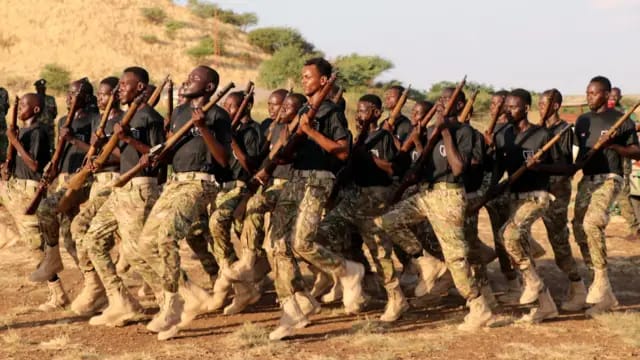
However, the success of this role depends on the existence of a unified national military institution that maintains the legitimate use of force in accordance with the constitution and law, and that operates under unified command, authority, and control. This requires integrating all formations and irregular forces, or those established under exceptional circumstances, into the Armed Forces based on professional standards and a unified national doctrine. Such integration ensures unity of military decision-making, prevents the duplication of power centers, strengthens military professionalism, and enhances the institution’s ability to fulfill its diverse responsibilities in protecting national sovereignty, addressing comprehensive national security requirements, preserving the unity of the country, and supporting development and state reconstruction on solid and sustainable national foundations.
Conclusion
On the centenary of the establishment of the Sudanese Armed Forces, and as the country marks its celebrations, the focus should not be only on honoring the past but also on envisioning the future Sudan deserves. Great armies are not measured solely by the number of battles they have fought, but by the sustainable security they create, the stability they establish, and the path they pave toward development and nation-building.
Today, Sudan stands at a historic crossroads requiring the unification of national efforts and the consolidation of the principle of a single legitimate force under the banner of the Armed Forces, making the military institution a pillar of the rule of law, a guardian of national unity and sovereignty, and a partner in national advancement.
Just as the Armed Forces have prevailed in the battle to defend the nation and preserve its unity, the greatest challenge ahead is achieving victory in the battle of building the state.
Perhaps the most profound message of this occasion is that nations are not protected by a strong army alone, but are built by a strong army embraced by a united nation, supported by solid institutions, and guided by a national vision that looks toward the future. This is the message carried by the centenary of the Sudanese Army, and it is the enduring legacy that should be passed on to future generations, encouraging young men and women to contribute to its institutions through service, recruitment, and voluntary commitment with determination and a spirit dedicated to the greater goals of preserving the nation and safeguarding the dignity and pride of its people.
Post your comments
Photo of the Week

Beginning with this issue and continuing through the end of August, Sudanow magazine is launching a special editorial series to mark the 72nd Anniversary of the Sudanese Armed Forces, under the slogan: "Our Guardian, Our Wealth, and Our Blood... Our Army, the Army of Prosperity." The special coverage will feature a series of documentary and analytical reports tracing the history...
More-

19 July, 2026
Stories from the Frontline War Changed Faces Before It Changed Cities
War: Challenges and Resilience The daily struggle for survival... The pulse of the streets Earning a living has become a daily battle... Rising prices and families' hardship Children leave classrooms for marketplaces... Overwhelming circumstances Returnees to Khartoum await government action... Hope and optimism There is little disagreement that the war which erupted on 15 April 2023, ignited by the Rapid Support Forces (RS...

Contact Us

Address: Sudan News Agency (SUNA) Building, Jamhoria Street, Khartoum - Sudan
Mobile:+249 909220011 / +249 912307547