


The Impact of Social Media on Adolescents and Children
02 August, 2026
Khartoum (Sudanow) — In a series of studies presented by Prof. Muadh Sharafi, a specialist in psychology, sociology, and education, on the impact of media on adolescents and children, he stated:
Social media platforms have a profound and direct impact on children and adolescents, as they are in a sensitive stage of psychological, physical, and cognitive development. This influence is a double-edged sword; it provides benefits and opportunities for growth, while also presenting significant risks and challenges.
First: Negative Effects
1. Mental and Emotional Health
Social comparison and reduced self-esteem:
Adolescents are exposed to images and videos portraying “ideal” and often unrealistic lifestyles or body appearances, which can lead to feelings of inadequacy and problems with body image.
Anxiety and Fear of Missing Out (FOMO):
The constant fear of missing events, updates, or posts creates ongoing stress and a continuous desire to stay connected and monitor social media without interruption.
Increased rates of depression and social isolation:
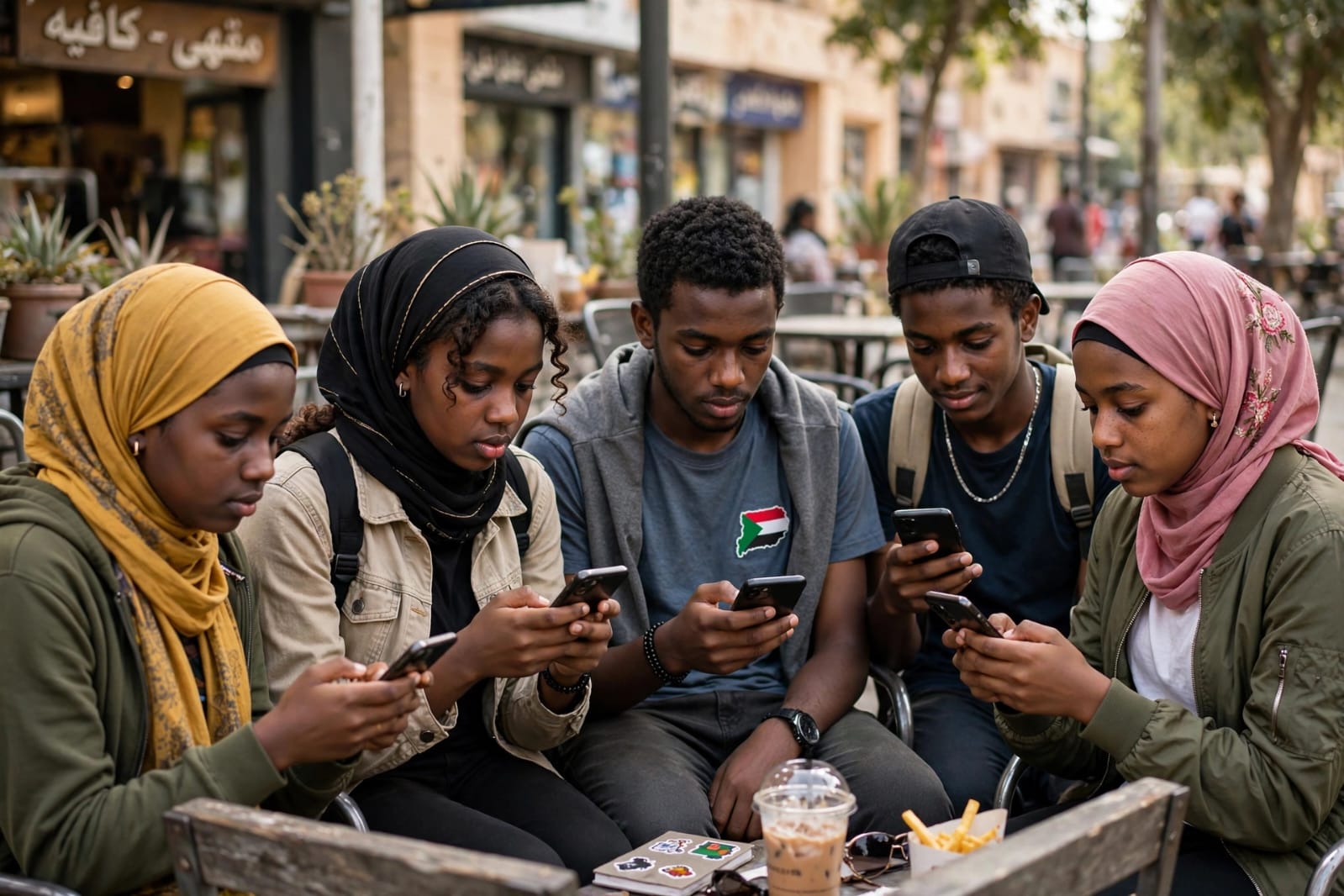
Excessive immersion in the virtual world reduces real-life social interaction and may increase feelings of loneliness.
2. Behavioral and Social Development
Cyberbullying:
Online harassment, abusive comments, or harmful messages can have long-term psychological effects on victims.
Exposure to misinformation and risky behaviors:
The rapid spread of dangerous challenges or inappropriate ideas can easily influence young people due to their limited experience and developing judgment skills.
3. Physical and Cognitive Health
Sleep disorders:
Exposure to blue light emitted from screens before bedtime affects the production of the hormone melatonin, leading to insomnia and reduced academic performance.
Reduced concentration and attention difficulties:
Dependence on fast-paced short videos (such as TikTok and Reels) may reduce the ability to focus and engage in longer tasks.
---
Second: Positive Effects
Expanding learning opportunities:
Social media provides easy access to educational, informative, and awareness-based content.
Developing social and communication skills:
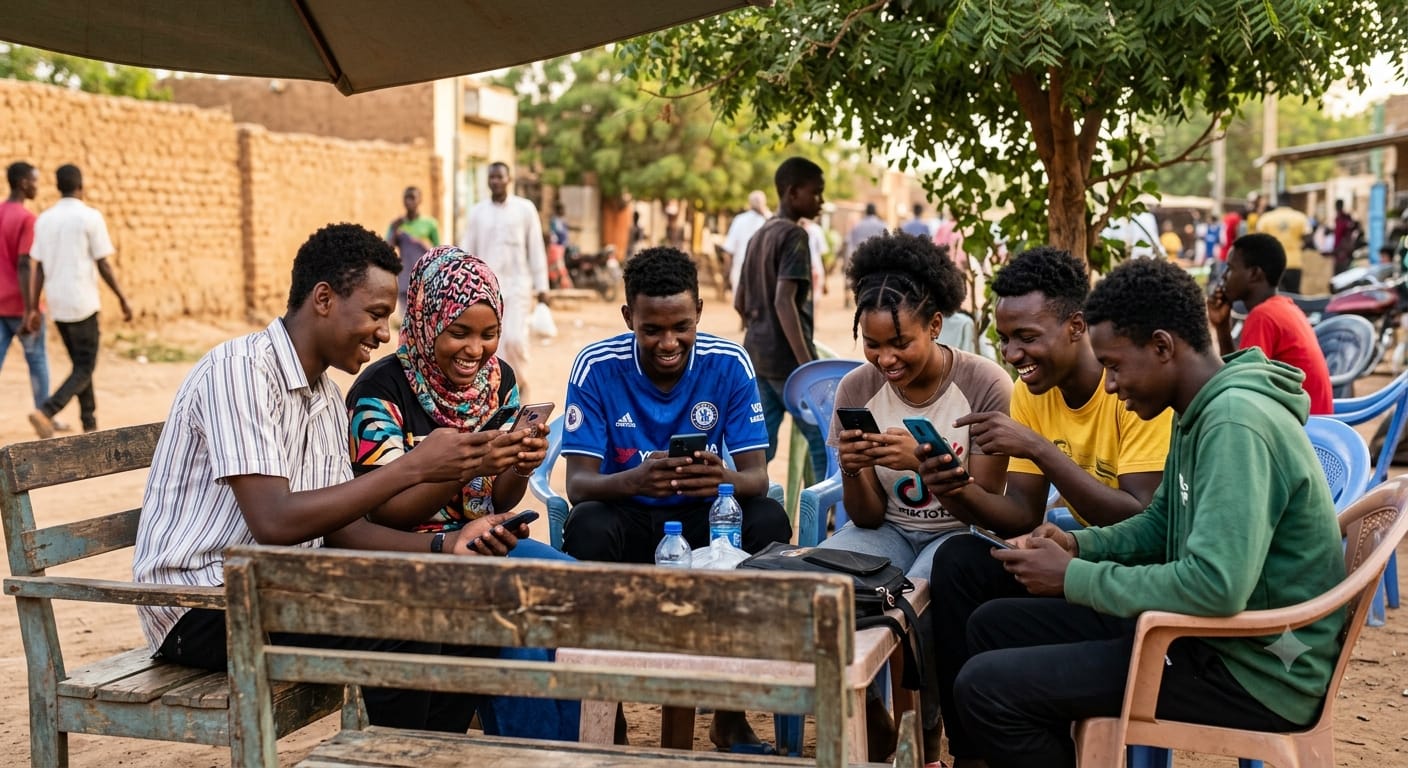
It can help shy children and adolescents find communities that share their hobbies and interests, allowing them to interact and connect with others.
Self-expression and creativity:
Social media platforms offer opportunities to showcase talents and hobbies such as drawing, writing, or creating constructive content.
---
Third: Prevention and Mitigation Strategies (The Role of Parents and Educators)
Setting screen-time limits:
Establish clear rules for device use, including avoiding screens during meals and at least one hour before bedtime.
Encouraging critical thinking:
Teach adolescents how to analyze the content they view and explain that much online content is carefully selected, edited, and does not fully represent reality.
Promoting effective alternatives:
Provide opportunities for sports, social activities, and creative hobbies that encourage real-life interaction.
Building open communication:
Create a safe environment where children and adolescents can talk about any online harassment or disturbing experiences without fear of punishment.
Post your comments
Photo of the Week

Beginning with this issue and continuing through the end of August, Sudanow magazine is launching a special editorial series to mark the 72nd Anniversary of the Sudanese Armed Forces, under the slogan: "Our Guardian, Our Wealth, and Our Blood... Our Army, the Army of Prosperity." The special coverage will feature a series of documentary and analytical reports tracing the history...
More-

19 July, 2026
Stories from the Frontline War Changed Faces Before It Changed Cities
War: Challenges and Resilience The daily struggle for survival... The pulse of the streets Earning a living has become a daily battle... Rising prices and families' hardship Children leave classrooms for marketplaces... Overwhelming circumstances Returnees to Khartoum await government action... Hope and optimism There is little disagreement that the war which erupted on 15 April 2023, ignited by the Rapid Support Forces (RS...

Contact Us

Address: Sudan News Agency (SUNA) Building, Jamhoria Street, Khartoum - Sudan
Mobile:+249 909220011 / +249 912307547