


On the 72nd Army Day: Liberation of the Export Road and Securing the Rear of Omdurman and El-Obeid
08 August, 2026
Exclusive Field Report
El-Obeid (SUDANOW) — On Its 72nd Anniversary, the Army Writes History
As the Sudanese nation prepares to celebrate the 72nd anniversary of the Sudanese Armed Forces on August 6, this year's anniversary comes at a different moment. It is not merely a commemoration of the Army's founding; it is a celebration of the Battle of Dignity, an anniversary marked by a decisive strategic shift on the ground.
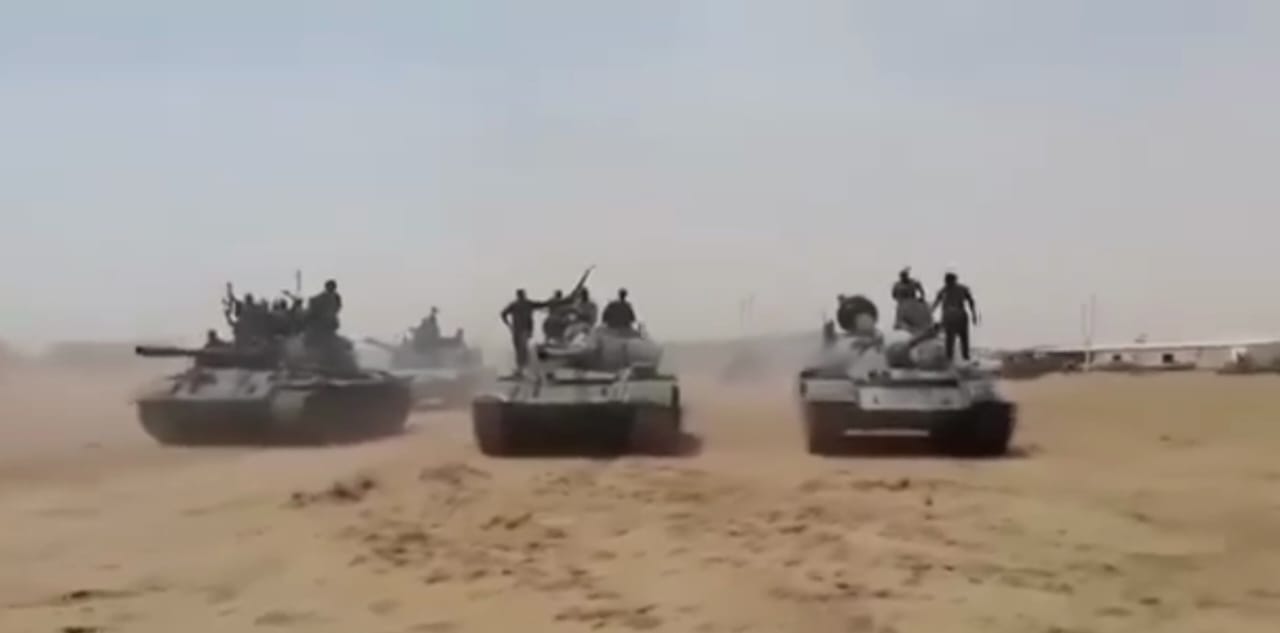
The victories being achieved today in Kordofan and Darfur are a natural extension of a 72-year legacy of commitment and loyalty—a pledge the Army has made to remain the nation's shield and its unsheathed sword. The liberation of the Export Road is the Armed Forces' gift to the Sudanese people on this glorious anniversary, and a reaffirmation that the nation's flag will continue to fly high.
General Command of the Armed Forces
On July 25, the General Command of the Armed Forces issued a statement announcing that its forces had liberated the towns of Bara, Jabra El-Sheikh, and Umm Sayala through decisive military operations. Twenty-four hours later, it issued another statement explaining that, following carefully planned military operations and fierce battles, its forces had succeeded in liberating the areas of Umm Qurfa and Jureijikh in North Kordofan State.

In the same context, the Armed Forces announced that they had conducted clearance operations across more than 100 villages around Jabra El-Sheikh and Umm Sayala, subsequently declaring full control of the entire 341-kilometre Export Road. The route cuts the journey by roughly half, compared with the alternative route of approximately 700 kilometres that passes through White Nile State.
In those statements, the Armed Forces renewed the pledge they had made to remain the nation's protective shield and its unsheathed sword in defense of its territory, sovereignty, and unity. They affirmed that their resolve would not waver and that the national flag would continue to fly high, regardless of the scale of the challenges and the number of conspiracies. The General Command also expressed its pride in and saluted its soldiers, as well as all supporting forces stationed across the various combat fronts.
Observers of the military confrontation in Sudan over recent months have witnessed a significant strategic shift, with the Rapid Support Forces' (RSF) offensive capabilities declining markedly and their posture changing from attack and territorial expansion to strategic defense, with an apparent inability to hold their positions.
To ensure that this assessment was not merely a personal impression, we contacted a field commander on the frontline and put a number of questions to him. He agreed to speak on condition that neither his name nor rank be disclosed, so as not to expose him to disciplinary action from his command. We accepted that condition.
What Happened on the Export Road?
The field commander explained that the Dagalo-led militia had deployed more than 4,000 of its elite fighters along the Export Road. These included Groups 141, 142, 143, 145, 302, 303, and 305, supported by a large number of mercenaries.

The force was commanded by Major General Al-Haj Hussein and was equipped with more than 650 combat vehicles, including 113 armored vehicles, thousands of attack drones, and dozens of supply and ammunition depots along the Export Road.
The militia chose the Al-Mazalqanat area for the confrontation with the Armed Forces because of its difficult terrain, numerous valleys and extensive woodland, as well as its detailed knowledge of the area's access routes and exits.
The Armed Forces, however, had a different plan. They deliberately drew the militia into a pre-prepared kill zone—the Battle of Jabra El-Sheikh. In doing so, they completely disrupted the militia's attempt to dictate the course of the battle. The Armed Forces succeeded in defeating the militia forces positioned there and retaking Jabra El-Sheikh.
The militia reportedly launched seven successive attacks, beginning at 6 p.m. and continuing until the afternoon of the following day, in an attempt to retake Jabra El-Sheikh. All of those attacking forces were ultimately defeated.

What Was the Outcome of the Battle?
In his response to the SUDANOW correspondent, the field commander said:
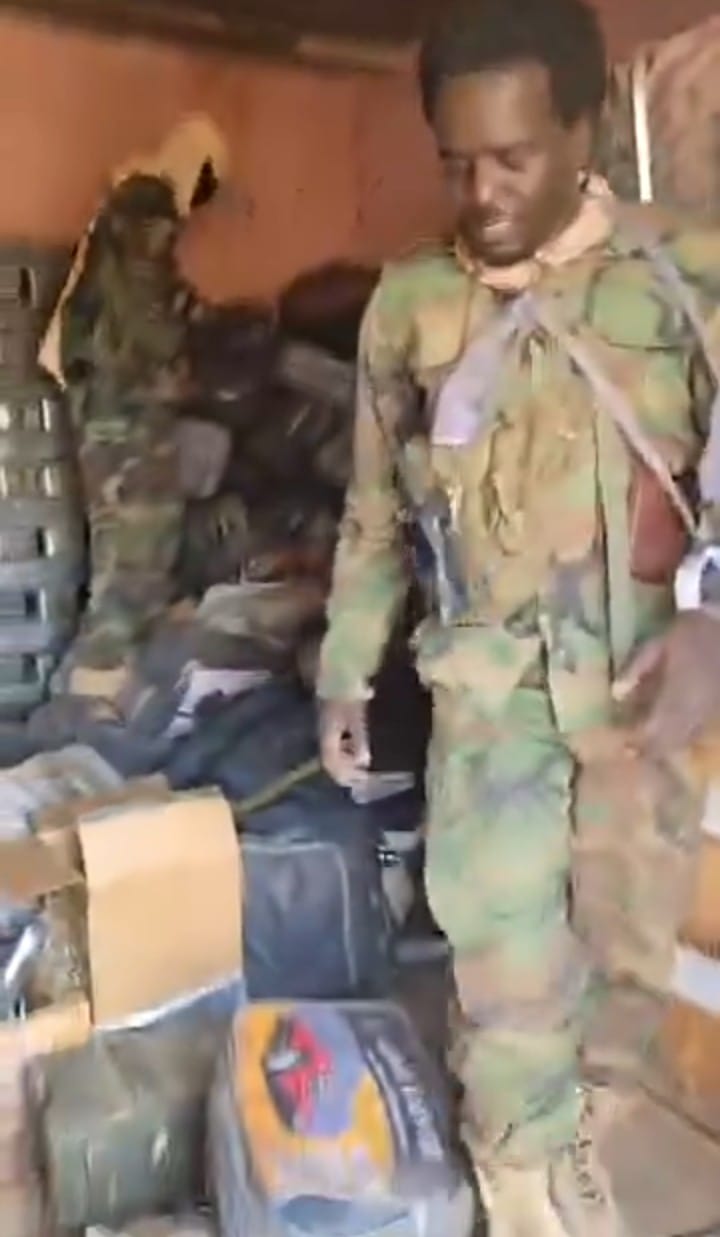
«“The outcome of the battle can be summarized as the neutralization of all the militia's field commanders, the capture of more than 100 fighters, including foreign mercenaries, and the destruction of more than 200 combat vehicles, while other vehicles in good condition were captured by the Army. More than 45 armored vehicles were also destroyed or seized.”»
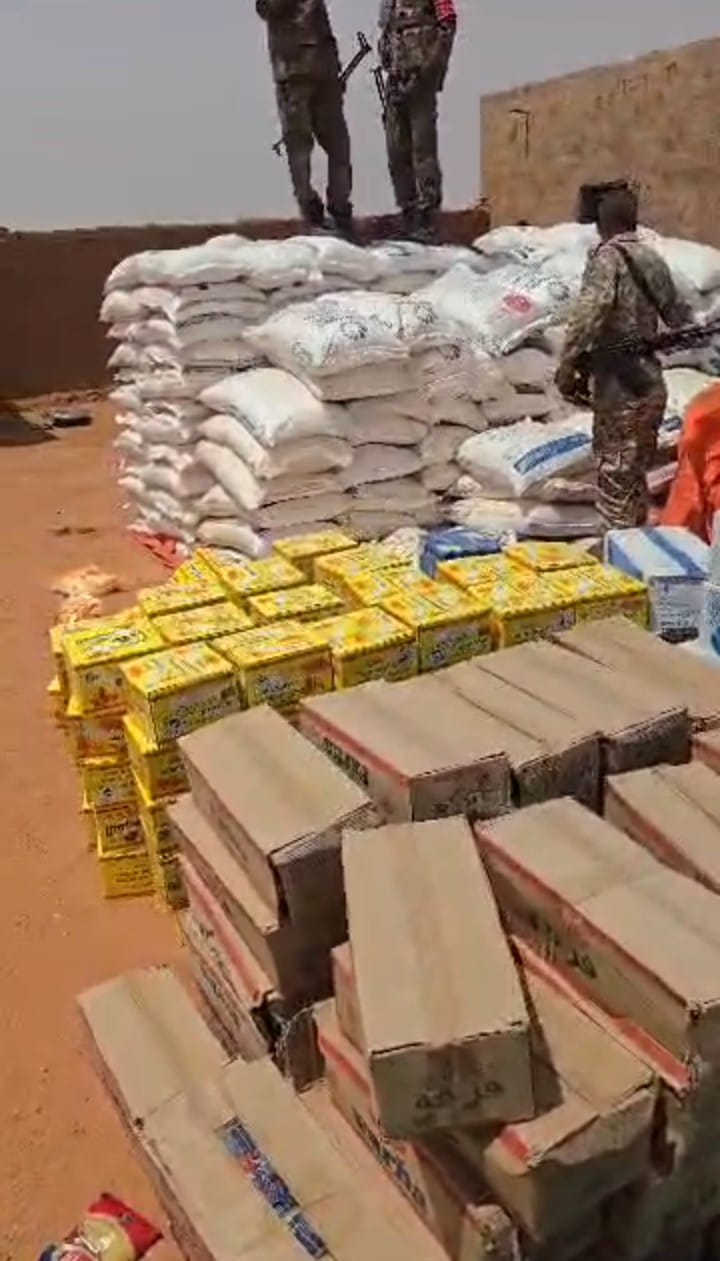
He added that all food and ammunition depots had also been brought under control, along with a very large number of attack drones, while full control of the Export Road was restored.
What Does Control of the Export Road Mean?
First and foremost, he said, it means the defeat of the militia's last major hard-core fighting force—one that would be difficult to replace. What follows, he argued, would be a considerably weaker force that can be more readily neutralized.
Control of the Export Road also means securing the western and southwestern approaches to Omdurman, in addition to securing the northern approaches to El-Obeid, across an area extending for more than 420 kilometres.
It also means securing the rear areas of forces advancing westward, southward, and northward. At the same time, it demonstrates the ability of the Sudanese Army and the Joint Forces to maneuver across multiple fronts, extending as far as Darfur.
He added that the development also clearly exposes the RSF's combat shortcomings, particularly its failure to retain cities and strategic positions during defensive battles, followed by successive withdrawals by its forces.
Any Final Words?
“The strategy adopted by the Armed Forces—targeting field commanders and other influential figures while cutting the enemy's supply lines—has achieved remarkable success,” the field commander said.
“This success has been reflected in the transition from a defensive posture to comprehensive offensive planning, made possible by a high level of field coordination, the securing of supply lines, and air and intelligence superiority capable of restricting the movement of RSF formations and severing their supply arteries.”
He continued:
“The evidence of the success of this strategy is that the militia has not launched or led a major strategic offensive of significant weight for more than a year and a half. Its movements have been limited to small-scale maneuvers and attempts to repel attacks, without the ability to alter the course of the war.”
He concluded that the time for declaring complete victory was drawing closer.
72 Years… And the Pledge Remains the Pledge
What took place on the Export Road—the defeat of a force regarded as the enemy's elite and the capture of military equipment worth billions of dollars—is not merely a tactical victory. Rather, it represents the practical culmination of the Sudanese Army's military doctrine, forged over 72 years.
On its 72nd anniversary, the Army is demonstrating that it is an institution capable of learning, evolving, and innovating in the art of warfare, moving from defense to surprise offensive operations.
The message of this victory on the anniversary of the Armed Forces' founding is clear: the Armed Forces that protected Sudan's independence in 1954 are capable today of protecting its unity and sovereignty in 2026.
The victory achieved in Bara and Jabra El-Sheikh is a tribute to those who fell in the Battle of Dignity and a sign that the Battle of Dignity is moving toward its inevitable conclusion.
Sudan, with its Army and its people, will remain resilient in the face of attempts to undermine it, standing tall beneath a flag that will never fall.
Post your comments
Photo of the Week

Khartoum (Sudanow) Each year, the anniversary of the founding of the Sudanese Armed Forces serves as a national occasion to recall the institution's distinguished history in safeguarding the country's sovereignty, protecting its borders, and preserving its unity. Beyond commemorating these achievements, the occasion also provides an opportunity to reflect on the multiple roles t...
More-

19 July, 2026
Stories from the Frontline War Changed Faces Before It Changed Cities
War: Challenges and Resilience The daily struggle for survival... The pulse of the streets Earning a living has become a daily battle... Rising prices and families' hardship Children leave classrooms for marketplaces... Overwhelming circumstances Returnees to Khartoum await government action... Hope and optimism There is little disagreement that the war which erupted on 15 April 2023, ignited by the Rapid Support Forces (RS...

Contact Us

Address: Sudan News Agency (SUNA) Building, Jamhoria Street, Khartoum - Sudan
Mobile:+249 909220011 / +249 912307547