


Psychological and Social Support for the Sudanese Armed Forces
08 August, 2026
Khartoum (Sudanow)
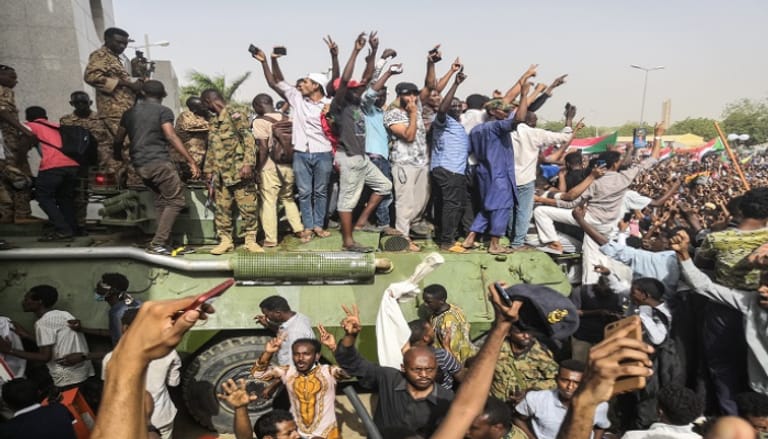
The celebration of the 72nd anniversary of the Sudanese Armed Forces is a national occasion that commemorates the heroism and sacrifices of the Sudanese military. It also reflects the strong bond between the Sudanese people and their armed forces, as well as their psychological, social, and moral support for the country's national institutions.
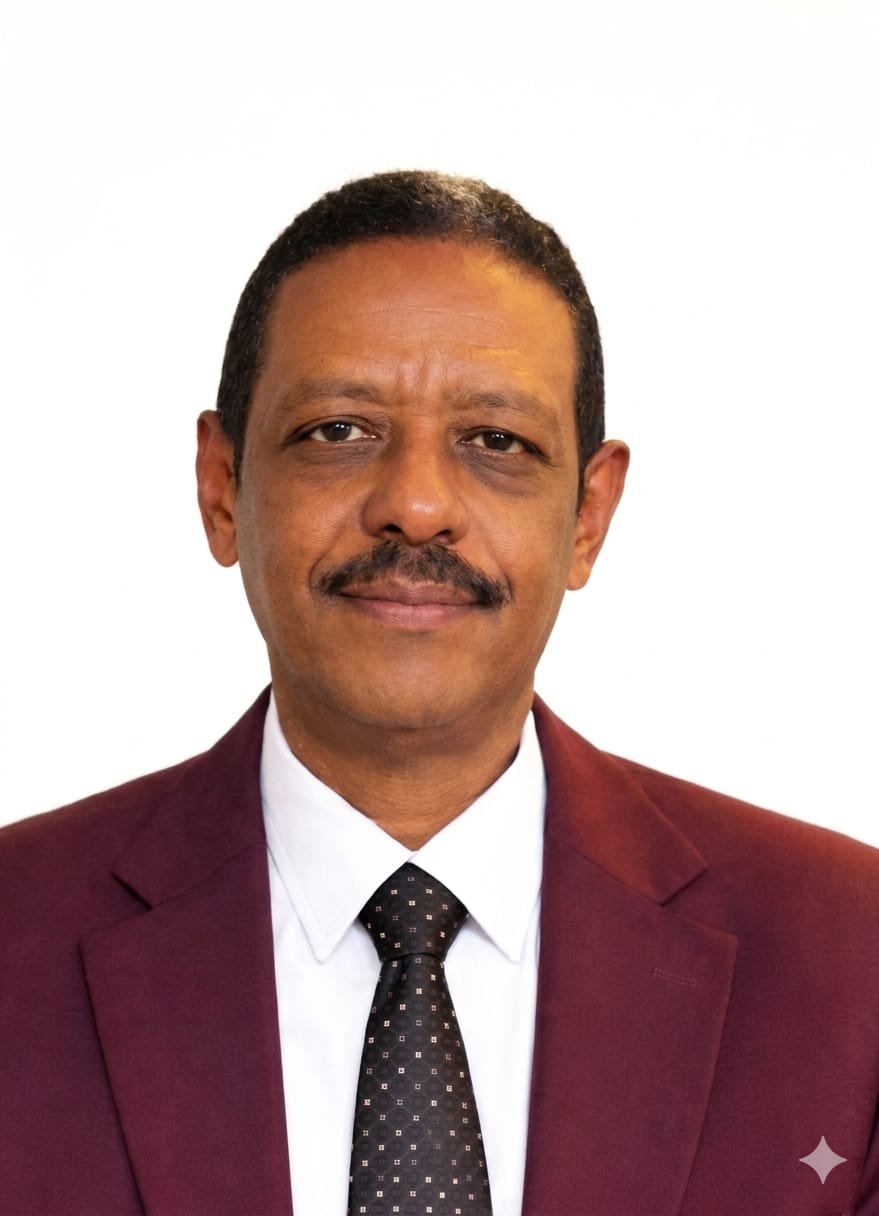
In this context, Sudanow spoke with Professor Muath Sharafi, a specialist in psychology, sociology, and education, who explained that the psychological and social dimensions underlying public support for the Sudanese Armed Forces are multifaceted, particularly during periods of conflict and civil unrest.
He noted that, for many societies—including Sudanese society—the military represents a symbol of national sovereignty and collective identity. Public support for the armed forces is therefore driven by intertwined psychological and social factors, which can be analyzed as follows:
First: Psychological Dimensions
The Need for Safety and Security
According to Maslow's hierarchy of needs, the need for safety becomes one of the highest priorities during wars and armed conflicts. The official military institution is often viewed as the primary body capable of preventing chaos and ensuring the protection of citizens, property, and state institutions.
Response to Threats Against Identity and Existence
During sudden threats or large-scale wars, individuals instinctively activate psychological defense mechanisms aimed at protecting themselves and their communities. Supporting the armed forces thus becomes a defensive psychological response intended to preserve national identity and safeguard personal and family existence against fragmentation, displacement, or collapse.
Collective Identity and National Belonging
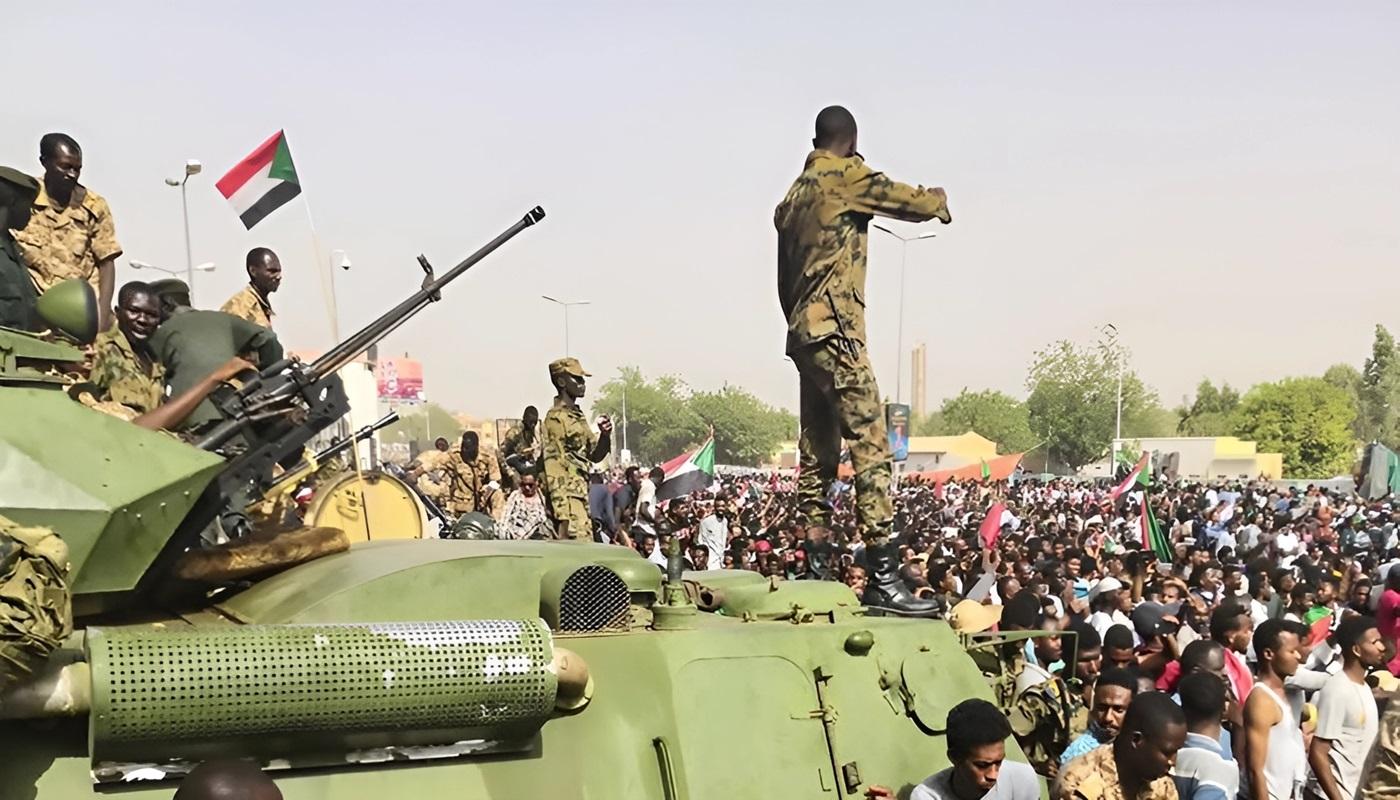
The armed forces provide a unifying national identity that transcends tribal, regional, and political divisions during major national crises. Supporting the military gives individuals a sense of belonging to a cause greater than themselves, strengthening psychological resilience in the face of war and adversity.
Transforming Fear into Positive Action
Expressions of support—through community participation, donations, humanitarian assistance, or moral and media solidarity—help individuals overcome feelings of helplessness. Active psychological engagement restores a sense of effectiveness and personal control amid unstable circumstances.
Second: Social Dimensions
Social Cohesion During National Crises
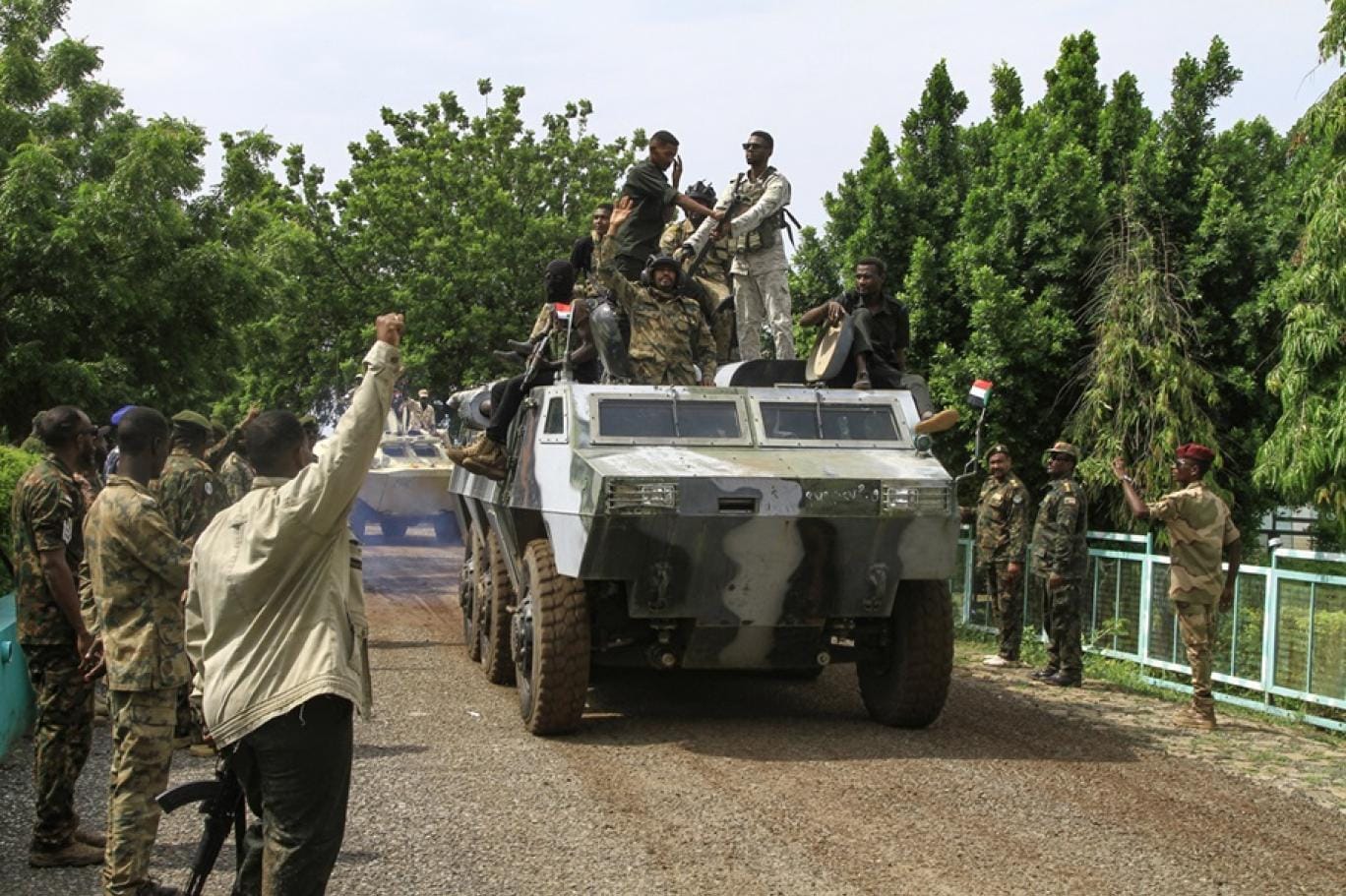
Major national crises often unite communities around the shared objective of protecting the state. Public support for the military is reflected in community initiatives such as providing logistical assistance, supporting relief efforts, and caring for the families of armed forces personnel, thereby strengthening social bonds and solidarity.
The Historical and Cultural Status of the Armed Forces
The Sudanese Armed Forces possess a long-standing historical and social legacy and are widely regarded as symbols of national sovereignty and territorial unity. This image has been reinforced through literature, arts, and patriotic music, creating a deep emotional and cultural connection between the Sudanese people and their military.
Social Norms and Collective Expectations
During times of national conflict, supporting the armed forces often becomes a widely accepted social and moral responsibility. These social norms encourage individuals and families to demonstrate solidarity and active participation as expressions of patriotism and civic responsibility.
Rebuilding Social Capital
Public solidarity with national institutions contributes to rebuilding networks of trust, cooperation, and mutual support among different segments of society. Grassroots and civil initiatives that support national institutions can reduce internal polarization and strengthen social cohesion.
Third: Mechanisms for Strengthening Positive Psychological and Social Impact
Transparency and Continuous Communication
Keeping the public informed with accurate and timely information strengthens public confidence and reduces rumors that may fuel fear and anxiety.
Psychological Support for Those Affected
Providing psychological and social care to the families of fallen soldiers, the wounded, and displaced persons enhances solidarity, resilience, and community cohesion.
An Inclusive National Discourse
Media institutions and community initiatives should promote an inclusive national narrative that fosters unity, strengthens confidence in national institutions, and contributes to the stability of the state.
Post your comments
Photo of the Week

Khartoum (Sudanow) Each year, the anniversary of the founding of the Sudanese Armed Forces serves as a national occasion to recall the institution's distinguished history in safeguarding the country's sovereignty, protecting its borders, and preserving its unity. Beyond commemorating these achievements, the occasion also provides an opportunity to reflect on the multiple roles t...
More-

19 July, 2026
Stories from the Frontline War Changed Faces Before It Changed Cities
War: Challenges and Resilience The daily struggle for survival... The pulse of the streets Earning a living has become a daily battle... Rising prices and families' hardship Children leave classrooms for marketplaces... Overwhelming circumstances Returnees to Khartoum await government action... Hope and optimism There is little disagreement that the war which erupted on 15 April 2023, ignited by the Rapid Support Forces (RS...

Contact Us

Address: Sudan News Agency (SUNA) Building, Jamhoria Street, Khartoum - Sudan
Mobile:+249 909220011 / +249 912307547