


The Sudanese Army… When the Nation Plays and the Soldier Sings Military Music, Jallalat and National Anthems… Another D
14 August, 2026
Khartoum (Sudanow) — Away from war and combat, the Sudanese Armed Forces have other activities, including music, poetry, songs of heroism, or what are known as Jallalat, as well as national anthems that inspire soldiers and raise their morale.
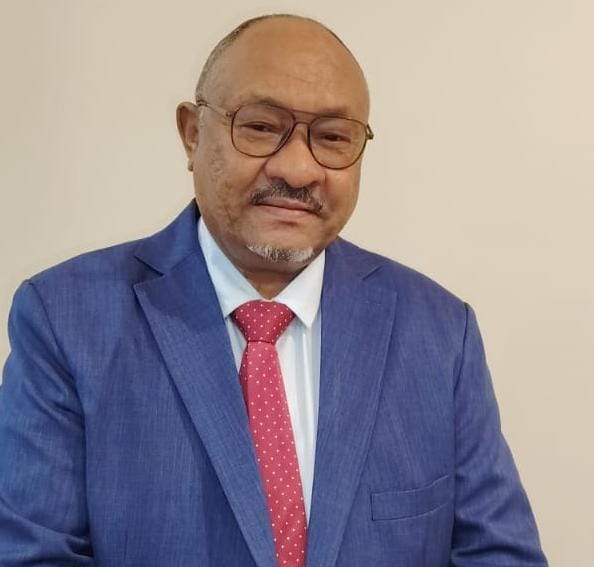
To explore this important dimension, Sudanow spoke with Dr. Yasser Ahmed Ibrahim, a writer and researcher, who said:
When we speak of the Sudanese Armed Forces, our memory usually turns to battlefields and images of soldiers carrying weapons in defense of their country. Yet the army has another face no less significant—a face associated with music, poetry, singing, discipline and beauty.
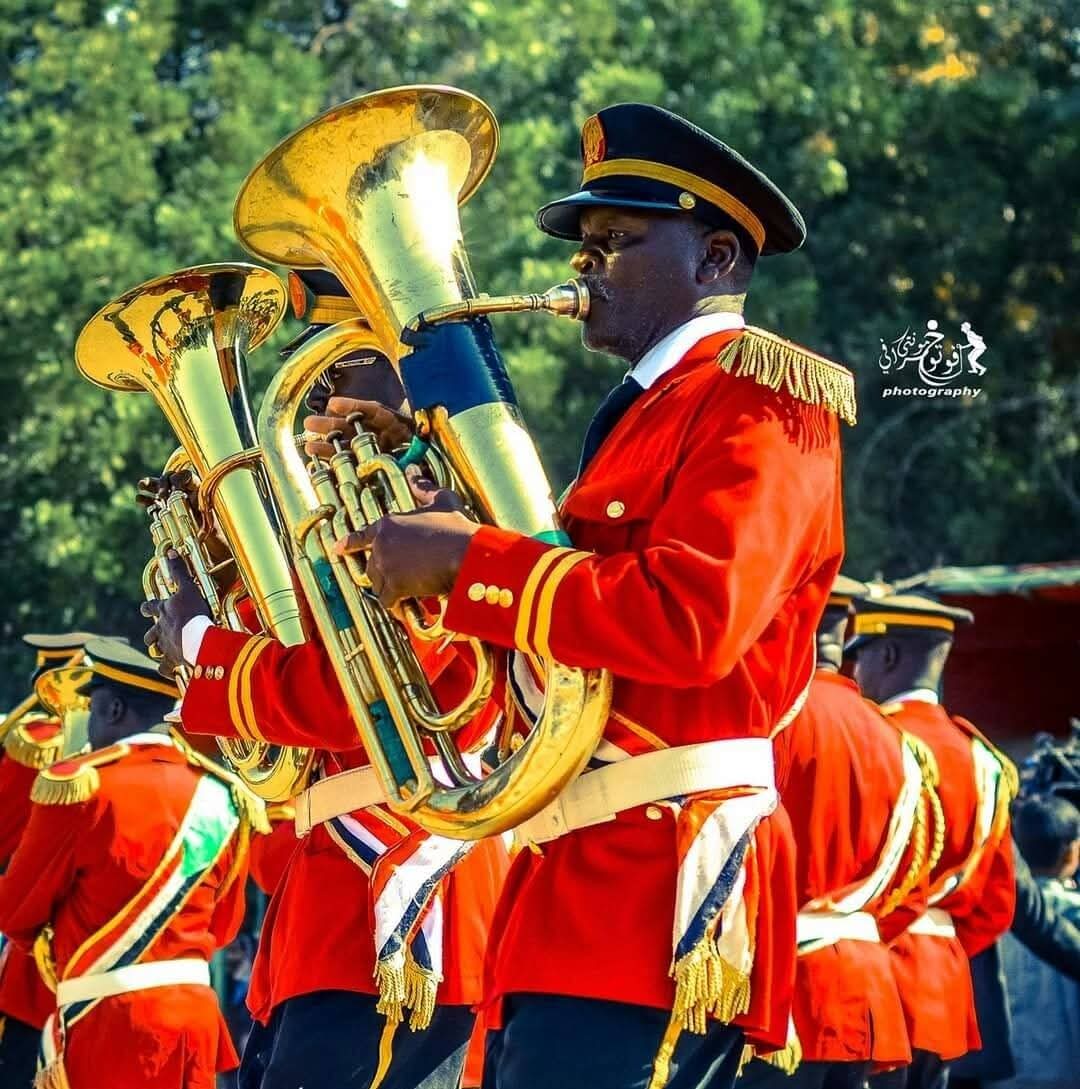
Since the emergence of military music in Sudan, brass instruments and military rhythms have been more than a means of keeping soldiers in step. They became part of national and cultural life, contributing to raising morale, commemorating national occasions and preserving elements of Sudan’s musical heritage. Historical sources indicate that military music developed during the period of the Sudan Defence Force, followed by the establishment of military bands and music schools, which went on to make a visible contribution to Sudan’s artistic life.
Jallala… When Poetry Becomes Rhythm
One of the most distinctive features of Sudanese military culture is the Jallala.
In its military form, the Jallala consists of verses or energetic phrases performed collectively in a regular, vigorous rhythm. They are often associated with training, marching and boosting morale. It is not merely a military song, but a distinctive form of performance rooted in Sudan’s military environment.
Jallalat also have deeper roots in Sudanese culture. Military music drew on various popular and traditional forms, documenting some melodies and rhythms and transforming them into military marches. In this way, military music became one of the vehicles through which aspects of Sudan’s musical heritage were preserved.
This is where the true value of the Jallala lies: it brings together rhythm, words, collective performance and movement.
A soldier does not perform it alone; he chants it alongside his comrades, turning the collective voice into an expression of military discipline and team spirit.
The Military March… Music That Walks With the Soldiers
The military march represents another dimension of this musical culture.
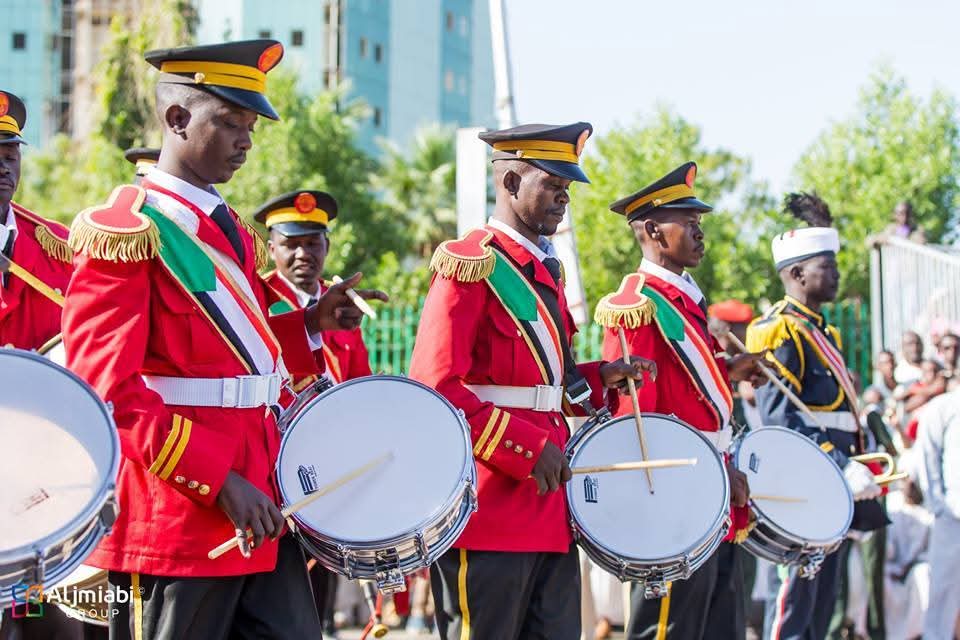
Its regular rhythm, sequence of notes, brass instruments and drums help organize the military step, while simultaneously giving military occasions their solemnity and prestige.
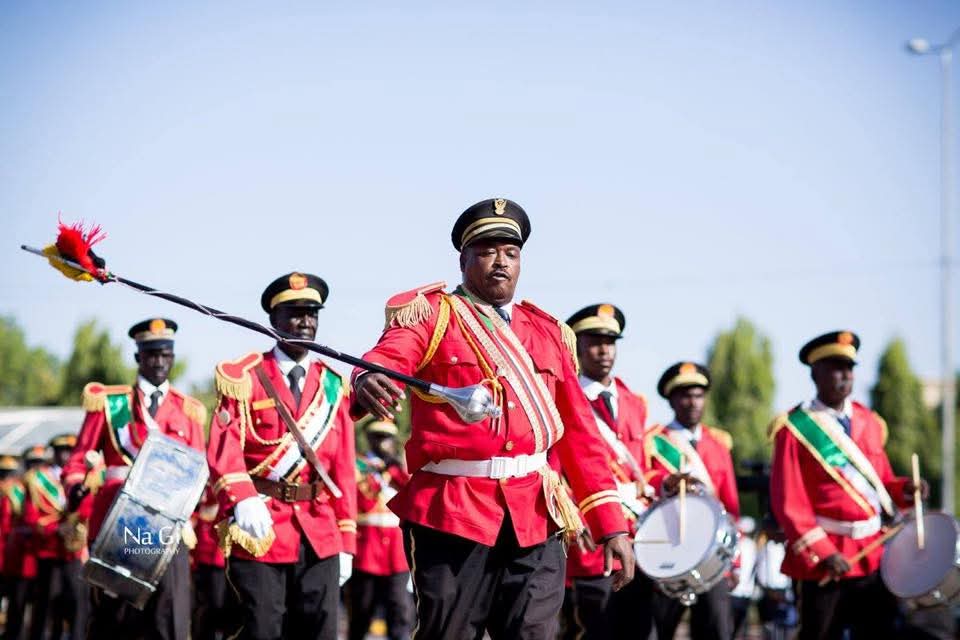
Military music has long been associated with official ceremonies, military salutes and national occasions. It has also been used in training, entertainment and morale-building.
Its contribution, however, has not been confined to the military institution. Its influence extended into Sudan’s modern musical movement, with musicians and artistic institutions drawing upon it at various stages of Sudanese history.
“Silence, Kanar”… When the Sword Meets the Pen
One of the most beautiful examples of the relationship between the military, poetry and Sudanese patriotism is the poem “Sah Ya Kanar” (Silence, Kanar) by poet and army officer Major Mahmoud Abu Bakr, known as “Al-Nisr” (The Eagle).
The poem is not merely a patriotic chant; it is a literary work that became part of Sudan’s national memory.
Among its famous opening lines are:
“Silence, Kanar, and place your right hand in mine,
Leave jesting to those fluent in ease and play.”
The composer Ismail Abdel Moein set the poem to music, and it became one of the prominent patriotic works associated with the national movement and resistance to colonialism. It eventually became a powerful voice of inspiration, echoing through demonstrations and national occasions.
Here lies the beauty of the Sudanese experience: an officer who carried a weapon also carried a pen; a poet wrote a poem that was transformed into a melody, and that melody found a permanent place in the memory of a nation.
Mahmoud Abu Bakr… The Soldier-Poet
Major Mahmoud Abu Bakr represents a remarkable example of the Sudanese soldier who brought together military service and literature.
He was a poet with a powerful command of language and a profound sense of patriotism. His literary experience was inseparable from his military and national experience.
That is why “Sah Ya Kanar” has remained alive decades after it was written. Its words were not fleeting; they carried meanings of freedom, sacrifice, dedication and belonging.
Among its well-known verses are:
“Go before your companions to the chains, for I have believed
That no free man exists except one who is bound.”
The poem’s patriotic spirit rises further as he declares his readiness to defend his homeland and sacrifice himself for it.
These verses reveal clearly how poetry can become a source of moral strength, just as a military melody can become a collective force of energy and determination.
The Arts Within the Military Institution
Military music was not limited to Jallalat and marches. Various musical and artistic groups emerged within it, including string ensembles, jazz bands, religious chanting groups and traditional artistic formations, according to sources documenting the history of Sudanese military music.
This demonstrates that the military institution was not isolated from society and its culture. Rather, it interacted with popular melodies and local rhythms, presenting them within structured musical forms.
Military music thus became, in part, a bridge between popular heritage and the modern institution.
The National Song… A Memory That Never Dies
Sudan is rich in patriotic songs and songs of heroism associated with different periods of its history.
Among the works connected to the national and military consciousness are songs that emerged during the context of the Second World War, including works by the renowned Sudanese singer Aisha Al-Falatiya associated with Sudanese soldiers who participated in the East African campaigns. This represents an important chapter in the history of Sudanese patriotic music.
In this way, a song can sometimes become a historical document—preserving the names of people, places and events, and telling future generations stories that history books may not convey in quite the same way.
From Training to the Stage… From the Barracks to Society
Perhaps the most remarkable aspect of this cultural dimension is that military music did not remain confined to the barracks.
Military bands participated in official, national and social occasions and contributed to music education. At various stages of Sudanese history, a number of military musicians also became associated with Sudanese musical and artistic institutions.
Talking about the army, therefore, means more than talking about weapons.
The army is an institution with traditions, discipline, music, songs, poetry, ceremonies and a national memory.
The Jallala… A School of Collective Belonging
Perhaps the secret behind the enduring presence of Jallalat in Sudanese memory is that they address the individual as part of a collective.
The individual voice becomes the voice of a group; the individual step becomes a collective rhythm; words become a chant; and the chant becomes a source of moral and emotional strength.
This is one of the functions of military music in armies around the world: organizing movement, raising morale, strengthening collective spirit and reviving national symbols.
The Army… A National Memory, Too
Beyond war and combat, any discussion of the Sudanese Armed Forces should include these cultural and artistic chapters that deserve to be documented.
How many soldiers were poets?
How many musicians received their training within military bands?
How many traditional melodies were preserved from disappearing because military bands adopted and performed them?
How many songs have been repeated by generations until they became part of the nation’s collective memory?
The story of “Sah Ya Kanar” alone is enough to demonstrate that the relationship between the army and culture in Sudan is not new. Weapons were not the only means through which Sudanese people expressed the meaning of الوطن; they also carried it through poetry, melody and the collective voice.
Documenting Jallalat, military marches, national anthems, songs of heroism and military poets is therefore not simply an exercise in preserving old songs. It is an effort to reclaim and preserve a vital part of Sudan’s cultural and national memory.
The army is not understood only through its battles…
It can also be understood through its music, its songs, its poets and its memory—a memory that marches to the rhythm of drums and echoes the enduring words:
“Silence, Kanar… and place your right hand in mine.”
Perhaps this beautiful dimension of the history of the Armed Forces deserves to be brought together in an independent documentary project—one that preserves the old Jallalat, the names of their poets and composers, military marches, songs of heroism, and the musicians who helped shape Sudanese national consciousness.
Post your comments
Photo of the Week

Khartoum – Sudanow The Sudanese nation celebrates, on August 14, the 72nd anniversary of the Sudanese Armed Forces, a national occasion that recalls the bright chapters of an army that, for decades, has remained one of the foremost pillars of the state and a guardian of its sovereignty and security. The editorial team of Sudanow Magazine extends its highest congratulation...
More-
15 August, 2026
The Abdulla Tayeb Hall Rises Out of the Ashes Anew
Like the ancient phoenix myth, taught to hundreds of its graduates within this Hall 102, the graduates are enacting it once again, in real life, in action, and contribution.The Sudanow magazine (https://sudanow-magazine.net/page.php?subId=31&Id=1686) has earlier written about the devastation that hit the famous 102 (one-o-two) Hall, the beating heart of the faculty of arts, at the hand of barbaric militias, an orchestrated a...


Contact Us

Address: Sudan News Agency (SUNA) Building, Jamhoria Street, Khartoum - Sudan
Mobile:+249 909220011 / +249 912307547