


Corn: A Safe Food for Human and Animal Health and a Strategic Alternative for Food Security
30 August, 2026
Khartoum (SUDANOW) — As people grow older, the need for easily digestible foods that support heart and eye health and provide essential nutrients becomes increasingly important. Corn stands out as one of the popular and affordable foods that combines nutritional value with a wide range of uses.
Naturally gluten-free and relatively low in fat, corn is rich in dietary fibre, which helps regulate digestion and prevent constipation. It also contains antioxidants and other nutritional compounds that contribute to protecting cells and supporting overall health. Corn can meet the nutritional needs of different age groups—from children who require nutrients for growth, to young people and athletes who need energy, and older adults who benefit from balanced and easily digestible foods.
Speaking to SUDANOW about the importance of this crop, Dr. Mohamed Osman Maisara, a consultant in community medicine and public health, said that corn is among the world's most important agricultural crops and ranks alongside wheat and rice among the most widely produced and consumed cereals.

He explained that one of corn's key advantages over wheat is that it is naturally gluten-free. Known in some parts of Sudan as Aish Al-Reef or “rural bread,” its economic importance lies in its use as food for both humans and animals, in addition to its role in a wide range of processing industries.
Dr. Maisara added that corn is cultivated in many Sudanese states, with demand continuing to grow because of its use in food, animal feed and various industries. It can also be successfully grown in different regions depending on climatic conditions, soil quality and water availability.

A Safe Food When Consumed in Moderation
Regarding its dietary use, Dr. Maisara said that corn is generally a safe and beneficial food when consumed in moderation and can form part of a balanced diet. However, excessive consumption, like other carbohydrate-rich foods, may increase calorie intake and may cause digestive discomfort in some people, including gas and bloating.
Corn can be consumed in various forms, including boiled, grilled or ground, and is used in the preparation of a number of traditional foods and food products.
Its benefits are not limited to the grain itself. Corn stalks, leaves and other plant residues can also be used in animal feed and for various purposes in rural communities.
Different Types and Wide-Ranging Uses
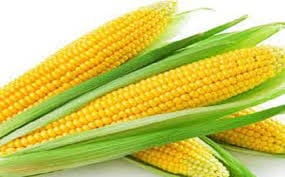
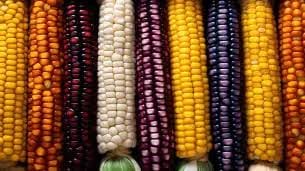
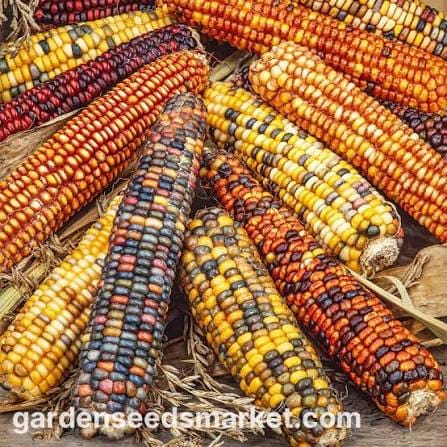
Dr. Maisara explained that varieties of corn differ according to colour, characteristics and purpose. They include sweet yellow corn for direct consumption, field corn widely used in animal feed and industry, popcorn, and coloured varieties that may be cultivated for food or ornamental purposes.
Corn is used in the preparation of several traditional foods, including kisra and aseeda, and is also used in the production of starch and a range of food products. It is an important source for producing glucose syrup and other industrial products.
Dr. Maisara believes that corn can provide an affordable alternative to some expensive fast foods, particularly when prepared in healthy ways.

Health Benefits
Corn contains dietary fibre, vitamins and minerals, as well as antioxidant compounds, including lutein and zeaxanthin, which are associated with supporting eye health.
As part of a healthy and balanced diet, corn may also contribute to supporting heart health, digestive health and the immune system. It contains several important minerals and vitamins, including magnesium, phosphorus and some B vitamins.
Health specialists stress that the benefits of any food depend on the quantity consumed, the method of preparation and the overall quality of a person's diet. Corn should therefore not be regarded as a stand-alone treatment for disease.
For Children: Energy and Growth
Dr. Mohamed Osman Maisara, a member of the Permanent Committee for Medicinal and Aromatic Plants and Chairman of the Committee for Establishing Schools of Alternative and Integrative Medicine at the Ministry of Health, said that corn has an important place in therapeutic and traditional nutrition because of its diverse nutritional components.
It can be a suitable food for children as part of a varied diet, providing carbohydrates that supply the body with energy, in addition to nutrients important for growth.
Corn also contains minerals such as magnesium and phosphorus and can be served to children in forms appropriate to their age.
Dr. Maisara stressed the importance of paying attention to how corn is served to young children. Whole kernels should be avoided for children who may be at risk of choking, and corn should instead be mashed or ground according to the child's age and ability to chew and swallow.
For Women and Pregnant Mothers
Corn can be part of a healthy and balanced diet for women when consumed in moderation.
It contains folate and certain B vitamins, which are important nutrients during pregnancy. However, the nutritional needs of pregnant women should be determined in consultation with a doctor or qualified nutrition specialist.
The dietary fibre found in corn may also help support healthy digestion and reduce constipation, which some women experience during pregnancy.
Corn also contains antioxidants and minerals such as zinc and copper, which play roles in supporting various body functions, as well as skin and hair health.
For Young People and Athletes
Dr. Maisara considers corn an excellent dietary option for young people and athletes because it is a source of carbohydrates and energy.
As part of a balanced diet, it can help provide the energy needed for physical activity and exercise, particularly when combined with sources of protein and other essential nutrients.
It also contains important minerals such as magnesium and phosphorus, which contribute to muscle and nerve function and energy production.
A Suitable Food for Older Adults
For older adults, corn can be a suitable dietary choice when consumed in moderation and in a form appropriate to an individual's health condition.
The fibre it contains helps support digestive health, while compounds such as lutein and zeaxanthin, along with vitamin A, are associated with supporting eye health and vision.
However, people living with diabetes, kidney disease or those following specialised diets should consider appropriate portion sizes in consultation with a doctor or nutrition specialist, particularly because corn is a source of carbohydrates.
Importance in Animal Nutrition
Dr. Mohamed Osman Maisara concluded by highlighting the importance of corn in animal nutrition. It is widely used in the production of animal feed, particularly for poultry and livestock.
Corn provides an important source of energy in feed formulations and is used in feed for cattle, livestock and poultry. Different parts of the plant can also be utilised for this purpose.
Its importance also extends to supporting industries linked to animal production, including poultry and dairy production.
A Strategic Alternative for Food Security
Despite its significant nutritional and economic benefits, the importance of corn goes beyond its role as food for humans or feed for animals. It is a versatile crop used in processing industries, including the production of starch, glucose and oils, as well as in other food, pharmaceutical and cosmetic industries.
Dr. Maisara believes that expanding corn cultivation could represent an important step towards strengthening food security and developing rural communities, particularly when combined with the establishment of small and medium-sized industries based on the crop.
Such industries can create employment opportunities for young people and productive families, contribute to the stability of rural communities and support the livestock sector through the effective use of crop residues.
With its nutritional value, diverse uses and relatively low production costs in some agricultural environments, corn remains a crop deserving greater attention and investment. It has the potential to strengthen the rural economy and contribute significantly to food security in Sudan.
Post your comments
Photo of the Week

Khartoum | Sudanow Muslims around the world commemorate the birth of the Prophet Muhammad, peace and blessings be upon him (PBUH), during the month of Rabi’ al-Awwal, recalling a message that transformed human society and emphasized mercy, justice, brotherhood and human dignity. On this occasion, the editorial team of Sudanow Magazine extends its sincere greetings to Musl...
More-

30 August, 2026
Stories from the Heart of the Battlefield From a University of Khartoum Professor to a Vegetable Seller in Cairo
Cairo (Sudanow) In one of Cairo’s neighborhoods, where the stories of passersby intersect with the details of everyday life, the story began with a quiet-faced Sudanese man standing behind a small vegetable stall. He carefully arranged tomatoes and greens, selling them with a smile. Few of those passing by knew that the man they addressed so simply had spent years of his life in lecture halls and scientific research labor...

Contact Us

Address: Sudan News Agency (SUNA) Building, Jamhoria Street, Khartoum - Sudan
Mobile:+249 909220011 / +249 912307547