


Social Roles and Psychological Pressures on Women
30 August, 2026
Khartoum (SUDANOW) – Through a series of scientific studies, Professor Muawiya Sharafi, a specialist in psychology, sociology, and education, presented a study entitled “Social Roles and Psychological Pressures on Women.”
He explained that women face a range of interconnected and overlapping social roles throughout the different stages of their lives. While these roles can be a source of fulfillment and personal integration, conflicts between them—or excessive societal expectations—can lead to significant psychological pressure.
The study highlights the most prominent social roles, the psychological challenges associated with them, and possible ways of coping.
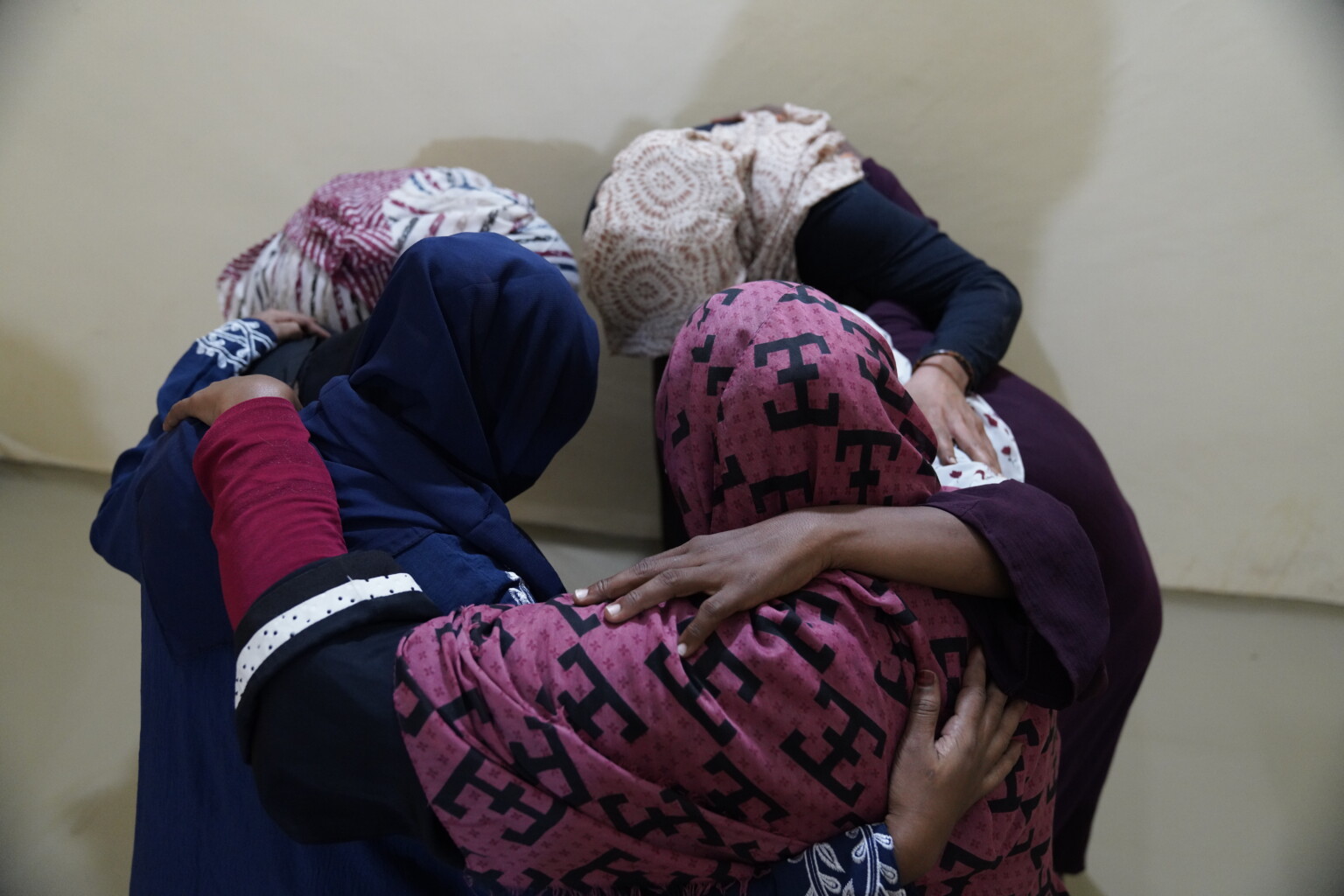
1. Dimensions of Women’s Social Roles
Caregiving and Family Responsibility
Women are often automatically expected to serve as the primary emotional and practical support system for the family, including children, spouses, and parents.
Professional Role
Women also strive for academic and professional achievement and seek to establish and prove themselves in the workplace.
Social and Community Role
This includes fulfilling social obligations and maintaining the image of the “ideal woman” within her family and wider community.
2. Psychological Pressures Resulting from These Roles
A. Role Conflict
Role conflict occurs when the demands of two or more roles clash at the same time—for example, urgent work responsibilities competing with the needs of children or family. This can create a constant sense of distraction and force women to make difficult choices and compromises.
B. The “Superwoman Syndrome”
This refers to the desire to achieve perfection in every area of life without falling short: being an ideal mother, a successful employee, an understanding wife, and an organized homemaker. Such unrealistic expectations can result in continuous mental and emotional stress.
C. Psychological and Emotional Burnout
Burnout is a state of psychological and emotional exhaustion caused by continuous giving and the depletion of emotional energy without sufficient time for rest, recovery, or personal renewal.
D. Persistent Feelings of Guilt
This may appear as “maternal guilt” or feelings of inadequacy, where women often believe that taking time for themselves is selfish or represents a failure in their responsibilities toward others.
E. The Mental Load
Pressure is not limited to physical tasks. It also includes the continuous mental work involved in planning and managing household and family matters—remembering, organizing, anticipating needs, and dealing with daily challenges. This invisible mental effort can be deeply exhausting.
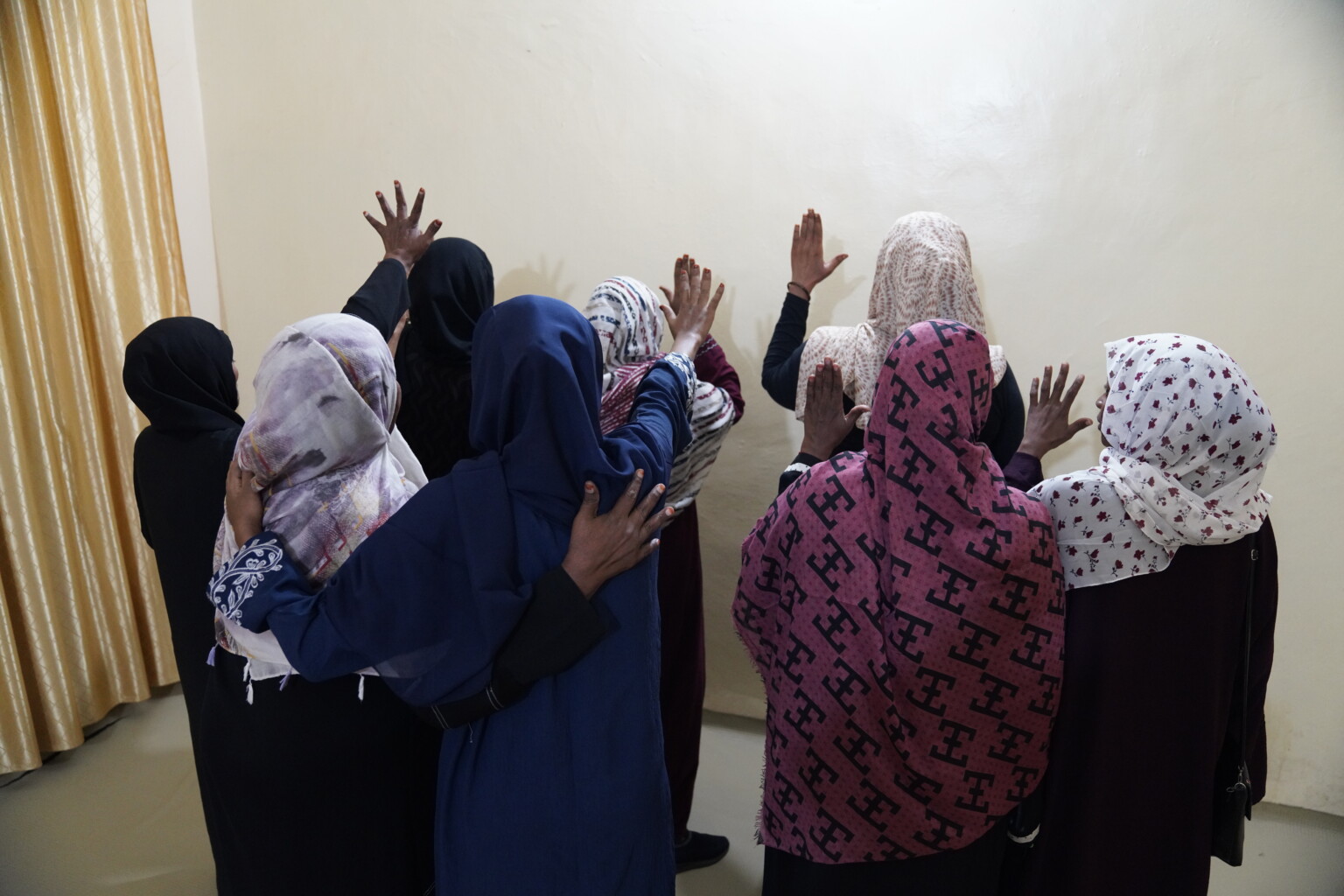
3. Coping Mechanisms and Ways to Reduce Psychological Stress
Managing Expectations
One of the most important ways to reduce psychological stress is to manage expectations realistically. Women need to let go of the pressure to achieve perfection in every aspect of life and instead embrace the idea of being “good enough.” Accepting that perfection is neither realistic nor necessary can help reduce feelings of failure, anxiety, and constant self-criticism.
Setting Boundaries
Setting healthy boundaries is essential for protecting psychological well-being. This involves learning how to politely say “no” to tasks, commitments, or demands that exceed one’s emotional, physical, or mental capacity. Establishing clear boundaries helps women preserve their energy and prevents excessive responsibilities from becoming overwhelming.
Delegating Responsibilities
Sharing responsibilities within the family can significantly reduce daily pressure. Women should not be expected to carry every household and family responsibility alone. Delegating tasks and encouraging partners and children to participate in daily responsibilities can create a more balanced family environment and reduce the burden placed on one individual.
Creating Personal Space and Practicing Self-Care
Self-care is not a luxury or an act of selfishness; it is an essential part of maintaining psychological and emotional health. Setting aside regular and protected time for relaxation, hobbies, exercise, or other enjoyable activities can help restore energy and improve emotional well-being. This personal time should be enjoyed without feelings of guilt.
Seeking Social and Psychological Support
Seeking support from trusted family members, friends, or professional counselors can play an important role in coping with psychological stress. Sharing feelings, discussing challenges, and receiving emotional support can help reduce feelings of isolation and exhaustion. When stress becomes overwhelming, counseling or professional psychological support may provide valuable tools for understanding and managing emotional pressures.

Conclusion
Women’s mental health is not a luxury; it is a fundamental pillar of family and community stability. Redistributing responsibilities and reducing rigid societal expectations are essential steps toward protecting women’s psychological well-being and maintaining a healthier balance within both the family and society.
Post your comments
Photo of the Week

Khartoum | Sudanow Muslims around the world commemorate the birth of the Prophet Muhammad, peace and blessings be upon him (PBUH), during the month of Rabi’ al-Awwal, recalling a message that transformed human society and emphasized mercy, justice, brotherhood and human dignity. On this occasion, the editorial team of Sudanow Magazine extends its sincere greetings to Musl...
More-

30 August, 2026
Stories from the Heart of the Battlefield From a University of Khartoum Professor to a Vegetable Seller in Cairo
Cairo (Sudanow) In one of Cairo’s neighborhoods, where the stories of passersby intersect with the details of everyday life, the story began with a quiet-faced Sudanese man standing behind a small vegetable stall. He carefully arranged tomatoes and greens, selling them with a smile. Few of those passing by knew that the man they addressed so simply had spent years of his life in lecture halls and scientific research labor...

Contact Us

Address: Sudan News Agency (SUNA) Building, Jamhoria Street, Khartoum - Sudan
Mobile:+249 909220011 / +249 912307547