


Abu Hamad… Where the Nile Meets the Palms and Gold
06 September, 2026
Khartoum – SUDANOW
In the far north of Sudan, where the Nile flows through vast stretches of desert and the shadows of date palms embrace the shimmering surface of the water, Abu Hamad appears as an exceptional city that encapsulates, in its geography, the story of an entire nation. It is not merely a settlement situated along a bend of the river, but a multidimensional landscape where the depth of history coexists with the rhythm of everyday life, and inherited traditions meet the aspirations of modern development.
Small in size but vast in presence and impact, Abu Hamad has historically been associated with trade, agriculture, mining, and the railway network. Despite successive transformations, it has preserved the distinctive character of northern Sudanese society and its deeply rooted human values.
In an effort to explore the city’s history, character, and potential, SUDANOW presents this historical and tourism journey in a series of episodes, accompanied by writer and researcher Dr. Yasser Ahmed Ibrahim, as we delve into the depths of the place and explore its memory and details.

Episode One: Abu Hamad… A City of Authenticity and Modernity
On the Bend of the Nile… Where History Meets the Future
When the Nile reaches Abu Hamad, it is more than a waterway cutting through the desert. It becomes a fundamental element in shaping both the place and its people. Along the bend of the river, on its eastern bank, Abu Hamad and the surrounding area stretch across dozens of islands, villages, and population settlements, creating a landscape where the harshness of the desert environment meets the vitality that the Nile has bestowed upon this part of Sudan.
Abu Hamad is not a city of recent origin. Its roots extend deep into the history of the Nile Valley, and the region bears evidence of successive civilizations and cultures that have left their mark on the land. At the forefront of these historical periods stands the Kingdom of Kush, whose legacy includes archaeological remains and evidence demonstrating the depth of human settlement and civilization in the area.
Archaeological sites, ancient tombs, and historical remains are scattered throughout the vicinity of Abu Hamad, recounting chapters in the lives of communities that successively inhabited this land and contributed to the development of civilizations that played a prominent role in the history of ancient Sudan.
The memory of the place does not end with the ancient civilizations. Archaeological and religious evidence points to later historical periods marked by the presence of different beliefs and cultures, including the remains of temples and churches, before Islam reached Sudan and the region entered a new era in which Islamic heritage blended with deeply rooted local traditions.
Gold… Wealth Beneath the Earth
Just as history endowed Abu Hamad with a valuable cultural legacy, nature endowed it with resources capable of becoming an important pillar of its economy and future.
The region is known for its mineral resources, foremost among them gold, in addition to other ores and minerals, including marble, mica, iron, and others. If these resources are responsibly developed through sound economic and environmental planning, they could provide a foundation for more advanced industrial and mining activities and create new opportunities for the people of the region.
Yet Abu Hamad’s value cannot be reduced to the wealth beneath its soil. Its geographical location itself represents one of its greatest strengths, having historically made it a point of connection and movement between vast parts of Sudan.
Abu Hamad in the Memory of National Resistance
The city also occupies a place in the history of national resistance to colonial expansion. The region witnessed confrontations and events associated with resistance to colonial forces, while its people participated in defending their land, leaving these episodes as part of both local and national memory.
With Sudan entering the era of colonial rule, the British administration recognized the strategic importance of Abu Hamad’s location, particularly for lines of movement and communication toward the interior regions of Sudan.
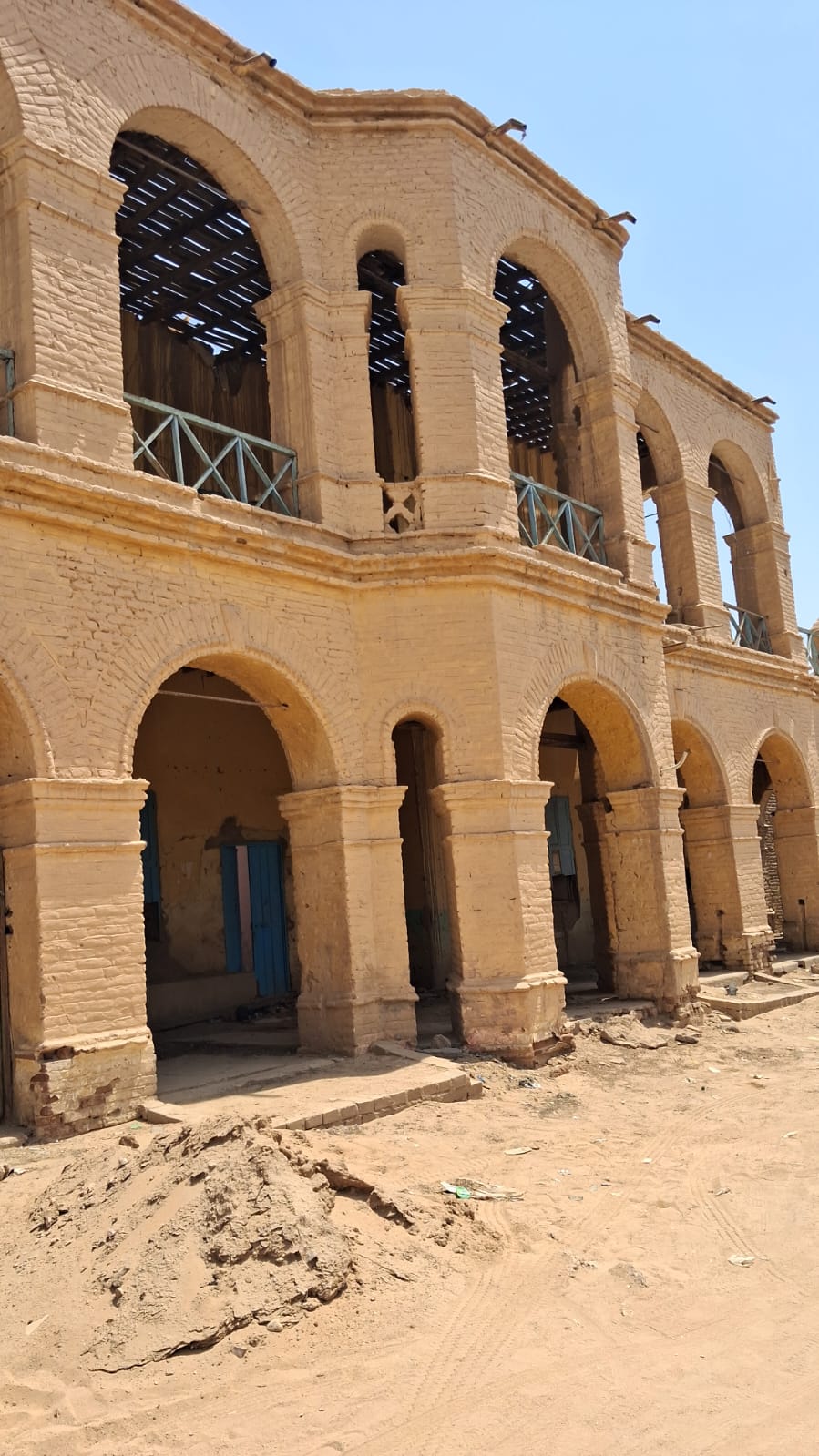
In this context, the railway emerged as one of the most significant elements in the city’s transformation. Abu Hamad became a major station on the railway network and an important point for the movement of troops, supplies, passengers, and goods. This strengthened its position and connected it with other Sudanese cities and centers.
Abu Hamad’s location was therefore more than a geographical advantage; throughout history, it became a fundamental factor in shaping the city’s economic and strategic role.
From the Memory of Place to the Economy of the Future
Today, Abu Hamad appears to have an opportunity to redefine its role in the Sudan of tomorrow. Its geographical position, natural resources, cultural heritage, and historic connection to transportation networks are all assets that could give the city a greater role in the national development system.
In post-war Sudan, the question should not be limited to restoring what has been destroyed during the past years. It should also extend to rediscovering cities and regions that possess genuine potential for growth.
From this perspective, Abu Hamad could, under an integrated development vision, become an important economic, mining, and industrial center, as well as a commercial transit hub linking northern Sudan with other regions. It also possesses considerable potential for cultural, archaeological, and nature-based tourism.
The Nile, surrounded by islands, villages, date-palm groves, and natural landscapes, could provide a foundation for developing rural and river tourism, alongside investment in the archaeological and historical sites for which the region is renowned.
Turning these possibilities into reality, however, requires more than simply possessing resources. It requires modern infrastructure, sound urban and economic planning, responsible investment, environmental and heritage protection, and the empowerment of local communities to participate in and benefit from the returns of development.
Ultimately, Abu Hamad is not merely a city built upon a glorious past. It is a region with the foundations for a promising economic and tourism future.
On the bend of the Nile, where water meets palm trees and the earth conceals gold, the story of Abu Hamad unfolds—a story of a city shaped by geography, preserved by history, and capable of being rediscovered through responsible investment.
Abu Hamad: a city of enduring national memory, a treasure of civilization, a wealth of the earth, and a gateway to the possibilities of the future.
Post your comments
Photo of the Week

Dinder – SUNA – SUDANOW As part of international cooperation programs in wildlife conservation and the implementation of international conventions governing wildlife protection in Sudan, the Federal Dinder National Park authorities received a Nile crocodile on the banks of the Dinder River this morning. The crocodile was transported from Jordan to Sudan as part of jo...
More-

30 August, 2026
Stories from the Heart of the Battlefield From a University of Khartoum Professor to a Vegetable Seller in Cairo
Cairo (Sudanow) In one of Cairo’s neighborhoods, where the stories of passersby intersect with the details of everyday life, the story began with a quiet-faced Sudanese man standing behind a small vegetable stall. He carefully arranged tomatoes and greens, selling them with a smile. Few of those passing by knew that the man they addressed so simply had spent years of his life in lecture halls and scientific research labor...

Contact Us

Address: Sudan News Agency (SUNA) Building, Jamhoria Street, Khartoum - Sudan
Mobile:+249 909220011 / +249 912307547