


World Traditional Medicine Day: Sudan Opens Investment Prospects in Thousands of Medicinal and Aromatic Plants
06 September, 2026
Khartoum – SUDANOW
The world celebrates World Traditional and Complementary Medicine Day on August 31 each year, a day adopted by the World Health Organization to highlight the role of traditional medicine in healthcare systems and its importance in preserving the traditional medical heritage of many peoples.
In Sudan, the National Committee for Traditional and Complementary Medicine marked the occasion with the active participation of relevant stakeholders, reaffirming the growing interest in developing this field and making better use of natural resources and inherited medical knowledge in accordance with scientific and regulatory standards.
Dr. Najm al-Din al-Majzoub, Director-General of Pharmacy, told SUDANOW that traditional medicine is moving in a positive direction, citing several measures taken by the relevant authorities. These include the adoption of the National Policy for Traditional Medicine and Herbal Medicine in 2016, the establishment of the Advisory Committee for Medicinal and Aromatic Plants in Khartoum in 2022, and a comprehensive survey of herbal medicine shops in Khartoum State that same year.
He added that these efforts also included the establishment of the Higher Council for Traditional and Herbal Medicine in 2023, the Traditional and Herbal Medicine Committee in 2025, and the preparation of the Five-Year Plan for Traditional and Complementary Medicine for 2026–2030. He emphasized that these combined steps are paving the way for broader prospects in the sector.
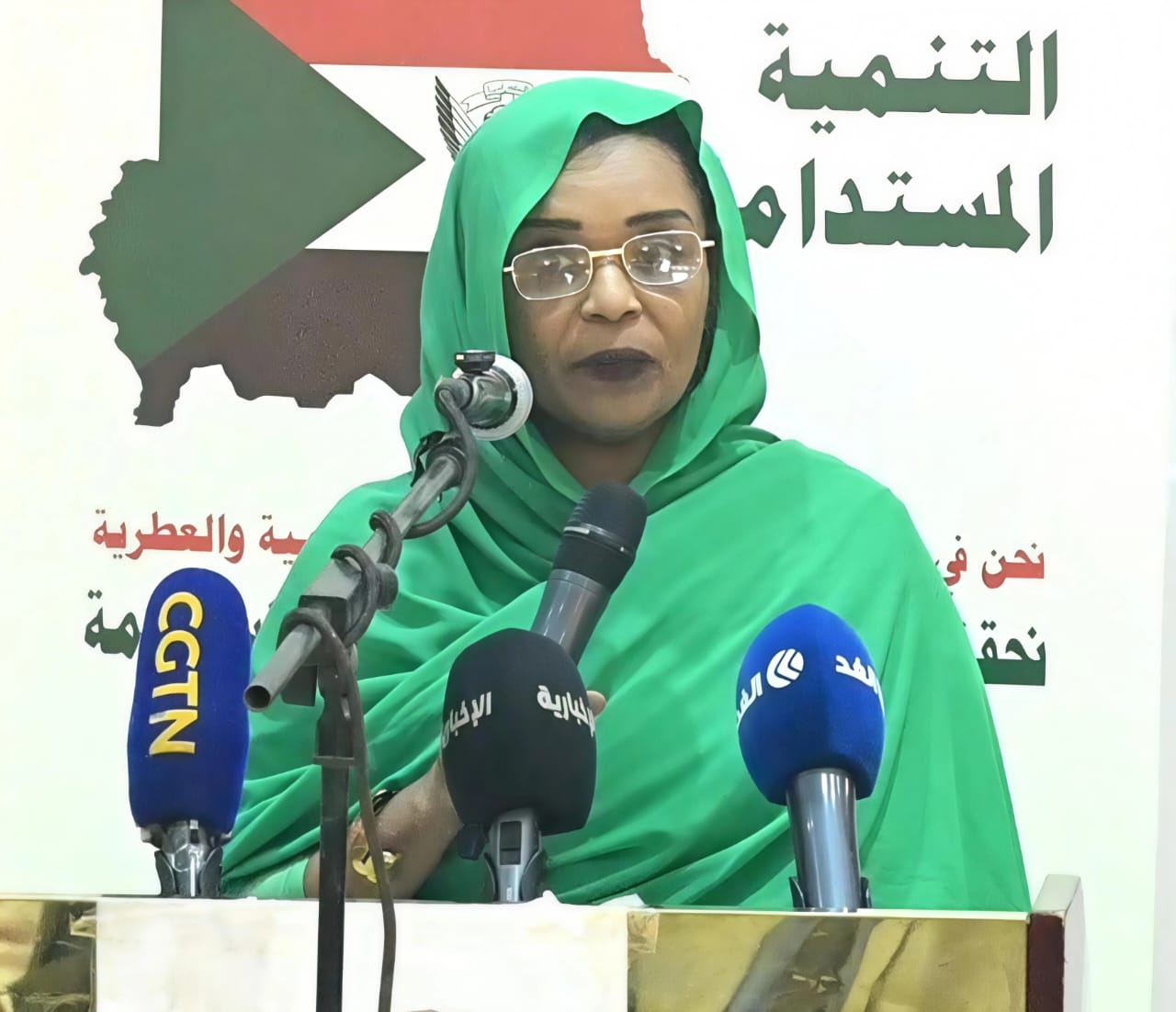
For her part, Dr. Hala Mousa, Director of the Traditional and Complementary Medicine Department, said the celebration was held in implementation of the World Health Organization’s directives regarding the designation of August 31 as World Traditional and Complementary Medicine Day.
She explained that Sudan is rich in thousands of medicinal and aromatic plants, creating promising opportunities for processing industries. She also noted the commitment of the relevant authorities to following WHO guidelines and developing the sector to maximize the benefits of its resources.
In the same context, the relevant authorities have demonstrated a clear commitment to investing in medicinal and aromatic plants, given Sudan’s considerable wealth in this field and the economic returns that could be generated through sound and sustainable investment.
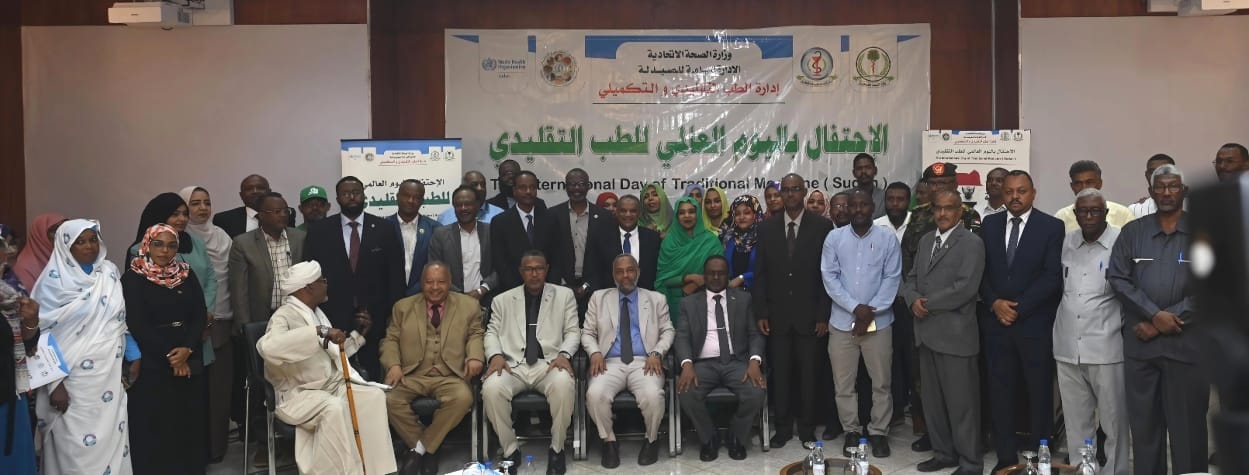
The celebration was attended by key partners, including research centers and herbalists, as well as the National Medicines and Poisons Board, a key partner in the registration and approval of medicines.
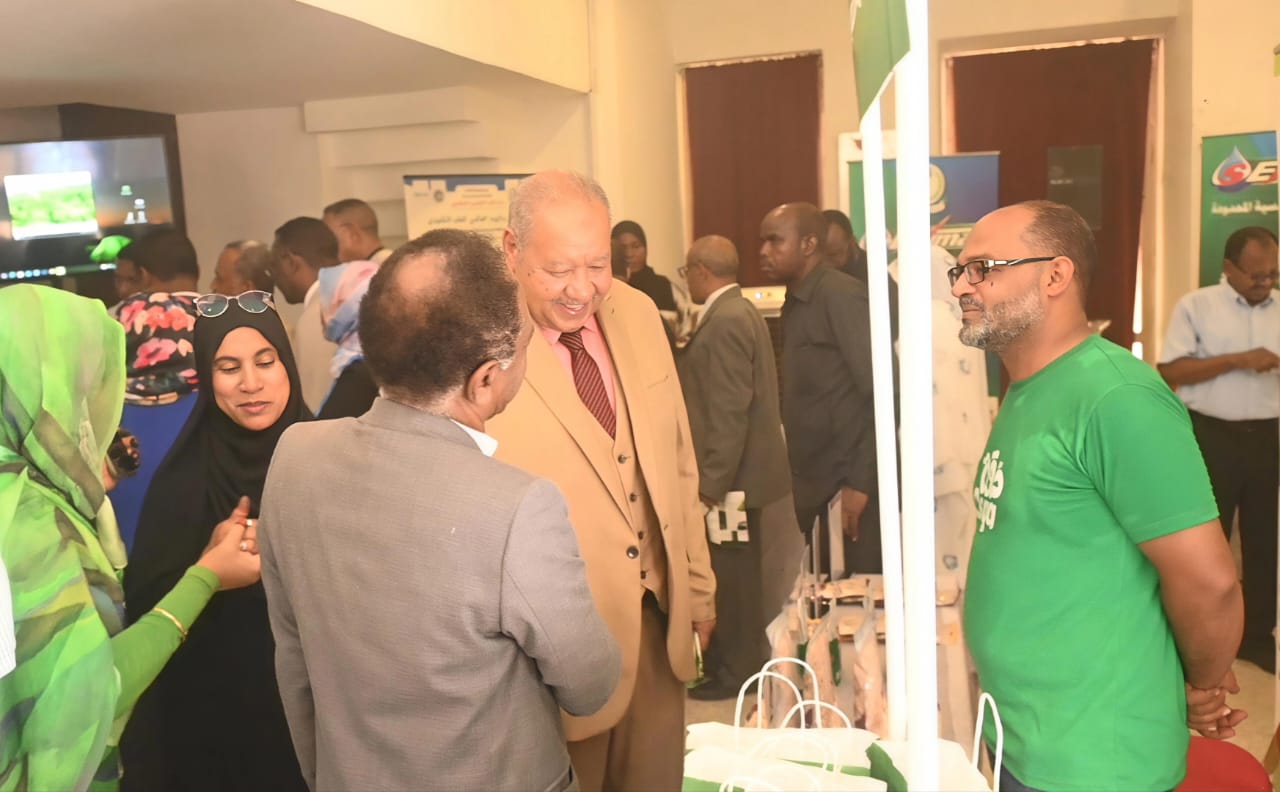
Participants agreed to focus initially on five plants: gum arabic, hibiscus, baobab, senna and kol, given their economic potential and the development opportunities they could create when cultivated and utilized scientifically and systematically.
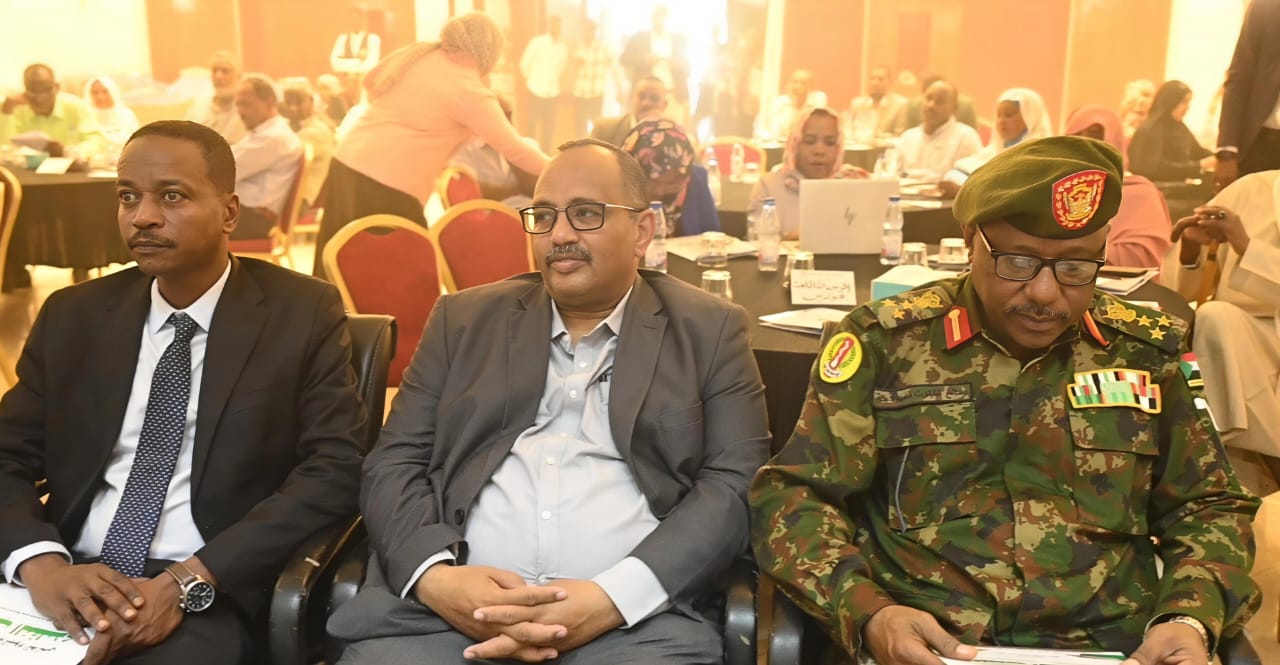
The celebration reaffirmed that traditional medicine is not a substitute for modern medicine, but rather a complement to it. Developing the sector through science and knowledge, while respecting traditional medical heritage, represents an important step toward providing comprehensive and safe healthcare for all.
Post your comments
Photo of the Week

Khartoum ( Suna-Sudanow) — Dr. Faisal Ahmed Al-Noor has received new international recognition after being selected as the recipient of the 2026 Ibn Qurrah International Award, presented by the National Arab American Medical Association (NAAMA) during its annual conference in Houston, United States. The award recognizes his contributions to medicine, science, humanitarian w...
More-

30 August, 2026
Stories from the Heart of the Battlefield From a University of Khartoum Professor to a Vegetable Seller in Cairo
Cairo (Sudanow) In one of Cairo’s neighborhoods, where the stories of passersby intersect with the details of everyday life, the story began with a quiet-faced Sudanese man standing behind a small vegetable stall. He carefully arranged tomatoes and greens, selling them with a smile. Few of those passing by knew that the man they addressed so simply had spent years of his life in lecture halls and scientific research labor...

Contact Us

Address: Sudan News Agency (SUNA) Building, Jamhoria Street, Khartoum - Sudan
Mobile:+249 909220011 / +249 912307547